Regulación del Etiquetado de Alimentos Latinos en EE.UU.
Explore the regulation of Latino food labeling in the U.S. with a data-driven analysis of policy enforcement and its significant market impact.

Sobre el autor
Andrés Fonseca es corresponsal de economía y negocios en EE.UU. Hoy, cubriendo el mercado laboral, emprendimiento latino y finanzas personales. Su escritura clara convierte temas complejos en información útil para la comunidad.
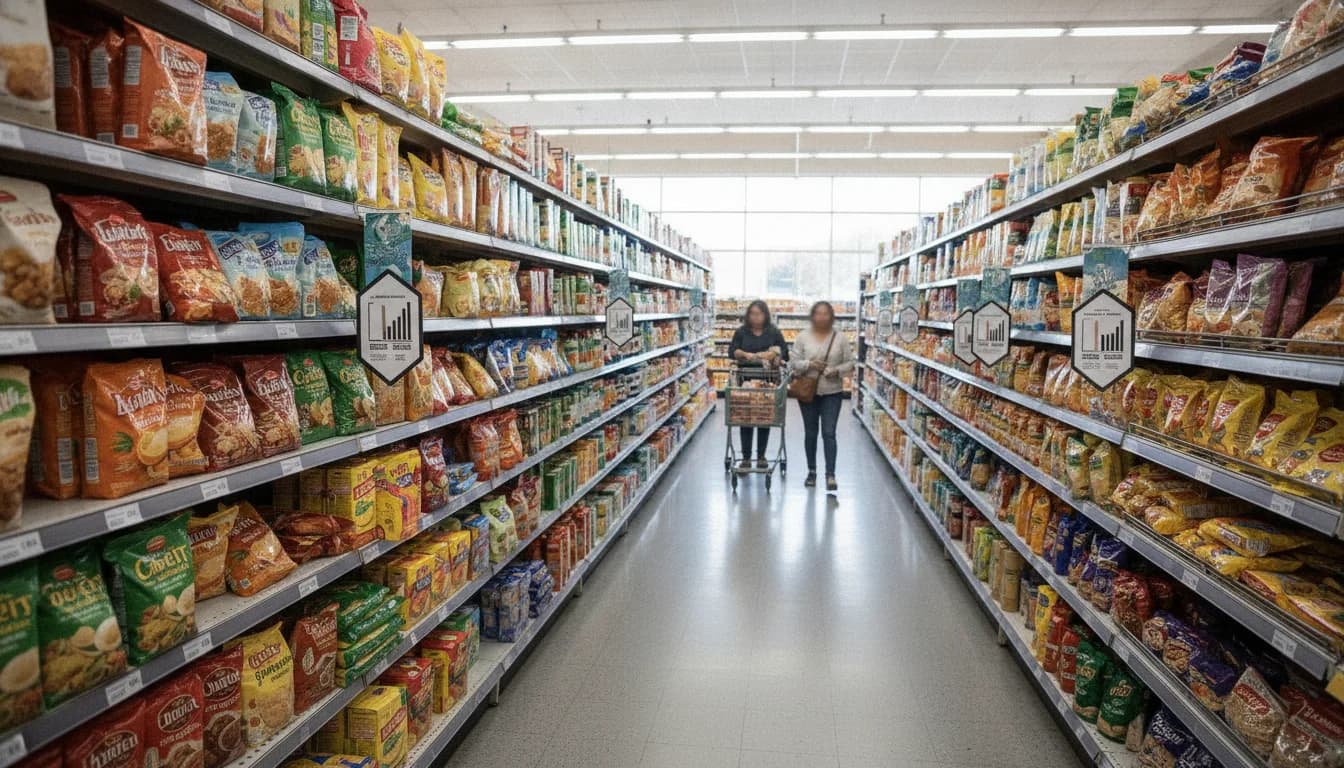
The regulatory landscape surrounding food labeling in the United States is evolving in ways that could materially affect Latino foods sold domestically and imported into the market. This week’s coverage centers on how Regulación de etiquetado de alimentos latinos en Estados Unidos—a phrase that captures both current policy content and real-world translation practices—will shape labeling practices, consumer understanding, and the competitive dynamics of the food industry. The news arrives amid ongoing federal considerations about how front-of-pack information, bilingual labels, and English-language requirements intersect with consumer needs, import rules, and brand strategies. As the debate continues, industry observers and policymakers alike are watching how these developments unfold, especially for foods with strong Latino consumer bases, where language access and cultural relevance can influence choices at checkout. This piece follows a data-driven approach to explain what happened, why it matters, and what could come next for manufacturers, retailers, and consumers alike.
For context, the U.S. Food and Drug Administration (FDA) has signaled a set of changes aimed at increasing at-a-glance nutrition information and clarifying when bilingual labeling is appropriate or required. Notably, in early 2025 the agency proposed front-of-package labeling intended to provide quick insights on key nutrients, such as saturated fat, sodium, and added sugars. The proposal would add a compact Nutrition Info box to the front of many packaged foods, an initiative that could influence how Latino foods are presented on shelves and interpreted by diverse audiences. The proposal, introduced in January 2025, highlights the agency’s interest in making nutrition information more accessible while balancing compliance costs for manufacturers. (fda.gov)
Opening with the news: on January 14, 2025, the FDA announced a plan to require front-of-package nutrition information for most packaged foods, described as an “Nutrition Info box” that would accompany the existing Nutrition Facts panel. The agency later published related materials clarifying how these front-of-pack disclosures would work, including the potential layout and the kinds of data included. If finalized, the rule would be part of a broader push to standardize interpretive nutrition information across products, an effort that would have implications for labeling in multiple languages where applicable. The FDA stressed that any final rule would be designed to improve consumer understanding and promote healthier choices, while acknowledging potential costs to industry and the need for adequate transition time. (fda.gov)
The regulatory timeline around labeling has important concrete dates that stakeholders track carefully. For example, the FDA established a uniform compliance date for final food labeling regulations published between January 1, 2025 and December 31, 2026, setting January 1, 2028 as the standard deadline for compliance in many cases. This date represents a critical point for manufacturers—especially those handling Latino foods with significant import activity or brand portfolios that cross bilingual markets—to plan for potential changes in packaging, translations, and label design. While this timeline provides a capstone for planning, the agency also notes that some regulations could have different dates if circumstances justify a departure from the uniform date. (fda.gov)
In parallel with front-of-pack discussions, FDA labeling guidance and industry resources continue to emphasize how bilingual labeling can be used when appropriate, and when English remains the required language. The agency’s guidance notes that when labeling must be presented in a second language, bilingual labeling can be used as a reference, but the English text often remains the default for most information. Importantly, if a product’s identity or name is meant to cater to non-English-speaking consumers (for instance, a product name that is inherently Spanish), then all required information generally must be presented in that language. This nuance matters for Latino foods marketed with Spanish identities, as it can influence whether an English translation is required or whether labels can be fully bilingual. (fda.gov)
For those tracking practical labeling practices, FDA provides explicit examples and resources for bilingual labeling. The agency hosts bilingual Nutrition Facts label examples (English/Spanish) as references for how information can be presented side-by-side on a single label, including bilingual versions of terms such as “Nutrition Facts” and “Datos de Nutrición.” These resources are designed to help manufacturers understand how to meet labeling requirements while accommodating Spanish-speaking audiences that are central to many Latino foods markets. (fda.gov)
The regulatory context extends beyond the FDA to the broader labeling ecosystem in the United States. Federal rules governing English-language labeling for many products are enshrined in regulations that emphasize English as the primary language for label content in most ordinary circumstances, with specific exceptions for certain territories, types of products, or identity claims. For example, beyond FDA rules, there are provisions under 16 CFR 301.3 that outline English-language requirements for labels, though these rules can interact with FDA labeling standards in nuanced ways depending on product type and jurisdiction. In practice, this means that while bilingual or Spanish-language labels are not forbidden, the English text often carries the central, enforceable requirements for most products, with country- or territory-specific exceptions where Spanish labeling may be permitted or required. (law.cornell.edu)
The Puerto Rico context provides a concrete illustration of how language choices can diverge within the United States. The regulatory framework acknowledges that foods distributed solely in U.S. territories such as Puerto Rico may bear labels in the predominant local language (Spanish) rather than English, though other labeling requirements remain in place. For Latino foods distributed across multiple markets within the U.S. mainland, this distinction underscores how labeling strategy can differ by distribution channel and geography, impacting how brands plan translations, packaging changes, and marketing messages. (fda.gov)
To place these developments in a market and technology context, it’s helpful to consider how labeling changes intersect with digital and data-driven trends. The move toward front-of-pack information aligns with broader industry trends toward “glanceable” nutrition data, digital nutrition education, and improved accessibility for diverse consumer groups. Industry resources from FDA point to the ongoing effort to provide clear, standardized nutrition information across languages and formats, which can support retailers and manufacturers in offering accurate, consistent product data across channels—including e-commerce platforms and in-store displays targeted at Latino communities. (fda.gov)
Section 1: What Happened
Announcement Details
FDA’s Front-of-Pack Nutrition Information Proposal
In January 2025 the FDA announced a proposed rule to require front-of-pack (FOP) nutrition information for most packaged foods. The proposal would introduce a Nutrition Info box on the front of packaging to convey at-a-glance data about saturated fat, sodium, and added sugars. This initiative would supplement, not replace, the existing Nutrition Facts label on the back or side of packages. The agency highlighted its intent to improve consumer access to nutrition information, with the design and content of the box intended to be easily interpretable by a broad spectrum of consumers, including non-English speakers. The release emphasized that if the rule is finalized, it could influence how Latino foods are labeled and perceived in retail settings, especially for products with a strong Spanish-speaking consumer base. (fda.gov)
Compliance Timeline and Rule Development
Following the proposal, the FDA published related documentation in early 2025, including a formal rulemaking docket and a discussion of potential compliance timelines. The administrative process contemplates a future final rule, which would set out the precise labeling requirements, design standards, and effective dates. In the interim, manufacturers and importers are advised to monitor the docket and FDA guidance to align product labeling strategies with the anticipated rules. The uniform compliance date framework established for rules published in 2025–2026 suggests a potential nationwide expectation for labels to conform by January 1, 2028, subject to any final adjustments in rulemaking. (public-inspection.federalregister.gov)
Bilingual Labeling Options and Examples
The FDA has provided bilingual labeling references to illustrate how nutrition information can be presented in both English and Spanish. The Nutrition Facts / Datos de Nutrición bilingual label example is used as a reference for labeling that includes both languages in a single display. This helps producers of Latino foods understand how to structure information for bilingual markets while ensuring compliance with federal labeling requirements. These resources are particularly relevant for products that aim to reach both English-speaking and Spanish-speaking consumers without creating confusion or misinterpretation. (fda.gov)
English Language Requirements and Exceptions
The regulatory framework continues to recognize English as the default language for required label information in most U.S. contexts, with exceptions depending on product origin, identity claims, and territorial distribution. For foods and products that rely on English as the primary labeling language, translations may be added as needed—but the core legal text typically remains in English. This nuance is essential for Latino foods distributed nationwide, where manufacturers may pursue bilingual labels to improve accessibility, while ensuring that English labeling remains compliant with federal standards. (law.cornell.edu)
Timeline and Key Facts
Key Dates and Milestones
- January 14, 2025: FDA announces proposed front-of-pack nutrition labeling rules designed to give consumers quick, standardized nutrition information at the point of purchase. If finalized, the rule would require a Nutrition Info box on front-of-packaged foods. (fda.gov)
- January 16, 2025: Federal Register notice and related materials outline the regulatory pathway and an anticipated rulemaking timeline. (public-inspection.federalregister.gov)
- January 1, 2028: Uniform compliance date for final labeling regulations published in 2025–2026, subject to adjustments for particular rules or circumstances. Manufacturers should plan for updated packaging and translation requirements in anticipation of this date. (fda.gov)
- Throughout 2025–2026: FDA continues to provide guidance, industry resources, and bilingual labeling examples to help stakeholders prepare for potential rule finalization. (fda.gov)
What This Means for Latino Foods
Latino foods—especially imported items and staples with large Spanish-speaking consumer bases—face a labeling environment that could evolve to emphasize front-of-pack clarity and, potentially, bilingual data displays. The FDA’s emphasis on front-of-pack information could favor clearer, more interpretable labeling for a diverse audience, including Spanish speakers who may rely on quick-glance nutrition cues. At the same time, English-language requirements remain a central pillar of federal labeling standards, which means manufacturers must carefully navigate the balance between bilingual communication and regulatory compliance. (fda.gov)
Section 2: Why It Matters
Impact on Consumers and Communities
Accessibility and Comprehension
For Spanish-speaking consumers, clear access to nutrition information matters for making informed dietary choices. The FDA’s bilingual labeling resources and the potential front-of-pack format aim to reduce confusion and support healthier decisions by presenting key data consistently and accessibly. In practice, this can improve the transparency of Latino food products in both domestic and cross-border contexts, reinforcing the premise that information should be readily understandable, regardless of language background. The agency’s bilingual label references illustrate how bilingual approaches can function in real-world packaging, which may influence product design decisions in Latino food brands seeking broader appeal. (fda.gov)
Brand Transparency and Trust
Label clarity is a trust signal for consumers, and for Latino communities that navigate diverse dietary patterns and cultural foods, consistent labeling can help build confidence in product quality and safety. When front-of-pack labeling becomes commonplace, brands that provide bilingual, accurate, and easy-to-interpret nutrition information may be better positioned to serve a multi-language marketplace. This can have knock-on effects for brand reputation, shopper loyalty, and cross-cultural marketing efforts in a crowded retail environment. (fda.gov)
Industry and Market Implications
Compliance Costs and Labeling Design
For manufacturers distributing Latino foods in the U.S. market, the potential introduction of front-of-pack labeling represents a design and operational consideration. The FDA has discussed the possibility of reformulation costs tied to these changes, particularly if the final rule requires new formats, font sizes, or data presentation conventions. While the final rule’s specifics are pending, industry observers anticipate that some products may undergo label redesign or translation updates to align with new requirements. This is especially relevant for multi-ingredient products or variety packs that may require more complex labeling strategies. (fda.gov)
Translation and Localization Strategies
Given the bilingual labeling landscape, Latino food brands may adopt translation-friendly packaging strategies to streamline compliance and consumer understanding. The presence of bilingual label references from FDA suggests a path for achieving clarity without sacrificing regulatory accuracy. However, the English-language default for most required information means that localization efforts must be carefully managed to avoid conflicting or incomplete label data. Brands with well-executed bilingual labeling practices may find a competitive edge in markets with both English- and Spanish-speaking shoppers. (fda.gov)
Import and Export Dynamics
As the United States imports a wide array of Latino foods from Latin American and Caribbean producers, labeling compliance becomes a central aspect of trade operations. FDA labeling requirements apply to imported foods, and the agency has noted that imported foods must meet final labeling standards. The interplay between English-language requirements and potential bilingual displays can influence how exporters prepare their packaging for U.S. distribution. In some jurisdictions, the possibility of dual-language labeling is supported by guidance, while in others stricter English-language requirements may apply. Observers should monitor FDA guidance and regulatory updates to align labeling practices with U.S. law. (fda.gov)
Broader Context and Comparisons
Global Trends in Front-of-Pack Labeling
The FDA’s front-of-pack initiative sits within a broader global trend toward simpler, more interpretable nutrition information at the point of sale. Several countries have pursued or implemented front-of-pack labeling schemes intended to guide consumer choices and address public health concerns related to nutrition. While each jurisdiction has its own regulatory framework, the United States’ approach—whether finalized or not—will contribute to a comparative landscape in which brands must adapt to varying standards across markets, including those with large Latino consumer bases. This global perspective underscores the potential value of clear, multilingual communication on packaging as a general best practice, even as specifics remain subject to U.S. regulatory processes. (fda.gov)
Language Policy and Territorial Nuances
Beyond national labeling rules, language policy considerations can shape how products are marketed regionally. The Puerto Rico example illustrates how local language preferences can influence labeling decisions within a U.S. territory, and it demonstrates the layered nature of U.S. labeling rules across jurisdictions. Brands aiming to serve Latino consumers nationwide must consider how to harmonize label content for both the mainland and territories, while staying compliant with applicable rules for each market segment. This complexity highlights the importance of a cohesive labeling strategy that can adapt to evolving federal guidance and regional requirements. (fda.gov)
Section 3: What’s Next
Next Steps for Stakeholders
Monitoring Regulatory Developments
The FDA’s front-of-pack labeling proposal remains under review, with subsequent rulemaking steps likely to include public comments, potential revisions, and, ultimately, a final rule. Stakeholders should monitor FDA press releases, Federal Register postings, and agency guidance for updates on design specifications, language considerations, and effective dates. The transition period, if a final rule is issued, will determine how quickly manufacturers must implement changes in packaging and labeling. (fda.gov)
Preparing for Translation and Labeling Changes
Companies that sell Latino foods in the United States may begin planning for bilingual labeling and potential front-of-pack disclosures by reviewing existing FDA bilingual label examples and guidance. Early preparation can help minimize disruption if and when new rules take effect. This includes assessing product lines for Spanish-language identity labels, evaluating translation workflows, and considering packaging formats that can accommodate bilingual nutrition information without compromising regulatory compliance or brand integrity. (fda.gov)
Public Health and Consumer Education Initiatives
As labeling information evolves, public health communications and consumer education will be essential to maximize the benefits of any new labeling requirements. Agencies and non-profit partners may roll out educational materials, multilingual resources, and health literacy programs designed to help diverse communities understand nutrition data and use it to inform healthier choices. The FDA’s ongoing education campaigns around nutrition labeling underscore the importance of clear communication in advancing public health goals across language groups. (fda.gov)
Timeline to Watch
- 2025–2026: Rulemaking process continues, with industry comments and FDA analyses shaping the path toward a final rule. (fda.gov)
- 2028 (tentative): Uniform compliance date for final labeling regulations published in 2025–2026, barring any regulatory adjustments. Manufacturers should be prepared for label updates and language considerations across products, including Latino foods. (fda.gov)
- Ongoing: FDA publishes bilingual labeling guidance and resources, including examples of English/Spanish nutrition labels, and maintains front-of-pack discussions as part of its broader nutrition labeling strategy. (fda.gov)
Closing
Looking ahead, the trajectory of Regulación de etiquetado de alimentos latinos en Estados Unidos will be shaped by how FDA translates its front-of-pack ambitions into final rules that are practical for manufacturers and meaningful for consumers. For Latino foods, the interplay between English-language requirements and bilingual labeling options will determine labeling costs, brand positioning, and consumer understanding at the point of sale. As the federal process unfolds, EE.UU. Hoy will continue to track the regulatory milestones, supply-chain implications, and market responses—keeping readers informed with data-driven analysis and balanced perspectives. To stay updated, follow FDA publications on nutrition labeling, watch for Federal Register notices, and monitor industry resources that translate regulatory developments into actionable labeling strategies for Latino foods across the United States. (fda.gov)