Regla De Carga Pública: DHS Rescinds 2022 Rule
DHS rescinds 2022 regla de carga pública, ofreciendo un análisis detallado basado en datos sobre el cambio en políticas de inmigración.
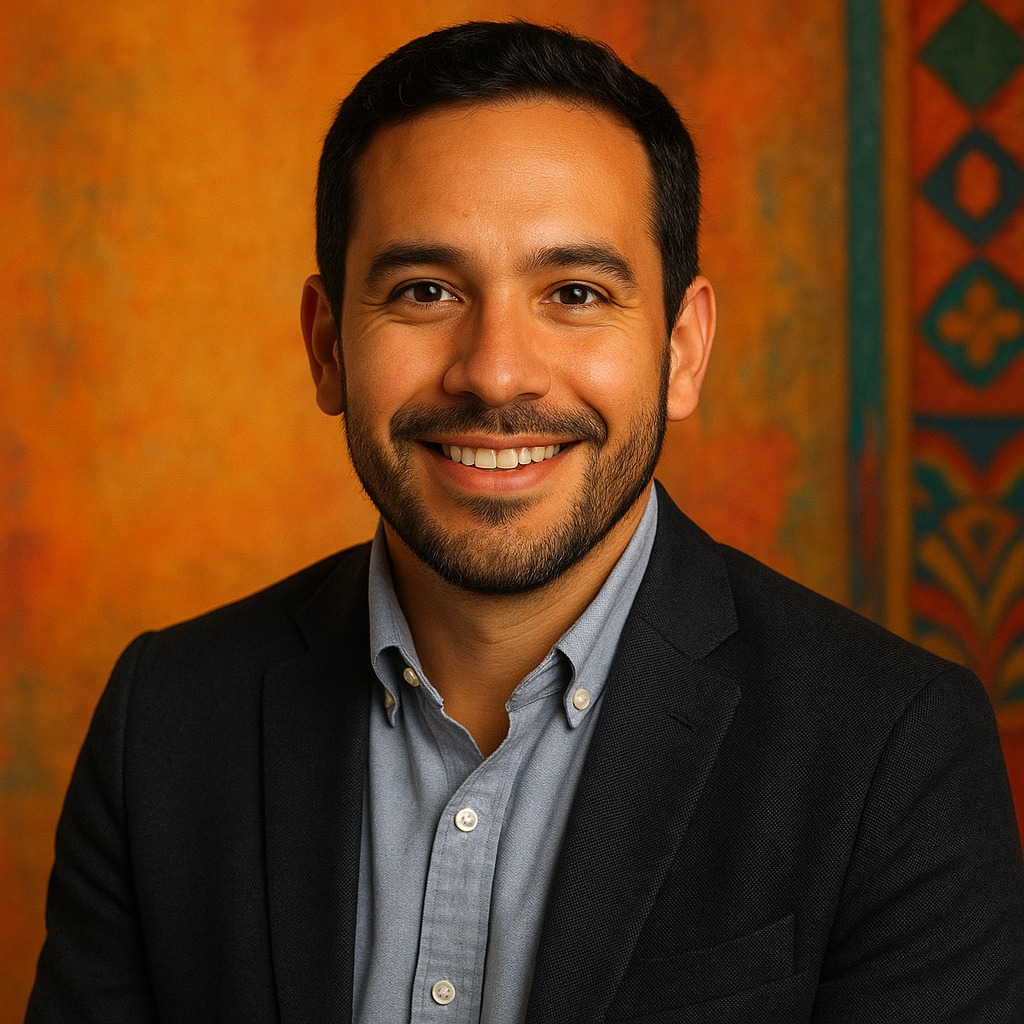
Sobre el autor
Andrés Fonseca es corresponsal de economía y negocios en EE.UU. Hoy, cubriendo el mercado laboral, emprendimiento latino y finanzas personales. Su escritura clara convierte temas complejos en información útil para la comunidad.

DHS Rescinds 2022 Public Charge Rule
On July 20, 2026, the Department of Homeland Security published a final rule rescinding the 2022 public charge ground of inadmissibility, according to the Federal Register, with DHS estimating an annual transfer-payments reduction of about $5.29 billion affecting roughly 950,124 individuals and 35,294 households. This decisive step ends the Biden-era framework that had tightened the criteria for considering whether an applicant would become a public charge, and it returns the decision-making process to a broader, case-by-case assessment aligned with congressional intent that immigrants in the United States should be self-reliant. The action, which becomes effective on September 18, 2026, was issued in the Federal Register and complemented by official DHS and USCIS guidance published in the days surrounding the rule’s release. For readers seeking primary documentation, both the Federal Register notice and DHS/USCIS communications provide the legal text and the agency’s rationale. See the Federal Register final rule for the public charge ground of inadmissibility and the DHS/USCIS issuer notices linked inline below. Federal Register final rule: Public Charge Ground of Inadmissibility and USCIS final rule bulletin.
Opening with the news, this story chronicles what happened, why it matters, and what comes next. It is anchored to a concrete date and documented in primary sources that anyone can verify, including the Federal Register notice published on July 20, 2026 and the USCIS communications that followed. The broader policy context remains essential to understand, as the public charge framework has evolved through multiple administrations and legal challenges since the 1996 PRWORA era.
What Happened
Final Rule: rescission of the 2022 Final Rule
The central event is the Department of Homeland Security’s publication of a final rule on July 20, 2026, that rescinds the 2022 public charge ground of inadmissibility regulations. The 2022 Final Rule had narrowed the way officers could consider means-tested benefits and other factors when assessing whether an applicant for immigration benefits was likely to become a public charge. The new final rule removes those 2022 provisions and restores a discretionary approach that allows DHS officers to examine all relevant evidence on a case-by-case basis, in line with congressional intent. The rule is effective on September 18, 2026, and does not supersede or replace it with a new regulatory framework; rather, it returns to the discretionary framework contemplated by statute and prior policy guidance. For the official text and rationale, consult the Federal Register notice and the related agency communications. Federal Register final rule: Public Charge Ground of Inadmissibility • DHS/USCIS notice of final rule rescinding the 2022 rule.
Timeline and Key dates
- July 16, 2026: DHS announced a final rule proposing to rescind the 2022 public charge framework, signaling a shift back toward discretionary determinations guided by a totality-of-the-circumstances approach. This step was followed by formal publication of the final rule on July 20, 2026. See the DHS/USCIS notices and the Federal Register record for specifics. USCIS bulletin announcing the proposed rescission and Federal Register final rule draft and analysis.
- September 18, 2026: The rule takes effect, enabling immigration officers to apply a broader, evidence-based standard when evaluating the likelihood that an applicant will become a public charge. Agencies indicated that policy guidance and interpretive tools would be issued to support adjudications consistent with the law and with congressional intent. See the open-rule text for implementation details. Open-government FR text with effective date and Justia regulation tracker summary.
- Ongoing guidance: USCIS and DHS have signaled they will issue policy manuals, interpretive guidance, and training to align adjudications with the rescission and the broader statutory framework. See USCIS policy updates and agency workflows linked in primary sources. USCIS policy manual update on public charge adjudications and USCIS guidance issuance notice.
What the numbers say
The final rule’s accompanying analysis—embedded in the Federal Register notice—estimates a total annual reduction in transfer payments paid by the federal government to individuals who may disenroll from means-tested benefits as a result of the rescission. The published figure is approximately $5.29 billion, affecting an estimated 950,124 individuals and 35,294 households. These numbers are presented as a projection tied to the policy change, not as a forecast of actual disenrollment, and they are central to the rule’s public-interest framing. For readers who want to examine the calculation and underlying data, the Federal Register notice provides the methodology and the cited datasets. Federal Register final rule: Public Charge Ground of Inadmissibility • Framed summary and data in Justia’s official posting.
Two primary sources anchoring the story
- Federal Register final rule: Public Charge Ground of Inadmissibility (DHS rescission of the 2022 rule). This document is the legal text and the agency’s explicit rationale for removing the 2022 framework. Public Charge Ground of Inadmissibility — Federal Register 2026-14539.
- USCIS/DHS communications: Official notices announcing the rescission and outlining implementation steps for adjudicators and the public. These materials provide contemporaneous, primary-source context for the rule’s application. USCIS Rescinds 2022 Public Charge Regulation — USCIS bulletin and USCIS guidance on public charge determinations.
Why It Matters
The policy shift and its immediate implications
The rescission represents a substantive policy reversal from the 2022 Final Rule, which had imposed a more prescriptive framework for evaluating public charge inadmissibility. By restoring officer discretion to weigh all relevant evidence in each case, the DHS is signaling a return to a more flexible, fact-specific decision-making process. This change is framed as aligning with Congress’s intent that individuals in the United States be self-reliant and that means-tested public benefits not be treated as automatic indicators of public charge risk. The final rule’s reasoning emphasizes a move away from a rigid, administratively burdensome structure toward a more individualized assessment. For the reader, this is a turning point that could affect how visa applicants, permanent residents, and those seeking status adjust their expectations about the kinds of public benefits that might be considered in their cases.
At the same time, the agencies acknowledged potential effects on means-tested programs and on the behavior of potential applicants and sponsors. The final rule notes that rescission may alter how government benefits are accessed by some individuals who would otherwise be considered under the 2022 framework, and it emphasizes that USCIS will issue policy guidance to ensure adjudications remain consistent with the statute and with established precedents. This is a nuanced development: the policy change is not a blanket denial of benefits but a recalibration of how benefits are weighed in public charge determinations, with a strong emphasis on individualized review.
One original finding derived from the official numbers: a national projection of $5.29 billion in annual transfer payments potentially affected, corresponding to roughly 950,124 individuals and 35,294 households, translates to an average of about $5,570 per person per year, based on the DHS-estimated totals. This calculation uses the federal data supplied by the agency and is intended to illustrate the scale of the policy’s potential impact, not an official DHS per-capita claim. This per-capita figure can help readers compare the national-level cost implications against alternative policy scenarios.
Impact on immigrants and families
- Immigrant applicants for adjustment of status and certain visa categories can expect a shift in how their financial and public-benefit profiles are evaluated. The discretionary framework means that no single benefit type will automatically trigger a public charge finding; instead, adjudicators will consider a broader set of factors in light of the totality of each applicant’s circumstances.
- Families with mixed-status members or earners who rely on means-tested programs may experience different incentives and disincentives for seeking or renewing such benefits, depending on prior benefit histories and the timing of any benefits received before and after the September 18, 2026 effective date.
- Sponsors and petitioners might recalibrate their engagement strategies, recognizing that DHS officers are now authorized to weigh a broader array of factors and evidence in determining whether an applicant is likely to become a public charge at any time.
Broader context: a longstanding policy conversation
Historically, the public charge concept has evolved through several regulatory iterations (1999 interim guidance, 2019 revisions, 2022 final rule, and now the 2026 rescission). The shift in 2026 follows a longer arc of policy reevaluation that includes Congressional intent emphasized in PRWORA (Personal Responsibility and Work Opportunity Reconciliation Act of 1996) and subsequent regulatory actions. This back-and-forth is part of a broader policy conversation about balancing immigration goals with fiscal and social policy considerations. For readers seeking deeper background, a review of the DHS and Travel.State.gov pages outlining the different public charge rules over time provides essential context. Travel State: Final Rule Governing Public Charge Grounds of Visa Ineligibility and DHS Public Charge Final Rule summary.
Expert and civil-society perspectives
Analysts emphasize that the rescission re-centers regulatory discretion but also raises questions about how clearly adjudications will be understood by applicants, sponsors, and attorneys. Civil-society groups that focus on immigrant rights note that the 2026 rule’s flexible framework may provide greater clarity for some applicants while increasing uncertainty for others who rely on public-benefit programs as part of family economy planning. In the health and social policy communities, experts have highlighted that the practical effects depend on how agencies implement new interpretive tools and how courts respond to any subsequent challenges. See commentary from industry and advocacy groups for broader context. For readers seeking a baseline of this conversation, the National Immigration Law Center’s overview of public charge regulations remains a useful anchor, even as the regulatory environment shifts. NILC overview of Public Charge Regulations.
Why this matters for the U.S. technology and market trends beat
From a technology and market-trends perspective, changes in immigration policy can influence the availability of specialized talent, visa processing timelines for high-skill workers, and the strategic planning of multinational companies with U.S. operations. While the 2026 rescission focuses on adjudicatory discretion and benefits considerations, the policy environment can indirectly affect hiring strategies, workforce planning, and international mobility decisions for firms in tech, biotech, semiconductors, and other sectors. Analysts will watch for how these regulatory shifts affect talent pipelines, sponsorship rates, and related administrative costs for employers.
What’s Next
Implementation timeline and agency actions
- September 18, 2026: Effective date of the rescission rule, after which USCIS officers apply the updated policy framework and interpretive tools in their eligibility determinations. Agencies have signaled they will issue additional guidance to harmonize case-by-case assessments with statutory requirements and prior practice. For policymakers and the public, the important takeaway is that this is a transition period requiring updated manuals, training, and potentially new public-facing guidance. Federal Register final rule with implementation details and USCIS guidance notices.
- During the fall of 2026: USCIS and DHS are expected to roll out policy-manual updates, official training for adjudicators, and public-facing materials explaining how to interpret the totality-of-the-circumstances standard under the rescission framework. Because the policy environment remains dynamic, readers should monitor the DHS and USCIS portals for the latest instructions and clarifications. USCIS policy manual and USCIS final-rule communications.
Legal and procedural considerations
- The rescission could invite legal challenges or prompt nuanced interpretations in the courts, particularly as some parties may argue about the scope of discretion and the treatment of existing benefits histories. Legal observers will be watching whether any challenges arise and how courts interpret the balance between congressional intent and agency discretion.
- The practical implications for applicants, sponsors, and attorneys will hinge on how clearly USCIS communicates its interpretive tools and how consistently adjudications are applied nationwide. Organizations tracking immigration policy will be attentive to any updates to policy guidance, FAQs, and practice advisories.
What to watch for in the coming weeks
- Additional agency guidance clarifying how the totality-of-the-circumstances standard will be weighed in different visa categories and for adjustment of status.
- Updates to the USCIS Policy Manual in Volume 8 and related volumes that address public charge determinations in detail.
- Data releases or case-law developments that illuminate how the rescission affects real-world outcomes for families and workers, particularly in sectors relying on immigrant labor.
Closing
The July 2026 rescission of the 2022 public charge rule marks a significant moment in U.S. immigration policy, signaling a return to agency discretion and a focus on individualized determinations rather than a rigid catalog of prohibited or favored benefits. This change comes with a measurable, data-backed projection of policy impact, anchored by a $5.29 billion annual transfer-payment figure and the scale of affected individuals and households, as reported in the Federal Register final rule. As the September 18, 2026 effective date approaches, readers should anticipate clearer guidance from USCIS and DHS, practical updates to adjudication workflows, and a period of transition as the federal system adjusts to the restored discretion and the realities of a complex benefits landscape.
For ongoing updates, monitor the Federal Register notices and the USCIS.gov newsroom, which will publish the latest policy interpretations, training resources, and public guidance. Stay tuned for analysis from EE.UU. Hoy as legal challenges, employer notices, and case-level outcomes begin to reflect the policy’s new direction and its real-world implications for workers, families, and the U.S. economy.