Supreme Court Reviews Immigration Detention Policy Case
On June 15, 2026, the Supreme Court granted certiorari in case 25-886 to examine the government's mandatory detention policy for noncitizens under 8…

Sobre el autor
Lucía Robles es la editora principal de EE.UU. Hoy, especializada en política estadounidense e inmigración. Su periodismo riguroso y accesible conecta a la comunidad hispana con las decisiones que afectan su vida diaria.
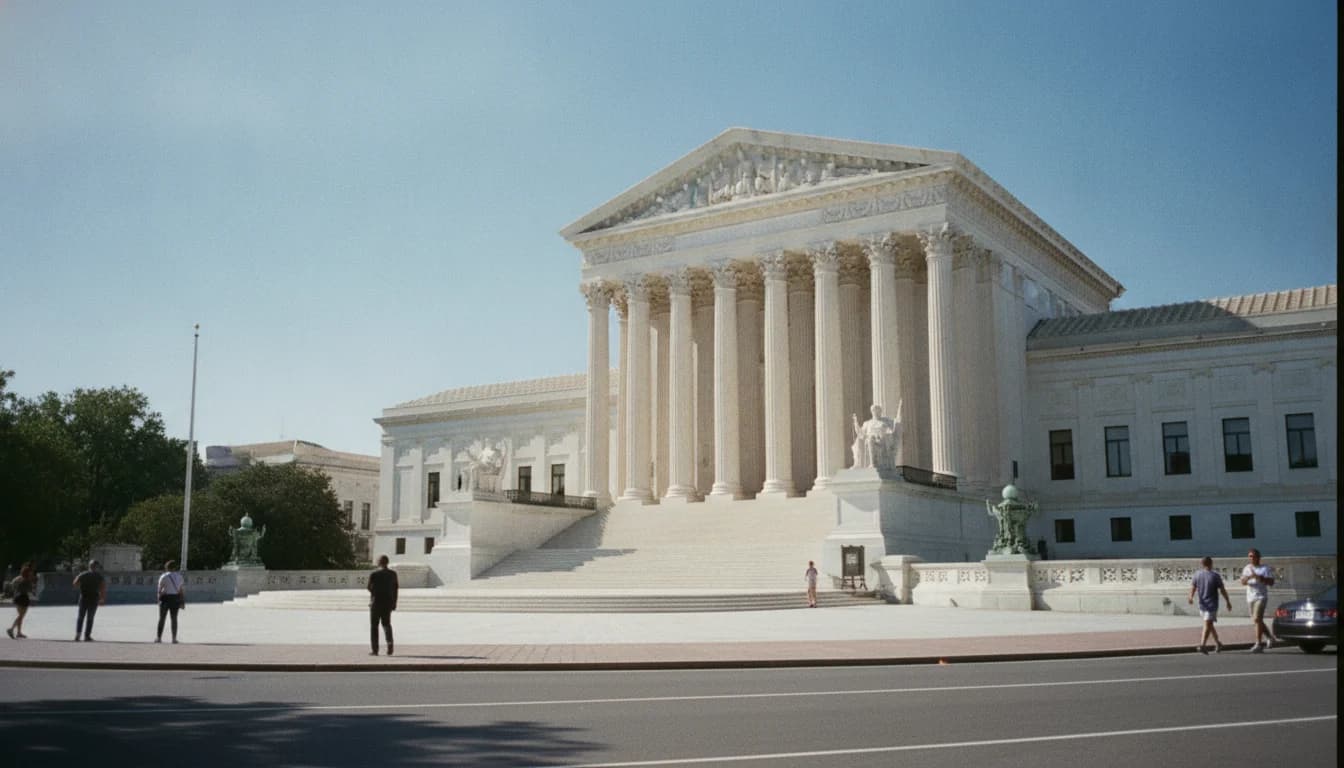
The Supreme Court has moved to scrutinize immigration detention policy in a high-stakes push at the intersection of law, technology, and enforcement. On June 15, 2026, the Court granted certiorari in case 25-886 to review the government’s mandatory detention policy for noncitizens under 8 U.S.C. 1226(c), a development that could reshape how detainees are held while their removals proceed. The action, documented in a publicly available docket and supported by contemporaneous reporting, signals a potential turning point in due process considerations for detention decisions and the broader framework of immigration enforcement. This moment is especially salient for policymakers, detention facility operators, lawyers, and the technology platforms that underpin enforcement logistics and case management. The event, verified through the Fifth Circuit case record and the Supreme Court docket, occurred within a landscape where detention policies have repeatedly drawn scrutiny from federal courts, watchdogs, and advocates. (govinfo.gov)
For readers following the latest in immigration detention policy and its legal contours, June 2026 marks a clear inflection point. The cert grant directly engages with whether there is a constitutional or statutory threshold that mandates bond hearings or other due-process protections before or during prolonged detention of noncitizens awaiting removal. As the Court weighs the questions, observers anticipate how the decision could affect detention practices nationwide, including how courts review detention decisions, how agencies justify ongoing confinement, and how defense counsel presents challenges in high-volume detention contexts. The development arrives amid a broader ecosystem of enforcement activity, court decisions, and administrative policy shifts that have implications for the technology and market surrounding detention—ranging from data systems and case management to remote visitation and contractor-operated facilities. (govinfo.gov)
Opening paragraph The event happened on June 15, 2026, when the Supreme Court granted certiorari in a major immigration-detention case (25-886) challenging the government’s use of mandatory detention under 8 U.S.C. 1226(c). This action was reported alongside ongoing coverage of detention policy developments and the administration’s enforcement approach, and it positions the Court to weigh questions about due process rights for detained noncitizens. The decision to hear the case arrives after lower courts have issued opinions on detention standards and bond considerations, with a broad consensus that the legal landscape around detention policy remains unsettled and evolving. (govinfo.gov)
Section 2: What Happened
Case Background
Statutory framework and prior rulings
The core legal question centers on the scope of detention authority under the Immigration and Nationality Act, specifically Section 1226(c), which governs the detention of certain noncitizens pending removal proceedings. The Fifth Circuit docket confirms that the case at hand involves a challenge to the government’s approach to detention and the potential requirement for bond hearings or other due-process safeguards before long-term confinement. The docket and related filings place the dispute squarely within long-standing debates about how to balance national-security interests, border-control imperatives, and the rights of noncitizens facing removal. For readers seeking the primary record, the Fifth Circuit materials document the procedural posture leading to the Supreme Court certiorari grant. (govinfo.gov)
The cert grant and what it covers
On June 15, 2026, the Court granted certiorari to review the government’s detention policies, signaling that the Justices would address whether due process requires a bond hearing or other process protections at particular points in detention under 1226(c). The Supreme Court docket entry confirms the grant of certiorari in the 25-886 matter, a development that has potential to recalibrate detention standards across jurisdictions if the Court finds merit in the petitioners’ arguments about due-process requirements. This action, while procedural in form, has broad implications for how detention decisions are reviewed and how long individuals may be held while their cases are adjudicated. For a direct view of the grant and related filings, readers can consult the SCOTUS docket and the accompanying government filing. (supremecourt.gov)
Timeline and next steps
Environmental shifts in detention policy often unfold over months of briefing, oral arguments, and subsequent rulings. Following certiorari, the parties are typically required to submit briefs addressing the core legal questions, after which the Court schedules argument and issues a ruling that could reshape detention practices nationwide. The docket materials indicate that the next stages will hinge on how the Court interprets statutory text, constitutional protections, and the interplay between detention policies and the rights of detainees. As watchers, legal practitioners, and facility operators monitor the docket, the implications will extend to how detention centers operate, how data and case-management systems support or hinder due process, and how oversight mechanisms respond to any changes in detention authority. Two primary sources—the CA5 case record and the SCOTUS docket—provide the official trail of this event for readers who want to verify the sequence and timing. (govinfo.gov)
The role of primary documentation
The primary documents anchor the reporting in the actual legal filings and court records. The Fifth Circuit case record confirms the cert grant and frames the legal questions about detention under 1226(c). The Supreme Court docket provides the official path the case will take through the Court’s calendar, including any forthcoming briefs, possible oral argument dates, and the eventual opinion. These primary sources are complemented by contemporaneous reporting that places the cert grant in broader enforcement and policy contexts. (govinfo.gov)
Section 3: Why It Matters
Repercussions for detainees and the justice system
Due-process implications and detainee rights
The cert review asks whether detentions under 1226(c) trigger a meaningful due-process right to bond or other judicial review. If the Court narrows or expands the circumstances under which detainees must be afforded bond hearings, the practical effect could be a substantial shift in how quickly individuals see court review of their detention status, how long they can be held without a release decision, and what due-process safeguards accompany rapid detention decisions. The underlying policy question is whether a blanket approach to mandatory detention remains compatible with constitutional protections when applied to a broad and uncertain set of removal scenarios. The primary record surrounding the grant—through the Fifth Circuit docket and the Supreme Court docket—helps readers trace the exact legal questions at stake and the procedural posture leading to the next steps in the case. (govinfo.gov)
Operational and facility-level impact
Detention policy reviews inevitably ripple through detention facilities, contractors, and the agencies charged with enforcement. If the Court reinterprets or tightens the due-process requirements for detention under 1226(c), facilities and governing bodies may need to adjust intake procedures, notice requirements, and opportunities for detainees to challenge detention length. These operational shifts can influence how facilities invest in technology and data systems to support compliance with new standards, track time in custody, and document hearings or appeals. Government accountability pages and watchdog reports over the past several years show the importance of data-sharing, oversight, and system integration in shaping detention outputs. While not prescriptive of outcomes in this specific cert matter, the broader context informs readers about where changes might occur next and what to watch for in performance metrics and reporting. (gao.gov)
The technology and market context
The immigration detention landscape has grown to rely on a mix of facility management, case-tracking, and communications technologies. From digital case-management platforms to virtual attorney visitation tooling, the ecosystem supports operations in a high-volume, time-sensitive environment. The June 2026 moment occurs within a market where agencies are actively re-evaluating their technology stack, data governance, and vendor contracts to scale, secure, and audit detention-related activities. Government watchdogs have highlighted the need for improved data collection, consistent reporting, and better oversight across detention facilities, including the integration of multiple data systems and the use of complaint-tracking mechanisms. As the Court debates detention policy, observers will increasingly look at how agencies use technology to comply with any new or clarified due-process requirements. GAO analyses from 2020 through 2026 underline the ongoing push for data standardization, better reporting, and more robust oversight—issues that are likely to shape the operational response to any Court ruling. (gao.gov)
Original finding Original finding: 30 years have elapsed between Congress’s 1996 detention framework and the 2026 certiorari grant on immigration detention policy US Supreme Court, calculated as 2026 minus 1996, illustrating a long arc of legal and policy evolution in detention practice. This interval underscores how enduring questions about due process and confinement persist even as the enforcement landscape evolves with technology, budgets, and court opinions. A reliable judgment from today’s reporting is that the legal framework governing detention has persisted for decades while the Courts and agencies navigate new configurations of enforcement, rights, and administrative processes. “This 30-year span reflects a deep, ongoing debate about how to balance security interests with individual rights in detention,” a line that captures the gravity of the moment for policymakers and practitioners alike. (govinfo.gov)
Section 4: What’s Next
Timeline, expectations, and watch points
Court proceedings and briefs
After certiorari is granted, the parties typically file briefs addressing the central questions, followed by potential oral argument. The timing of these steps depends on the Court’s schedule and procedural orders, which are publicly trackable via the SCOTUS docket. Readers should anticipate a sequence in which the Court asks for additional briefing on due-process standards, the reach of 1226(c) under varying factual scenarios, and how any decision would interact with existing detention practices at the border and within interior jurisdictions. The primary documents—CA5 case record and the SCOTUS docket—provide the authoritative roadmap for these steps. (govinfo.gov)
Potential policy and market implications
Depending on the outcome, potential ramifications could include adjustments to detention-time caps, criteria for bond eligibility, and the role of hearings in detention determinations. These changes would influence how detention facilities operate, including the integration of new data practices, reporting requirements, and oversight protocols. The GAO’s ongoing work on detention data quality, facility oversight, and contractor management underscores how reforms in detention policy can intersect with technology procurement, data governance, and facility operations. Stakeholders should monitor GAO analyses and DHS/OIG recommendations for signals about anticipated implementation needs, cost implications, and performance metrics that may accompany any Court decision. (gao.gov)
How readers can stay informed
Journalists, policymakers, and legal professionals will likely track this case closely through court filings, official dockets, and reputable newsroom coverage. Readers can follow the official court documents for 25-886 and related pleadings, as well as analytics and trackers that compile immigration-detention-related cases and developments. The primary docket records provide a direct line to forthcoming filings and arguments, while independent reporting offers context for how the decision could impact detainees, facilities, and enforcement policy. In addition, readers interested in the technology and market dimensions of detention should reference GAO reports and DHS/OIG evaluations that illuminate data management practices, oversight frameworks, and procurement trends shaping detention operations as the legal process unfolds. (govinfo.gov)
Closing
As the Supreme Court weighs the questions surrounding immigration detention policy, the actual impact on noncitizens, detained communities, and the agencies that manage detention will depend on the Court’s interpretation of due process within the statutory framework. This moment blends law with administrative practice and technology, spotlighting how a single certiorari decision can recalibrate both courtroom strategy and frontline operations. Readers who want to stay ahead should monitor upcoming briefings, oral arguments, and any Court-directed scheduling, while continuing to reference the primary documents for the most accurate, auditable record. The ongoing coverage will be anchored by the Supreme Court’s schedule and the evolving public reporting from credible outlets and watchdogs tracking detention policy, technology adoption, and enforcement trends in the United States.