NALCAB Surpasses $50M in Community Loans
NALCAB Préstamos 50 millones milestone signifies a significant advancement in Latino-focused lending and community development efforts.
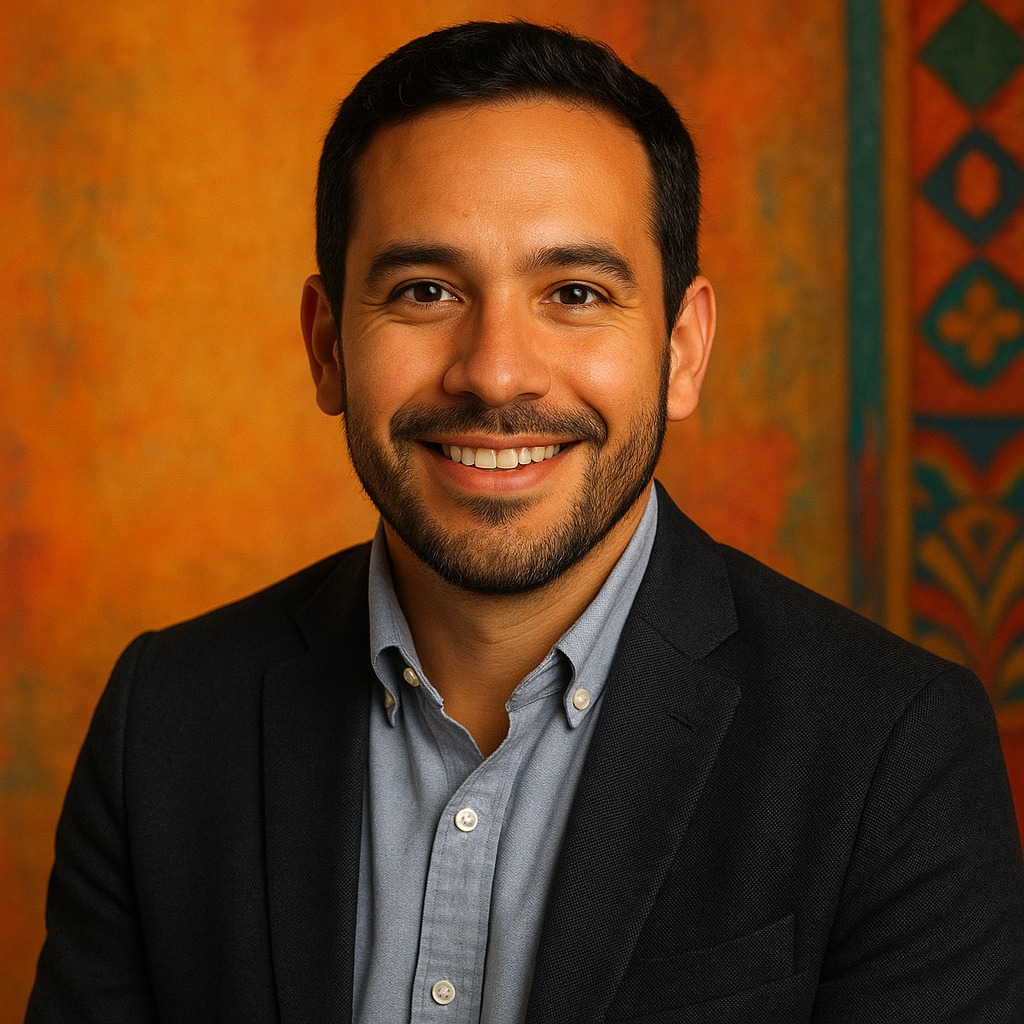
Sobre el autor
Andrés Fonseca es corresponsal de economía y negocios en EE.UU. Hoy, cubriendo el mercado laboral, emprendimiento latino y finanzas personales. Su escritura clara convierte temas complejos en información útil para la comunidad.

In a milestone that underscores growing access to capital for Latino-led economic development, the National Association for Latino Community Asset Builders (NALCAB) announced that it has surpassed 50 million dollars in loans deployed through its national lending network. The news, released on March 10, 2026, highlights a data-driven push to expand capital for small businesses, affordable housing, and neighborhood revitalization across the United States. This development comes as part of a broader trend in which community development financial institutions (CDFIs) and their lending partners are increasingly leveraging technology and data to scale impact in underserved markets. The announcement is a signal that structured lending networks can translate mission-driven finance into tangible outcomes for families and communities that historically faced barriers to traditional financing. According to the organization, this milestone reflects the trust placed in its member organizations and the communities they serve, and it signals momentum that policymakers and investors will be watching closely in the months ahead.
NALCAB surpassed $50 million in loans deployed through its national lending network on March 10, 2026, according to NALCAB. (nalcab.org)
Opening with a clear, data-driven snapshot, this news brief moves quickly from the headline achievement to the practical implications for communities and the broader lending landscape. The release frames the milestone as part of a sustained strategy to increase access to capital for Latino-serving CDFIs and allied lenders, with a network that now includes more than 200 member organizations nation-wide. The emphasis on scalable lending—supported by a network of mission-driven lenders—aligns with a broader push in the financial services sector toward leveraging technology-enabled underwriting, performance analytics, and collaborative capital deployment to reach underbanked populations. The growth trajectory highlighted by NALCAB is being watched closely by practitioners, policymakers, and researchers who study the efficacy of CDFI-led lending in generating long-term economic mobility. The organization’s leadership notes that the 50-million-dollar figure is not an endpoint, but a milestone that demonstrates what is possible when lenders coordinate across state lines and sectors to serve low- to moderate-income communities. The statement and accompanying data suggest a continuing effort to translate social impact ambitions into measurable financial outcomes for families and small businesses. (nalcab.org)
What Happened
Announcement Details
The central event is straightforward: NALCAB publicly announced that its national lending network has deployed more than $50 million in loans. The press materials describe this as a milestone that underscores the organization’s ongoing commitment to expanding access to capital for Latino communities, with a focus on small business development, affordable housing, and neighborhood revitalization. The release positions this achievement as part of a broader strategy to mobilize capital through a coordinated network of community development lenders and nonprofit partners across all 50 states, plus the District of Columbia and Puerto Rico. The event is anchored to a concrete date—March 10, 2026—and is framed as a validation of the network’s growth and impact, rather than a one-off achievement. The narrative emphasizes the role of NALCAB’s 200+ member organizations in delivering capital and technical assistance to communities that have historically faced barriers to traditional bank lending. The core claim of the press release is that the network’s lending is translating into real-world outcomes, from new business creation to job support and housing development. (nalcab.org)
Network and Partners
NALCAB’s press materials place particular emphasis on the breadth of its national network: more than 200 member CDFIs and economic development nonprofits collaborate to channel loans, technical assistance, and capital to communities in need. This structure is described as a deliberate, scalable model designed to enhance the reach and effectiveness of lending activity by coordinating across organizations with local roots and sectoral expertise. By pooling resources and sharing underwriting insights, the network aims to accelerate lending to small businesses and housing projects that might not fit conventional lending criteria, while maintaining rigorous standards for risk management and social impact. The release also notes that the network serves more than three million individuals annually, illustrating the scale at which these lending activities are intended to operate. This context helps readers understand not just the dollar figure, but the operational machinery behind the milestone. (nalcab.org)
2025 Performance Highlights
In addition to announcing the $50 million milestone, the press release highlights notable performance metrics from the prior year. It states that in 2025 alone, NALCAB borrowers originated more than 250,000 small business loans totaling $245 million, contributing to the creation of 662 new businesses and supporting 945 jobs, while also aiding the development of 363 affordable housing units across participating communities. These figures illustrate not only lending volume but also the breadth of economic activity enabled by the network—ranging from entrepreneurship and job creation to housing affordability. By presenting these metrics, NALCAB provides a quantitative lens on the level of economic mobility that its network is delivering in real terms. Readers can interpret these numbers as indicators of network efficiency, loan product mix, and geographic dispersion of lending activity. (nalcab.org)
A Closer Look at the Milestone
The press release frames the milestone as more than a count of dollars; it is described as a reflection of trust from communities and a demonstration of the network’s reach and impact. The CEO’s remarks frame the achievement as a collective victory for the entire ecosystem of Latino-serving lenders and community developers. The release also signals an openness to new partners and investments that could further expand the network’s lending footprint and impact. Taken together, the data points in the release paint a picture of a lending ecosystem that has grown not only in dollar terms but also in scale, reach, and community impact. The emphasis on “more than 3 million individuals served each year” reinforces the idea that the financial activity is embedded in broader social outcomes, not isolated transactions. (nalcab.org)
- Loan activity: Surpassed $50 million in deployed loans (as of March 10, 2026). (nalcab.org)
- Network size: 200+ member CDFIs and nonprofits. (nalcab.org)
- Reach: More than 3 million individuals served annually. (nalcab.org)
- 2025 outcomes: 250,000+ small business loans totaling $245 million; 662 new businesses; 945 jobs; 363 affordable housing units. (nalcab.org)
Why It Matters
Economic Mobility Impacts for Latino Communities
The milestone sits at the intersection of finance, economic opportunity, and community development. By deploying more than $50 million through its lending network, NALCAB is expanding access to capital for Latino entrepreneurs and households that might otherwise rely on informal, high-cost options. The 2025 performance data—hundreds of thousands of small business loans, thousands of jobs supported, and hundreds of housing units developed—illustrates a broader ripple effect: capital deployment translates into business creation, job growth, and improved affordable housing stock in communities that often face structural barriers to traditional financing. Analysts and policymakers who study CDFI-led lending networks suggest that such scale can contribute to improved local productivity, increased tax receipts, and more resilient neighborhood ecosystems, especially when paired with technical assistance and financial coaching. While the press materials do not provide a causal analysis, the numerical outcomes from 2025 offer a data-backed lens to gauge the program’s practical contributions to economic mobility. (nalcab.org)
The Role of Technology and Data in Scaling Lending
A core throughline in contemporary CDFI practice is the integration of technology and data to expand underwriting efficiency, risk assessment, and portfolio management without sacrificing mission alignment. While the NALCAB release focuses on the macro milestones and outcomes, observers familiar with the field note that networks of CDFIs increasingly rely on shared data standards, digital application flows, and partner-platform integrations to speed loan decisions, improve borrower outreach, and track social impact metrics in near real time. For Latino-serving lenders, the ability to combine local knowledge with centralized data analytics and standardized reporting can reduce friction for borrowers and improve portfolio performance over time. This trend aligns with broader market movements in fintech and responsible lending, where technology is viewed as an enabler of inclusive growth rather than a substitute for human underwriting and community relationships. The Axios profiling of the Latino economy, which references CDFI activity and the role of the CDFI Fund, provides a broader backdrop for understanding how policy and funding ecosystems interact with private and nonprofit lending networks to shape outcomes in Latino communities. (axios.com)
Broader Market Context: Latino Entrepreneurship and Lending
While the 50-million-dollar milestone is notable on its own, it sits within a larger narrative about Latino entrepreneurship and economic participation in the United States. Recent reporting highlights the rapid growth and potential of Latino-led economic activity, with Latinos contributing substantial GDP and demonstrating dynamic entrepreneurial activity across sectors. The data points cited by national coverage emphasize the importance of access to capital as a limiting factor for scaling small businesses, and they underscore why CDFI-led networks like NALCAB’s exist as critical players in the ecosystem. Taken together, the milestone signals both progress and ongoing needs: progress in mobilizing capital and delivering measurable outcomes, and ongoing demand for scalable, mission-aligned lending that serves communities with historically limited access to conventional credit. (axios.com)
Stakeholder Perspectives and Potential Counterpoints
From a neutral, data-driven vantage point, it is important to balance the success metrics with a clear view of ongoing challenges. Critics of any single-metric milestone may point to the need for deeper analysis of loan performance, repayment rates, and long-term community outcomes. Supporters would emphasize the value of the network’s collective capabilities, the potential for replication in other underserved markets, and the role of policy environments in sustaining such lending ecosystems. The NALCAB release positions the milestone within a narrative of collaboration and expanded opportunity, while also signaling openness to new investment and partnerships that could extend the reach and impact further. For readers, this balance—between optimism about scalable impact and prudent attention to risk and long-term results—is essential when evaluating the significance of the $50 million mark. (nalcab.org)
What's Next
Expansion Plans and Next Milestones
NALCAB’s leadership indicates an intent to build on the momentum generated by the $50 million milestone by welcoming new partners and investment to scale impact. While the press materials do not disclose specific future dollar targets or new program designs, the framing suggests continued emphasis on expanding the network, broadening the distribution of loan products, and deepening the technical assistance and financial capability services that accompany lending. Observers expect that future announcements may include new partnerships with funders, banks, or philanthropic organizations that align with NALCAB’s mission to increase access to capital for Latino communities and low-to-moderate-income neighborhoods. The integration of digital lending platforms and shared underwriting insights could be central to achieving these expansion goals, enabling faster decisions for borrowers while maintaining rigorous risk management standards. (nalcab.org)
Monitoring Metrics and Early Signals
As expansion unfolds, stakeholders will be watching a core set of metrics beyond cumulative loan volume. These could include borrower default and delinquency rates across the network, average loan sizes, geographic dispersion of lending, and the composition of loan types (e.g., small business loans vs. housing-related lending). In addition, indicators such as the number of new businesses created, job growth, and affordable housing units financed will continue to be used as proxies for social impact. The 2025 performance data already demonstrates meaningful activity—hundreds of thousands of small business loans, hundreds of new firms, nearly a thousand jobs created—so the next phase will likely emphasize quality and sustainability alongside scale. Analysts will also assess how the network’s technology-enabled processes influence customer experience, underwriting speed, and borrower retention. (nalcab.org)
Closing
The announcement of NALCAB’s surpassing of 50 million dollars in loans deployed is more than a numbers story. It reflects a deliberate, networked approach to capital access that centers Latino communities and leverages the strengths of a nationwide CDFI ecosystem. By providing not only financing but also technical assistance, financial coaching, and local knowledge, NALCAB and its members are aiming to translate dollars into durable economic mobility—one loan at a time. In the months ahead, the industry will be watching how this milestone translates into deeper community resilience, more equitable access to credit, and broader demonstrations of what mission-driven lending can accomplish when technology, data, and local expertise work in concert.
For readers who want to stay informed about estas developments and the ongoing evolution of Latino-focused lending across the United States, monitoring NALCAB’s official announcements, local CDFI activity, and independent analyses of loan performance will be essential. As the landscape for community development finance evolves—with policymakers, lenders, and community organizations collaborating—this milestone sets a data-backed benchmark for what scalable, equity-centered lending can achieve in the near term.
The story of NALCAB and its 50 million-dollar milestone is still unfolding. The organization’s leadership has signaled a commitment to ongoing expansion, and the network’s performance in 2025 suggests a pathway for continued growth that could reshape how capital reaches Latino communities. Readers should stay tuned for updates on new partnerships, program innovations, and detailed outcomes as more lenders join the network and new communities gain access to capital tailored to local needs. The intersection of mission, data, and scalable finance will continue to define the next chapter in NALCAB’s work to build wealth and opportunity in Latino communities across the United States. (nalcab.org)
In the end, the $50 million milestone is both a celebration of what has been achieved and a prompt for what remains to be done. With continued focus on data-driven lending, strategic partnerships, and community-centric impact, NALCAB’s model could become a blueprint for how to empower underserved markets through disciplined, scalable financial solutions. The next quarterly and annual reports will reveal how this milestone translates into longer-term outcomes for entrepreneurs, families, and neighborhoods nationwide. (nalcab.org)