Arte Urbano Latino E Impacto En Turismo Y Identidad Cultural
Neutral, data-driven analysis of Arte urbano latino e impacto en turismo y identidad cultural and its effects on tourism and cultural identity.
Sobre el autor
Marisol Delgado es periodista de cultura y estilo de vida en EE.UU. Hoy, explorando la rica diversidad de la experiencia latina en Estados Unidos. Sus crónicas celebran las tradiciones, el arte y las voces que enriquecen la vida americana.
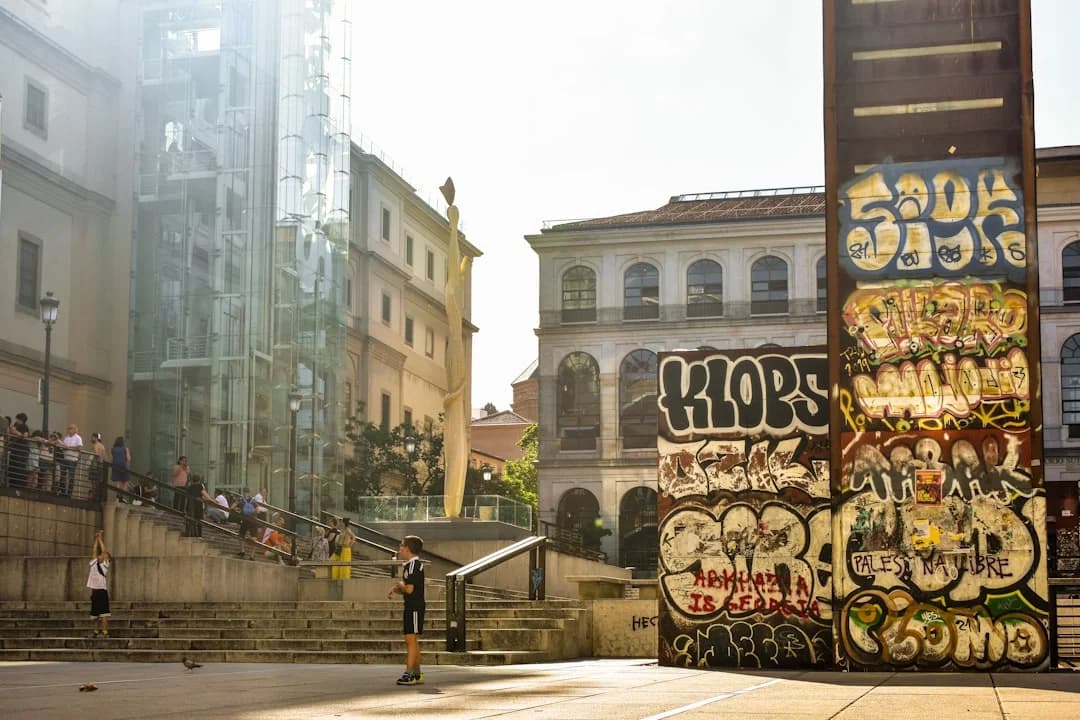
A data-driven look at how Arte urbano latino e impacto en turismo y identidad cultural is reshaping travel patterns, urban experience, and community identity across the Americas. In recent years, cities and neighborhood stakeholders have increasingly treated street murals and public art as strategic assets for cultural expression and visitor engagement. This trend spans Latin American cities and Latino urban districts in the United States, where public artworks are becoming part of formal tourism products and policy conversations. UNESCO’s regional outlook for Latin America and the Caribbean highlights culture’s growing role in sustainable development and urban policy, including how cultural expressions contribute to social cohesion and identity on the ground. (unesco.org)
Across Latin American cities and diaspora-led communities, the street has emerged as a powerful stage for cultural storytelling. Buenos Aires, a city with a long tradition of urban art, now positions murals, grafiti, and guided routes as key tourism offerings, drawing visitors who seek authentic experiences carved into urban space. National and local tourism authorities emphasize that urban art is not only aesthetic but also a driver of cultural itineraries that illuminate neighborhood identities. This aligns with global research suggesting that urban art can function as a form of “creative tourism” where visitors engage with living culture through place-based encounters. (turismo.buenosaires.gob.ar)
In the United States, public art programs in Latino neighborhoods have similarly evolved into recognized tourism assets. Philadelphia’s Mural Arts Program—often described as the nation’s largest public art program—began in the late 1980s and has grown into a city-wide network of murals that attract guided tours and cultural visitors. The program’s evolution from graffiti-removal origins to a broad civic art initiative offers a real-world model of how urban art shapes neighborhood image and tourism flows without sacrificing social purpose. This case is complemented by recent reporting on mural-related initiatives and annual programs that continue to drive foot traffic and local engagement in Philadelphia’s urban fabric. (muralarts.org)
In parallel, new research and regional monitoring underscore that the linkage between urban art and tourism is dynamic and context-dependent. A 2026 study on Natal, Brazil—“Grafite e turismo urbano: arte e paisagem cultural em espaços turísticos de Natal”—examines how grafite interventions contribute to a city’s tourist landscape, signaling a broader pattern where street art becomes an asset in regional tourism strategies. The authors situate grafite within a broader cultural circuit, noting policy and municipal engagement around urban art as a vehicle for place-making. (periodicos.ufal.br)
Section 1: What Happened
Public Art Programs Expanding in Latino Neighborhoods
Urban art initiatives targeting Latino communities have continued to scale, with governments and cultural nonprofits integrating murals and street art into official tourism offerings. In the United States, Philadelphia’s Mural Arts Program has evolved into a cornerstone of the city’s cultural and tourism landscape. The organization’s work—begun in the 1980s as a response to graffiti and vandalism—now features a broad portfolio of murals and guided routes that attract visitors who want to experience the city’s “walls as a gallery.” The program’s growth has included high-profile projects and partnerships with local schools and community groups, reflecting a shift from remediation to vibrant place-making. The program’s long arc is documented in official city materials and annual reports, which track program expansion and community impact over time. (phila.gov)
In Buenos Aires, the city’s urban art ecosystem is formally recognized as a tourism asset. Official tourism sites describe street art, grafitti, and murals as a defining feature of the city’s urban culture, with curated tours and neighborhood-focused experiences highlighted for visitors. The Buenos Aires tourism portal emphasizes that urban art intersects with culture, history, and public space, offering routes that showcase murals in districts like Colegiales, Palermo, and Barracas. This aligns with wider Latin American scholarship that treats city walls as dynamic cultural spaces that can attract both local and international visitors. (turismo.buenosaires.gob.ar)
Natal, Brazil provides a recent concrete example of how urban grafite intersects with tourism. A 2026 study published in the RITUR journal documents how grafite interventions in Natal contribute to the city’s tourism landscape, with explicit attention to the role of public art in shaping visitor experiences and neighborhood identity. The article confirms the ongoing academic and municipal interest in urban art as a touristic driver, underscoring that public art projects are part of broader cultural routes rather than incidental attractions. This case adds to a growing body of global work on “urban art touristification” and its local implications. (periodicos.ufal.br)
City Tourism Campaigns Tie Murals to Visitor Traffic
Cities across the Americas have increasingly woven murals into official tourism campaigns, using art as a storytelling vehicle for neighborhoods and districts. In Buenos Aires, Color BA and other municipal initiatives explicitly link mural programs to cultural tourism objectives, promoting urban murals as distinctive signals of neighborhood identity and as reasons for visitors to explore beyond the classic tourist corridors. The city’s approach illustrates how urban art can be leveraged to expand the tourism map while embedding visitors in the lived culture of diverse districts. (buenosaires.gob.ar)
The Lisbon case, though outside the Americas, offers a parallel lens: urban art has become a structured field of tourist services, with numerous guided tours and institutional initiatives driving the “touristification” of urban art. The research notes that a mix of public institutions, local entrepreneurship, and shared narratives among stakeholders has helped sustain a growing industry around street art tours. While Lisbon is not Latin America, the study provides a transferable understanding of how urban art ecosystems mature into tourism offerings under multi-actor coordination. (journals.sagepub.com)
Academic and International Analyses Track the Trend
Regional and global organizations have begun to frame urban art as a policy-relevant form of culture-led development. UNESCO’s regional trends for Latin America and the Caribbean highlight that urbanization, inequality, and climate challenges intersect with culture in ways that offer new pathways for sustainable development, including cultural tourism and the creative economy. The document emphasizes that culture supports social inclusion and shared identity, reinforcing the rationale for public investment in urban art as part of broader urban policy. (unesco.org)
In the scholarly literature, urban art is increasingly discussed as a catalyst for place-making and as a potential source of tension, particularly around authenticity and neighborhood change. An urban studies literature review and regional case studies highlight that murals can reshape how communities see themselves and how outsiders experience those places, raising questions about gentrification, commodification, and the negotiation of local identity in the tourism economy. The Natal study and related urban art tourism scholarship reflect this nuanced stance, noting both the cultural benefits and the social challenges that accompany tourism-driven art interventions. (periodicos.ufal.br)
Section 2: Why It Matters
Cultural Identity and Community Empowerment
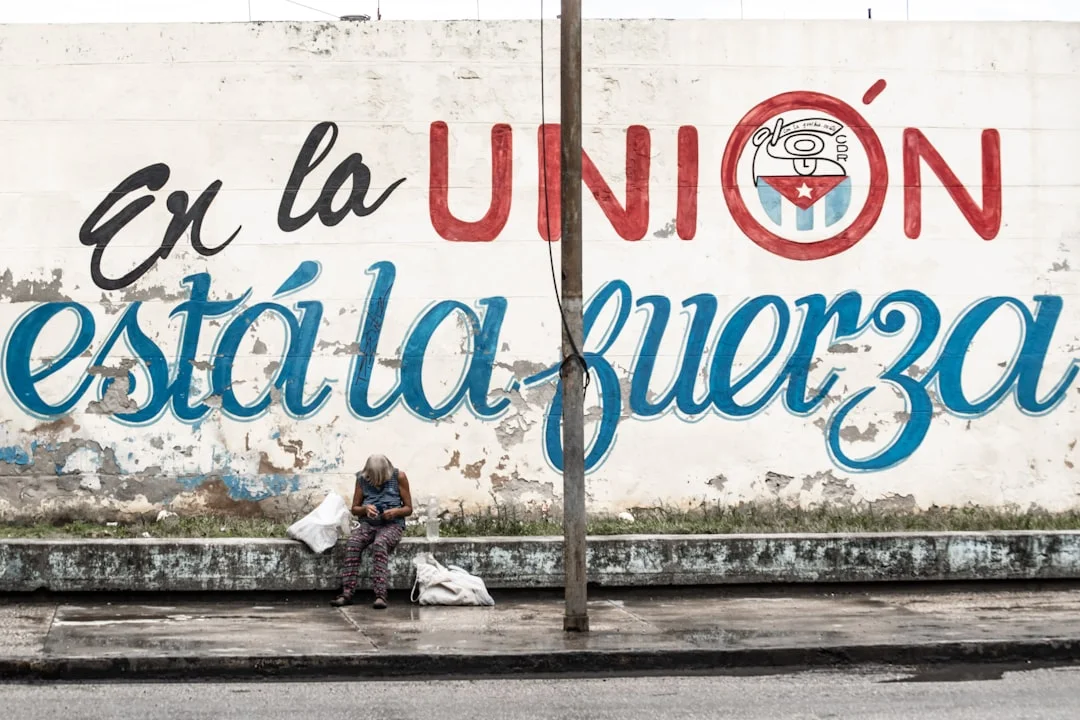
Photo by Carlos Torres on Unsplash
Arte urbano latino e impacto en turismo y identidad cultural sits at the intersection of cultural expression and community identity. In Latin America and among Latino urban communities in the United States, murals and graffiti have long served as vehicles for storytelling, memory, and resistance, but their public-facing role is now increasingly framed within tourism and economic development discourse. The UNESCO regional trends report underscores that Latin American cultural identity is diverse and constantly evolving, with urban art contributing to a sense of belonging and shared heritage. This shift from purely aesthetic value to identity-building and economic potential matters because it changes how communities invest in public spaces and how visitors engage with those spaces. (unesco.org)
Buenos Aires offers a concrete national example of identity-anchored urban art: murals are framed not only as art but as expressions of neighborhood character and history that resonate with residents and visitors alike. The city’s urban art initiatives are presented as culturally meaningful experiences that illuminate local narratives, contributing to a city-wide sense of identity while expanding the tourism portfolio. This dual function—identity reinforcement for locals and cultural discovery for outsiders—illustrates how Arte urbano latino can anchor both social cohesion and visitor engagement. (turismo.buenosaires.gob.ar)
In the U.S. context, Philadelphia’s Mural Arts Program demonstrates how a public art initiative can evolve into a major tourism asset while maintaining a strong social mission. The program’s history—from graffiti remediation to large-scale mural networks—shows that art can function as a restorative and inclusive strategy that strengthens community pride and drives local economic activity through tourism and related experiences. This example highlights the potential for Latino urban art ecosystems to contribute to city branding and to the sustainable development of neighborhoods that have long been underrepresented in tourism narratives. (muralarts.org)
Economic Impact on Local Businesses and Tourism
Urban art projects, when scaled and integrated with tourism infrastructure, create knock-on effects for local businesses—restaurants, galleries, tour operators, and street-level entrepreneurs. The Natal study positions grafite as part of a broader cultural economy, suggesting that urban art can attract visitors who are seeking authentic experiences and local authenticity. While the specifics vary by city, the underlying pattern is that art-centered districts can attract walkable tourism economies, encouraging longer stays and greater spend in adjacent sectors. This dynamic aligns with tourism literature that frames creative tourism as a channel for distributing tourist spending across urban districts rather than concentrating footfall in a few iconic sites. (periodicos.ufal.br)
In Buenos Aires, the tourism authority’s emphasis on guided urban art experiences indicates that city planners see murals as not just pictures on walls but as a structured product that can be bundled with food, markets, and cultural programming. The explicit promotion of urban art experiences as part of the city’s cultural tourism strategy signals a recognition that local art can drive incremental visitation and economic activity while reinforcing neighborhood identities. (buenosaires.gob.ar)
Policy and Planning Implications
The convergence of urban art and tourism raises important planning questions. If urban art is to be scaled responsibly, cities must balance preservation of community identity with the pressures of tourism development and gentrification. UNESCO’s regional analysis emphasizes that culture should be integrated into broader development strategies while protecting cultural rights and diversity. Policymakers are increasingly considering how to finance, nurture, and regulate mural programs in ways that support artists, protect neighborhood character, and ensure equitable benefits for residents. (unesco.org)
Lisbon’s experience with urban art touristification offers a cautionary but informative parallel. The research highlights that the process involves multiple actors and that the narrative around urban art—its meaning, its "story" for visitors, and its social impacts—must be managed collaboratively. The Lisbon case demonstrates that a thriving urban art tourism scene depends on institutional backing, local entrepreneurship, and a shared, credible narrative among stakeholders to avoid simply commodifying art without preserving social value. While different in scale and geography, the Lisbon findings are relevant to Latin American cities and Latino districts in the United States that seek to scale art-driven tourism with integrity. (journals.sagepub.com)
Section 3: What’s Next
Upcoming Initiatives and Funding
Looking ahead, the momentum around Arte urbano latino e impacto en turismo y identidad cultural is likely to be reinforced by continued public investment in urban art programs and by policy frameworks that recognize culture as a driver of inclusive urban development. UNESCO’s regional emphasis on integrating culture with sustainable development points to ongoing opportunities for funding, partnerships, and capacity-building that can help Latin American cities and Latino urban neighborhoods capitalize on art-led tourism while safeguarding authenticity and social value. Cities may expand guided art tours, artist residencies, and community-centered mural programs that emphasize local stories and skills transfer. (unesco.org)
From a market perspective, municipal agencies and cultural organizations could pursue partnerships with universities, arts nonprofits, and private sponsors to extend the reach of mural initiatives. The Natal study, while focused on a single city, suggests that partnerships between municipal authorities and artists are central to creating cohesive cultural routes. As more Latin American cities and Latino neighborhoods in the U.S. formalize art-tourism products, the industry may see a shift toward standardized routes, certification programs for guides, and enhanced digital storytelling that connects murals with history, music, and cuisine. (periodicos.ufal.br)
Watchpoints for Urban Artists and Planners
As the field evolves, several watchpoints deserve attention. First, authenticity remains central: residents and artists must be engaged in co-creating public art that reflects place-based narratives rather than simply serving tourists. Buenos Aires and Philadelphia provide instructive examples of how ongoing community involvement sustains legitimacy and value. Local stakeholders should monitor how tourism demand affects housing costs, rents, and neighborhood culture to prevent displacement and commodification from eroding the very identities the art seeks to celebrate. (turismo.buenosaires.gob.ar)
Second, governance and standards will matter. Cities will need transparent processes for approving murals, maintaining public spaces, and ensuring safety for visitors and artists. The Lisbon literature emphasizes the importance of multi-actor coordination and narrative coherence—lessons that are transferable to Latin American contexts where urban art intersects with complex urbanism and socio-economic diversity. (journals.sagepub.com)
Third, data-driven evaluation will play a larger role. With tourism revenue, visitor numbers, and neighborhood vitality on the line, agencies will seek robust metrics to assess the social, cultural, and economic outcomes of mural programs. The Philadelphia and Natal cases demonstrate early attempts at evaluation, but broader, standardized measurement will help policymakers and funders determine which programs maximize community well-being while delivering visitor value. (muralarts.org)
What to watch for in the near term includes expanded international collaborations around urban art, new cultural districts linked to mural programs, and the emergence of digital tools that enhance urban art storytelling. The UNESCO regional framework and related scholarly work point to a future in which urban art is recognized not only as a cultural expression but as a strategic element of urban competitiveness and social resilience. This confluence of culture and tourism could redefine how travelers experience cities and how communities preserve and express their identities through public art. (unesco.org)
Closing
As Arte urbano latino e impacto en turismo y identidad cultural continues to unfold, readers should expect a landscape where murals and public art districts function as living museums of local life—where visitors encounter neighborhood histories through color, texture, and shared memory. For travelers seeking authentic cultural experiences, urban murals offer a route into the heart of cities and districts often overlooked by traditional tourism maps. For communities, the art becomes a platform for storytelling, empowerment, and economic opportunity when guided by inclusive planning and transparent governance. In short, the urban walls are speaking—and they are increasingly shaping how people travel and how communities define themselves.
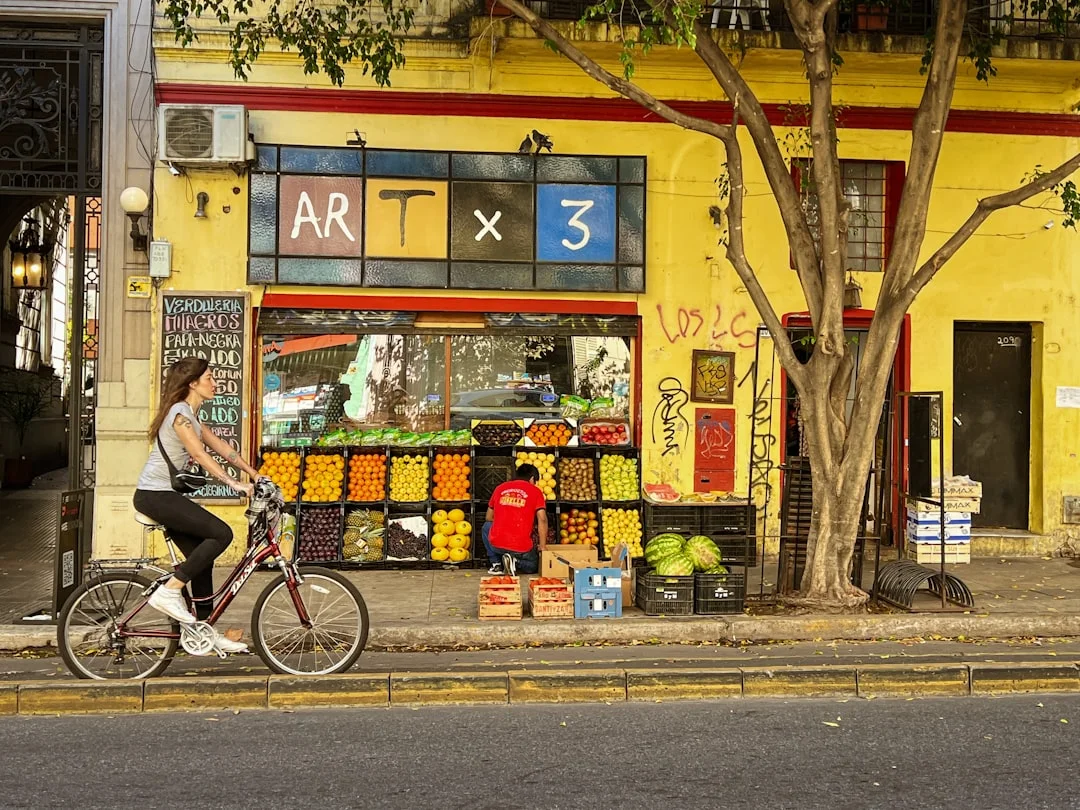
Photo by Kyle Hinkson on Unsplash
To stay updated on this evolving topic, follow coverage of urban art, cultural tourism, and regional policies from trusted outlets and official cultural agencies. As the field grows, expect more city-level data releases, new mural programs, and case studies from Latin America and Latino urban spaces in the United States that illuminate both opportunities and challenges in Arte urbano latino e impacto en turismo y identidad cultural.
References and sources (selected):
- UNESCO Regional Trends for Latin America and the Caribbean: identity, heritage, and the role of culture in sustainable development and tourism. (unesco.org)
- Urban art touristification: The case of Lisbon, including the notion of tourist services and the multi-actor dynamic behind urban art tourism. (journals.sagepub.com)
- Grafite e turismo urbano: arte e paisagem cultural em espaços turísticos de Natal, 2026, a contemporary Latin American case study on urban graffiti and tourism. (periodicos.ufal.br)
- Arte urbano en Buenos Aires: Tours, grafitis, y murales como atractivos turísticos y expresión cultural. (turismo.buenosaires.gob.ar)
- Philadelphia Mural Arts Program: origins, growth, and its impact on tourism and community engagement. (muralarts.org)