Turismo De Bienestar Hispano En Estados Unidos 2026
Neutral, data-driven update on Turismo de bienestar hispano en Estados Unidos 2026: trends, market size, and key players.

Sobre el autor
**Marisol Delgado** es periodista de cultura y estilo de vida en *EE.UU. Hoy*, explorando la rica diversidad de la experiencia latina en Estados Unidos. Sus crónicas celebran las tradiciones, el arte y las voces que enriquecen la vida americana.
The conversation around Turismo de bienestar hispano en Estados Unidos 2026 is moving from a niche market discussion to a mainstream, data-driven policy and industry dialogue. In early January 2026, Brand USA and its partners kicked off a targeted drive into Hispanic travel markets with a multi-city sales mission, signaling a deliberate shift in strategy to connect culturally resonant wellness experiences with Hispanic families and communities across the United States. The announcement, documented in regional coverage and confirmed by Brand USA-sponsored briefings, highlighted formal sessions held January 12–16, 2026 in Monterrey, Guadalajara, and Mexico City, aimed at deepening collaboration between U.S. destinations and Mexican tour operators, travel agencies, and media partners. This initiative is central to the broader push to grow wellness-focused travel within the Hispanic travel segment, and it comes as part of a larger, global wellness tourism conversation that looks at how data-driven programs can unlock new growth routes for destinations and travel companies. (eeuuhoy.com)
Early 2025–2026 market data reinforce the significance of this moment. The United States wellness tourism market is projected to reach $697.8 billion by 2035, growing at a compound annual growth rate (CAGR) of 7.7% from 2026 to 2035, with 2025 revenue already reported at about $334.7 billion and lodging and wellness activities as the largest and fastest-growing segments, respectively. These figures, from Grand View Research’s U.S. wellness tourism outlook, underscore the scale and momentum behind wellness-focused travel, including activities, accommodations, and experiences that appeal to Hispanic travelers seeking family-friendly, culturally aligned, and health-oriented itineraries. The data also show the U.S. market accounting for a substantial share of the global wellness tourism economy, reinforcing why destination marketers and operators are prioritizing Hispanic outreach within wellness travel. (grandviewresearch.com)
Mexican inbound travel remains a cornerstone of the Hispanic travel footprint into the United States. In the first ten months of 2025, visitation from Mexico to the United States rose 9.5% year over year, nearing 15 million visitors, with an estimated total of 18.5 million Mexican travelers visiting the United States in 2025. The scale of this corridor—bolstered by flight capacity and cross-border demand—helps explain why 2026 strategies emphasize cross-border trade partnerships, coordinated marketing, and product development that reflect Mexican travelers’ preferences for family-oriented experiences and accessible wellness options close to home. The 2026 push includes a robust focus on increasing air capacity, particularly for routes connecting Texas and California hubs to Mexican origin markets. (eeuuhoy.com)
Beyond the numbers, a broader behavioral shift is visible in how Hispanic travelers approach wellness and travel. Market observers point to a rising emphasis on authentic cultural experiences, flexible lodging that supports multigenerational stays, and the growing use of digital platforms for planning and booking. Airbnb's 2024–2025 data, cited in coverage of Hispanic travel trends, shows a notable preference among Latino/hispanic travelers for accommodations that support family gatherings and community-based stays, with a projected higher travel frequency and a sizable $165 billion in economic impact associated with 2025 activity. This data point underscores the importance of culturally aware, gateway-friendly wellness experiences—ranging from family-centric retreats to health-focused getaways—that align with Hispanic household dynamics. (eeuuhoy.com)
Amid these shifts, major global wellness trend trackers emphasize how 2026 is shaping a more nuanced, credible wellness travel ecosystem. The Global Wellness Institute’s 2026 Wellness Tourism Initiative Trends highlight developments such as cocooning wellness as travelers seek nearer-to-home resets, destination-scale wellness that aligns with city-wide and regional planning, and the increasing role of technology, diagnostics, and personalized programming in shaping guest experiences. These trends illuminate why the 2026 horizon for Turismo de bienestar hispano en Estados Unidos 2026 matters: they point to opportunities for destinations that can combine cultural authenticity, family-friendly wellness itineraries, and scalable wellness infrastructure. (globalwellnessinstitute.org)
In addition to trend analyses, industry surveys signal a rapid shift in how Americans allocate wellness spending and how they prioritize retreats within the broader wellness economy. A 2026 BookRetreats State of Retreats report finds that 64% of U.S. travelers already have a retreat planned for the year, with retreats poised to surpass spas, supplements, and gym memberships as the top wellness spend in 2026. The report also notes that Americans view retreats as meaningful vehicles for mental health, burnout recovery, and family connection, signaling that Hispanic wellness travel marketers should integrate emotional wellbeing, family-friendly programming, and culturally resonant activities into retreat concepts. This growth is paired with a massive volume of wellness travel, with the market projecting around 207.5 million wellness trips annually in the United States. (bookretreats.com)
Section 1: What Happened
Trade Mission and Partnerships
Brand USA’s 2026 Sales Mission occurred across three major Mexican hubs—Monterrey, Guadalajara, and Mexico City—from January 12 to January 16, 2026. The initiative brought together 28 U.S. organizations, including state tourism authorities and city-level promotors, with Mexican tour operators and travel agencies, forming a collaborative platform designed to expand the supply of experiences aligned with Turismo de bienestar hispano en Estados Unidos 2026. The mission also featured dedicated training sessions, and more than 300 travel agents were trained in three cities as part of a broader capacity-building effort to sustain growth in Hispanic travel to the United States. These outcomes reflect a strategic shift toward language- and culture-focused trade engagement, aligning U.S. destination offerings with Hispanic travel preferences and family-centric wellness itineraries. (eeuuhoy.com)
Market Signals and Passenger Capacity
Another facet of the announcement centered on the macro-market signals that inform investment in Hispanic wellness travel. As noted in Brand USA’s coverage, Mexico has emerged as the leading inbound market to the United States, with early-year data highlighting strong demand that is expected to persist through 2029. The 2025 data show a cross-border travel system operating at scale, with Mexico accounting for up to 25.3 million seats on U.S.–Mexico routes in 2025 and nearly 18.5 million Mexican visitors to the United States during 2025, underscoring the cross-border travel dynamic that makes the Hispanic segment central to U.S. tourism plans. These metrics help explain why the 2026 agenda emphasizes bilateral collaboration, shared promotions, and multi-regional itineraries that connect U.S. border cities with culturally resonant Mexican and Latin American experiences. (eeuuhoy.com)
Major Events Shaping 2026
The 2026 event landscape is also cited as a major catalyst for turismo y bienestar en Estados Unidos within the hispanic market. The FIFA World Cup 2026, hosted across 11 U.S. cities, along with America250’s national celebration and the centennial of Route 66, are positioned as “catalysts” for international travel and cross-cultural itineraries that weave together sports, music, food, and family-friendly experiences. Destination marketers see these events as opportunities to craft thematically rich, cross-border wellness-hospitality packages that appeal to Hispanic travelers seeking immersive, memory-making journeys rather than routine getaways. The promotional framework positions the United States as an active stage for multicultural wellness experiences during 2026, with Brand USA and trade partners coordinating campaigns to leverage these high-profile moments. (eeuuhoy.com)
Digital Platforms and Traveler Preferences
The 2026 push also recognizes the centrality of technology and digital planning in Hispanic travel. Data and industry commentary point to a growing reliance on platforms like Airbnb and other digital booking tools as indispensable components of the traveler’s toolkit for the Hispanic community in the United States. In 2025–2026, more travelers are seeking accommodations that enable multi-generational stays and culturally aligned experiences, with digital platforms serving as the primary channels for discovery, booking, and reviews. This reality underscores the importance of technology-enabled, flexible product offerings—retreats and wellness experiences designed for family participation and cultural resonance—that can be scaled across markets. (eeuuhoy.com)
Section 2: Why It Matters
Economic Impact and Spending Patterns

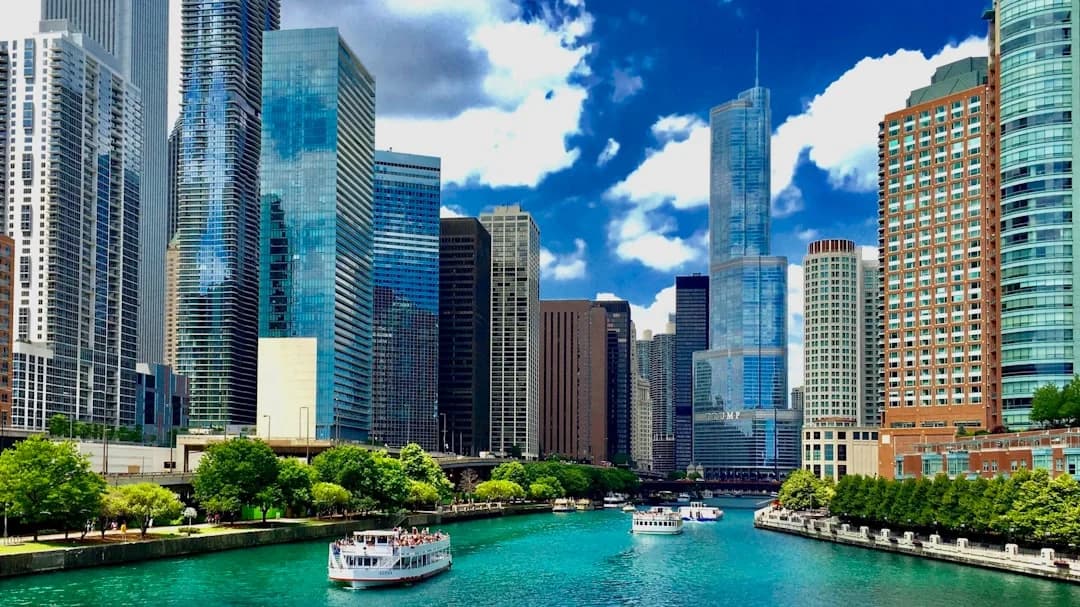
Photo by David Vives on Unsplash
The economic significance of Turismo de bienestar hispano en Estados Unidos 2026 is multifaceted. Airbnb's market data for 2024–2025 indicates that Hispanic travelers are more likely to choose accommodations that facilitate family gatherings and extended stays, which in turn drives higher per-trip spending and a meaningful contribution to 2025 tourism dollars—an estimated $165 billion in the broader U.S. economy attributable to travel by Hispanic households. When combined with the broader wellness economy, where the United States already ranks as one of the largest wellness markets globally (with Americans spending thousands on wellness annually across categories such as retreats, spa services, fitness memberships, and mental health services), the symbol of 2026’s Hispanic wellness travel strategy becomes clear: large-scale investment in culturally relevant wellness experiences has the potential to unlock significant economic value for destinations, operators, and local communities that host Hispanic travelers. (eeuuhoy.com)
Moreover, the 2025–2035 outlook for U.S. wellness tourism, including the $334.7 billion revenue figure for 2025 and the $697.8 billion forecast for 2035, signals sustained demand for lodging, wellness activities, and related services. For policymakers and industry leaders, this translates into a clear mandate: align wellness investments with demographic realities and travel preferences of Hispanic communities, while ensuring accessible, inclusive experiences that resonate with diverse backgrounds within the broader Hispanic/Latino population. The market's scale and growth trajectory also imply opportunities for job creation, regional diversification of tourism, and the distribution of economic benefits to communities with strong Hispanic populations in cities like Los Angeles, Miami, San Antonio, and New York, among others. (grandviewresearch.com)
Demographics, Culture, and Destination Reach
Demographic data reinforce why Hispanic wellness travel is a strategic priority for United States destinations. The Hispanic population accounts for roughly one-fifth of the U.S. population, a fact that translates into substantial demand potential for culturally specific wellness experiences, family-oriented retreats, and community-based tourism offerings. The convergence of demographic weight with strong cross-border travel ties—especially with Mexico, one of the leading feeder markets into U.S. destinations—creates a unique opportunity for destinations to co-create experiences that resonate with family structures, cultural festivities, and shared health and wellness goals. The combination of large, evolving demand and cultural alignment is driving public-private partnerships and promotional campaigns designed to strengthen the U.S. destination image as inclusive, accessible, and capable of delivering high-quality, culturally meaningful wellness experiences. (eeuuhoy.com)
In addition, observers emphasize the crucial role platforms and partnerships will play in sustaining growth. The 64% of U.S. travelers planning a retreat in 2026, the growing share of retreat spending relative to other wellness categories, and the geographic distribution of retreat centers suggest that a well-coordinated ecosystem—spanning destination marketing organizations, travel agents, tour operators, and platform partners—will be essential to converting interest into bookings, particularly for Hispanic travelers who may prefer Spanish-language resources, culturally resonant programming, and family-friendly formats. The data also highlight the potential for cross-border, multi-region itineraries that connect U.S. destinations with Mexican cultural experiences, offering a more holistic wellness journey that spans two countries while meeting diverse traveler needs. (bookretreats.com)
Infrastructure, Technology, and Partnerships
The modernization of wellness travel infrastructure is a recurring theme in 2026 market narratives. Destination strategies increasingly view wellness as an endemic feature of place-making, not just a hotel amenity. Well-planned, walkable environments, outdoor recreation opportunities, thermal cultures, and year-round wellness programming are becoming standard elements of destination strategy, which is particularly relevant for communities with dense Hispanic populations or close ties to Latin American culture. In this context, technology-enabled experiences—ranging from AI-driven itinerary design to data-informed programming and guest profiling—are poised to reduce decision fatigue for travelers and to deliver more personalized wellness journeys that still feel rooted in community and culture. This alignment of place-based wellness with digital enablement is a core reason why analysts expect 2026 to be a year of both growth and deeper customer satisfaction for Turismo de bienestar hispano en Estados Unidos 2026. (globalwellnessinstitute.org)
Section 3: What’s Next
Upcoming Milestones and Campaigns
Looking ahead, the immediate milestones will center on leveraging the FIFA World Cup 2026 and associated events to catalyze cross-border travel and to spotlight Hispanic wellness experiences across U.S. destinations. With 11 host cities, the World Cup is expected to drive elevated hotel occupancy, museum and cultural site visitation, and the development of themed itineraries that weave sports, culture, and wellness. Destination marketers anticipate increased demand for short- to mid-length wellness stays that align with family-friendly programming and Hispanic cultural celebrations, enabling operators to craft bundles that pair lodging with wellness experiences, cultural activities, and culinary offerings. The Brand USA-led promotion strategy, including ongoing trade missions and bilateral promotion with key markets, will likely expand to include a broader slate of partners, including digital platforms and local cultural institutions. (eeuuhoy.com)
Monitoring Signals and MarketWatch
In the near term, industry observers will watch several indicators to gauge the vitality of Turismo de bienestar hispano en Estados Unidos 2026. First, tourism demand signals from cross-border traffic, particularly the Mexico-to-U.S. corridor, will be essential in assessing the vibrancy of Hispanic travel channels. The NTTO (National Travel and Tourism Office) and Brand USA’s ongoing market intelligence will be critical to tracking changes in travel intentions, average spend per trip, and the share of trips allocated to wellness-focused experiences. Second, retreat-centric spending patterns—especially the share of consumers prioritizing retreats over other wellness options—will help determine which product formats are most effective in engaging Hispanic travelers. Third, digital platform data—booking lead times, preferred accommodations, and family-friendly retreat formats—will inform how destinations structure promotions, packaging, and partnerships in 2026 and beyond. (bookretreats.com)
Closing
In sum, Turismo de bienestar hispano en Estados Unidos 2026 is taking shape as a data-driven, partnership-enabled growth opportunity that sits at the intersection of demographics, cross-border travel, and wellness demand. The January 2026 sales mission and the broader trend data indicate that Hispanic travelers are seeking authentic, culturally resonant wellness experiences delivered through well-planned, accessible formats that accommodate multi-generational families. The scale of the U.S. wellness tourism market, the clear inbound strength from Mexico, and the ongoing evolution of travel technology together create a compelling case for destinations to invest in inclusive, community-centered wellness product development. As Brand USA and industry partners continue to publish timely data and roll out collaborative campaigns, those who align their offerings with the preferences and needs of Hispanic travelers will be best positioned to capture a meaningful share of the 2026 wellness travel wave and beyond.

Photo by Jorge Martínez, instagram @jormtz9 on Unsplash
To stay updated on Turismo de bienestar hispano en Estados Unidos 2026, observers should monitor Brand USA’s announced promotions, cross-border trade activities, and ongoing market intelligence from NI/NTTO dashboards and major platform partners, as well as follow the latest wellness tourism trend reports that illuminate how health, culture, and travel converge for Hispanic communities in the United States. The path forward requires data-informed decision-making, culturally intelligent marketing, and a commitment to delivering wellness experiences that honor family, tradition, and shared well-being in a diverse American market. (eeuuhoy.com)