Seguridad Alimentaria Y Resiliencia Comunitaria Hispana 2026

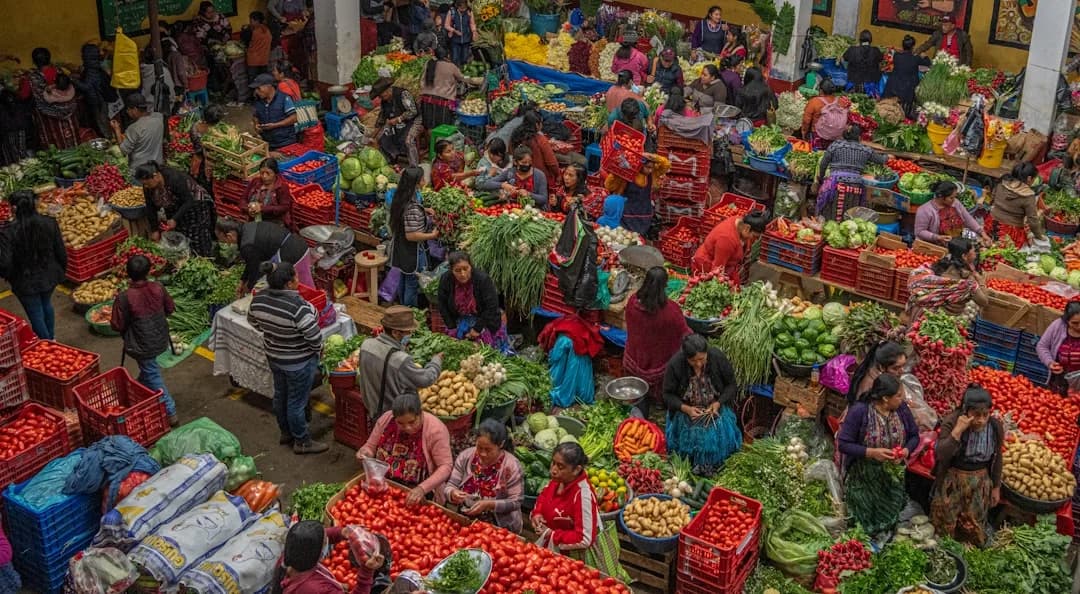
Photo by mana5280 on Unsplash
The United States is witnessing a data-driven reckoning with hunger and resilience in Hispanic communities, as federal agencies and nonprofit networks roll out technology-enabled efforts in 2026. In a year marked by persistent inflation, evolving social policy, and rapid digital adoption, the latest indicators point to a complex landscape for seguridad alimentaria y resiliencia comunitaria hispana en EE. UU. 2026. Early 2026 data show that food insecurity remains disproportionately high among Hispanic households, even as new online shopping options for SNAP benefits expand access and help connect families with groceries more conveniently. This is a moment of both challenge and opportunity for communities, policymakers, and the networks that feed them. (ers.usda.gov)
Public health researchers, economists, and food security advocates are watching closely how technology-enabled delivery, data transparency, and targeted assistance intersect with traditional food assistance programs. The expansion of online SNAP purchasing across all states by 2026, accompanied by ongoing research into how these tools affect Hispanic communities, signals a shift in how households navigate hunger and financial strain. The new landscape is not just about dollars and coupons; it is about digital access, language-appropriate outreach, and the capacity of food banks to move surplus inventory quickly to people who need it. For Hispanic families already navigating higher rates of food insecurity, these shifts could alter both the speed and the breadth of support they receive. (fns.usda.gov)
Section 1: What Happened
SNAP online purchasing goes nationwide
Across the United States, the federal government’s SNAP online purchasing program transitioned from a broad pilot into a nationwide capability by early 2026. The U.S. Department of Agriculture’s Food and Nutrition Service (FNS) confirms that SNAP online is available in all 50 states and the District of Columbia, with just two U.S. territories (Guam and the Virgin Islands) not yet implementing online purchasing as of February 2026. This development builds on a pilot that began in 2019 and expanded across dozens of retailers in subsequent years, culminating in a nationwide framework that supports online ordering, delivery, and pickup for SNAP recipients. The online option is especially relevant for urban and rural Hispanic households that face time constraints or transportation barriers, enabling access to a broader set of groceries through participating retailers and delivery partners. (fns.usda.gov)
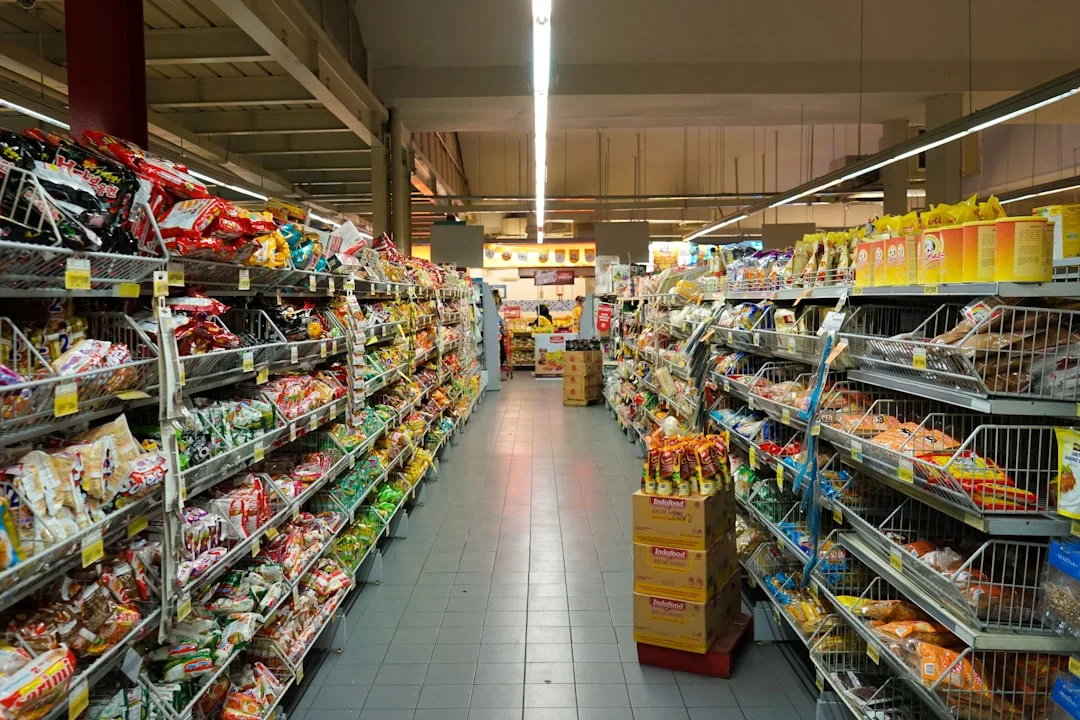
The evolution of SNAP Online Purchasing
- The SNAP Online Purchasing Pilot started in 2019 and gradually added retailers and states, expanding from eight retailers in eight states to hundreds nationwide. This evolution laid the groundwork for today’s nationwide online purchasing capabilities. Retailers have been required to meet online purchasing standards and to engage with state SNAP offices to ensure compliance and secure transactions. (fns-prod.azureedge.us)
- In 2026, bipartisan momentum grew to make SNAP Online Purchasing a permanent feature rather than a time-limited pilot. Industry groups and food retailer associations publicly supported the move, emphasizing that online access can reduce friction for travelers, caregivers, and multilingual communities who rely on digital channels to shop for groceries. The FMI (Food Industry Association) noted continued expansion and the importance of a stable policy framework for retailers and customers alike. (fmi.org)
Legislative and policy context in 2026
- In February 2026, industry and advocacy voices highlighted a push to enshrine SNAP Online Purchasing as a permanent program, signaling a shift in how policymakers view online access within federal nutrition assistance. This development aligns with ongoing administrative updates around SNAP benefits and eligibility in the 2026 budget and regulatory cycles. (theshelbyreport.com)
- The federal framework for SNAP in 2026 also includes annual adjustments to benefit amounts and eligibility standards, which can influence how much families receive and what kinds of foods they can purchase. The USDA’s SNAP COLA and eligibility documents for FY 2026 provide the latest program parameters and illustrate the ongoing fiscal environment for hunger-relief programs. (fns.usda.gov)
What Feeding America and food-bank networks are doing with technology
- Feeding America continues to invest in digital tools to improve inventory management, distribution efficiency, and donor engagement. Notable developments include Meal Connect, a food rescue platform that connects surplus food with hunger-relief providers. In spring 2026, Feeding America highlighted how digital platforms support rapid food rescues and distribution, helping food banks move donations to neighborhoods with the greatest need. (feedingamerica.org)

- The 2025 and 2026 Feeding America impact reports emphasize the continuing role of technology in scaling hunger relief, from supply forecasting to digital communications with donors and partners. These reports underscore how digital strategies can help food banks operate more like data-driven networks, reducing waste while increasing reach. (feedingamerica.org)
What the data say about hunger trends in 2025–2026
- The Urban Institute’s 2025 analysis shows that food insecurity remained disproportionately high among Black and Hispanic adults in 2025, with Hispanic adults experiencing notably elevated rates of insecurity compared with non-Hispanic white adults. The report notes that the gap persisted across the 2021–2025 period, with Hispanic working-age adults experiencing markedly elevated insecurity—reflecting structural factors such as labor market conditions, wage growth, and household composition. (urban.org)
- The U.S. Department of Agriculture’s Economic Research Service (ERS) maintains interactive charts and highlights on U.S. food security, updated in February 2026, that show ongoing patterns in 2024 data and related trends. The data reinforce that even as inflation abates, a significant share of households remains food insecure, and the severity of insecurity has varied by household characteristics, including presence of children and race/ethnicity. For analysts and policymakers, these visuals provide a baseline for understanding how technology-driven programs might shift outcomes over time. (ers.usda.gov)
- In parallel, Purdue University’s CFDAS has documented that basic indicators of food insecurity rose in 2025, underscoring the continued vulnerability of many American households. The data emphasize that even with policy tools, the hunger landscape remains dynamic and sensitive to macroeconomic forces such as inflation, energy costs, and housing expenses. (ag.purdue.edu)
Why it matters for hispanic communities and beyond
- Hispanics continue to face a higher risk of food insecurity relative to the national average, with multiple studies showing elevated rates of insecurity and more frequent experiences of very low food security for Hispanic households. This reality makes the expansion of SNAP online purchasing and related digital tools particularly consequential for Hispanic families who may face barriers to in-person shopping, transportation, and language access. The Office of Minority Health’s overview of food insecurity among Hispanics/Latinos provides a long-running context for these disparities, noting how risk factors intersect with access barriers and social determinants of health. (minorityhealth.hhs.gov)
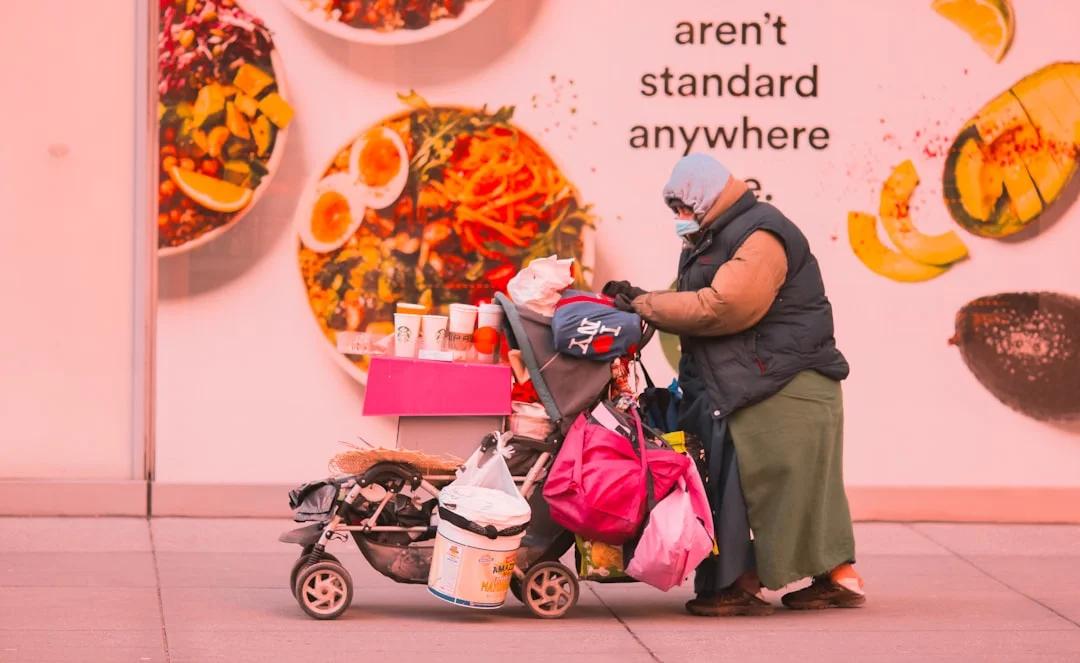
- The food-security landscape is also shaped by household economics. Recent analyses indicate a large share of Hispanic households live near or below the poverty line, with many families reporting that rising costs of housing, energy, and groceries strain their budgets. Journalistic and policy analyses link these macroeconomic pressures to higher rates of food insecurity in Hispanic communities, particularly for households with children who often rely on multiple assistance streams to stabilize meals. While some outlets report median income shifts, the best-supported trend remains that insecurity persists at higher rates in Hispanic populations, even as measures like SNAP online purchasing broaden access. (eldiariony.com)
The technology angle: digital access, data, and outreach
- The online SNAP expansion is inherently about technology-enabled access, but the full value comes from language- and culturally appropriate outreach that helps Hispanic households enroll, use benefits, and navigate retailer platforms. Industry observers emphasize that a successful nationwide online SNAP program requires robust digital literacy support, bilingual customer service, and clear, accessible information about eligible items and delivery options. As policies stabilize in 2026, public-facing resources and community partners will play an essential role in translating digital access into real-world nutrition security. (fns.usda.gov)
- Digital platforms at the network level—such as Meal Connect and other food-rescue tools—are designed to reduce waste and improve efficiency, which can indirectly benefit Hispanic communities by increasing the volume and speed at which donated food reaches communities in need. Feeding America outlines how these platforms operate within its network of food banks and partner agencies, illustrating a broader digital ecosystem supporting seguridad alimentaria y resiliencia comunitaria hispana 2026 through more agile supply chains and better data-driven decision-making. (feedingamerica.org)
Section 2: Why It Matters
Disparate impacts on Hispanic communities
Hispanic households continue to bear a disproportionate burden of hunger in the United States, a reality that policymakers and advocates have highlighted for years. The latest research synthesizes multiple data streams—national surveys, state-level program data, and independent analyses—to show that, even as some households gain access to online benefits, structural barriers persist. The Urban Institute’s 2025 findings on food insecurity among Hispanic adults—paired with 2024–2025 ERS indicators—underscore a persistent gap that public programs must address to close. In practical terms, this means that new tools such as nationwide SNAP online purchasing may help, but they must be paired with targeted outreach, multilingual resources, and affordability-focused policy levers to move the needle. (urban.org)
Economic pressures and household resilience
- Inflation, housing costs, energy expenditures, and wage dynamics in 2025–2026 have continued to erode household budgets, with many Hispanic families reporting cuts to food spending or trade-offs in other essential areas to maintain meals. Local and national media reports, alongside academic analyses, have described the phenomenon of households redistributing resources to sustain basic nutrition, while also leveraging food-assistance programs more strategically through digital channels. The context of rising living costs and the breadth of impact across occupations—particularly in service sectors where Hispanic workers are concentrated—helps explain why seguridad alimentaria y resiliencia comunitaria hispana 2026 remains a high-priority policy and community concern. (infobae.com)
- Policy design that accounts for the intersection of income and access is critical. The SNAP program’s annual COLA adjustments, eligibility thresholds, and the ongoing expansion of online purchasing are pieces of a broader social safety net. Analysts emphasize that the effectiveness of these pieces depends on timely implementation, clear consumer information, and guardrails that prevent gaps in coverage as households move through different life stages and employment scenarios. The USDA’s 2026 guidance on COLA and other eligibility details illustrates the ongoing evolution of the program, which will shape how the Hispanic community navigates food security in 2026 and beyond. (fns.usda.gov)
The broader market and nonprofit landscape
- The hunger-relief ecosystem in 2026 encompasses billions in annual programs, a nationwide network of more than 200 Feeding America member food banks and partner agencies, and a growing suite of digital tools designed to optimize food rescue and distribution. Feeding America’s digital impact reports and the Meal Connect platform exemplify how technology is being leveraged to improve efficiency in the logistics chain—from donor engagement to real-time inventory coordination and last-mile distribution. For readers and stakeholders, the takeaway is clear: technology-enabled collaboration is expanding the capacity of the safety net, with Hispanic communities positioned as both beneficiaries and active participants in new distribution models. (feedam.org)
- Data transparency and public reporting are integral to trust and effectiveness. The ERS interactive charts, which were updated in early 2026, provide a public lens into the persistence of food insecurity and the changing dynamics across demographics. Journalists, policymakers, and community organizers rely on these data visualizations to track progress, stress-test interventions, and communicate outcomes to diverse audiences, including Spanish-speaking readers who are evaluating the impact of national policy changes on their communities. (ers.usda.gov)
What this means for the Hispanic community today
- For households navigating insecurity, the nationwide online SNAP purchasing platform opens the door to greater shopping flexibility, the possibility of shopping from home, and access to a broader retailer base. This is especially meaningful for families balancing work schedules, caretaking duties, and transportation constraints—common realities in many Hispanic communities. At the same time, the digital shift requires supportive measures such as bilingual guidance, user-friendly retailer interfaces, and community-based education so that families can maximize benefits without friction. The federal stance on online purchasing and the continued expansion of retailer participation are crucial enablers for seguridad alimentaria y resiliencia comunitaria hispana 2026. (fns.usda.gov)
Real-world case studies and regional variations
- Some states and urban centers have reported notable improvements in access and utilization when SNAP Online Purchasing is paired with culturally tailored outreach campaigns and community-based organizations that assist with enrollment and navigation. While national-level data are essential, local case studies illustrate how neighborhood food banks, bilingual social workers, and community organizations can bridge gaps by providing on-the-ground support for Hispanic families—especially those with limited digital literacy or unfamiliarity with online grocery shopping platforms. These patterns align with the broader research indicating persistent disparities in food security that require both policy-scale and community-scale remedies. (minorityhealth.hhs.gov)
Section 3: What’s Next
Near-term milestones and policy momentum
- The legislative and regulatory environment in 2026 points toward making SNAP Online Purchasing a permanent fixture in the federal nutrition safety net. A bipartisan push gained traction in February 2026, with industry groups and retailers signaling support for continued nationwide online access. If enacted, the permanent status would reduce policy friction for customers and retailers alike, enabling more predictable planning and continued investments in retailer integration, cybersecurity, and consumer education. Readers should watch for updates on the legislative front in the mid-2026 session and any related budget or appropriation decisions that touch SNAP’s online capabilities. (theshelbyreport.com)
- In parallel, the Map the Meal Gap and other Hunger Atlas resources from Feeding America are expected to publish updated data for 2026, with the organization noting that the 2026 release will cover 2024 data and will arrive in late July 2026. These annual assessments provide a state-by-state barometer of hunger, including metrics relevant to Hispanic communities, and help readers gauge the effectiveness of policy changes and distribution innovations over time. (feedingamerica.org)
What to watch for in technology and market trends
- The ongoing integration of technology across the hunger-relief landscape will continue to reshape how resources flow to Hispanic communities. Expect continued growth in digital inventory management, data-driven routing for food banks, and multilingual customer interfaces on SNAP retailers’ platforms. Feeding America’s focus on digital initiatives—such as Meal Connect—and the broader nonprofit sector’s adoption of cloud-based analytics will likely accelerate the speed and reach of food distribution, particularly in regions with high Hispanic populations. These tech-driven trends carry both efficiency gains and equity implications, underscoring the need for robust user education and inclusive design. (feedingamerica.org)
Next steps for readers and stakeholders
- Policymakers and advocates should prioritize accessible, multilingual outreach that helps Hispanic families enroll in SNAP online and use benefits effectively. This includes simplifying online enrollment processes, clarifying eligible items for online purchases, and expanding delivery or pickup options in communities with transportation barriers.
- Local governments and community-based organizations can play a pivotal role by partnering with food banks to run bilingual workshops, digital literacy training, and nutrition education that complements SNAP online purchasing. By aligning national policy developments with local implementation, stakeholders can maximize the impact of seguridad alimentaria y resiliencia comunitaria hispana en EE. UU. 2026.
Closing
As 2026 unfolds, the convergence of data, policy, and technology is shaping how the United States approaches hunger in Hispanic communities. The expansion of SNAP Online Purchasing across all states, paired with a mounting body of research on food insecurity—particularly among Hispanic households—provides a clearer, data-backed view of where progress is being made and where gaps persist. The coming months will test the extent to which online access translates into tangible improvements in daily meals, pantry stock, and long-term resilience for families balancing work, caregiving, and rising costs. Stakeholders across government, nonprofits, and the private sector will need to sustain a coordinated, multilingual effort to ensure seguros alimentarios y resiliencia comunitaria hispana in the United States continues to advance in 2026 and beyond.
In short, the story of seguridad alimentaria y resiliencia comunitaria hispana en EE. UU. 2026 is a story of opportunity tempered by challenge: opportunity to reach families faster through digital channels and better data; challenge to ensure this access translates into real, sustained improvements in nutrition and well-being for Hispanic communities across the United States. To stay updated on the latest developments, readers can monitor USDA FNS and ERS updates, Feeding America’s ongoing reports, and trusted policy analyses from urban research organizations and health agencies. (fns.usda.gov)