Salud comunitaria latina EE.UU.: Best Practices 2026

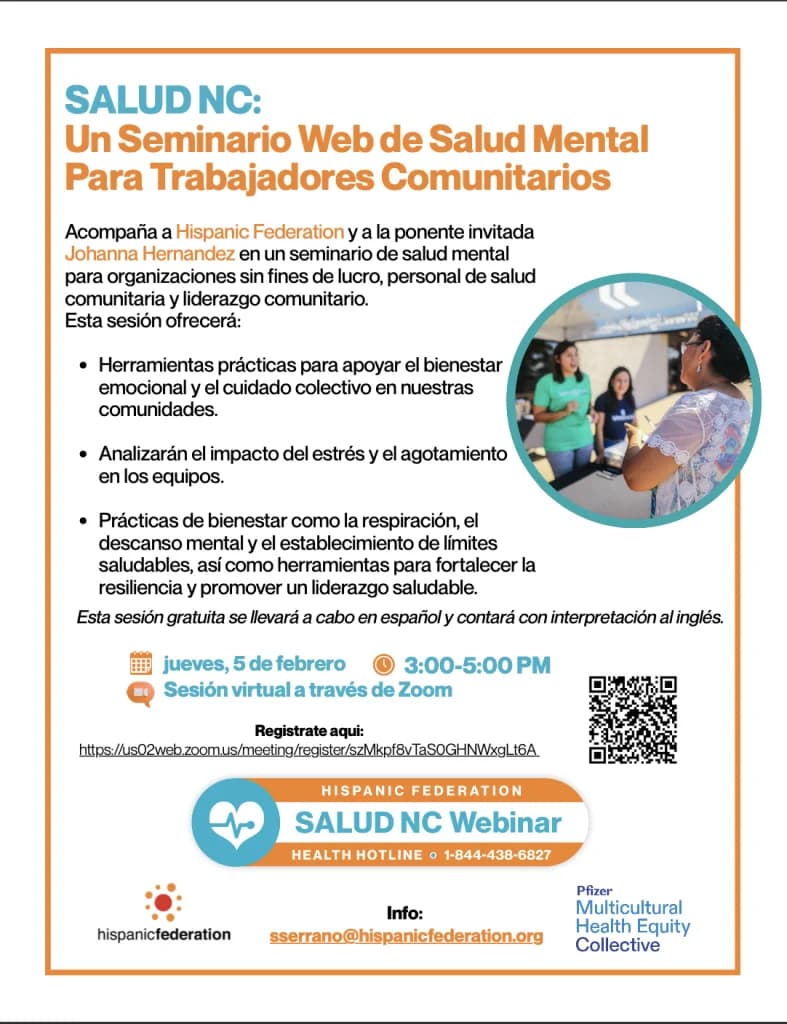
Public health in the United States can only reach its full potential when it meaningfully includes salud comunitaria latina EE.UU. The Latino population remains a foundational part of the U.S. health landscape, driving both challenges and opportunities in technology adoption, access to care, and population health outcomes. In 2024, the U.S. Census Bureau’s ACS estimated that Hispanics/Latinos number about 68 million people, comprising roughly 20% of the nation’s population. This demographic presence translates into substantial implications for health policy, program design, and care delivery. Access to affordable coverage, language-concordant resources, and culturally informed care are not optional add-ons; they’re essential levers for improving health outcomes for Latinos across the country. (minorityhealth.hhs.gov)
Health equity for Latinos is complex and uneven. While life expectancy for Hispanics/Latinos tends to be higher than some other groups, this advantage masks substantial disparities in access, affordability, and preventive care. In 2023, the Centers for Disease Control and Prevention highlighted ongoing health disparities that affect Hispanic/Latino populations, including higher risk for certain infectious diseases, chronic conditions, and barriers to timely preventive services. Crucially, many Latinos face financial and logistical obstacles to care, even when clinically indicated. For readers focused on technology-driven solutions and market trends, the headline takeaway is clear: digital health interventions must be designed with language, literacy, and affordability in mind to be effective for salud comunitaria latina EE.UU. (cdc.gov)
The U.S. health system also faces a financing and coverage puzzle for Latinos. Despite progress under the ACA, Commonwealth Fund analyses show that roughly 55% of Hispanic/Latino working-age adults are inadequately insured—either uninsured at some point in the year, or underinsured with deductibles and cost sharing that impede access to care. Costs frequently lead to forgone care, missed tests, or delayed treatment, harming health outcomes and widening disparities. These cost barriers intersect with language, digital access, and provider supply limitations, underscoring the need for practical, field-tested best practices that work in real-world settings. (commonwealthfund.org)
Advances in digital health and telehealth hold strong potential for salud comunitaria latina EE.UU., but only if programs are designed to meet Spanish-speakers where they are. A recent scoping review of digital health use among Spanish speakers in the U.S. found persistent barriers—including uneven access to reliable wireless networks, varying digital literacy levels, and gaps in linguistically appropriate interfaces. Facilitators—such as interpreters, caregiver involvement, culturally tailored materials, and text-based or app-based interventions—can significantly improve engagement and outcomes when implemented thoughtfully. This is especially relevant for telehealth adoption, where language preferences and digital capabilities help determine utilization and satisfaction. (jamanetwork.com)
Opening takeaway: as you plan for 2026 and beyond, embed data-driven practices that acknowledge the diverse realities within salud comunitaria latina EE.UU.—from uninsured rates and affordability to language, literacy, and technology access. The following best-practice framework is designed for practitioners and leaders who want concrete, actionable steps grounded in current evidence and real-world experience.
Foundational Principles
Tip 1: Build a data foundation that respects diversity within Latino communities
What to do: Collect and use disaggregated data by Latino origin, language preference, and geography to tailor programs and measure impact. Don’t treat “Latino” as a monolith.
Why it works: Latinos in the United States come from diverse origins (Mexican, Puerto Rican, Cuban, Central American, etc.), each with distinct health profiles and access needs. ACS 2024 data confirm large Latino populations and language diversity, which have implications for outreach, prevention, and care utilization. Using aggregated data obscures subgroup differences and can lead to misallocated resources. A nuanced data approach helps identify where interventions will be most effective and how to adapt messages and services. (minorityhealth.hhs.gov)
How to implement:
- Create subpopulation slices in your dashboards (e.g., Mexican vs. Caribbean vs. Central American) and map health indicators (insurance status, preventive service use, chronic disease prevalence) by region.
- Run quarterly analyses to detect shifts in access or outcomes at the local level (city, county, metro).
- Partner with local public health departments to align data definitions and ensure comparability.
Common pitfall: Relying on national aggregates without local validation. Disparities at the neighborhood level can be invisible in nationwide metrics.
Tip 2: Co-design with community stakeholders and frontline workers
What to do: Establish formal channels for community input, and embed bilingual community health workers (CHWs) in program design and delivery.
Why it works: Community engagement and trusted messengers are consistently associated with better outreach and care navigation outcomes. CHWs act as bridges between health systems and Latino communities, improving trust, understanding, and uptake of services. The UCLA LPPI and other community-focused research highlight barriers that persist for non-English speakers in accessing Medicaid and care in major cities, underscoring the need for authentic engagement and culturally aligned pathways. (latino.ucla.edu)
How to implement:
- Create a CHW advisory panel with representatives from local Latino organizations, faith communities, and clinics.
- Co-develop outreach materials, scripts, and workflows with CHWs; pilot test in one neighborhood before scaling.
- Build compensation and career pathways for CHWs to ensure sustainable engagement.
Common pitfall: Treating CHWs as mere contractors rather than integrated members of the care team; failure to fund their roles sustainably undermines trust and reach.
Tip 3: Prioritize data privacy, consent, and culturally appropriate ethics
What to do: Build privacy-by-design into every program, with transparent consent processes in Spanish and other languages as needed; ensure data use aligns with community norms and preferences.
Why it works: Privacy and consent matter disproportionately in Latino communities, where concerns about data sharing and potential repercussions may influence participation in programs or telehealth. Ethical data practices foster trust, which is essential for long-term engagement and outcomes. This aligns with broader public-health ethics and the ongoing emphasis on responsible data use in health initiatives. (cdc.gov)
How to implement:
- Provide bilingual consent forms and privacy notices that explain data collection, storage, and sharing in plain language.
- Create a data governance charter with community representation; publish a short, accessible privacy summary for participants.
- Use minimum-data principles; collect only what you need to evaluate impact and improve services.
Common pitfall: Over-collecting data or using sensitive information without clear consent or tangible benefits demonstrated to participants.
Tip 4: Design for language access and accessibility from the start
What to do: Build multilingual, culturally resonant interfaces and materials, and ensure accessibility for people with disabilities.
Why it works: Language-concordant materials and accessible design remove barriers to engagement and improve comprehension, adherence, and trust. Digital health tools that neglect non-English speakers or people with limited digital literacy can widen gaps rather than close them. A growing body of work shows that Spanish-speaking Latinos face particular challenges in digital health use, reinforcing the need for thoughtful design and supported access. (jamanetwork.com)
How to implement:
- Localize content into Spanish and other common languages, using professional translation and back-translation for accuracy.
- Incorporate accessible design: high-contrast visuals, screen-reader friendly navigation, and plain-language copy.
- Include interpreter support in telehealth sessions and ensure interpreter availability within patient portals and messaging systems.
Common pitfall: Relying on verbose translations or automated translations that fail to capture nuance, leading to miscommunication and disengagement.
Tactical Best Practices
Tip 5: Use multi-channel outreach with an offline-first, accessibility-first mindset
What to do: Combine SMS, voice calls, WhatsApp, in-person events, and printed materials to reach Latinos wherever they are, and ensure offline functionality for areas with limited connectivity.
Why it works: Latinos are increasingly digital, but disparities in broadband access persist. A multi-channel approach increases touchpoints and reduces dependence on any single channel. Studies show broad digital engagement, but barriers remain—especially for Spanish speakers and those with limited data plans. An offline-first strategy helps maintain continuity of communication in underserved areas. (axios.com)
How to implement:
- Map preferred channels by neighborhood and demographic profile; pilot a channel mix in one service area before scaling.
- Build templates for SMS and voice outreach in Spanish that are short, actionable, and culturally relevant.
- Develop printed, community event-based materials to reinforce digital messages.
Common pitfall: Chasing a single “silver bullet” channel; neglecting in-person and offline channels that many communities still rely on.
Tip 6: Tailor digital health tools for Spanish speakers with robust interpreter and localization support
What to do: Design patient portals, telehealth platforms, and messaging systems with language preferences baked in, including high-quality Spanish translations and interpreter integrations.
Why it works: Language preference strongly mediates telehealth use and patient experience. A multi-laceted approach—clear translations, interpreter integration in telehealth, and culturally adapted workflows—reduces barriers to adoption and improves satisfaction and outcomes. Recent research indicates digital health literacy mediates much of the gap between language groups, underscoring the need for accessible, inclusive solutions. (academic.oup.com)
How to implement:
- Prioritize bilingual user interfaces; verify translations with native speakers who understand medical terminology.
- Ensure interpreters are available for telehealth visits and that the system supports third-party interpreters without disrupting workflow.
- Test usability with Spanish-speaking users; incorporate feedback into iterative redesigns.
Common pitfall: Over-reliance on automated translation without human verification, which can produce confusing or incorrect medical information.
Tip 7: Partner with trusted community organizations and CHWs for outreach and care navigation
What to do: Formalize collaborations with community clinics, faith-based groups, and local non-profits; equip CHWs with training, stipends, and clear responsibilities.
Why it works: Community-based partnerships expand reach and trust, enabling more efficient navigation through complex health systems. U.S.-based research and policy analyses highlight barriers in Medicaid access and care navigation for non-English-speaking Latinos; robust partnerships help address these gaps by bridging language, cultural, and logistical barriers. (latino.ucla.edu)
How to implement:
- Establish MOUs with community partners; define joint KPIs and data-sharing boundaries.
- Create CHW training programs focusing on bilingual communication, health literacy, and navigation skills.
- Co-brand campaigns with partners to leverage established trust networks.
Common pitfall: Treating CHWs as temporary or volunteer labor instead of essential team members with fair compensation and ongoing professional development.
Tip 8: Invest in plain-language education and digital health literacy supports
What to do: Build targeted education programs to boost digital health literacy (dHL) and health-literacy-friendly materials.
Why it works: Digital health literacy mediates a substantial portion of the gap in telehealth use among Latinos with different language preferences. Providing education and easy-to-use resources directly addresses barriers to engagement and helps improve outcomes where technology is used as part of care. (academic.oup.com)
How to implement:
- Develop short, actionable training modules in Spanish focusing on how to use patient portals, book telehealth appointments, and read digital health content.
- Use visual aids, audio explanations, and step-by-step checklists to reinforce learning.
- Test materials with target users and revise; track improvements in digital-service usage and satisfaction.
Common pitfall: Assuming all users have similar digital skills; failing to tailor education to varied literacy levels and cognitive styles reduces effectiveness.
Tip 9: Build data-driven outreach and outcome dashboards with subgroup transparency
What to do: Create dashboards that track key metrics (access, utilization, adherence, and outcomes) by language preference, origin, and geography; publish simple, transparent reports for community partners.
Why it works: Visibility into how interventions perform across subgroups helps teams iterate faster and allocate resources where they’re most needed. It also supports accountability to communities and funders who expect measurable improvements in salud comunitaria latina EE.UU. outcomes. Data-driven tracking aligns with evidence-based public health and can reveal where market-driven solutions are working or falling short. (minorityhealth.hhs.gov)
How to implement:
- Define a core metric set (coverage, preventive services, telehealth visits, missed appointments, costs barriers) and disaggregate by subgroup monthly.
- Build a “community health score” that combines access, quality, and affordability indicators.
- Share high-level dashboards with community partners to foster shared learning and co-ownership.
Common pitfall: Focusing on vanity metrics (e.g., raw visit counts) without measuring clinical impact or cost barriers that truly reflect health outcomes.
Tip 10: Address cost barriers with practical navigation to coverage and financial assistance
What to do: Create a dedicated program that assists Latino patients with insurance enrollment, cost-related barriers, and assistance with prescription affordability.
Why it works: Financial barriers are a dominant reason Latinos delay or forego care. Even with coverage, underinsurance and out-of-pocket costs hinder timely care. A structured navigation program that helps people access coverage and reduce costs can meaningfully increase access and adherence. (commonwealthfund.org)
How to implement:
- Hire or train financial navigators fluent in Spanish and culturally competent to guide families through eligibility, enrollment, and subsidy optimization.
- Provide transparent cost estimates and counseling about low- or no-cost preventive services.
- Partner with pharmacies and clinics to streamline assistance with medications and program-specific copays.
Common pitfall: Focusing only on enrollment without sustained affordability support or misalignment with patient financial realities.
Advanced Optimization
Tip 11: Apply predictive analytics to identify high-need Latinos for proactive outreach
What to do: Use predictive models to target outreach to patients at risk of missed care, hospital readmissions, or unmanaged chronic conditions, with a focus on language and access barriers.
Why it works: Proactive outreach helps prevent deterioration of health status and reduces avoidable utilization. Risk stratification, when combined with language and access considerations, allows teams to tailor interventions that prevent gaps in care. Early adopters of risk-based care in diverse populations have shown improved engagement and outcomes when combined with culturally informed outreach. (minorityhealth.hhs.gov)
How to implement:
- Integrate EHR data with social-determinants-of-health insights; flag patients with barriers related to language, insurance, transportation, or digital access.
- Develop outreach playbooks that specify the modality (phone, text, home visit) and language preferred.
- Continuously validate models for bias and adjust thresholds to maintain equity.
Common pitfall: Using black-box models without stakeholder input or failing to audit for racial or language bias that could worsen disparities.
Tip 12: Leverage AI-assisted multilingual content optimization and translation quality controls
What to do: Use AI-assisted content tools to tailor health messages for Spanish-speaking audiences while maintaining professional oversight, accuracy, and cultural relevance.
Why it works: With the rapid advancement of AI in health communications, content can be adapted for language and cultural nuance, improving engagement and comprehension. However, unsupervised AI translation can introduce errors; human review and governance are essential to preserve accuracy and safety. Research in digital health communications emphasizes balancing automation with linguistic quality and interpretable processes. (jamanetwork.com)
How to implement:
- Establish content-creation guidelines that require bilingual review and cultural validation for all health messages.
- Use AI to draft variants and test them in small user groups before broader deployment.
- Implement a regular quality-assurance workflow with bilingual editors and subject-matter experts.
Common pitfall: Over-reliance on automated translations that miss medical nuance or cultural context, leading to misinterpretation and harmful outcomes.
Tip 13: Pilot innovative funding and policy approaches to sustain salud comunitaria latina EE.UU. initiatives
What to do: Experiment with funding models that blend public, private, and philanthropic sources to sustain community-based health programs.
Why it works: Long-term sustainability remains a central challenge for many Latino-focused health initiatives. Strategic funding partnerships, coupled with policy advocacy, can expand reach and durability beyond grant cycles. The Commonwealth Fund and related policy analyses highlight the economic and coverage barriers Latinos face, reinforcing the need for durable funding mechanisms to support ongoing outreach, navigation, and care coordination. (commonwealthfund.org)
How to implement:
- Create a multi-source funding plan that layers public subsidies with private philanthropy and in-kind support.
- Build policy briefs that articulate the health and economic benefits of sustained outreach to salud comunitaria latina EE.UU.
- Pilot a 12- to 24-month funding window with clear milestones and a plan for programmatic sustainability beyond the grant.
Common pitfall: Relying on short-term funding without a plan for long-term operations and staff retention.
Common Mistakes to Avoid
Anti-pattern 1: One-size-fits-all messaging across diverse Latino communities

Why it fails: Latinos are not a monolith; messages that overlook origin, culture, and language nuances fail to resonate, reducing engagement and trust. Better alternatives include targeted segmentation, co-design, and localized adaptation. Evidence from multilingual digital health literature underscores the need for tailored approaches to achieve meaningful engagement. (jamanetwork.com)
Anti-pattern 2: Over-reliance on digital channels without addressing the digital divide
Why it fails: While Latinos are increasingly connected, disparities in connectivity and digital literacy persist. Programs built solely on telehealth or app-based approaches miss substantial segments of the population, leading to unequal outcomes. Data on digital health use among Spanish speakers points to the necessity of inclusive design and blended delivery. (jamanetwork.com)
Anti-pattern 3: Underinvesting in language services and culturally competent care
Why it fails: Inadequate language access translates to poor patient understanding, miscommunication, and disengagement. Successful strategies prioritize bilingual interfaces, interpreter services, and community partnerships that respect cultural preferences. Research and policy analyses emphasize language access as a core lever for equity. (latino.ucla.edu)
Closing
The path to strong salud comunitaria latina EE.UU. in 2026 and beyond is paved with disciplined, data-informed practice that foregrounds language, culture, cost, and access. Start from the ground up with solid data that reflects the diversity within Latino communities, then build partnerships with trusted community organizations and CHWs. Use multilingual, accessible technology and a blended outreach approach to meet people where they are, both online and offline. Most importantly, design for long-term sustainability—financially, technologically, and operationally—so that programs can endure and scale in ways that truly improve health outcomes for Latinos across the United States. The evidence is clear: with thoughtful, practical best practices, salud comunitaria latina EE.UU. can become a driver of health equity and market resilience.
As you implement these tips, stay attuned to evolving evidence. The health needs of Latinos in the U.S. are dynamic, and so too should be our approaches, always grounded in data, guided by community voices, and shaped by an explicit commitment to equity and access for all.
The coming years will demand disciplined measurement, iterative improvements, and collaboration across health systems, community organizations, policymakers, and technology partners. Embrace the complexity, act with precision, and lead with empathy to advance salud comunitaria latina EE.UU. in a way that benefits every Latino American and strengthens the broader U.S. health ecosystem.