Salud comunitaria latina in the US 2026: Best Practices

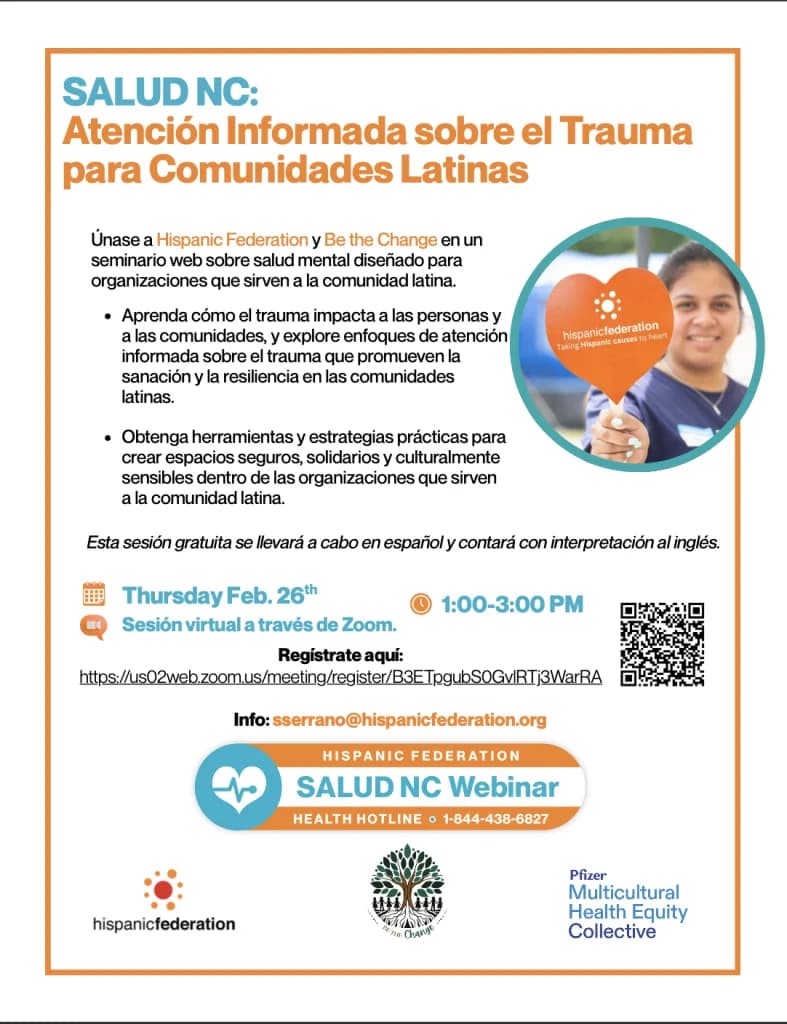
The landscape of salud comunitaria latina in the United States in 2026 is shaped by rapid tech adoption, multilingual needs, and ongoing health disparities. For practitioners and organizations working with Latino communities, the chance to improve access to care, enhance engagement with digital tools, and strengthen health outcomes is real—provided we deploy evidence-based methods that respect language, culture, and local context. This guide delivers hard-won, actionable best practices drawn from frontline experiences and contemporary research, with a clear focus on technology and market trends. Throughout, you’ll see practical steps you can implement now to advance salud comunitaria latina at scale, while avoiding common missteps that dilute impact.
Although technology offers powerful levers to close gaps in access and outcomes, Latinos in the U.S. are not a monolith. Language preferences, immigration experiences, and geographic variations all shape how communities engage with digital health, telehealth, and community-based interventions. Data consistently show that language concordance, digital literacy, and trusted local partnerships are central to success. For example, while telehealth use has surged in recent years, Hispanic individuals still exhibit lower odds of telehealth utilization compared with non-Hispanic White adults, underscoring the continuing impact of language and cultural barriers on access to care. This reality underscores the need for targeted, data-driven strategies that align technology with the lived experiences of salud comunitaria latina. (mdpi.com)
Foundational Principles
Language, culture, and communication as the baseline
What to do
Build language-concordant service delivery and culturally tailored communication into every program—from intake to care delivery and follow-up.
Why it works
Language concordance and culturally appropriate information improve trust, comprehension, and adherence. Latinos disproportionately encounter language barriers and health literacy challenges, which correlate with gaps in preventive care and chronic disease management. In the U.S., a substantial share of Spanish-speaking Hispanics prefer Spanish-speaking providers, and a sizable portion of health information is more effective when presented in Spanish. (cdc.gov)
How to implement
- Hire bilingual staff and contract interpreters; implement language preference capture at every touchpoint.
- Create Spanish-language equivalents for all patient-facing materials, portals, and video content; validate materials with community advisory boards.
- Establish a multilingual helpline and chat support staffed by bilingual agents.
Common pitfall to avoid
Assuming English-first materials suffice for Spanish-speaking clients. Even when translations exist, missing nuance or delays in translation can erode trust and reduce engagement. Invest in professional translation review and local field testing with Spanish-speaking users. (cdc.gov)
Treat Latinos as a diverse population with nuanced needs
What to do
Segment outreach and programs by country of origin, preferred language, acculturation level, and urban/rural context; avoid one-size-fits-all approaches.
Why it works
Latino communities are diverse; health attitudes, barriers, and access patterns vary by subgroup. Data show differences in care experiences and preferences within Hispanic/Latino populations, and language proficiency significantly shapes telehealth utilization. Disaggregated data help tailor interventions and materials more precisely. (pewresearch.org)
How to implement
- Design data collection that includes country-of-origin, language preference, and LEP status; segment dashboards accordingly.
- Create 2–3 tailored outreach playbooks per major Latino subgroups in your service area.
- Pilot targeted interventions (e.g., CHW-led outreach for a specific subpopulation) and compare outcomes to a baseline group.
Common pitfall to avoid
Treating “Latino” as a homogeneous group; this leads to generic messaging and misallocated resources. Use disaggregated metrics and locally sourced insights to inform decisions. (jamanetwork.com)
Center community health workers as trusted mediators
What to do
Integrate promotores de salud / CHWs as core members of clinical and community teams to improve outreach, care coordination, and emotional well-being.
Why it works
CHWs have demonstrated effectiveness in increasing access to care, improving chronic disease management, and linking individuals to services—particularly within Latino communities. Evidence from community-based trials shows CHW-led linkages can improve emotional well-being and connect people to essential resources. (cdc.gov)
How to implement
- Develop CHW career pathways with training in health navigation, cultural mediation, and digital literacy coaching.
- Deploy CHWs in both clinical and community settings to act as connectors and coaches for telehealth onboarding and digital tool use.
- Establish performance metrics that capture linkage success, patient activation, and patient-reported outcomes.
Common pitfall to avoid
Treat CHWs as a one-off initiative rather than a strategic, funded workforce with ongoing supervision and data feedback loops. This reduces effectiveness and sustainability. (cdc.gov)
Prioritize digital inclusion and health technology literacy
What to do
Design technology-enabled programs with explicit attention to digital literacy, device access, and broadband connectivity.
Why it works
Digital inclusion reduces barriers to telehealth and digital health tools; Latinos—especially in rural or underserved areas—face broadband and device access challenges that hinder engagement. Research indicates that LEP and limited digital literacy contribute to disparities in telehealth use, and interventions that address digital literacy can narrow those gaps. (telehealth.org)
How to implement
- Assess device ownership, internet access, and digital comfort at intake; provide device loan programs or partnerships with community centers for access.
- Offer short, actionable digital literacy trainings (in Spanish and English) tied to telehealth onboarding.
- Use low-bandwidth or text-first engagement options (SMS reminders, simple portals) for baseline access while building digital skills.
Common pitfall to avoid
Relying solely on high-bandwidth, app-centric solutions that exclude LEP or low-literacy users. Start with inclusive, accessible design and progressively layer more advanced features. (axios.com)
Tactical Best Practices
Foundational principles translate into concrete actions
What to do

Implement a multilingual, culturally attuned telehealth and digital health program from day one.
Why it works
Telehealth adoption among Latinos is progressing but remains lower than other groups, particularly when language and cultural alignment are lacking. A multilingual approach improves utilization and satisfaction. (mdpi.com)
How to implement
- Select a telehealth platform with built-in language preferences and robust interpreter integration.
- Staff training: mandatory bilingual patient communication and cultural humility sessions.
- Develop a Spanish-language telehealth onboarding track with CHW involvement for hands-on guidance.
Common pitfall to avoid
Overreliance on automated translation alone; ensure human interpretation is available for nuanced clinical conversations.
What to do
Create Spanish-language health information and education portals aligned with user literacy and cultural preferences.
Why it works
Spanish-language health information improves comprehension, adherence, and engagement for Spanish-dominant Latinos, supporting preventive care and chronic disease management. (cdc.gov)
How to implement
- Build a Spanish-language version of patient portals with culturally relevant content and visuals.
- Validate translations with bilingual clinicians and CHWs who serve the target communities.
- Include Spanish health literacy checks and plain-language principles in all content.
Common pitfall to avoid
Using raw translations without cultural tailoring or user testing; this can feel alienating and reduce trust.
What to do
Leverage CHWs to onboard patients to digital tools and to facilitate access to services.
Why it works
CHWs increase engagement, support navigation, and connect individuals to care pathways—core to salud comunitaria latina. (cdc.gov)
How to implement
- Scaffold CHW roles for digital onboarding: device setup, account creation, app navigation, and privacy basics.
- Pair CHWs with clinicians to monitor patient progress and to respond quickly to digital access barriers.
- Track metrics such as onboarding completion rates and subsequent telehealth utilization.
Common pitfall to avoid
Treating CHWs as only a recruitment channel; they should be integral to care coordination and data feedback loops.
What to do
Use mobile-first, text-based outreach and engagement strategies.
Why it works
Spanish-speaking Latinos benefit from textual and app-based interventions, with evidence showing ongoing disparities in digital health uptake that can be mitigated with accessible formats. (jamanetwork.com)
How to implement
- Launch SMS reminders for appointments, medication refills, and health coaching sessions in Spanish and English.
- Develop brief, culturally tailored health tips delivered via text or lightweight app notifications.
- Monitor response rates and adjust frequency to avoid user fatigue.
Common pitfall to avoid
Overloading users with messages; optimize cadence and relevance to maintain engagement.
What to do
Design inclusive outreach using trusted local partners and venues.
Why it works
Community anchors such as churches, schools, clinics, and cultural organizations boost trust and reach within salud comunitaria latina. Partnerships help close access gaps when barriers are structural rather than motivational. (urban.org)
How to implement
- Map local partners with trusted status in target neighborhoods; establish joint community events and referral pipelines.
- Create co-branded materials that speak to shared community goals (e.g., preventive care, diabetes management).
- Track partnership-related referrals and follow-through.
Common pitfall to avoid
Relying on one-off partnerships without sustained collaboration; ensure long-term alignment, shared metrics, and joint funding where possible.
What to do
Implement language- and LEP-aware data dashboards to monitor health equity progress.
Why it works
Disaggregated data by language, race/ethnicity, and geography reveal where gaps persist and where interventions are working, enabling course corrections and accountability. (cdc.gov)
How to implement
- Build dashboards that slice data by language preference (ELP vs LEP), country of origin, and urban/rural status.
- Review dashboards monthly with clinical, community, and data teams; adjust programs based on findings.
- Include patient-reported outcomes and experience measures as core KPIs.
Common pitfall to avoid
Collecting data without using it; ensure governance processes that turn insights into program changes.
What to do
Pilot and rigorously evaluate CHW-led interventions across conditions common in salud comunitaria latina.
Why it works
Randomized or quasi-experimental evaluations show CHW-led approaches can improve maternal-infant health, cancer pain management, diabetes outcomes, and emotional well-being, supporting scalable equity gains. (pubmed.ncbi.nlm.nih.gov)
How to implement
- Design small-scale pilots with clear control conditions and measurable outcomes (e.g., adherence to care plans, symptom management, hospitalizations).
- Build in process measures (fidelity to CHW protocols, participant satisfaction) and economic evaluations to inform scale-up.
Common pitfall to avoid
Relying on feasibility studies alone for large-scale decisions; integrate cost-effectiveness analyses early.
Advanced Optimization
Fine-tuning for maximum impact
What to do
Address language proficiency-related disparities in telehealth use with targeted digital health literacy interventions.
Why it works
LEP and limited English proficiency are linked to lower telehealth uptake; bridging language barriers helps normalize digital care and reduces inequities. Disparities persist even after accounting for other factors, so targeted interventions are essential. (academic.oup.com)
How to implement
- Offer bilingual digital literacy sessions focused on telehealth use, digital navigation, and privacy awareness.
- Include interpreters as a standard component of telehealth visits; train clinicians on best practices for working with interpreters.
- Use CHWs to reinforce digital skills during in-person and virtual visits.
Common pitfall to avoid
Assuming translation alone fixes disparities; combine language support with culturally tailored engagement and practical, hands-on training.
What to do
Disaggregate health metrics by subgroups and locales to identify where to invest next.
Why it works
Subgroup-specific data reveal where disparities persist and guide precise investments; it improves accountability and ROI for salud comunitaria latina programs. (pewresearch.org)
How to implement
- Produce quarterly reports that separately display metrics for major Latino subgroups, LEP vs ELP, and urban/rural segments.
- Align investments with the subgroups most underperforming on access and outcomes.
- Use rapid-cycle evaluation to test new interventions and adjust quickly.
Common pitfall to avoid
Relying on national averages; local context drives equity gains and sustainable scale.
Common Mistakes to Avoid
Anti-patterns to watch for
Anti-pattern 1
Assuming Latinos are a uniform audience; implement one-size-fits-all campaigns. Why it fails Data consistently show wide variation within Latino populations; misalignment leads to wasted resources and limited uptake. Translate these insights into subgroup-tailored strategies. (jamanetwork.com)
Anti-pattern 2
Overemphasizing English-language digital tools without language support. Why it fails LEP populations face lower engagement with English-only tools; language and cultural alignment are prerequisites for meaningful adoption. (academic.oup.com)
Anti-pattern 3
Treating CHWs as a marketing channel rather than a strategic workforce. Why it fails CHWs are a critical bridge to care, not a one-off outreach tactic; sustainable integration requires training, supervision, and shared metrics. (cdc.gov)
Closing
The practical path to advancing salud comunitaria latina in the US in 2026 is clear: blend language- and culture-centered design with data-driven targeting, and embed CHWs as core partners in care delivery and digital navigation. By thoughtfully combining bilingual telehealth, accessible digital content, and trusted local networks, organizations can expand access, improve engagement, and close gaps in health outcomes for Latino communities. The evidence is compelling, and the opportunity is real—so start with language access, empower CHWs, and measure progress with disaggregated data to ensure every Latino patient can participate fully in the promise of modern health care. The work is ongoing, but with disciplined execution, salud comunitaria latina can become not just a careful policy objective but a lived practice that improves lives every day. (mdpi.com)