Realidad Virtual Y Aprendizaje Inmersivo Para Hispanos


Photo by JESHOOTS.COM on Unsplash
The education technology landscape in 2026 is seeing a surge of immersive learning initiatives focused on Spanish-speaking communities in the United States. Realidad virtual y aprendizaje inmersivo para comunidades hispanas en Estados Unidos 2026 is moving from a niche piloting phase into broader adoption in colleges, universities, and community-based programs. In early 2026, several institutions announced programs and partnerships designed to integrate virtual reality (VR) and other immersive technologies into STEM and language-learning curricula. These efforts aim to reduce language barriers, increase access to high-quality educational experiences, and strengthen pathways to college- and career-readiness for students who historically faced barriers to participation. (caldwell.edu)
Across the country, leaders in higher education and nonprofit sectors are framing immersive learning as a lever to close achievement gaps and to better align curricula with the needs of a diverse, multilingual student population. In February 2026, Caldwell University announced a classroom initiative that brings cinematic VR experiences into core courses through a partnership with Dreamscape Learn, signaling a significant step for immersive content in regional higher-education settings. This development, representing a localized but high-visibility deployment, underscores a broader trend toward scalable VR-enabled pedagogy in the United States. (caldwell.edu)
By March and April 2026, additional programs targeted at hispanic-serving contexts began to surface in public-facing communications and educational forums. A March 2026 UNLV-hosted webinar showcased SomosSTEM, a community-based, culturally engaging STEM learning environment at a rural Hispanic-serving institution, illustrating how immersive approaches can be tailored to community realities. In early April, CPASS Foundation announced the STEMM-3D Scholars Academy, a program designed to put immersive tools—headsets and multi-user VR platforms—into the hands of scholars pursuing math, science, and related fields, with explicit attention to ensuring connectivity does not become a barrier for participation. These steps collectively point to a coordinated push to deploy immersive learning in Hispanic-focused contexts, balancing access, quality, and cultural relevance. (unlv.edu)
Taken together, these announcements reflect a broader ecosystem that is actively exploring immersive technologies as a means to enhance language-rich education, support bilingual and multilingual learners, and prepare students for STEM and tech-enabled careers. The year 2026 has already seen a set of formal engagements—classroom trials, webinars, and program launches—that help translate the promise of VR and immersive learning into tangible opportunities for Hispanic communities in the United States. Beyond individual institutions, conferences and cross-institution collaborations in early 2026 highlighted the growing momentum around XR (extended reality) in education, signaling potential scale in the near term. (xrcollaborative.arizona.edu)
Section 1: What Happened
Caldwell University announces VR classroom initiative
Partnership with Dreamscape Learn to bring cinematic VR into classrooms
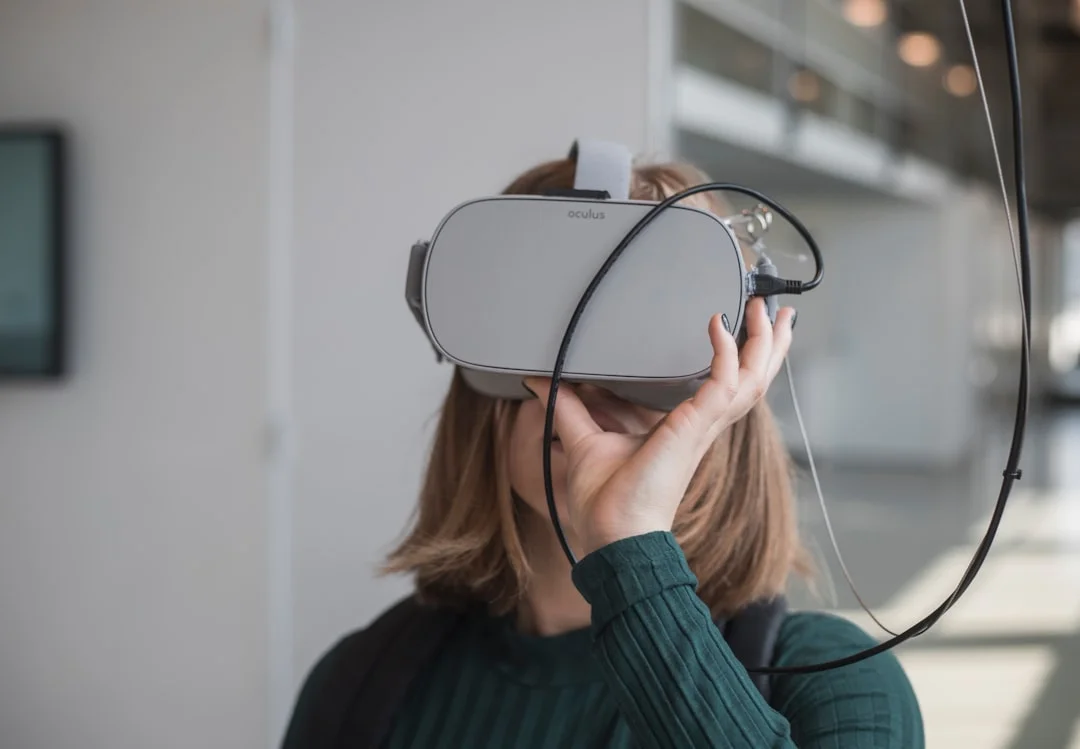
On February 25, 2026, Caldwell University announced a strategic collaboration with Dreamscape Learn to introduce immersive VR experiences into its classroom environment for the current academic year. The university framed the initiative as a pilot intended to complement traditional instruction, with the goal of deepening student engagement, simulating real-world problem contexts, and facilitating standards-aligned learning in STEM and humanities disciplines. This deployment follows a pattern of regional colleges experimenting with VR to diversify instructional modalities and reach students who benefit from experiential learning. The announcement stressed that VR modules would be used to illustrate complex concepts, from anatomy and biology to physics and engineering design cycles, while maintaining rigorous assessment standards. While the university noted logistical considerations—equipment costs, scheduling, and instructor training—the emphasis was on the potential for scalable impact and cross-departmental collaboration. In public remarks, Caldwell’s leadership described immersive content as a “bridge” to better comprehension and retention, particularly for students who learn best through visualization and hands-on practice. (caldwell.edu)
What the announcement signaled for the region
The Caldwell initiative is notable not only for its content but for its location within a regional higher-education system that often serves diverse student populations. By selecting a partner like Dreamscape Learn, the university joined a growing cohort of institutions pursuing high-fidelity VR learning experiences that aim to supplement lectures with embodied exploration and scenario-based practice. The program’s rollout in a mid-sized university setting suggests a potential replication path for other institutions serving multilingual and multicultural student bodies. The decision also aligns with a broader national conversation about how immersive technologies can be integrated into campus infrastructure, faculty development, and student support services to improve learning outcomes. While the Caldwell plan is self-contained, it sits within a larger arc of VR-enabled pedagogy increasingly showcased in US higher education conferences and industry discussions. (caldwell.edu)
SomosSTEM and university-led initiatives expand immersive learning
UNLV webinar demonstrates community-based, culturally engaging STEM
In March 2026, the University of Nevada, Las Vegas (UNLV) hosted a webinar titled SomosSTEM: A Community-Based, Culturally Engaging STEM Learning Environment at a Rural Hispanic-Serving Institution. The event, coordinated through the HSI Resource Hub within UNLV’s College of Education, highlighted how immersive learning can be tailored to rural communities and Spanish-speaking learners. The session brought together researchers, educators, and community partners to discuss curriculum design, language access, and the logistics of implementing VR-enabled STEM modules in settings where broadband access and device availability may vary. The webinar served as a proof point that immersive strategies are not solely classroom-first; they can be embedded in community hubs, after-school programs, and smaller colleges that serve substantial Hispanic populations. The event emphasized culturally responsive pedagogy, bilingual or multilingual instruction, and the importance of aligning VR content with local needs and student interests. (unlv.edu)
CPASS Foundation launches STEMM-3D Scholars Academy
On April 2, 2026, the CPASS Foundation announced the STEMM-3D Scholars Academy, a program designed to deliver immersive learning experiences focused on math, science, technology, engineering, and medicine (STEMM). The academy provides participating scholars with a VR headset and access to a simulated reality platform, enabling curriculum-aligned, immersive modules. The CPASS initiative explicitly addresses connectivity challenges for students with limited home internet, outlining strategies to connect families with community access points and other solutions to prevent digital access from becoming a barrier to participation. The program’s framing centers on ensuring equitable access to advanced instructional technologies while building a pipeline for underrepresented students to pursue STEMM-related careers. The announcement situates immersive technology as a vehicle for broader social impact, connecting classroom learning to workforce opportunities in tech-focused sectors. (cpassfoundation.org)
Broader ecosystem actions in 2026 that touch on immersive learning
XR-focused activities at universities and conferences
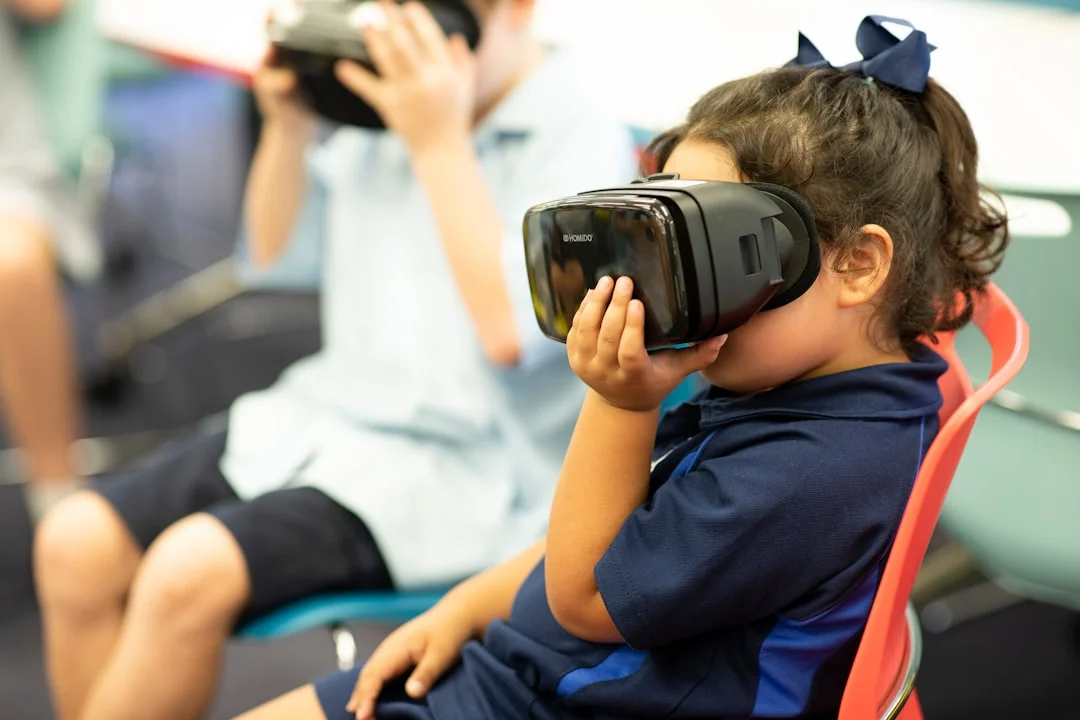
In 2026, several universities and XR-focused organizations advanced immersive-learning agendas through summits, showcases, and scholarly discourse. The University of Arizona XR Collaborative hosted an inaugural XR Summit to advance immersive learning and innovation, emphasizing cross-campus collaboration to expand hands-on XR experiences for students and instructors. The event underscored a strategic push to define institutional directions for XR adoption, with cross-disciplinary participation and a focus on practical implementation, evaluation, and scaling. Such efforts illustrate how academia is moving from isolated demos to structured, institution-wide planning around immersive pedagogy. (xrcollaborative.arizona.edu)
Industry conferences and cross-sector engagement
Beyond campus-specific initiatives, immersive-learning conversations continued at conferences that bring together educators, researchers, and industry practitioners. Reports and conference summaries in early 2026 highlighted ongoing demonstrations of VR-enabled curricula, multi-user XR environments, and data-informed design processes intended to improve learning outcomes and learner engagement. While not all programs target Hispanic learners specifically, the overarching theme is clear: immersive technologies are being positioned as mainstream tools for education, with particular attention to accessibility, cost-effectiveness, and measurable impact. (vwbpe.org)
What this means in a broader context
Together, these events reflect a coordinated push to integrate immersive technologies into the education ecosystem with a focus on multilingual and multicultural student populations. The momentum in 2026 suggests that immersive learning will move from pilot projects to broader adoption in schools serving significant Hispanic communities. The interplay between classroom deployments, community-based programs, and higher-education strategy underscores a framework in which VR and related tools are seen as not only engaging but also inclusive, scalable, and aligned with workforce needs in technology and STEM fields. While each program has its own design choices, the common thread is a commitment to accessible, culturally relevant pedagogy that leverages immersive experiences to deepen understanding, improve retention, and build practical competencies. (caldwell.edu)
Section 2: Why It Matters
Expanding access to STEM and language-rich learning for Spanish-speaking students

Acknowledging language and cultural relevance as catalysts for engagement
Immersive learning has long been proposed as a means to transcend traditional classroom barriers, especially for multilingual learners. When VR modules are designed to support Spanish-language instruction or bilingual content, they can help students connect abstract concepts to real-world contexts in a language they are comfortable with. Early 2026 programs demonstrate that institutions are exploring how VR can complement bilingual and multilingual pedagogy, aiming to boost participation rates and persistence in STEM-related tracks. The SomosSTEM initiative at UNLV, for example, emphasizes culturally engaging approaches that consider regional dialects, family expectations, and community priorities, alongside technical skills development. These design decisions reflect a belief that immersive learning can broaden participation by meeting students where they are, academically and linguistically. (unlv.edu)
Workforce pathways and experiential learning
Beyond classroom curiosity, immersive platforms are positioned as pathways to in-demand competencies in science, technology, engineering, and math fields. The CPASS STEMM-3D Scholars Academy explicitly links headset-based experiences to curriculum-aligned modules, with a focus on ensuring that students gain practical, transferable skills. When educators connect immersive modules to real-world projects—engineering design challenges, data analysis tasks, or simulations of professional scenarios—the learning experiences become directly relevant to future work opportunities. In this sense, immersive learning serves not only as a pedagogical novelty but as a workforce development tool that can help Spanish-speaking students prepare for high-growth STEM occupations. (cpassfoundation.org)
Economic and educational outcomes in a diverse, tech-enabled economy
Alignment with regional and national priorities
Early 2026 discussions about immersive learning often reference broader policy and funding priorities around digital equity, broadband access, and STEM education. While concrete impact metrics are still being refined, the momentum around immersive learning in Hispanic-serving contexts aligns with ongoing efforts to improve outcomes for multilingual learners and to strengthen the tech-literacy of the next generation. The University of Arizona’s XR Summit, and related XR-focused events, signal a growing recognition that universities will need scalable infrastructures, professional development for instructors, and assessment frameworks to realize the potential of immersive tools in a fiscally sustainable manner. (xrcollaborative.arizona.edu)
The value proposition for schools and communities
For schools serving large Hispanic populations, immersive-learning investments may offer several potential benefits. First, a well-designed VR module can supplement limited laboratory facilities by providing safe, scalable simulations of experiments, clinical procedures, or engineering processes. Second, immersive experiences can foster collaboration and cross-cultural communication among diverse student groups—an asset in increasingly multilingual classrooms. Third, partnerships with industry and nonprofit organizations can create synergistic opportunities for internships, mentorship, and workforce-aligned curricula that resonate with students’ career aspirations. While many of these benefits remain contingent on successful implementation and evaluation, the early 2026 landscape suggests that schools are actively exploring these opportunities as part of a broader strategy to modernize STEM education while supporting Spanish-speaking learners. (caldwell.edu)
Challenges, risks, and ethical considerations
Access gaps and the digital divide
Even as immersive-learning programs proliferate, a persistent concern is ensuring equitable access. Home broadband variability, device availability, and scheduling constraints can disproportionately affect students in rural or low-income communities. Initiatives like CPASS’s community access points reflect an explicit preference to mitigate such barriers, but ongoing monitoring and tailored outreach will be essential to prevent disparities from widening. Stakeholders must also consider the cost of equipment, maintenance, and content updates as part of long-term planning. The 2026 landscape underscores the need for a holistic approach that pairs hardware with reliable connectivity, teacher training, and inclusive content design. (cpassfoundation.org)
Data privacy, ethics, and content design
Immersive platforms collect interaction data that can inform personalized learning experiences but also raise concerns about privacy, consent, and data security. As schools pilot VR curricula, they must implement clear policies on data use, ensure compliance with applicable privacy regulations, and involve families and students in transparent discussions about how immersive tools affect learning trajectories. Ethical considerations should also guide content development to ensure that simulations reflect diverse experiences and avoid stereotyping or cultural oversimplification. The broader XR ecosystem conversations in 2026 stress the importance of responsible design and governance as essential components of any scaling plan. (xrcollaborative.arizona.edu)
Sustainability and long-term funding
A practical challenge is sustaining immersive programs beyond one-off grants or pilot funding. Institutions must plan for ongoing content updates, maintenance of VR hardware, and professional development for faculty. Some early 2026 programs emphasize cost-effective approaches and partnerships designed to extend the lifespan of immersive-learning initiatives, but successful scale will require stable funding models, evaluation frameworks, and clear alignment with institutional goals. The XR-focused dialogues and university consortia noted in 2026 highlight this as a central hurdle that requires coordinated planning among administrators, faculty, and funders. (xrcollaborative.arizona.edu)
Why these developments matter for EE.UU. Hoy’s audience
Realidad virtual y aprendizaje inmersivo para comunidades hispanas en Estados Unidos 2026 is not just about new technologies; it represents a shift in how educators think about accessibility, relevance, and outcomes for Spanish-speaking learners in the United States. For a national audience seeking data-driven analysis, the news releases and academic discussions from early 2026 provide concrete signals: immersive tools are being piloted, studied, and discussed as scalable educational solutions with potential to broaden participation in STEM and related fields. The convergence of classroom deployments, community-based programs, and scholarly collaboration suggests a multi-pronged strategy to embed immersive learning into the fabric of education for Hispanic communities, with ongoing assessment to gauge effectiveness and inform policy decisions. (caldwell.edu)
Section 3: What’s Next
Near-term milestones and expected developments for 2026-2027
2026 milestones to watch
- Continued classroom integrations at colleges and universities adopting VR-based curricula, including expansions beyond pilot courses into core requirements. Caldwell University’s February 25, 2026 announcement demonstrates one model for campus-wide adoption that could be replicated by other institutions serving similar student populations. Observers should watch for reports on student engagement, time-to-competency in STEM topics, and instructor readiness as these programs mature. (caldwell.edu)
- Community-driven and culturally tailored programs expanding immersive access. UNLV’s SomosSTEM webinar and CPASS’s STEMM-3D Scholars Academy illustrate a trend toward aligning immersive experiences with local language needs, family expectations, and community contexts. In 2026, similar programs could scale to more Hispanic-serving institutions, with potential partnerships among universities, nonprofits, and local employers. (unlv.edu)
- XR summits and industry-academic collaborations shaping policy and practice. The University of Arizona’s XR Summit and related conferences signal ongoing discourse about governance, evaluation, and scalable infrastructure for immersive learning. Expect a stream of follow-up white papers, best-practice guides, and cross-institutional collaborations that help standardize metrics for success in immersive curricula. (xrcollaborative.arizona.edu)
2027 and beyond: what to anticipate
- Deeper integration of XR across disciplines, from health sciences to engineering and language arts, with assessment data driving iterative improvements. As institutions accumulate experience, best practices for content localization, accessibility, and instructor professional development will become more widely documented and shared across networks. The 2026 activity indicates momentum that could accelerate in 2027 as case studies emerge and funding mechanisms stabilize. (vwbpe.org)
- Expanding partnerships with regional tech ecosystems and national consortia to support hardware refresh cycles, content libraries, and student-data governance. With industry interest in immersive learning, universities may pursue joint procurement and shared content repositories to lower barriers to entry for smaller campuses serving Hispanic communities. (miragenews.com)
- Focused research on language acquisition and STEM proficiency in immersive environments. Looking ahead, researchers will likely publish comparative studies on bilingual or multilingual VR curricula, contributing evidence on how immersive modalities influence comprehension, retention, and transfer to real-world tasks. Ongoing academic conversations—such as XR Summits and related scholarly activities—will continue to shape evidence-based practice in this space. (xrcollaborative.arizona.edu)
What readers should watch for in the months ahead
- Availability of scalable evaluation frameworks. With multiple institutions piloting immersive programs, there will be demand for standardized metrics to compare outcomes across settings and populations. Expect announcements of pilot results, dashboards, and reporting templates from universities and consortia involved in immersive learning initiatives. (xrcollaborative.arizona.edu)
- Accessibility and equity initiatives accompanying VR deployments. Stakeholders will likely highlight strategies to ensure broadband access, device lending programs, and community access points that enable students to participate outside formal class time. CPASS’s approach to reducing connectivity as a barrier is a pattern others may adopt or adapt. (cpassfoundation.org)
- Content localization and cultural relevance becoming a differentiator. Programs that tailor VR content to reflect regional experiences, dialects, and community contexts are more likely to resonate with Hispanic learners and families. The UNLV SomosSTEM case study provides a roadmap for how to fuse culturally responsive pedagogy with immersive technology. (unlv.edu)
Closing
The early 2026 wave of Realidad virtual y aprendizaje inmersivo para comunidades hispanas en Estados Unidos 2026 marks a meaningful step toward inclusive, tech-enabled education. As institutions like Caldwell University, UNLV, and CPASS roll out immersive programs, educators and policymakers should monitor not only engagement and test outcomes but also the durability of access, the quality of content, and the long-term alignment with workforce needs. What emerges from 2026 and into 2027 will likely influence how Hispanic-serving institutions design curricula, train teachers, and partner with industry to support students who speak Spanish, English, or both at home. Readers should stay tuned to the evolving XR landscape, as conferences, partnerships, and classroom deployments continue to refine what immersive learning can mean for real students across the United States. (caldwell.edu)