Política migratoria y economía hispana EE.UU. 2026: Update
Comprehensive, neutral, and data-driven analysis of política migratoria y economía hispana en EE.UU. 2026 and its varied impacts.

Sobre el autor
**Marisol Delgado** es periodista de cultura y estilo de vida en *EE.UU. Hoy*, explorando la rica diversidad de la experiencia latina en Estados Unidos. Sus crónicas celebran las tradiciones, el arte y las voces que enriquecen la vida americana.
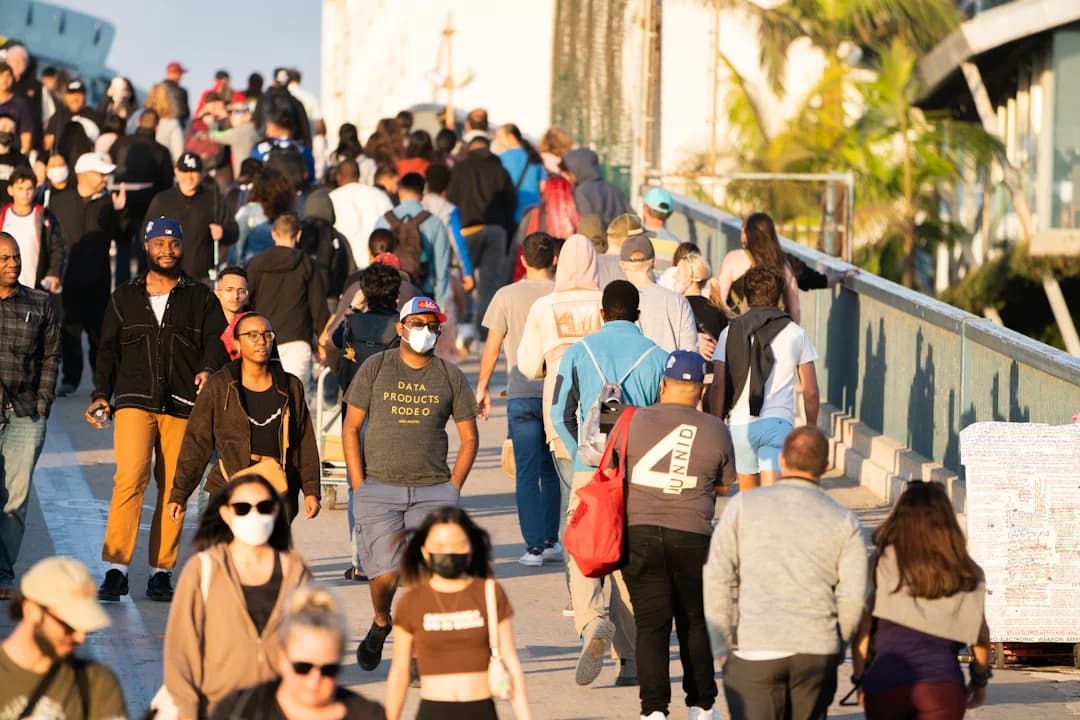
The United States is in a pivotal moment where policy changes around immigration intersect with the economic clout and demographic dynamism of the Hispanic population. In early 2026, federal agencies unveiled measures and discussions that could reshape who gets housing access, how asylum procedures are funded and administered, and how work authorization is managed for newcomers and long-term residents. These developments come at a moment when the Latino share of the U.S. population remains a central driver of labor force growth, consumer demand, and entrepreneurial activity. For readers of EE.UU. Hoy, tracking these shifts through a data-driven lens is essential to understand the broader implications of política migratoria y economía hispana EE.UU. 2026.
Two days into the current cycle, the news cycle is dominated by concrete policy steps and serious legal questions. On February 19, 2026, the Department of Housing and Urban Development (HUD) proposed a rule that would restrict HUD-funded housing access to U.S. citizens and certain eligible noncitizens. The measure would require all residents in HUD-supported housing—affecting families including seniors who once enjoyed exemptions—to prove citizenship or eligible immigration status. Advocacy groups warn that mixed-status households could be disproportionately affected, potentially affecting tens of thousands of individuals. Supporters argue the policy aligns with a broader push to prioritize federally funded benefits for those who meet specific eligibility criteria. The rule’s announcement marks a distinct turning point in how federal housing policy is shaped by immigration enforcement rhetoric. (apnews.com)
The same news cycle includes broader public sentiment signals about immigration policy and enforcement. A Washington Post–ABC News–Ipsos poll released around the same time shows a public leaning toward more measured, oversight-focused immigration enforcement rather than indiscriminate crackdown, with a substantial share of Americans expressing concern about civil rights and due process under aggressive enforcement approaches. The poll findings illustrate that even as policy discussions intensify, public opinion remains nuanced and segmented by party, region, and personal experiences with immigration. These attitudes will likely influence legislative and regulatory dynamics in the months ahead. (washingtonpost.com)
Beyond policy mechanics, the economic dimension anchored in the Hispanic population continues to command attention. The Latino GDP and broader purchasing power in the United States have been the subject of ongoing research and industry analysis. A landmark study tracking Latino economic output shows that U.S. Latino immigrants and their descendants contributed about $1.6 trillion to U.S. GDP in 2023, with total Latino purchasing power estimated at roughly $4.1 trillion. California, Texas, Florida, and New York account for substantial slices of that Latino GDP, underscoring the geographic depth of this economic force. As a refresher, in 2024, the Latino population in the United States stood at about 68 million, representing roughly 20% of the national population, with implications for labor markets, consumer demand, and regional growth patterns. These data points reinforce the link between migration policy, the Hispanic economy, and national economic performance. (cnbc.com)
Opening
In the early weeks of 2026, policymakers and market observers have been watching a cluster of actions and proposed rules that directly touch the lives of millions of Hispanic families and workers. The central question for EE.UU. Hoy readers is: how will policy shifts—what they cost, who they affect, and how quickly they implement—translate into real-world outcomes for households, small businesses, and regional economies? The answer hinges on a blend of headline policy, implementation timelines, and the spillover effects of a changing regulatory environment that touches housing access, refugee and asylum processing, and work authorization. The headlines alone suggest a potential recalibration of risk for employers, housing providers, and immigrant communities while the underlying data continue to emphasize the economic magnitude of the Hispanic population in the United States.
As we analyze the most recent developments, it is essential to ground the narrative in measurable indicators. The Latino population and economy are not just demographic phenomena; they drive real demand across housing, retail, technology adoption, and entrepreneurship. The latest credible estimates indicate that Latino GDP reached meaningful milestones in recent years, with 2023 GDP at $4.1 trillion and Latino consumption in the trillions of dollars, contributing a sizable portion to national growth. These figures illustrate why immigration policy—whether framed as enforcement or integration—has a direct bearing on national productivity and competitiveness. In this context, the 2026 policy landscape matters not only to immigrant communities but to the broader U.S. economy that depends on their labor, innovation, and purchasing power. > "U.S. Latino GDP hits high of $4.1 trillion, marking growth spot for the nation," UCLA researchers noted in a 2025 report, underscoring the latent economic force at stake. (newsroom.ucla.edu)
Section 1: What Happened
Propuesta de HUD para vivienda pública: details and immediate implications
HUD’s February 19, 2026 proposal would tighten eligibility for HUD-funded housing, requiring residents to present citizenship or eligible immigration status. The policy targets mixed-status households—families with at least one member who is not eligible for HUD assistance—raising concerns about family stability, access to essential housing, and potential displacement scenarios. Advocates warn that tens of thousands of individuals could be affected, and some households might face tradeoffs between staying together and qualifying for housing assistance. Critics argue that the policy would roll back protections that enabled vulnerable populations to access stable housing while navigating immigration status. The debate will likely intensify as participatory rulemaking proceeds and as stakeholders weigh the potential long-term economic and social consequences of housing access restrictions. (apnews.com)
Key facts and timeline to watch:
- Date of proposal: February 19, 2026.
- Scope: HUD-funded housing programs; eligibility tied to citizenship or eligible immigration status.
- Potential impact: 20,000 families or 80,000 individuals could be affected, according to advocates cited in the policy debate.
- Next steps: Public comment period and potential final rule issuance in the months ahead, with final implementation subject to regulatory processing.
Detention policy shifts for refugees and post-entry screening
A separate, consequential development surfaced around February 18–19, 2026, when a Department of Homeland Security memo outlined a plan to detain refugees for additional vetting, particularly those who have not yet obtained green cards. The policy, described in national outlets, would mark a significant divergence from prior refugee-admission practice by reframing refugee status as conditional in some contexts and expanding enforcement actions against post-entry entrants. Legal challenges quickly followed, and the policy drew strong opposition from refugee advocacy groups and civil rights organizations. The policy’s status remains contested in courts, and observers are watching how this will interact with ongoing asylum adjudication and post-entry surveillance. (washingtonpost.com)
Policy mechanics and what to expect:
- Core idea: enhanced post-entry vetting and possible detention of refugees not yet bearing a green card.
- Jurisdiction: DHS and ICE coordination, with potential court-ordered constraints against certain detentions.
- Legal landscape: Ongoing litigation and judicial review, with outcomes likely to shape future enforcement and due-process standards.
- Public response: Critics warn about due-process concerns and humanitarian obligations; supporters emphasize national security and vetting integrity.
Changes in asylum work authorization and fee structure: what’s new in 2025–2026
Several policy shifts around work authorization (Employment Authorization Documents, or EADs) began taking effect in 2025 and extended into 2026, with notable implications for asylum seekers, refugees, and other humanitarian beneficiaries. Reporting from legal analyses and industry outlets describes the phasing out of automatic EAD extensions for renewals filed from late 2025 onward, reductions in EAD validity periods (including a move from multi-year to 18-month validity in several categories), and the introduction of new filing and renewal fees. The shifts imply tighter timeliness and increased costs for individuals seeking to work while their immigration status or asylum cases proceed. Observers warn about potential employment gaps and longer adjudication timelines, which could affect household incomes and regional labor markets. While these policies are contested, they are part of a broader trend toward higher administrative friction in the humanitarian-immigration complex. (gibsondunn.com)
Context and supporting data:
- The 18-month EAD validity rule affects categories including refugees, asylees, those with pending asylum applications, and adjustment-of-status applicants.
- Initial EAD filing fees have increased, with reports noting a new initial EAD cost in the range of hundreds of dollars, and online renewals priced higher than in prior years.
- While the exact policy text and effective dates may vary by form and filing date, the overall trend points to shorter work-authorization cycles and greater financial barriers to employment while immigration matters are litigated or adjudicated.
Section 2: Why It Matters
Economic implications for the Hispanic economy and broader markets
The immigrant and Hispanic economic core has a measurable footprint on national GDP, consumer demand, business formation, and regional growth. The Latino GDP is not only large but highly dynamic, with 2023 GDP at about $4.1 trillion and Latino consumption figures running into the trillions. This positioning means that policy choices affecting work authorization, refugee processing, and housing access can translate into tangible macroeconomic effects. For example, economists estimate that large-scale deportations or prolonged labor-market frictions could substantially dampen growth and productivity in sectors with high Latino participation. The potential GDP impact has been estimated at tens of trillions of dollars in hypothetical scenarios if immigration policy becomes significantly more restrictive. While these scenarios are subject to debate and model assumptions, they underscore the macroeconomic leverage of the Hispanic population in the United States. > "U.S. Latino GDP hits high of $4.1 trillion, marking growth spot for the nation," UCLA researchers note, highlighting the sector’s role as a growth engine. (newsroom.ucla.edu)
Key takeaways for policymakers and business leaders:
- Latino GDP and consumer power amplify across California, Texas, Florida, and New York, shaping demand in housing, retail, financial services, and tech adoption.
- Businesses that strategically engage Latino consumers and workers tend to grow faster, with implications for marketing, supply chains, and human resources.
- Any policy that constrains immigrant labor supply could raise production costs for industries with heavy immigrant participation, potentially altering competitive dynamics for firms across the country. The broader literature and corporate responses align on the message that Hispanic economic behavior is a driving force behind U.S. growth, especially as the population ages and millennials and Gen Z form a growing share of the workforce. (cnbc.com)
Labor force, demographics, and regional impact
Demographic data from Pew Research Center indicates that Latinos represented about 20% of the U.S. population in 2024, with projections of continued robust growth in the near term. The Latino population has been a principal driver of population growth in the United States over the past two decades, contributing disproportionately to the labor force entry and to differential patterns of consumer spending. These demographic dynamics amplify the potential consequences of policy changes that affect work authorization, asylum processing timelines, and housing access. In short, the policy environment surrounding política migratoria y economía hispana EE.UU. 2026 interacts directly with the labor markets and consumer demand that sustain broad-based economic activity. (pewresearch.org)
Societal and regional consequences
Beyond macroeconomic indicators, the policy landscape has direct consequences for families, schools, health care access, and community prosperity. When families face housing instability or work authorization gaps, local economies experience ripple effects—from reduced consumer spending to shifts in housing markets and school enrollment patterns. The anticipated court battles and regulatory delays add another layer of uncertainty for local policymakers who must plan budgets, housing allocations, and workforce development programs in real time. The public sentiment data suggest a preference for a more balanced approach to immigration policy, with broad support for maintaining humanitarian commitments while safeguarding national interests. These tensions will shape policy design and political debates in 2026 and beyond. (washingtonpost.com)
Public opinion and political context
Public attitudes toward immigration policy influence legislative and regulatory trajectories. The WaPo poll cited earlier indicates that a significant share of Americans prefer enforcement that emphasizes rule-of-law and due process rather than a scorched-earth approach to deportation. The political environment—balancing humanitarian concerns, economic integration, and national security—will continue to influence how aggressively new rules are implemented and how much discretion agencies retain in enforcement and adjudication. For readers tracking policy impact on the Hispanic economy, understanding these public sentiment trends is essential, as they can affect the likelihood of legislative fixes, funding for integration programs, and the adoption of market-friendly policies that recognize the economic contribution of Latino communities. (washingtonpost.com)
Section 3: What’s Next
Timeline, next steps, and indicators to monitor
The HUD housing proposal will proceed through a public-comment period, with potential finalization in the coming weeks or months. Observers should watch for:
- Publication of the final rule in the Federal Register and the effective date.
- Responses from housing advocates, tenant unions, and local government housing agencies.
- Any accompanying guidance clarifying how mixed-status families would be treated in practice.
Legal challenges to the refugee-detention and post-entry rescreening framework are expected to unfold in federal courts. Court decisions in Minnesota and related jurisdictions could define the boundaries of post-entry enforcement and due process for refugees and asylees, with potential nationwide implications. In parallel, ongoing analyses from law firms and policy think tanks will continue to interpret the EAD changes for asylum seekers, refugees, and other humanitarian beneficiaries. The precise timing and scope of these changes remain in flux, but the policy direction is clear enough to influence employer planning, workforce development, and immigrant integration strategies in 2026. (washingtonpost.com)
What to watch for in the market and policy arena
- Financial and housing markets: Housing providers and mortgage lenders may adjust underwriting or eligibility criteria in response to new eligibility rules, while lenders and insurers observe changes in consumer demand from immigrant communities.
- Corporate strategy: Multinational and domestic firms that rely on a diverse workforce and a broad consumer base will monitor these policies to adapt recruitment, compensation, and marketing strategies, particularly in regions with high Latino concentration.
- Policy remedies and legislative actions: As lawsuits progress, there could be bipartisan discussions on immigration reform that address asylum processing, work authorization, and the balance between border security and economic openness.
Closing
As policymakers, business leaders, and communities navigate the emerging set of rules and proposals, one constant remains: the United States’ Hispanic population will continue to be a central driver of growth, innovation, and resilience. The politika migratoria y economia hispana EE.UU. 2026 framework will require careful balancing of humanitarian commitments, national security concerns, and a recognition that immigrant workers and Hispanic consumers are integral to the country’s competitiveness. Readers should stay attuned to HUD updates, court decisions on refugee rescreening, and the evolving administrative rules around EADs and asylum processing. For ongoing coverage, EE.UU. Hoy will continue to report with data-driven analysis, grounding coverage in credible studies, official statements, and transparent timelines.
To remain informed, track official agency announcements from HUD, DHS, and USCIS, and consult independent research from UCLA, Pew, and major outlets that study the Latino economy and demographic trends. The evolving picture of política migratoria y economía hispana EE.UU. 2026 will shape not only the lives of immigrant families but the trajectory of the American economy in the years ahead.
"U.S. Latino GDP hits high of $4.1 trillion, marking growth spot for the nation" demonstrates the scale of the Latino economy and why policy decisions in immigration and labor markets reverberate across boardrooms and neighborhoods alike. (newsroom.ucla.edu)