Participación Política Latina 2026 EE. UU.: Trends & Impact

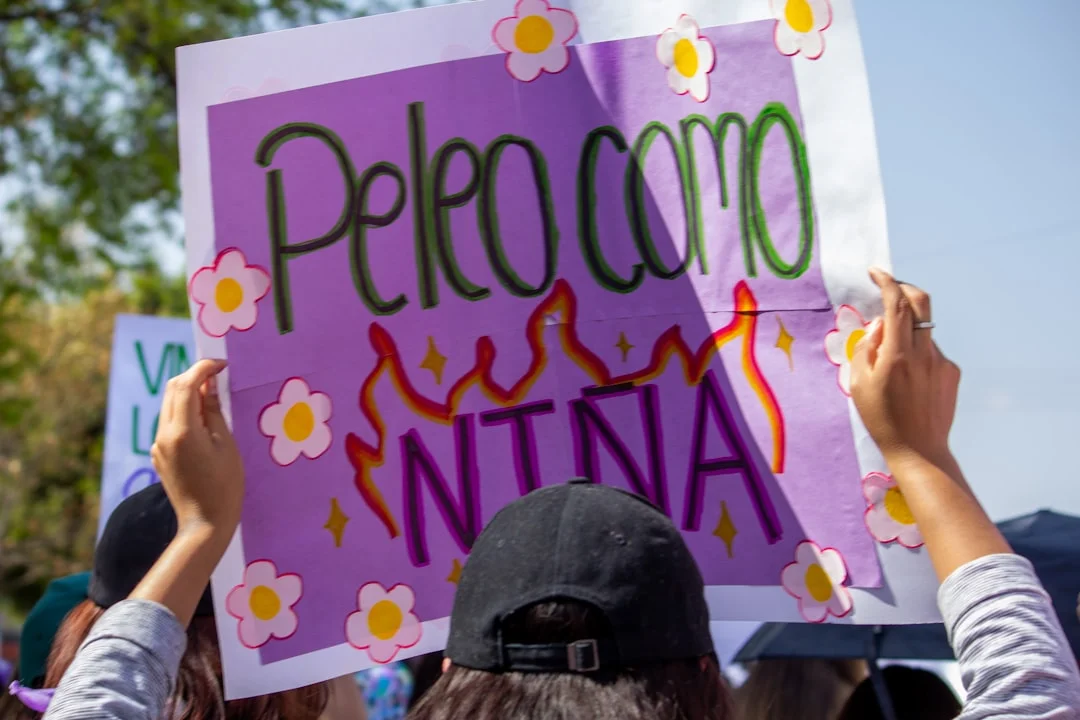
Photo by Rubí Salgado on Unsplash
The participation of Latinx communities in the 2026 U.S. political landscape—referred to here as participación política latina 2026 EE. UU.—is shaping how campaigns are run, how voters are reached, and how businesses respond to shifting consumer and civic engagement patterns. In the early stages of 2026, multiple data-driven signals are converging: turnout in Latino-majority areas is rising in key primaries, Latino political organizations are coordinating at national and local levels, and technology-enabled campaign strategies are accelerating both mobilization and measurement. This convergence matters not just for politics but for markets that rely on timely, demographic-aware outreach, including media, advertising, and consumer tech sectors. As EE. UU. Hoy tracks these developments, the emphasis remains on objective data, transparent methodology, and practical implications for stakeholders across communities, campaigns, and the business ecosystem. The latest data points underscore an inflection point: participation among Latino voters in 2026 is increasingly seen as a determinant in battleground states and bellwether districts, with implications for policy priorities, local governance, and corporate strategy. (latinovictory.org)
Across party lines, analysts are treating Latino participation not merely as a voting bloc but as a dynamic force that intersects with digital innovation, regional demographics, and evolving media ecosystems. A growing body of polling and turnout data suggests that Latino voters are aligning around specific issue sets—economic opportunity, public safety, immigration reform, and access to healthcare among them—while the methods campaigns use to reach these voters are becoming more sophisticated and data-driven. In March and April 2026, primary results and early extrapolations from pivotal states highlighted a substantial uptick in Latino turnout in several districts, signaling both opportunity and risk for campaigns that either underestimate or overtrust traditional outreach models. In Texas, for example, reports indicate that Latino voters drove a historic turnout in the 2026 primaries, an outcome that has energized campaigns and informed party organizations about where to focus resources this cycle. (votolatino.org)
These developments come against a backdrop of broader demographic and market shifts. The Latino electorate remains large and growing: estimates place the eligible Latino voting population in the tens of millions, with the Pew Research Center and other observers highlighting how these voters can influence outcomes in key states such as Texas, Arizona, California, Florida, and New Mexico. The combination of rising eligible voters, stronger mobilization efforts, and targeted, data-driven outreach is expected to shape both the policy conversation and the political marketplace in 2026. As one observer notes, “Latino voters are not a monolith, but they are a pivotal swing group in several states, and campaigns are learning to tailor messages with greater nuance and speed.” This evolution is also altering how advertisers and media companies approach Latino audiences, with increased demand for bilingual content, culturally relevant storytelling, and precision targeting across digital channels. (latinovictory.org)
Opening In a rapidly evolving 2026 cycle, participación política latina 2026 EE. UU. is becoming a central thread in both political strategy and market strategy. The year began with a surge of turnout in Latino-majority precincts in several early states, suggesting that Latino voters are not only attentive to campaigns but are actively shaping which issues gain traction on the agenda. The trend has been monitored by a range of organizations, from nonpartisan researchers to Latino advocacy groups, with a shared emphasis on rigorous data collection and transparent methodologies. The practical takeaway for readers of EE.UU. Hoy is clear: political mobilization signals are closely tied to technological advances, advertising spend patterns, and the readiness of businesses to respond to a more digitally connected, issue-conscious electorate. This intersection—between civic participation and market dynamics—is driving a 2026 narrative where technology-enabled outreach, bilingual content, and community-focused engagement become the norm rather than the exception. (pewresearch.org)
As the cycle unfolds, campaigns increasingly rely on real-time data to segment Latino audiences and optimize messages for impact. Campaign tech platforms, including data files that integrate voter history with broad psychographic signals, are enabling more precise mobilization at scale. This shift is not merely theoretical: early 2026 reporting indicates strong Latino turnout momentum in several battleground districts, including Texas. The economics of political advertising are also shifting, with higher investment in Spanish-language and bilingual creative, as well as new formats designed to meet Latino audiences where they spend time—social platforms, streaming, and connected TV. The ad market response to these demographic realities is reshaping where, how, and with whom campaigns invest dollars in 2026. (uspollingdata.com)
Section 1: What Happened
Early Momentum in Latino-Voter Primaries
Historic turnout in Latino-majority districts

In March 2026, multiple sources documented a surge in Latino participation in early primary contests, signaling a broader mobilization effort that could influence November outcomes. A press release from Voto Latino highlighted “Latino Voters Drive Historic Turnout in 2026 Texas Primary,” underlining how a mix of community organizing, targeted messaging, and issues resonating with Latino households translated into measurable turnout gains. The data signal a potential shift in statewide dynamics and a template for how Latino communities may shape results in other competitive states this cycle. This development matters for both partisan and nonpartisan observers seeking to understand who votes, why, and how campaigns adapt their outreach to convert interest into ballots. (votolatino.org)
Data-driven analysis points to segment-level dynamics
Analyses from national outlets in February 2026 emphasized the fragmentation of the Latino vote into actionable segments, with experts noting three distinct groups shaping the 2026 landscape: MAGA Hispanics, Movement Progressives, and Disillusioned Nonvoters. The segmentation is not simply academic; it informs how campaigns allocate resources, craft messages, and test creative in multiple languages. The takeaway for readers is that Latino participation is becoming a multi-faceted force with nuanced preferences, rather than a single bloc. This shift bears directly on technology spend and platform strategy as campaigns tailor content to different Latino voter profiles and testing criteria. (axios.com)
Local governance signals emerge from Latino-led leadership gains
Beyond the primaries, reporting in April 2026 highlighted a surge of Latino leadership in local government, including cases of municipalities appointing or electing Latino officeholders who bring diverse perspectives to city governance. The Washington Post reported notable milestones, including examples of Latino representation appearing at levels where policy and budgets directly affect communities’ daily lives. These local gains amplify the national conversation about Latino political participation and illustrate how turnout translates into new offices and policy influence, a dynamic that has implications for local markets and civic institutions alike. (washingtonpost.com)
Campaign-tech and media strategy intensifies
As the cycle advances, coverage has increasingly focused on the tech-forward methods campaigns use to reach Latino voters. Axios and related outlets have documented a growing reliance on data-driven targeting, digital advertising optimization, and the use of AI-enabled messaging tools to scale language- and culture-aware outreach. This trend is accompanied by a measurable shift in ad spending, with industry trackers projecting elevated investment levels in 2026—a sign that campaigns view Latino participation as a strategic driver of outcomes. Observers note that the technology stack powering 2026 campaigns leans heavily on voter files, micro-targeting, and post-Cambridge Analytica data practices to mobilize supporters rather than to persuade swing voters. For readers of EE.UU. Hoy, this underscores how technology and demographics intersect to shape both political results and the business landscape that serves them. (axios.com)
Market and media ecosystem response to rising Latino engagement
The market response to rising Latino political engagement is multifaceted. Media networks report intensified demand for bilingual programming and culturally tuned content, while advertisers seek ways to reach Latino audiences on multiple screens. The evolution of connected-TV platforms and AI-powered ad tech—coupled with the growing political engagement of a large, youthful, bilingual electorate—suggests a longer-term trend: political relevance increasingly intersects with media, consumer tech, and corporate strategy. This is reflected in industry updates about ad-platforms tailored for political messaging, as well as the ongoing interest of technology platforms in serving diverse communities with targeted, relevant content. (tvtechnology.com)
Section 2: Why It Matters
Implications for Policy, Business, and Civic Life
Shifting policy priorities in battleground states

The growing participation of Latino voters in 2026 has immediate implications for policy debates and legislative agendas in states with large Latino populations. Polling analyses and surveys suggest that Latino voters’ issue priorities—economic security, healthcare access, education quality, immigration policy, and labor rights—are influencing candidate platforms and legislative proposals. For policymakers and business leaders, understanding these priorities is essential to align products, services, and local programs with community needs. The Pew Research Center’s long-running work on turnout and political sentiment provides context for how these dynamics translate into policy pressure and electoral outcomes, reinforcing the idea that demographic shifts are a central driver of political equilibrium in 2026. (pewresearch.org)
Economic opportunities for Latino-owned businesses and markets
Latino participation in 2026 is not only a political phenomenon but also an economic one. The size of the eligible Latino electorate—estimated at around 36 million in various industry analyses—creates a substantial market for goods, services, and civic infrastructure aligned with Latino communities. Business leaders, marketers, and analysts are watching turnout patterns as they shape consumer confidence, labor markets, and regional investment decisions. As LATINX political engagement grows, so too does the interest in bilingual marketing, community outreach programs, and inclusive governance that can unlock greater participation in the formal economy. This intersection of politics and markets is a central theme for EE.UU. Hoy’s coverage, with data-driven reporting intended to illuminate both civic and commercial implications. (latinovictory.org)
The tech-augmented campaign ecosystem and its market effects
A core takeaway for 2026 is the central role of technology in political mobilization and market strategy. Campaigns increasingly deploy data platforms that merge voter files with real-time behavioral signals, enabling micro-targeting and rapid message iteration. The industry is responding with new advertising formats, including AI-optimized creative, language-adapted placements, and cross-channel storytelling that spans social media, streaming, and connected-TV environments. This tech-forward approach is reshaping the political advertising market, with spend projected to escalate as campaigns seek to maximize turnout among Latino voters across diverse geographies. The trend is documented in industry analyses and market-watch reports, which also flag regulatory and privacy considerations as important context for both campaigns and advertisers. (axios.com)
Voter engagement as a signal for corporate risk and opportunity
Across sectors, executives are evaluating how political participation translates into consumer behavior and stakeholder expectations. Businesses are increasingly expected to respond to demographic realities with responsible outreach, inclusive corporate practices, and transparent communication—especially in states where Latino participation could swing outcomes in local or state elections. For EE.UU. Hoy readers, this means recognizing that civic engagement trends can influence investor sentiment, employer branding, and risk management, particularly in regions with concentrated Latino populations and high electoral stakes. Industry insights from polling and market-analytics firms point to a growing convergence of civic and corporate strategies, where companies view voter engagement as part of their broader community-relations and market-equity considerations. (uspollingdata.com)
Stakeholders and Affected Groups
Voters and community organizations
Latino voters themselves are at the center of these developments, with turnout dynamics shaping the political agenda and the representation they receive. Community organizations, advocacy groups, and local leaders are expanding their outreach and voter-education initiatives to ensure informed participation, bilingual accessibility, and inclusive civic processes. The 2026 landscape shows a more coordinated, data-informed approach to outreach, with organizations leveraging digital channels, community events, and trusted messengers to boost participation. The evolution mirrors broader trends in civic tech and community-based engagement that researchers and practitioners have observed in recent years. (votolatino.org)
Media, advertisers, and tech platforms
Media networks and advertisers are adapting to a more engaged Latino electorate by expanding bilingual content, investing in culturally relevant storytelling, and applying advanced targeting techniques. The direct-to-consumer and advertising ecosystems are recalibrating to align with Latino audiences’ media consumption patterns, including a growing role for streaming, social platforms, and connected-TV formats. Industry observers emphasize that this shift is not merely about language but about authentic representation, trust, and relevance across varied Latino communities. (tvtechnology.com)
Policymakers and local governments
Local and state governments, particularly in states with large Latino populations, are receiving signals from the 2026 cycle that influence policy design and budgeting decisions. The emergence of Latino leadership in municipal governance demonstrates a channel through which community priorities can be translated into concrete policy outcomes, with implications for education funding, public health, housing, and neighborhood investments. The Washington Post’s reporting on early 2026 governance milestones illustrates how participation translates into governance, shaping the environment in which businesses operate and communities are served. (washingtonpost.com)
The Role of Data and Standards
Data transparency and methodological rigor

As campaigns and researchers analyze participation trends, the emphasis on transparent methodologies and robust data sources becomes essential. The 2026 cycle is characterized by a mix of validated voter data, exit poll information, and cross-survey triangulation that helps normalize divergent results. Journalistic and academic outlets stress the importance of replicable methods, clear sampling frames, and explicit limitations so readers can evaluate the reliability of turnout projections and policy implications. This emphasis aligns with the broader trend toward data-driven journalism in which reports present both findings and the caveats that accompany them. (pewresearch.org)
Ethical considerations and privacy implications
With advanced targeting and data-driven outreach, 2026 also brings heightened awareness of privacy, consent, and data governance issues. Campaigns and platforms that collect and use voter data operate under a complex regulatory and ethical landscape, including the responsibilities of platforms to protect user data and comply with applicable law. Industry commentary and policy analysis highlight the need for oversight that balances effective civic engagement with privacy protections. For readers, the key implication is that technology-enabled outreach should be conducted with transparency and accountability to maintain trust among Latino communities and the broader electorate. (axios.com)
Section 3: What’s Next
Timeline, Next Steps, and Watch Points
Key dates and expected milestones
The 2026 midterm cycle is continuing to unfold, with several upcoming milestones that readers should watch. Primary contests in additional states beyond Texas, including California, Florida, and Arizona, are anticipated to yield more data on turnout patterns and party dynamics. Analysts will monitor how Latino participation affects candidate viability, coalition-building, and resource allocation as campaigns move from early-state testing to national-level competition. While exact dates vary by state, the momentum seen in early 2026 suggests that Latino turnout could remain a decisive factor through the late summer and fall campaign season. (cbsnews.com)
Advertising and campaign-tech developments to watch
As campaigns pursue higher Latino turnout, expect continued advances in political technology and advertising formats. The industry is watching platforms that offer more granular language targeting, culturally resonant creative, and privacy-conscious personalization. The DirecTV Elect platform launch noted in industry reporting signals a broader trend toward connected-TV and AI-informed political advertising, with projected spending in the 2026 cycle among the highest in history. Stakeholders should monitor ad-spend shifts, platform partnerships, and regulatory developments that could influence how campaigns and advertisers allocate budgets. (tvtechnology.com)
Local governance experiments and policy pilots
In parallel, local governments that elect or appoint Latino leaders could serve as testing grounds for policy innovations addressing housing affordability, economic development, education, and public health. These governance experiments—particularly in municipalities where Latino residents play a pivotal role—will offer real-world data on how demographic change translates into policy and practice. Observers will track these cases to understand the broader implications for state-level politics and market ecosystems that rely on stable, predictable policy environments. (washingtonpost.com)
What’s Next in the broader political-market landscape is the ongoing iteration of how demographic realities shape policy agendas and how policy outcomes, in turn, shape market opportunities. The 2026 cycle is proving to be a real-time laboratory for studying how rising Latino participation translates into political influence, economic opportunity, and technological adoption across sectors. As campaigns become more data-driven and language-inclusive, advertisers and media companies will adapt their products and services to meet a more diverse, tech-savvy audience in a dynamic electoral environment. The interplay between civic participation and market responsiveness will continue to drive both public discourse and business strategy throughout the year and into 2027. (pewresearch.org)
Closing
The evolving participation of Latinos in 2026—desde participación política latina 2026 EE. UU.—is reshaping not only political campaigns but also the market and media ecosystems that serve diverse communities. Data-driven outreach, bilingual content strategies, and tech-enabled mobilization are becoming standard practice for campaigns and advertisers alike, signaling a more integrated approach to civic engagement and commerce. As EE.UU. Hoy continues to monitor the cycle, the key takeaway for readers is clear: the Latino electorate is a central hinge in the 2026 midterms, and its influence extends beyond votes to policy choices, corporate strategy, and community-building efforts across the United States.
To stay updated, readers can follow ongoing coverage of turnout trends, campaign technology developments, and local governance milestones. We will continue to report on new poll results, primary outcomes, and policy initiatives that emerge from Latino communities as the year progresses. In a political environment where information moves fast, the best guide remains data, context, and careful analysis that highlights how participación política latina 2026 EE. UU. is shaping both the democratic process and the markets that orbit around it. (pewresearch.org)