Moda Latina En Redes Sociales 2026: Trends Shaping Fashion
Moda latina en redes sociales 2026: a data-driven look at how Latino creators redefine fashion, influence consumption, and brands.
Sobre el autor
**Marisol Delgado** es periodista de cultura y estilo de vida en *EE.UU. Hoy*, explorando la rica diversidad de la experiencia latina en Estados Unidos. Sus crónicas celebran las tradiciones, el arte y las voces que enriquecen la vida americana.
The data-driven update on Moda latina en redes sociales 2026 arrives as a signal to brands, publishers, and retailers across the United States: Latino creators are not just participating in fashion conversations; they are defining the conversation itself across TikTok, Instagram, and YouTube. In early 2026, a wave of bilingual, culturally fluent content is moving from niche channels into mainstream campaigns, with measurable effects on demand, pricing, and product development. This shift is being tracked by industry researchers and marketing practitioners who say that the combination of authentic storytelling, platform diversity, and long-term creator partnerships is altering how fashion trends become market signals. For EE.UU. Hoy, the story is clear: Moda latina en redes sociales 2026 is less a season’s fad and more a structural shift in how fashion and technology intersect in multicultural America. Data points from Pew Research Center and leading multicultural marketing groups underscore this transition, while case studies from NYFW 2026 illustrate the tangible impact on product design and brand collaborations. (pewresearch.org)
The scope of the shift is large: in the United States, Latinos are a fast-growing consumer segment with substantial purchasing power. According to a February 2026 briefing from the Hispanic Marketing Council, Hispanics number 64 million in the U.S. and command roughly $3 trillion in buying power, with Gen Z playing a pivotal role in shaping media and marketing preferences. The briefing also notes that Spanish-language content and authentic, culturally resonant storytelling matter more than flawless translation, as YouTube, TikTok, and Instagram dominate the landscape for this audience. These dynamics have direct implications for fashion brands seeking to reach multicultural consumers in 2026 and beyond. (hispanicmarketingcouncil.org)
The immediate momentum is visible in high-profile fashion moments that blend Latin culture with luxury and streetwear. El País’s May 17, 2026 feature on Bad Bunny’s fashion influence highlights how a bilingual, boundary-preaking approach—ranging from Met Gala appearances to high-fashion collaborations—has helped tilt Latin aesthetics toward global luxury spaces. The article notes that Bad Bunny’s fashion discourse includes a fluent mix of streetwear, couture references, and cultural symbolism, driving a broader conversation about how Latinx identity translates into luxury fashion narratives. This isn’t speculation; it’s a documented shift in media and brand behavior that aligns with the broader trend toward creator-led, culturally fluent campaigns. (elpais.com)
New York Fashion Week 2026 provided a concrete snapshot of the trend, with Latino designers and the Fashion Designers of Latin America (FDLA) drawing attention to cultural heritage, artisanal craft, and diaspora collaboration on the runways. A February 2026 mitú recap highlights shows from Patricio Campillo, Dwarmis Concepción, and Raul Peñaranda, among others, underscoring how Latin American design perspectives are seeding global fashion narratives and attracting both consumer and media interest. The coverage emphasizes not only aesthetics but also the production ecosystems—broader inclusion of Latin American craft, cross-border collaborations, and the growing influence of FDLA-affiliated events in shaping seasonal storytelling. (wearemitu.com)
Section 1: What Happened
Trend-setting creators reshape fashion conversations across platforms
The rise of micro-communities over mega-reach

The Later analysis for 2026 identifies a shift from trying to reach megafauna-level audiences to cultivating tight-knit creator ecosystems. Micro-communities—small, highly engaged cohorts—now drive much of the fashion storytelling on social platforms, with content that compounds through repeated collaborations rather than one-off campaigns. In practice, brands are forming longer-term partnerships with multiple creators who share audience affinities, reinforcing a credible narrative and enabling iterative testing of styles, messaging, and product relevance. This shift is not just rhetorical; it translates into more consistent content libraries, more efficient distribution, and, ultimately, more reliable performance signals for campaigns. The takeaway for Moda latina en redes sociales 2026 is that smaller, authentic creator networks can deliver deeper resonance with bilingual audiences than single-hero campaigns. (later.com)
Long-term partnerships become the default model
The report repeatedly stresses that the era of one-off influencer posts is fading. Brands that design repeatable creator programs—where content formats, briefs, and distribution evolve over multiple cycles—are seeing stronger brand affinity and more predictable outcomes. The practical implication for Latinx fashion narratives is that sustained collaborations with Latinx creators enable brands to tell more nuanced stories, align with cultural calendars (festivals, sports, music moments), and build trust with communities that value consistency and authenticity. This structural shift is consistent with the 2025–2026 data from the marketing industry and is echoed in responses from major content creators who report better results when campaigns follow a rhythm rather than a spark. (later.com)
AI-augmented workflows redefine creator partnerships
AI is not replacing creators; it is accelerating workflows and enabling more precise audience matching, localization, and content adaptation. Later notes that AI is already part of the creator marketing playbook, with a significant share of marketers using AI for content creation and optimization. For Moda latina en redes sociales 2026, this means faster iteration on bilingual messages, tailored storytelling for Spanish-language segments, and more efficient asset libraries that teams can reuse across campaigns. It also raises questions about transparency and rights, leading to brand mandates that require clear usage rights and disclosure standards in creator contracts. Brands that design robust AI usage guidelines and licensure terms can maintain trust while scaling content volume. (later.com)
UGC and brand safety as the new social proof
UGC is shifting from a buzzword to a core operating model. The 2026 predictions emphasize a structured approach to user-generated content, with better governance, quality controls, and content libraries that can be reused across channels. For Moda latina en redes sociales 2026, UGC becomes a primary lever for authentic Latin fashion storytelling, enabling brands to showcase real consumer experiences and culturally relevant styling in ways that feel credible rather than sponsored. This approach aligns with broader market signals about the value of authentic voices in multicultural marketing. (later.com)
Evidence from the platform landscape
A 2025 Pew Research Center snapshot shows how platforms are distributed among U.S. adults, with high usage of YouTube and Facebook and a rising share of Instagram, TikTok, and Reddit among younger and diverse audiences. For Hispanic users, daily usage patterns illustrate substantial engagement with YouTube and Facebook, and notable activity on TikTok and X. The data illuminate why Moda latina en redes sociales 2026 relies on multi-platform storytelling: audiences move fluidly across video-first and short-form formats, and bilingual creators can modulate language and cultural cues to suit each context. (pewresearch.org)
The business side: brand collaborations, cultural influence, and market signals
High-profile brand-musician collaborations anchor the shift
The Bad Bunny example from El País demonstrates how cultural identity, music, and fashion converge in campaigns that reach beyond a single product to shape a broader narrative about Latinx influence in luxury spaces. The article documents a trajectory—from Calvin Klein campaigns to Zara collaborations and high-fashion editorial moments—that positions Latinx aesthetics at the center of global fashion discourse. This pattern is a persuasive signal for marketers aiming to connect with Moda latina en redes sociales 2026 audiences who value cultural authenticity and stylistic fluidity. (elpais.com)
NYFW 2026 as a living laboratory for Latin design
The mitú recap from NYFW 2026 confirms that Latin American designers are increasingly shaping the fashion vocabulary presented to broad audiences. The coverage highlights multiple designers and collaborations that foreground heritage, artisanship, and diaspora collaboration, reinforcing the idea that fashion stories rooted in Latin culture can have universal appeal when told through compelling, platform-agnostic content. The visibility at NYFW also demonstrates the potential for Latinx creators to influence not just consumer behavior but also product development cycles and retailer assortments. (wearemitu.com)
Why It Matters
Market size, language, and trust are the new currency

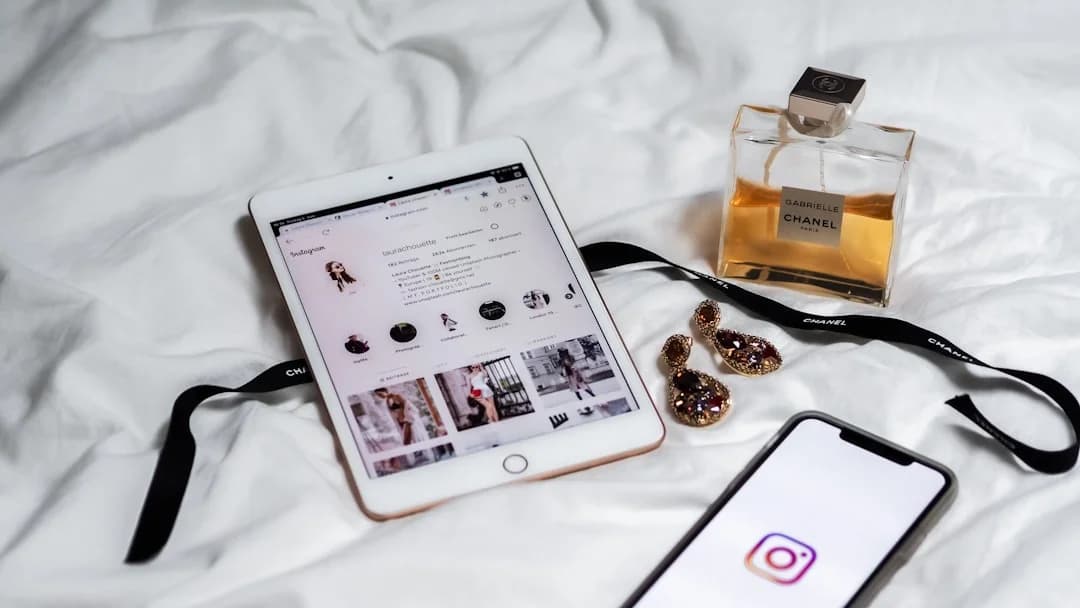
Photo by Laura Chouette on Unsplash
The HMC’s February 2026 briefing underscores a powerful combination: a large, young, multilingual audience and a preference for authentic, Spanish-language or bilingual content. With 64 million Latinos in the U.S. and buying power of roughly $3 trillion, brands have an expansive, high-value market to reach. The insistence on authentic Spanish, Spanglish, and culturally resonant storytelling matters more than perfect translations, reinforcing the need for marketing that respects language diversity as a trust signal. The same brief notes that YouTube, TikTok, and Instagram are the platforms that matter most for Hispanic Gen Z and their influencers, providing a concrete blueprint for content strategy. (hispanicmarketingcouncil.org)
Consumer behavior signals and platform realities
Pew’s 2025 data provide a robust, apples-to-apples baseline for platform usage that helps explain why Latina fashion narratives must be multi-platform and audience-aware. The data show ongoing strong YouTube usage and high daily engagement with Facebook, alongside growing activity on Instagram and TikTok. For Hispanic audiences, specific daily usage patterns—such as 61% using YouTube daily and 38% using TikTok daily—illustrate the need for diverse formats (long-form video, short-form clips, and culturally anchored storytelling) to maximize reach and resonance across age groups. This empirical backdrop helps explain the market-friendly logic behind 2026 influencer programs that emphasize consistency, long-term partnerships, and data-driven optimization. (pewresearch.org)
Cultural influence translates into commercial value
The Bad Bunny case study demonstrates how Latin urban and streetwear aesthetics are transitioning into luxury and mainstream fashion, expanding the category’s reach and opening new price points. When a global brand like Zara launches a Benicio Antonio x Zara collection in May 2026, the market signals are loud: Latinx fashion narratives are not confined to a niche audience but are moving into core commerce, influencing product lines and retail decisions across sectors. The cultural conversation, as reported by El País, helps explain how Latinx fashion identity becomes a driver of consumer interest, loyalty, and willingness to pay for distinct styles rooted in Latin heritage. (elpais.com)
Impacts on brands, retailers, and media
From a brand perspective, the most durable advantage in Moda latina en redes sociales 2026 is infrastructure: the ability to orchestrate a network of creators, convert content into repeatable sequences, and measure impact with decision-grade metrics. Later’s plan for 2026 emphasizes the importance of consistent content libraries, clear briefs, and governance that aligns with product goals. This infrastructure enables brands to scale Latin fashion storytelling without losing authenticity, while maintaining trust through transparent disclosures and responsible AI use. (later.com)
What’s Next
Near-term milestones to watch
- Continued growth of micro-creator programs and diaspora collaborations in Latin fashion. Expect more formal FDLA-sponsored shows and cross-border retailer partnerships that extend Latinx aesthetics beyond niche channels into mainstream retail environments. The NYFW 2026 coverage signals this direction, with emphasis on artisanal craft, cultural motifs, and diaspora collaboration as competitive differentiators. (wearemitu.com)
- A stronger emphasis on Spanish-language and bilingual messaging in fashion campaigns. The HMC briefing points to Spanish-language content as a credibility cue, which should drive more brands to invest in bilingual storytelling, localized fashion campaigns, and culturally resonant activations across YouTube, TikTok, and Instagram. (hispanicmarketingcouncil.org)
- AI-augmented content workflows integrated with creator partnerships. As marketers adopt AI to scale localization, localization quality, and speed to market, brands will need to codify usage rights and disclosure standards, ensuring that authenticity remains a core brand attribute. The Later framework lays out practical steps for managing AI in creator content, including licensing and transparency requirements. (later.com)
Longer-term outlook and potential risks
- Trust and disclosure dynamics will shape regulatory and consumer responses. The Later guidance highlights the importance of clear, early disclosures in sponsored content and the potential for regulatory scrutiny to affect how brands structure creator partnerships. Marketers who preemptively address AI usage, rights, and transparency will be better positioned to maintain audience trust as the landscape evolves. (later.com)
- Market convergence with luxury and streetwear sectors. The Bad Bunny case study demonstrates how Latinx aesthetics can push into luxury collaborations, a trend likely to accelerate as Latinx creators contribute to more cross-category initiatives (e.g., footwear, accessories, and fashion tech). This convergence may drive new pricing tiers, co-branding opportunities, and more complex supply chains that brands will need to navigate. (elpais.com)
What to watch for in the coming months includes new data releases from Pew Research Center on platform usage by age and race/ethnicity, additional reports from multicultural marketing groups on Spanish-language advertising effectiveness, and case studies from major fashion events that further crystallize how Moda latina en redes sociales 2026 translates into sales and brand equity. As brands refine their Latinx-focused campaigns, the market will increasingly conflate cultural storytelling with data-driven performance metrics, enabling marketers to quantify the value of authenticity in consumer engagement more precisely than ever before. (pewresearch.org)
Closing
In short, Moda latina en redes sociales 2026 is not a fleeting trend; it is a data-backed, consumer-driven shift in how fashion narratives are created, shared, and commercialized. With a bilingual, diverse audience at its core and with infrastructure that supports sustained creator partnerships, the industry is witnessing a more nuanced, more instrumental use of social media to shape trends, influence purchases, and determine which brands win in a crowded marketplace. As Hispanic Gen Z and bilingual consumers continue to steer cultural conversations, fashion brands, retailers, and media players will need to listen, adapt, and invest in authentic voices that reflect a dynamic, multilingual America. The signals are clear: the next wave of fashion storytelling will be as much about language, culture, and community as it is about fabric and form, and the platforms that host these conversations will be the battleground where loyalty is earned and sustained. To stay ahead, readers should monitor platform-sibling trends, creator partnerships, and regulatory developments, while continuing to watch the Latinx fashion story unfold across the United States and beyond.

Photo by Laura Chouette on Unsplash