Moda Latina En EE. UU. 2026: Trends & Tech

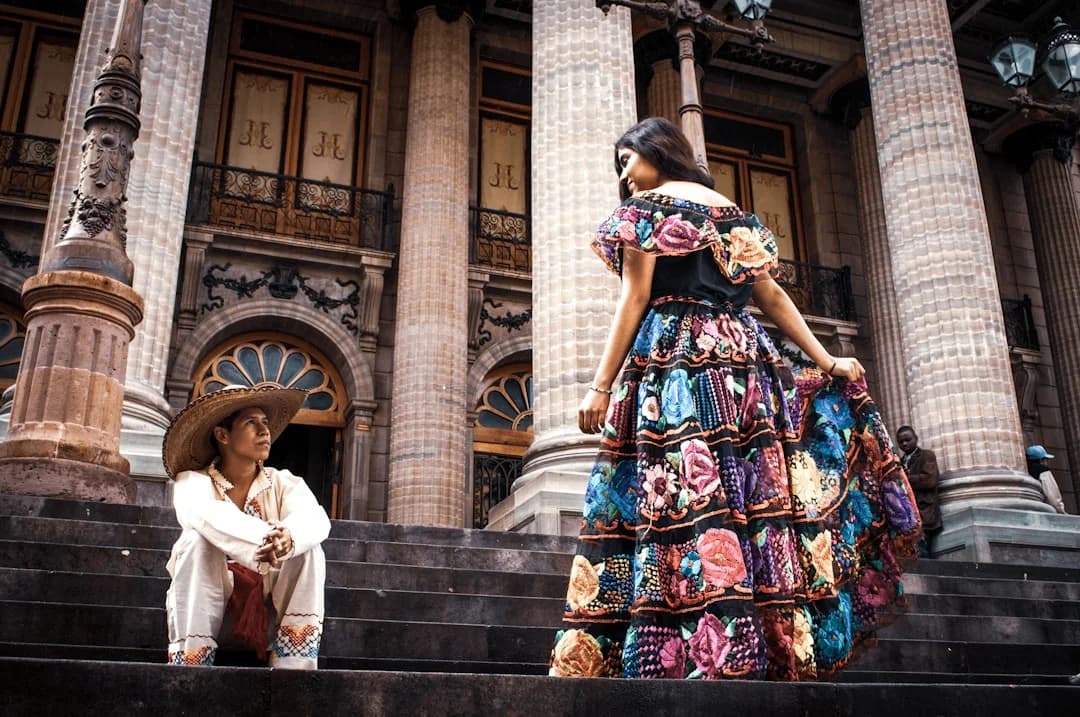
Photo by Walter Olivares on Unsplash
As we move through 2026, moda latina en EE. UU. 2026 is moving from a cultural niche to a central driver of American fashion and retail strategy. The Latino population in the United States remains a powerful force shaping what people wear, how they shop, and where brands invest. In 2026, the convergence of demographic growth, digital commerce, and technology-enabled merchandising is accelerating the pace at which Latina identities, aesthetics, and business models influence the broader fashion ecosystem. This is not merely a story about logos and runways; it’s a data-backed transformation in which brands—ranging from multinational labels to Latina-owned startups—are recalibrating supply chains, distribution, and storytelling to meet a diverse and tech-savvy audience. According to Nielsen’s 2025 Diverse Intelligence Series, the United States counts 68.1 million Hispanic residents, representing about one-fifth of the population, and this group continues to influence trends across media, sports, and shopping. The size and dynamism of this audience are reshaping what “made in the USA” fashion means in practice and driving growth in segments once considered niche. (nielsen.com)
Industry observers describe a related wave of policy and market initiatives designed to support domestic production, talent development, and authentic cultural storytelling. In early 2026, the Council of Fashion Designers of America (CFDA), with support from Ralph Lauren, announced two new grant programs aimed at strengthening American fashion manufacturing, boosting regional production capabilities, and expanding workforce development. The FMI (Fashion Manufacturing Initiative) and the NY Forward Grant Fund are positioned to funnel resources into New York’s Garment District and other key production hubs, signaling a policy and industry alignment around local, skilled manufacturing at a moment when tariff-related disruption has compelled brands to rethink supply chains. These developments sit alongside industry-wide trends highlighted by The State of Fashion 2026, which notes the growing role of AI-assisted shopping, data-driven merchandising, and a push toward more efficient, resilient operations. (cfda.com)
The year’s calendar also underscores how global Latin American fashion systems intersect with the U.S. market. Inexmoda’s 2026 agenda points to a rhythm of major events that connect Latin America’s fashion system to North American buyers, with Colombiatex de las Américas kicking off in Medellín on January 27–29, 2026, followed by links to Miami through Colombiamoda and related platforms, and the technology-forward Nextech by Colombiatex. These fairs are designed to illuminate supply chains, sourcing hubs, and the role of technology in production and distribution—elements increasingly central to moda latina en EE. UU. 2026 as brands seek faster, smarter routes to U.S. consumers. The events are part of a broader regional strategy to place Latin American fashion on the global map at a moment when global fashion consumption accounts for shifting dynamics amid tariff and supply-chain pressures. (inexmoda.org.co)
Opening with the news, the 2026 landscape is defined by a growing Latino consumer footprint, a wave of Latina-owned brands expanding into U.S. channels, and a set of tech-enabled, policy-supported mechanisms designed to strengthen domestic production. The combination of demographic momentum, corporate investment in manufacturing, and AI-driven retail experiences positions moda latina en EE. UU. 2026 as more than a cultural trend; it is a structured, measurable shift in how fashion markets operate and how brands compete. This has direct implications for retailers, designers, and policymakers who must respond to a U.S. market where Hispanic shoppers drive a disproportionate share of growth and increasingly demand authentic representation across channels. (nielsen.com)
What Happened
Colombiatex and the Americas: A 2026 Trade-Show Gateway
- Colombiatex de las Américas 2026: Medellín’s Plaza Mayor will host the 38th edition of Colombiatex de las Américas from January 27–29, 2026. The fair is positioned as a “smart sourcing” hub, bringing together suppliers, textiles, and tech-enabled production partners from across the region to explore new global sourcing maps and to understand how data, traceability, and automation are redefining supply chains. The event signals a continuing commitment to efficiency, sustainability, and competitiveness as Latin American fashion seeks to scale into the U.S. market and beyond. (nferias.com)
- Colombiamoda Miami and Related Initiatives: In its 2026 program, Inexmoda also features Colombiamoda Miami as a bridge between Latin American luxury and U.S. markets, with Colombia Fashion Week expanding its reach to Miami and back to Medellín. The agenda highlights that the U.S. market represents a substantial share of global fashion consumption and is a primary anchor for Latin American brands seeking scale. (inexmoda.org.co)
- Nextech by Colombiatex: The 2026 calendar includes Nextech by Colombiatex (Sept. 22–24), a technology-focused event that integrates machinery, logistics, data analytics, biomaterials, and other innovations. Nextech is designed to help brands understand omnichannel demands and how digital tools can improve efficiency and consumer reach, aligning with the broader industry move toward tech-enabled fashion. (inexmoda.org.co)
CFDA-Brand Collaboration and U.S. Manufacturing Push
- On January 7, 2026, CFDA and Ralph Lauren announced two new grant programs designed to strengthen American fashion manufacturing and support workforce development. The CFDA x NY Forward Grant Fund and the U.S. Fashion Manufacturing Fund are intended to provide partial matching grants to designers and manufacturers in key U.S. regions, with the aim of promoting domestic production, resilience, and job creation. This is a concrete signal that the U.S. fashion ecosystem intends to deepen local capabilities to serve a growing, culturally diverse consumer base, including moda latina en EE. UU. 2026. (corporate.ralphlauren.com)
New York Fashion Week and Latina Designers on the Rise
- New York Fashion Week (NYFW) entries for early 2026 featured significant Latina and Latin American designer participation, including initiatives by FDLA (Fashion Designers of Latin America) and related programs that showcase Latin American designers on U.S. runways. The participation underscores a growing visibility and demand for Latinx design perspectives during one of fashion’s most influential platforms. This is consistent with broader industry coverage and industry-organized efforts to elevate diverse designers within the American fashion calendar. (wearemitu.com)
Policy-Driven Momentum in 2026
- The CFDA’s FMI program, already a fixture of U.S. fashion manufacturing policy, continues to be a central mechanism for fostering regional manufacturing resilience and workforce development. The 2026 announcements align with the broader aim of ensuring that U.S. fashion brands, including Latina-led and Latina-inclusive brands, can compete effectively in a landscape shaped by tariffs, digital acceleration, and shifting consumer expectations. (cfda.com)
Key Market Data and Context
- Demographics and spending: The U.S. Hispanic population stands at approximately 68.1 million people, accounting for about 20% of the national population. This demographic concentration translates into distinct shopping patterns, brand affinities, and demand for culturally resonant fashion narratives. For brands and retailers, this creates both a larger addressable market and a demand for authentic representation across channels. (nielsen.com)
- Consumer spending and growth: Independent market analyses project that Hispanic consumers will continue to drive a meaningful portion of U.S. retail growth in 2026, with spending power strengthening as the population remains a sizable segment of overall growth. While total market figures vary by source, the pattern is clear: Hispanic consumers hold outsized influence on fashion, beauty, and lifestyle channels, and this influence is expected to persist through 2026 and beyond. (globenewswire.com)
Section 1 Subsections
- What Happened: Market Infrastructure and Brand Momentum
- Trade shows and sourcing platforms advanced in 2026, with Colombiatex de las Américas in Medellín (Jan 27–29, 2026) and related events positioning Latin American fashion as a major global sourcing node. This signals a renewed focus on efficiency, traceability, and technology in cross-border supply chains that feed U.S. retailers and e-commerce platforms that serve moda latina en EE. UU. 2026. (nferias.com)
- U.S. manufacturing policy intensified, with the CFDA-Ralph Lauren FMI and NY Forward initiatives designed to strengthen domestic production capabilities and workforce pipelines. This policy momentum directly supports brands that aim to serve a diverse U.S. market, including Latina-led businesses and Latinx designers seeking to scale in the United States. (corporate.ralphlauren.com)
- Latinas on the runway and in leadership roles: NYFW and FDLA-linked initiatives highlighted Latin American design voices on major U.S. stages, signaling sustained momentum for Latinx fashion in the American market. This visibility matters not only for brand recognition but also for retail partnerships, press narratives, and consumer trust in moda latina en EE. UU. 2026. (wearemitu.com)
Section 2: Why It Matters
Demographic Momentum and Economic Impact
- The Hispanic population in the United States remains a powerful engine of growth for fashion and consumer goods. Nielsen’s 2025 Diverse Intelligence Series emphasizes the scale of this demographic, noting 68.1 million Hispanic residents and a substantial share of media and cultural influence that translates into shopping behavior across fashion, beauty, and lifestyle segments. Brands that tailor experiences to Hispanic consumers—whether through product assortment, storytelling, or community partnerships—stand to gain in 2026 and beyond. (nielsen.com)
Technology, AI, and Data-Driven Merchandising
- The State of Fashion 2026 from McKinsey highlights a broader industry shift toward AI-enabled shopping, data-driven assortment, and more efficient operating models as central to growth in a turbulent environment. This technology wave intersects with moda latina en EE. UU. 2026 in several ways: Latina-led brands can leverage AI-driven personalization and omnichannel strategies to reach U.S. consumers directly and efficiently, while established brands seek to optimize supply chains and consumer experiences in a diverse market. The report also underscores the importance of building resilience through smarter sourcing and channel integration, which is crucial as tariffs and global dynamics reshape fashion’s value chain. (mckinsey.com)
Brand-Led Growth and Latina Market Penetration
- Latina-owned fashion and beauty brands have gained visibility in U.S. markets, reflecting a broader consumer trend toward culturally resonant products and inclusive brand narratives. Media outlets and industry watchers are tracking Latina-owned brands that are expanding into mainstream channels and department stores, signaling a more prominent role for moda latina en EE. UU. 2026 within the U.S. fashion ecosystem. This includes beauty and fashion lines that emphasize Latinx heritage and contemporary style, illustrating how cultural identity and commerce intersect in tangible ways. (fiercebymitu.com)
Industry Realignment and Policy Support
- CFDA’s 2026 FMI initiatives, reinforced by Ralph Lauren, reflect a strategic intent to preserve domestic manufacturing competencies and to broaden workforce development. For Latina and Latinx brands, this shift could translate into more accessible manufacturing partnerships, more resilient supply chains, and greater capacity to serve U.S. retailers and e-commerce platforms that demand consistent quality and ethical standards. The alignment of policy, industry organizations, and private-sector partners signals a structural shift that could accelerate U.S. market access for moda latina en EE. UU. 2026. (cfda.com)
Broader Cultural and Market Context
- The 2026 calendar and accompanying analyses underscore that U.S. fashion is increasingly bilingual, bicultural, and global in its sourcing and storytelling. The Latin American fashion system’s integration with U.S. markets—via fairs, fashion weeks, and cross-border collaborations—creates a dynamic platform for brands that are rooted in Latinx aesthetics and sensibilities to scale. This is reinforced by industry coverage of NYFW, FDLA initiatives, and Latin American brand showcases that bring diverse design voices into the American fashion conversation. (wearemitu.com)
Section 2 Subsections
- Demographic and Consumer Dynamics
- The Hispanic population’s size and age profile, coupled with spending patterns, means that fashion brands cannot ignore Hispanic consumers in 2026. The Nielsen analysis provides a clear baseline for planning: a large, young, and culturally influential audience that expects brands to reflect their values and experiences. This dynamic informs product development, marketing narratives, and store concepts across retailers and e-commerce platforms. (nielsen.com)
- Tech-Driven Retail and Supply Chain Transformation
- The State of Fashion 2026 maps a path toward AI-assisted shopping experiences, smarter merchandising, and more efficient supply chains—key enablers for Latina-focused fashion businesses aiming to reach U.S. consumers quickly, accurately, and with a culturally resonant voice. This is not about gimmicks; it’s about leveraging data and technology to deliver relevant products to diverse communities at scale. (mckinsey.com)
- Policy and Talent—A Northern Hemisphere Perspective
- The CFDA-Ralph Lauren FMI programs reflect a broader push to bolster domestic talent pipelines and manufacturing capacity that can serve a growing and diversified consumer base. For moda latina en EE. UU. 2026, these policies could translate into more opportunities for Latina designers and manufacturers to partner with U.S. brands and retailers, supporting sustainable growth and job creation. (cfda.com)
What’s Next
Near-Term Milestones and Market Signals
- 2026 trade-show calendar continues to emphasize North-South collaboration. Colombiatex de las Américas (Jan 27–29, 2026) will again position Medellín as a global sourcing hub, with a network that includes technologies and services designed to improve visibility and efficiency across the supply chain. The event’s emphasis on smart sourcing and digital tooling signals where the fashion system is headed: more data, more agility, and more cross-border collaboration, including ties to U.S. retailers seeking diverse product streams and authentic Latin American design narratives. (nferias.com)
- U.S. fashion weeks and Latinx representation: NYFW in February 2026 will continue to evolve as a platform for Latinx designers to present collections to a broad audience. The CFDA and FDLA-focused activities are expected to expand, with more collaborations, grants, and fashion presentations that spotlight Latinx talent and pathways to U.S. markets. This momentum is likely to drive press coverage, consumer interest, and retailer partnerships in 2026 and into 2027. (us.fashionnetwork.com)
- Manufacturing and workforce programs: The FMI and NY Forward initiatives are expected to roll out funding cycles through 2026 and 2027, with applicants seeking grants for equipment, workforce training, and regional manufacturing upgrades. Latina-led fashion brands and manufacturing partners could benefit from these programs as they scale domestic production, reduce lead times, and improve supply-chain resilience. (corporate.ralphlauren.com)
Longer-Term Outlook
- The converging trends—demographic growth, policy support for manufacturing, and AI-enabled retail—suggest that moda latina en EE. UU. 2026 could become a more integrated part of mainstream fashion discourse. Brands that combine culturally resonant design with efficient, tech-enabled operations and strong U.S. manufacturing partnerships will likely outperform peers who rely on traditional channels alone. Industry observers highlight that the fashion system is moving toward resilience through smarter sourcing, more transparent supply chains, and consumer experiences that blend offline and online engagement in authentic, culturally grounded ways. (mckinsey.com)
Section 3: What’s Next
- The fashion market in 2026 is poised to accelerate the integration of Latina designers and Latina-owned brands into major U.S. retail and e-commerce ecosystems, backed by manufacturing reforms and technology-driven merchandising. Expect an increasing number of brand collaborations that celebrate Latinx heritage while offering modern, scalable product lines. Retailers will prioritize inclusive marketing and local sourcing where feasible, leveraging data-driven insights to tailor assortments to Hispanic and multilingual shoppers across regions with large Latino populations. The policy and industry alignment around manufacturing and supply chains will further enable domestic production, reduce lead times, and improve the availability of fashion pieces that reflect moda latina en EE. UU. 2026. (nielsen.com)
Closing The year ahead will reveal how fashion, technology, and cultural identity intersect in real-time. Moda latina en EE. UU. 2026 is not a single event or a single collection; it’s a multi-channel, multi-brand, data-informed evolution that yields new products, new retailers, and new pathways for designers and manufacturers alike. For readers and industry watchers, the essential takeaway is clear: the U.S. market is growing more diverse, technologically enabled, and economically consequential for fashion than ever before. To stay ahead of the curve, follow EE.UU. Hoy’s ongoing coverage of fashion technology, market trends, and Latina-led brand developments as 2026 unfolds.
In the coming months, we’ll continue to track how demographic shifts, policy changes, and digital retail innovations intersect with the creativity and entrepreneurship that define moda latina en EE. UU. 2026. Readers will see deeper data-driven analyses, retailer spotlights, and brand profiles that illuminate how the industry is adapting to a changing consumer mosaic, with a focus on technology-enabled growth, supply chain transparency, and authentic storytelling that resonates with Latino communities across the United States.
As always, for readers seeking the latest, EE.UU. Hoy will provide timely updates, expert commentary, and data-backed context to help businesses and consumers navigate the evolving landscape of moda latina en EE. UU. 2026.