 EE.UU. Hoy
IA éTica En Publicidad Hispana En EE. UU. 2026

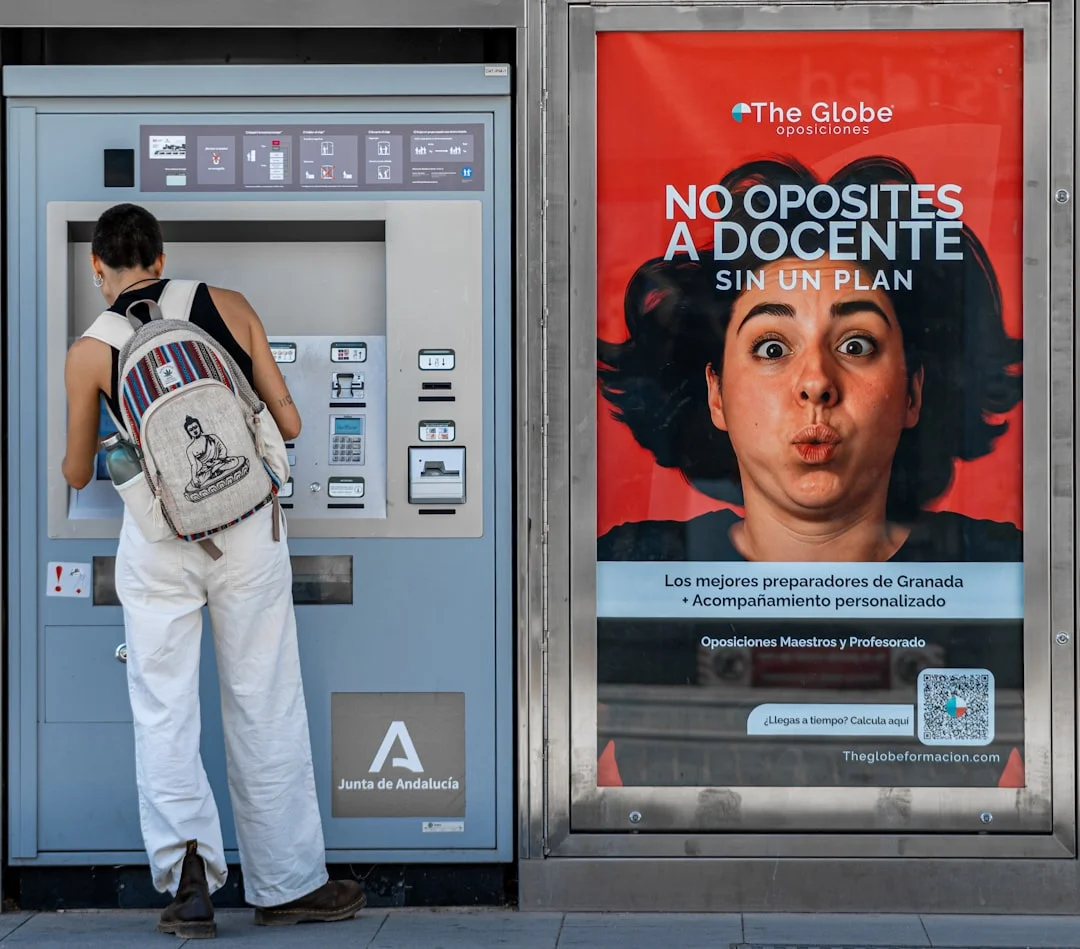
Photo by Hanlin Sun on Unsplash
The advertising industry in the United States moved this year to codify how artificial intelligence can be used ethically in campaigns aimed at Hispanic audiences. On January 15, 2026, the Interactive Advertising Bureau (IAB) introduced what it called the industry’s first AI Transparency and Disclosure Framework, a milestone designed to guide brands, agencies, publishers, and platforms as AI-generated content becomes more common in advertising. This move arrives as regulators and self-regulatory bodies push for greater clarity on when AI shapes what consumers see, hear, and experience online. The framework seeks to balance speed and scale with consumer trust, aiming to reduce regulatory risk while preserving room for innovation. (iab.com)
The momentum extends beyond a single framework. Across the sector, authorities and industry bodies are signaling that AI in advertising must be accountable, transparent, and aligned with consumer protection norms. In parallel, New York State enacted a law requiring conspicuous labeling for AI-generated “synthetic performers” in ads, which took effect in June 2026 and illustrates how jurisdictions are moving to curb potential deception in AI-driven campaigns. At the same time, international bodies are publishing guidance on responsible AI use in marketing, reinforcing the idea that transparency and ethical considerations must accompany technological advancement. (apnews.com)
The conversation around IA ética en publicidad para audiencias hispanas en Estados Unidos 2026 is now a central thread in how publishers, advertisers, and policymakers discuss language, culture, and trust in digital marketing. Industry watchers note that Hispanic audiences in the United States are a fast-growing segment with particular media consumption patterns that demand careful attention to how messages are crafted and disclosed. This framing—ethics, transparency, and local relevance—has become a reference point for evaluating campaigns that target Hispanic communities. (pewresearch.org)
What Happened
Announcement Details
The IAB’s January 15, 2026 launch of the AI Transparency and Disclosure Framework marks a defining moment for how AI is disclosed in advertising across all media, with explicit relevance to campaigns targeting Hispanic audiences. The Framework uses a two-layer approach: consumer-facing disclosures for ad content and machine-readable metadata to support technical compliance. It focuses disclosures on scenarios where AI materially affects authenticity, identity, or representation in a way that could mislead consumers, including AI-generated imagery, voices, avatars, or chatbots embedded in ads. The Framework emphasizes proportionality and consumer impact rather than blanket labeling. (iab.com)
The framework also draws attention to the broader regulatory context, noting momentum from multiple fronts, including ongoing regulatory momentum in the United States and related global developments. This alignment with global expectations is consistent with the IAB’s aim to provide practical guidance that helps brands stay ahead of emerging rules while maintaining consumer trust. (iab.com)
Regulatory and Industry Response
In parallel with the IAB development, the ICC published guidance in March 2026 on applying the ICC Advertising and Marketing Communications Code to AI and marketing. The ICC guidance reiterates core code principles—lawfulness, decency, honesty, and truthfulness—while acknowledging AI’s growing role in campaign creation. It includes checklists for organizations and marketers to assess governance, data integrity, disclosures, and audience risk, with explicit references to how to approach AI disclosures for sensitive or vulnerable audiences. This document is part of a broader effort to harmonize industry self-regulation with evolving laws and consumer expectations. (iccwbo.org)
The FTC’s advertising and marketing guidance remains a complementary reference point. The FTC emphasizes that truthful, non-deceptive advertising principles apply online just as they do offline, and it highlights resources on Endorsements, Influencers, and Reviews, as well as general online advertising practices. While the FTC has not issued a single AI-specific rule, its public-facing resources underscore the need for accuracy, substantiation, and consumer protection in AI-enabled campaigns. (ftc.gov)
The New York synthetic performers law, highlighted by AP News, represents one of the earliest state-level attempts to translate AI transparency into enforceable rules for advertising. The law requires conspicuous labeling for AI-generated performers in ads and imposes penalties for non-compliance, signaling that jurisdictions are willing to impose concrete consequences for misleading AI usage in advertising. This development matters for brands that run nationwide or multi-state Hispanic-ad campaigns, given the potential legal exposure and the need for consistent disclosures. (apnews.com)
Key Facts and Timelines
- January 15, 2026: IAB launches the AI Transparency and Disclosure Framework to guide responsible AI use in advertising. The framework includes consumer-facing labels and machine-readable metadata to support compliance and transparency. (iab.com)
- March 2026: ICC issues guidance on responsible AI in marketing, providing checklists and best practices for governance, data integrity, disclosures, and audience risk. (iccwbo.org)
- June 9, 2026: New York’s synthetic performers law takes effect, mandating conspicuous disclosure when AI-generated performers are used in ads and outlining penalties for non-compliance. (apnews.com)
- Ongoing 2026: U.S. regulators, including the FTC, continue to provide consumer-protection guidance relevant to AI-enabled advertising, emphasizing truthfulness and substantiation in advertising claims. (ftc.gov)
- August 2025 onward: The IAB’s AI Governance and Risk Management Playbook provides a framework for governance, risk assessment, and responsible AI usage across advertising use cases, underscoring that AI adoption must be accompanied by clear policies and oversight. While published earlier, it remains a reference for 2026 and beyond. (iab.com)
In short, the major announcements in 2026 reflect a converging regulatory and industry stance: AI in advertising must be transparent, fair, and accountable to consumers, with particular attention to language, culture, and local contexts when addressing Hispanic audiences. The convergence of IAB, ICC, and state-level actions, reinforced by FTC principles and independent research on Hispanic audiences, provides a multi-faceted backdrop for any campaign in 2026. (iab.com)
Why It Matters
Impact on Hispanic Audiences

Hispanic audiences in the United States are diverse in language preference and media consumption habits. Pew Research Center notes that Hispanic/Latino adults exhibit varied language use and news consumption patterns, with roughly half of U.S.-born Latinos preferring English for news, and a substantial share of immigrant Latinos consuming news in Spanish or bilingual formats. These patterns have direct implications for how AI-generated content should be disclosed and how messages should be localized to avoid miscommunication or perceptions of manipulation. The study emphasizes the importance of language accessibility and culturally resonant content in building trust with Hispanic audiences. (pewresearch.org)
Nielsen’s Diverse Audience Report focusing on U.S. Hispanic audiences highlights the role of inclusive content and authentic representation in strengthening brand relationships and driving engagement. The report underscores that media planning should consider channel-specific preferences and the impact of content that reflects Hispanic experiences in a way that feels genuine rather than perfunctory. In a data-driven market, these insights help advertisers calibrate AI-driven personalization and localization with cultural sensitivity. (nielsen.com)
The industry and regulators also recognize the need to balance personalization with respect for audience diversity. The IAPP’s analysis of AI in advertising points to ethical risks such as algorithmic bias and data privacy concerns, urging transparency and human oversight as essential components of responsible AI governance. The emphasis on ethical practices is a signal to the market that Hispanic-focused campaigns must go beyond mere compliance to actively protect consumer interests and foster trust. (iapp.org)
Industry Responses
The IAB’s AI Transparency and Disclosure Framework is a practical step toward standardizing disclosures in AI-enabled campaigns. It provides a structured way to label AI-influenced content, including AI-generated imagery and voice, which matters for campaigns that might feature Hispanic actors, communities, or cultural references. The emphasis on consumer impact aims to close the gap between advertiser perceptions of how ads are received and actual consumer experiences, a gap that affects trust in Hispanic-market campaigns as well. (iab.com)
ICC’s March 2026 guidance reinforces the idea that AI adoption in marketing must align with the ICC Code’s core principles. The checklists encourage organizations to assess governance, transparency, and audience risk, including considerations for cultural and local sensitivities. By offering concrete questions and checklists, ICC guidance provides a framework for advertisers to audit their AI tools and output before launching campaigns that reach Hispanic audiences. (iccwbo.org)
The FTC continues to anchor the U.S. consumer-protection baseline, reminding advertisers that truthful and substantiated claims are essential even as AI tools automate parts of the advertising workflow. While additional AI-specific rules may emerge, the basic tenets of honesty and evidence-based claims apply across digital channels, including those serving Hispanic communities. This baseline is crucial for maintaining credibility as AI-powered personalization grows. (ftc.gov)
Context and Background
The regulatory ecosystem around AI in advertising is evolving, with a mix of U.S. federal guidance, state-level actions, and international best practices. The IAB’s framework and ICC’s guidance sit alongside the broader trend of risk management playbooks and ethical standards that help organizations navigate a rapidly changing environment. The convergence of public policy, industry self-regulation, and research on Hispanic audiences suggests that 2026 is a pivotal year for establishing durable, trust-based practices in AI-enabled advertising that target Hispanic communities. (iab.com)
What’s Next
Upcoming Milestones
- Continued rollout of AI transparency disclosures across major platforms and ad networks, guided by the IAB Framework. Expect refinements to labeling guidance, particularly around multilingual content, local dialects, and culturally specific messaging in Hispanic markets. The IAB’s ongoing collaboration with industry players and consumer researchers will shape future iterations of the disclosure language and metadata standards. (iab.com)
- Expanded ICC checklists to address new AI capabilities and use cases, including more granular guidance on localization, persona generation, and de-identification of audience data. The ICC guidance anticipates regular updates as technology and market practices evolve. (iccwbo.org)
- State and municipal actions around AI in advertising will continue to surface, with New York’s synthetic performers law serving as a high-profile example of how regulators can enforce disclosure requirements. Other states may consider similar approaches, creating a more uniform but still complex legal landscape for advertisers. (apnews.com)
Next Steps for Advertisers
- Build AI governance that explicitly includes Hispanic audiences, language considerations, and local cultural nuances. The IAB Playbook (though initially published in 2025) remains a relevant reference for governance, risk, and accountability in AI-enabled campaigns. Marketers should integrate these practices into their procurement, development, and QA processes to meet evolving standards. (iab.com)
- Implement robust disclosure practices for AI-generated content targeting Hispanic audiences. The IAB Framework provides concrete labeling strategies and metadata standards; brands should align their creative workflows to ensure disclosures are clear, consistent, and easily accessible to consumers. (iab.com)
- Prioritize risk assessment around data usage, bias, and transparency. The ICC guidance emphasizes evaluating how AI-driven outputs may affect trust and representation, particularly for culturally sensitive audiences. Companies should conduct pre- and post-campaign reviews to guard against unintended bias or misrepresentation. (iccwbo.org)
- Stay informed about ongoing FTC guidance and enforcement actions related to online advertising and AI. While there is not a single AI-specific rule yet, the core principles of truthful advertising, substantiation, and consumer protection apply across digital campaigns. (ftc.gov)
What to Watch For
- Consumer sentiment data on AI-generated ads among Hispanic audiences. Early industry research, including IAB-supported studies, suggests a gap between advertiser optimism and consumer skepticism, underscoring the need for transparent disclosures and high-quality creative. Brands should monitor shifts in trust and adjust their practices accordingly. (iab.com)
- Language and localization metrics for Hispanic campaigns. As the Hispanic market remains linguistically diverse, the ability to tailor messages in English, Spanish, or bilingual formats will be critical. Pew’s findings about language use among Hispanics and Nielsen’s emphasis on inclusive content provide a roadmap for calibrating AI-generated content at the local level. (pewresearch.org)
- The regulatory landscape’s trajectory. With FTC, ICC, and state-level actions converging toward greater transparency and accountability, expect more formalized standards, potential state-by-state compliance requirements, and ongoing industry self-regulation to interplay with platform policies. (ftc.gov)
Closing
The convergence of policy, industry guidance, and audience research signals a clear direction for IA ética en publicidad para audiencias hispanas en Estados Unidos 2026: advertising must be transparent, accountable, and culturally aware. The IAB’s AI Transparency and Disclosure Framework provides a practical foundation for disclosures, while ICC’s March 2026 guidance and ongoing FTC activities create a broad regulatory context that advertisers cannot ignore. For brands targeting Hispanic audiences, the practical implication is simple: design AI-enabled campaigns with explicit disclosures, rigorous governance, and a deep sensitivity to language, culture, and context. The weeks and months ahead will reveal how these frameworks translate into best practices on the ground, but the path is already visible: trust, transparency, and thoughtful localization are essential to succeed in a rapidly changing AI-driven advertising landscape. (iab.com)

To stay updated on how AI ethics intersects with Hispanic-focused advertising in the United States, readers can follow industry reports and regulatory updates, including IAB statements, ICC guidance, and FTC resources, as well as independent research from Pew and Nielsen that illuminate how Hispanic audiences engage with media and ads. This multi-source approach ensures a balanced, data-driven view of a dynamic market where technology, culture, and policy are continually evolving. (pewresearch.org)