Gastronomía latino-fusión EE. UU. 2026: Trends and Tech Impact

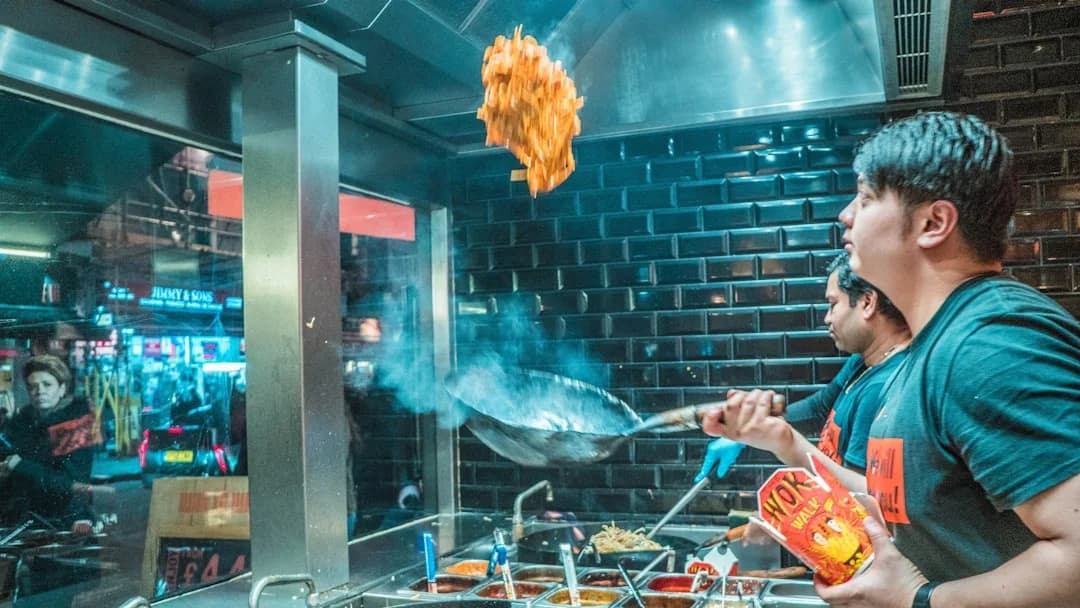
Photo by Miquel Parera on Unsplash
In 2026, the United States is witnessing a defining moment for gastronomía latino-fusión EE. UU. 2026 as fusion concepts move from niche experiments to mainstream dining experiences. A data-driven view of the landscape shows that Latin flavors continue to reshape the American food scene, underpinned by both consumer demand and a wave of entrepreneurship led by Latino-owned businesses. This year’s reporting highlights how technology—ranging from AI-enabled operations to enhanced digital ordering—accelerates growth while raising questions about labor, costs, and the preservation of cultural authenticity. For readers of EE.UU. Hoy, the bottom line is clear: Latin fusion is no longer a trend confined to urban kitchens; it is a substantial, evolving market with wide geographic reach and measurable economic impact. The opening data point is striking: Mexican cuisine remains the backbone of the sector, with tens of thousands of restaurants and hundreds of billions in revenue, even as other Latin sub-cuisines gain visibility and scale. (ibisworld.com)
Beyond the restaurant counter, Latino entrepreneurship is reshaping the broader economy. Stanford's decade-long look at Latino-owned businesses shows sustained growth in both number and revenue, with a notable emphasis on technology and sustainability as levers for scale. The 2024–2025 findings document a continuing surge in Latino leadership across industries, including food and hospitality, and signal a broader shift toward tech-enabled, data-driven operations in Latino-owned firms. This context matters for gastronomía latino-fusión EE. UU. 2026 because the ecosystem now blends culinary innovation with entrepreneurial acceleration, investment, and digital transformation. (news.stanford.edu)
Section 1: What Happened
Market Size and Growth in 2025–2026
Mexican restaurants in the United States remain the dominant force within the hospitality segment, with IBISWorld reporting approximately 52,000 establishments and about $105.1 billion in revenue in 2025. This figure places Mexican cuisine as a central pillar of the broader Latino food economy, while underscoring the scale the sector has attained since the early 2000s. The data also show a large workforce behind the sector, with roughly 1 million employees employed within these businesses. This level of activity helps explain why gastronomía latino-fusión EE. UU. 2026 is being discussed not only as a culinary trend but as a consequential economic driver in multiple metro areas and secondary markets alike. (ibisworld.com)
The same 2025 IBISWorld update confirms a long tail of diversification within the Latin food landscape. While the Mexican category remains the engine, other Latin sub-cuisines are expanding presence in major markets, from Peruvian ceviche concepts to Central American-inspired eateries. This broadens the definition of "gastronomía latino-fusión EE. UU. 2026" beyond tacos and tortillas to include elevated, ingredient-forward menus that blend regional influences with contemporary techniques. The trend is consistent with other independent market analyses that emphasize geographic diffusion and brand diversification as keys to longevity in the space. (ibisworld.com)
Notable Industry Announcements and Openings
A wave of new openings and concepts illustrates how the market is translating data into action. Local launches and prototype remodels, such as Latino fusion concepts that pair walk-up service with outdoor, family-friendly atmospheres, reflect a shift in how consumers expect dining experiences to feel and function in 2026. These openings—ranging from neighborhood-scale concepts to more ambitious builds—signal a broader appetite for Latin fusion storytelling at street-level price points and hospitality experiences. While these pieces of news are highly local in nature, they align with national patterns observed in market data and entrepreneurship research. (axios.com)

Photo by Erik Karits on Unsplash
Investment and Brand Momentum
The market is seeing meaningful investments and franchising activity in Latino-led brands and concepts. Brookings and Stanford-linked research emphasize that Latino-owned businesses—especially those in food services—are expanding access to capital and corporate contracts, though challenges remain in scale and procurement. The data point that Latino entrepreneurs collectively contribute hundreds of billions to the economy, with millions of jobs, provides a backdrop to interpret the pace of openings and partnerships in 2026. This period also marks a growing interest from large and mid-sized operators to collaborate with Latino chefs and brands to diversify menus and tap into authentic regional flavors. (brookings.edu)
Data-Driven Narratives and AI Adoption
A central storyline in 2026 is the integration of technology to support Latin fusion concepts at scale. Stanford’s ongoing research into Latino entrepreneurship highlights that roughly one-fifth of Latino-owned businesses report using AI or similar advanced technologies, with goals centered on improving product quality, automating processes, and expanding service capabilities. The numbers underscore a shift from artisanal-only models to hybrid operations that balance craftsmanship with data-driven efficiency. For gastronomía latino-fusión EE. UU. 2026, this signals not only better ordering and supply-chain optimization but also opportunities for personalized dining experiences and improved cost management. (gsb.stanford.edu)

Section 2: Why It Matters
Economic Impact Across Industries
The scale of the Latin food economy in the United States is not only about restaurants. Latino entrepreneurship—the backbone of the broader economy—shapes employment, supply chains, and consumer markets. Stanford’s decade-long State of Latino Entrepreneurship reports reveal that Latino-owned businesses increased by 44% between 2018 and 2023, with total revenues rising by about 36% in the same period. Although many Latino-led firms remain under the $1 million annual revenue mark, the aggregate impact is substantial: if Latino-owned businesses equaled the average revenue of white-owned firms, the U.S. economy could gain trillions in additional output. This context matters for gastronomía latino-fusión EE. UU. 2026 because food-focused entrepreneurship often leads to spillovers—new suppliers, innovative food-tech partnerships, and cross-industry collaboration—that reshape regional economies, especially in diverse urban centers and evolving suburban corridors. (news.stanford.edu)
The broader investment narrative is equally important. Brookings’ analysis argues that targeted investments in Latino-owned businesses can yield outsized regional and national benefits, particularly when coupled with access to procurement, digital tools, and SME finance. The food and hospitality sector—noted for its resilience and adaptability—stands to benefit from such policy and private-sector initiatives. As gastronomy evolves toward more technologically enabled operations, these investments can accelerate modernization while preserving cultural authenticity. (brookings.edu)
Technology, Data, and Customer Experience
Technology’s role in gastronomía latino-fusión EE. UU. 2026 is more than automation; it’s about enabling scale without eroding the essence of the cuisine. AI, data analytics, and digital ordering empower restaurateurs to optimize inventory, forecast demand for seasonal Latin ingredients, and craft more precise menus that honor regional cuisines while meeting contemporary palates. The Stanford research suggests a parallel trend: Latino entrepreneurs embrace technology to reach new markets, improve profitability, and build stronger brands. This convergence of culture and technology is a defining feature of the current moment in the U.S. Latin food ecosystem. (gsb.stanford.edu)

Photo by adils photography on Unsplash
Consumer Demand and Culinary Diversity
From a consumer standpoint, the United States continues to diversify its palate. The expansion of Latin fusion concepts—featuring Peruvian ceviche with Japanese ingredients, Mexican-Korean hybrids, or Caribbean-influenced plates adapted to regional tastes—illustrates a trend toward cross-cultural storytelling at the plate. Market observers note that this kind of culinary experimentation is increasingly finding support in mainstream channels, including food halls, culinary pop-ups, and national restaurant groups seeking to differentiate with authentic experiences. The data supports a broader pattern: Latin flavors are not a temporary craze but a durable, broad-based influence on American dining. (eater.com)
Cultural and Social Context
Policy discussions and labor-market dynamics intersect with gastronomy. The growth of Latino-owned businesses has profound implications for local communities, workforce development, and immigrant integration in the U.S. Contextual reports emphasize that Latinos are starting firms at higher rates than the national average, with implications for wages, employment benefits, and regional demographic shifts. While challenges persist—access to capital and contracts remain recurring themes—the overall arc remains one of resilience and expansion. This backdrop informs how we interpret gastronomía latino-fusión EE. UU. 2026 as not only a culinary movement but a socio-economic phenomenon. (news.stanford.edu)
Competitive Dynamics Among Brands and Concepts
Within a crowded U.S. market, Latin fusion concepts compete on flavor storytelling, authenticity, price value, and experience design. Data points about the scale of the Mexican restaurant segment and the breadth of Latino entrepreneurship help explain the strategic moves by both independent operators and large chains. For consumers, this translates into more options, broader geographic reach, and more consistent quality. For operators, it translates into a more complex competitive landscape where technology, supply chain partnerships, and cross-cultural collaboration can be decisive differentiators. (ibisworld.com)
Implications for Education and Talent
The technology-forward trajectory of gastronomía latino-fusión EE. UU. 2026 has educational and workforce implications as well. Programs like the Stanford LBAN Education Scaling Program demonstrate how training and mentorship can bolster Latino entrepreneurship, equipping founders with the tools to scale operations, negotiate contracts, and build sustainable teams. As hospitality and food businesses become more data-driven, the demand for talent with both culinary and tech-savvy capabilities will rise. This is a defining trend that educators, industry groups, and policymakers are beginning to address more directly. (news.stanford.edu)
Section 3: What’s Next
Near-Term Milestones
Looking ahead to the next 12–18 months, expect continued expansion of Latin fusion concepts across midsize and smaller markets, with increased visibility of non-Mexican Latin cuisines like Peruvian, Colombian, and Central American flavors. Local openings and remodellings—especially concepts leveraging outdoor, flexible dining formats—will be a recurring pattern in city centers and transit-rich suburbs. The 2026 data landscape suggests a steady pipeline of ventures that blend tradition with modern tech-enabled service models, including improved online ordering, delivery optimization, and guest experience personalization. In specific urban areas, new Latino fusion concepts are likely to become community staples, echoing the broader growth trajectory observed in 2025 data. (axios.com)
What to Watch for in 2026 and Beyond
As 2026 unfolds, the most telling indicators will be shifts in profitability, access to capital, and the degree to which AI and analytics become standard practice in Latino-owned food businesses. Expect to see:
- More partnerships between Latin chefs and technology platforms to optimize supply chains and reduce waste, aligning with sustainability trends noted in Stanford’s research. (news.stanford.edu)
- A more diverse menu landscape that reflects regional Latin flavors beyond the familiar Mexican staples, supported by data on the broader Latin culinary portfolio. (ibisworld.com)
- Cross-border collaborations and pop-ups that bring Latin fusion concepts from major markets to secondary markets, expanding the geographic footprint of gastronomía latino-fusión EE. UU. 2026. (axios.com)
- Continued emphasis on branding and storytelling that resonates with diverse audiences while maintaining culinary integrity, a trend highlighted by industry observers and researchers alike. (eater.com)
What this means for operators is clear: 2026 is a year to balance scale with soul. Investors will favor firms that demonstrate not just growth in revenue, but also a thoughtful approach to gastronomy, culture, and community impact. The data-rich landscape provides a foundation for strategic decisions that will shape how Latin fusion evolves across the United States, both in the national discourse and in everyday dining rooms. (brookings.edu)
Closing
In sum, gastronomy and business in the United States are increasingly intertwined as gastronomía latino-fusión EE. UU. 2026 becomes a salient lens on how culture, markets, and technology intersect. The 2025 market data confirms the scale of Mexican cuisine within the U.S. restaurant economy, while broader Latino entrepreneurship reveals an ecosystem expanding through innovation, capital access, and digital adoption. For readers of EE.UU. Hoy, the takeaway is simple: the Latino fusion culinary impulse is moving from the margins to the mainstream, powered by data, driven by technology, and guided by a renewed commitment to quality, authenticity, and inclusive growth. To stay ahead, watch how new concepts blend legacy flavors with modern operations, and monitor the evolving investment and education programs that are shaping the next generation of Latino chefs, restaurateurs, and food-tech entrepreneurs. (ibisworld.com)
If you’d like, I can pull a concise, live briefing with the most current openings, brand announcements, and tech investments in gastronomía latino-fusión EE. UU. 2026 for your newsletter edition.