Gastronomía Latina Fusión 2026 EE. UU. Trends

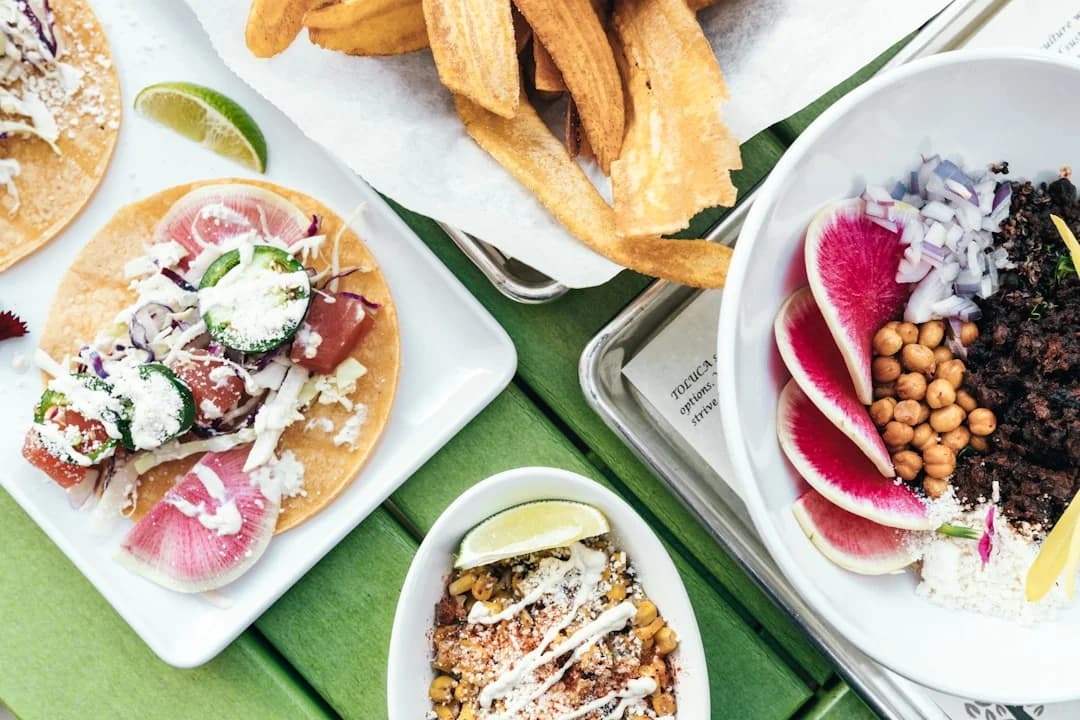
Photo by Spencer Davis on Unsplash
The United States’ dining landscape is increasingly being shaped by a distinct blend of Latin flavors and global culinary techniques. In early 2026, a notable development underscored this shift: a new Latino fusion concept announced for spring 2026 in Charlotte, North Carolina, signaling how quickly gastronomía latina fusión 2026 EE. UU. is moving from the experimental fringe to mainstream dining. La Vecina, a Latino fusion concept led by the teams behind Moo & Brew and Bocao Sushi, is slated to open outdoors on Plaza Midwood’s Central Avenue, with a menu that promises to fuse Latin street foods with contemporary American sensibilities. The announcement, reported by Axios on January 20, 2026, framed the project as a neighborhood-forward addition that leverages open-air dining and a cross-cultural beverage program. This development comes against a broader background of rising interest in Latin flavors across the United States and a growing appetite for cross-cultural culinary experiences. (axios.com)
As the industry tracks gastronomy trends in 2026, the launch of La Vecina sits squarely within a wider pattern: consumers want bolder, regionally grounded flavors, and restaurants are increasingly pairing Latin influence with other culinary traditions. A data-driven lens on this moment shows how Latin American flavors are infiltrating menus beyond traditional taquerias and Latin-focused concepts. Industry observers have documented sustained consumer openness to fusion concepts and regional specificity, a trend highlighted by recent market analyses and flavor outlook reports. In particular, 2023–2024 data from The Food Institute, drawing on Datassential and Technomic inputs, highlighted a strong appetite for new flavors, including Latin profiles, and a sizable interest in fusion concepts as a way to refresh menus. Those insights remain highly relevant as operators plan 2026 menus and expansions. (foodinstitute.com)
Section 1: What Happened
Announcement details
- The centerpiece news: La Vecina, described as outdoor Latino fusion dining, announced its spring 2026 opening for Plaza Midwood, Charlotte, on Central Avenue at 1306 Central Ave. The concept is a collaboration among operators behind Moo & Brew and Bocao Sushi, signaling a cross-pollination of approaches from different cuisines. The full announcement emphasized an open-air format designed to leverage favorable weather and a neighborhood-friendly vibe, with a menu anchored in Latin street-food roots and mezcal-forward beverages. The project’s branding and design pipeline were developed with a local design firm and branding partners to emphasize a casual, beachy, “Tulum-inspired” feel in an urban setting. This development illustrates how gastronomy and neighborhood culture are intertwining in 2026. (axios.com)
Timeline and scope
- What matters for readers tracking gastronomy trends is not just the concept, but its timing. La Vecina’s team indicated a spring 2026 opening target, with a window for a tentative date as the project progresses through permitting and build-out. The outdoor-only concept, with possible winterization planning for the next year, reflects a broader interest in flexible dining formats that can adapt to weather and seasonality. The emphasis on outdoor space aligns with a nationwide pattern of open-air dining being a staple for newer Latin fusion concepts in 2026, particularly in cities where weather supports extended patio seasons. (axios.com)
Menu concept
- Menu highlights for La Vecina emphasize a culinary approach that blends traditional Latin American flavors with contemporary preparation methods. Reported menu anchors include al pastor shaved on-site served on homemade tortillas, mezcal-forward cocktails and punch bowls, and a selection of slow-cooked sharable dishes plus a Sunday brunch offering. These details reflect a trend toward multi-sensory, socially shareable dining experiences that combine familiar Latin signatures with modern textures and presentation. The emphasis on fresh tortillas, live preparation, and mezcal-based beverages aligns with evolving beverage programs seen across the country in 2026. (axios.com)
Cultural and market significance
- The name and concept carry cultural signaling: La Vecina translates to “The Neighbor,” underscoring a community-centered approach that resonates with neighborhoods facing rapid demographic and culinary changes. This local, neighborly framing is a hallmark of many Latin fusion openings in 2026, where operators aim to create accessible entry points for new flavors while highlighting authenticity and regionality. The announcement also situates this project within a broader movement of Latin fusion dining gaining traction in the U.S., a trend reflected in subsequent market analyses and trend-forward coverage. (axios.com)
Section 2: Why It Matters
Market demand for fusion flavors
- The broader market context is supportive of new Latin fusion concepts. A 2023 Food Institute feature on “The Latin American Flavor Takeover” underscored Latin American cuisine as a catalyst for fusion and innovation in U.S. foodservice, citing Datassential and Technomic data indicating that 75% of U.S. consumers are open to trying new flavors and 42% express interest in fusion cuisine. Street-food style Latin offerings and regionally diverse menus were highlighted as drivers of consumer engagement, with tequila and other Latin spirits contributing to a vibrant beverage scene. While the article is from 2023, its data points have continued relevance as the hospitality sector navigates 2025–2026. (foodinstitute.com)
Regional specificity and cross-cultural flavor synergies
- A parallel thread across industry coverage in 2025–2026 is the shift from broad “Latin” or “Asian” labels to regionally precise, culturally grounded flavor stories. Forbes’ discussions of 2026 restaurant trends emphasize the move toward regional specificity and the blending of Latin, Caribbean, and Asian influences in markets like Miami. While the piece is behind a paywall, the synthesis from multiple trend-watchers (including Bar & Restaurant and Michelin’s guides) points to a 2026 environment where cross-cultural fusion is less about generic mixing and more about place-based identity, terroir, and technique. This nuanced approach aligns with the La Vecina model of a neighborhood-focused, Latin-fusion concept anchored in real local culture. (forbes.com)
Flavor innovation and Latin influence in beverages
- The Latin flavor story isn’t limited to food. The same trend-setting work that maps Latin influences into savory dishes also highlights Latin beverages as growth vectors. The Food Institute notes tequila and other Latin spirits playing a central role in menus nationwide, with growth in cocktails and pairing programs that fuse Latin profiles with global techniques. In practice, new Latin fusion menus are pairing moles, chiles, and citrus with fermentation, smoke, and modern culinary methods to craft distinct, regionally anchored experiences. This beverage-forward evolution complements the food offerings seen in La Vecina’s mezcal-forward program and similar concepts. (foodinstitute.com)
Industry outlook for 2026 flavor trends
- Flavor trend forecasters point to two intertwined themes shaping gastronomy in 2026: cross-cultural synergies and place-based storytelling. The Institute of Food Technologists’ Outlook 2026 flavor trends highlights continued interest in blending cultural profiles—particularly Latin American flavors—with other culinary traditions, resulting in more nuanced, multi-ethnic flavor narratives on menus and in retail. The analysis emphasizes how chefs and brands are moving beyond “fusion” as a buzzword toward flavor mashups that respect lineage while inviting experimentation. This aligns with La Vecina’s approach and the broader market’s appetite for Latin fusion in 2026. (ift.org)
Economic and consumer impact
- Beyond the kitchen, Latin fusion gastronomy is affecting restaurant economics and consumer expectations. The Latin flavor wave contributes to demand for diverse ingredients, seasoned labor for menu development, and new supplier relationships. Market observers note that Latin flavors are increasingly integrated into mainstream foodservice and retail, supported by research from flavor companies; Givaudan’s consumer insights in late 2025, for example, underscore a growing opportunity to introduce Latin American flavors to a broad U.S. audience through product and menu innovation. This business-to-business perspective complements the consumer-facing coverage of Latin-inspired concepts like La Vecina and other openings. (foodingredientsfirst.com)
City-level implications and how operators are adapting
- Regional openings and expansions signal where the Latin fusion wave is taking root. In 2025–2026, cities like San Francisco showcased Afro-Latin concepts and cross-cultural menus, illustrating how Latin fusion can anchor urban dining ecosystems beyond traditional Latin neighborhoods. Brand USA’s dining-forward coverage highlights new fusion concepts, including Latin-inspired and diasporic approaches, in major metro markets, underscoring a national trajectory toward more diverse, globally informed menus. For operators, this means opportunities to engage diverse communities, curate authentic supply chains, and develop beverage programs that reflect Latin heritage while appealing to adventurous diners. (thebrandusa.com)
Section 3: What’s Next
Upcoming openings and growth signals
- La Vecina is one of several 2026 openings signaling sustained momentum for gastronomy latina fusión 2026 EE. UU. in the restaurant sector. The spring 2026 opening window for Charlotte reflects a broader trend: operators are leaning into open-air formats, neighborhood-centric branding, and cross-cultural menus that emphasize authentic technique and regional storytelling. Other 2025–2026 developments illustrate a parallel arc: Latin-inspired concepts expanding into new markets, with cities like San Francisco and Miami hosting innovative fusion concepts, and national media highlighting the growing importance of Latin flavors in the broader culinary discourse. For readers and professionals tracking the market, these openings are a bellwether of continued appetite for Latin fusion experiences in 2026. (axios.com)
What to watch for in the 2026 calendar
- Key indicators to monitor include:
- Expansion of Latin fusion concepts beyond traditional Latin neighborhoods into mainstream urban centers, with a focus on place-based storytelling and provenance. Market outlets and trend forecasters consistently point to this as a defining feature of 2026. (ift.org)
- Beverage program innovations that pair Latin spirits with modern culinary technique, such as mezcal celebrations, tequila flights, and citrus-forward cocktails, which appear to be a staple in new Latin fusion concepts. The Food Institute data and industry reportage reinforce this pattern. (foodinstitute.com)
- Greater collaboration between chefs, retailers, and producers to source authentic ingredients from Latin American regions, reflecting a shift toward sustainable, traceable supply chains for complex chiles, herbs, and regional staples. Givaudan’s 2025 insights emphasize the market potential for Latin American flavors through authentic innovation. (foodingredientsfirst.com)
- The emergence of micro-menus and seasonal rotations that allow diners to experience a spectrum of Latin fusion profiles without sacrificing operational efficiency. Industry trend analyses from Bar & Restaurant and other trend watchers point to a year in which flexibility and specificity become a defining restaurant operational model for 2026. (barandrestaurant.com)
Broader context: how gastronomy latina fusión 2026 EE. UU. fits into the global landscape
- While La Vecina’s Charlotte opening is a single data point, it aligns with global interest in cross-cultural gastronomy that blends Latin American flavors with other culinary traditions. The 2026 flavor outlook across North America highlights cross-cultural synergies and regional flavor narratives that resonate with local identities. Michelin’s 2026 trends commentary and IFT’s cross-cultural flavor outlook both emphasize that diners are seeking sophisticated, place-rooted flavors that still deliver novelty. The trend is not isolated to the United States; international gastronomy events like Madrid Fusion 2026 underscore the ongoing dialogue between Latin American culinary innovation and global culinary developments. This global context helps explain why gastronomy latina fusión 2026 EE. UU. is becoming a recurring theme in restaurant strategy and media coverage. (guide.michelin.com)
What readers should know about the 2026 Latin fusion moment
- The headline for 2026 is not a single “new cuisine” but a continued evolution of flavor storytelling. Restaurants are moving toward regionally anchored Latin flavors, complemented by influences from the Caribbean, Asia, and Africa, and presented with modern techniques and experiential formats. Beverages are increasingly important, with cocktails that marry Latin spirits with global flavor notes and techniques. The 2026 landscape also emphasizes sustainability, provenance, and community engagement, with new openings aiming to serve as local hubs that reflect neighborhood identity while inviting a broader audience to explore Latin fusion gastronomy. For readers following gastronomy latina fusión 2026 EE. UU., the signal is persistent: expect more openings, more diverse cities, and more nuanced culinary narratives across the United States. (barandrestaurant.com)
Closing
- As 2026 unfolds, gastronomy latina fusión 2026 EE. UU. continues to reshape how Americans encounter Latin flavors—from street-food-inspired bites to refined, globally influenced menus. The La Vecina opening in Charlotte illustrates a broader trend: a demand-driven push toward neighborhood-centric fusion experiences that honor authentic regional flavors while embracing contemporary techniques and design. This moment is rooted in measurable consumer interest in new flavors and fusion concepts, a trend that has persisted through 2023–2026 and shows no signs of abating in the near term. The restaurant industry’s healthy appetite for Latin fusion is likely to bring more dynamic menus, more supply-chain innovation, and more opportunities for local and immigrant-owned businesses to contribute to the evolving American palate. To stay updated on developments in gastronomy latina fusión 2026 EE. UU., readers can monitor local openings, national trend reports, and industry analyses that continue to map the interaction between culture, cuisine, and commerce. (foodinstitute.com)