Fútbol Hispano En Estados Unidos 2026: Momentum Check

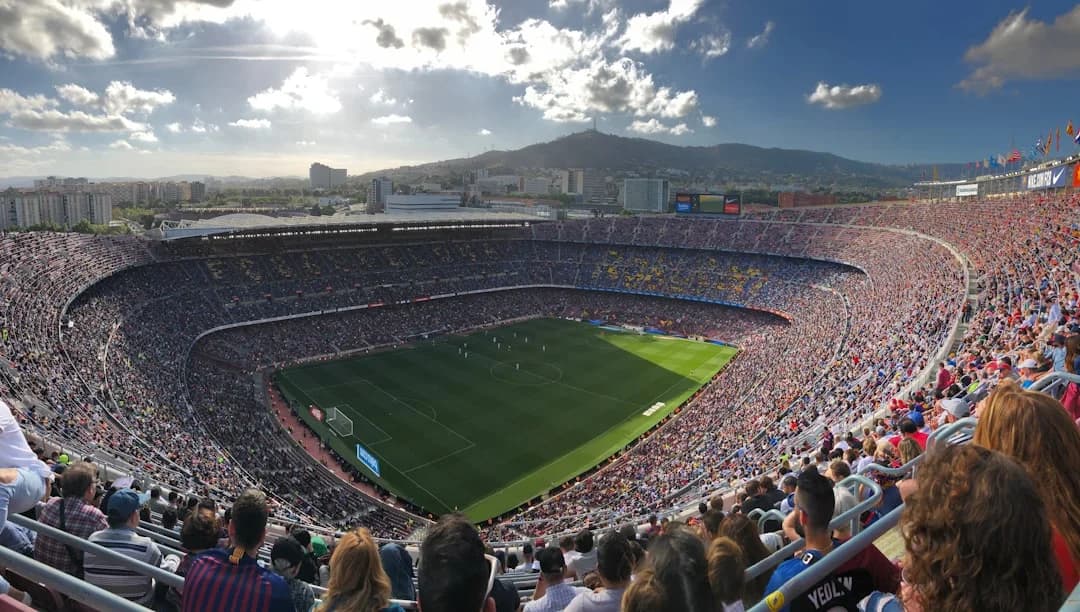
Photo by Alessio Patron on Unsplash
The fútbol hispano en Estados Unidos 2026 is entering a defining moment, driven by a combination of marquee media rights, growing sponsorships, and a rapidly expanding Hispanic audience that is reshaping how the sport is financed, consumed, and perceived across the United States. On December 10, 2025, NBCUniversal’s Spanish-language network Telemundo announced that it had already sold 90% of the advertising inventory tied to the World Cup 2026 broadcasts in the United States, underscoring the immediacy and scale of demand from brands eager to connect with a key, rapidly expanding audience segment. The tournament, staged for the first time across three host nations—the United States, Canada, and Mexico—will run from June 11 to July 19, 2026, featuring 48 teams and a revamped broadcast plan that includes all matches on Telemundo’s network and Universo, with streaming via Peacock and the Telemundo app. This development is not just a broadcast milestone; it signals a broader shift in how the Hispanic market is driving both media economics and fan engagement for soccer in the United States. (es.hollywoodreporter.com)
As the World Cup looms closer, analysts point to a convergence of data, sponsorship appetite, and digital access that could redefine fútbol for a Spanish-speaking audience in the United States. Nielsen’s World Cup 2026 insights released in October 2025 highlight a surge in interest among Hispanic fans, who are notably more engaged with the sport and more likely to participate in related activities—from attending live games to purchasing team merchandise—compared with the general population. The combination of a North American-hosted 2026 edition and a deeply connected Hispanic demographic is creating a moment where brands, leagues, and media networks are recalibrating how they reach, measure, and monetize this audience in a way that could extend well beyond the month of the tournament. (nielsen.com)
This article provides a data-driven view of what happened, why it matters for the broader fútbol ecosystem in the United States, and what’s likely to come next in 2026 and beyond. It synthesizes official announcements, industry analyses, and market research to lay out a clear, fact-based picture of the Estado actual del fútbol hispano en Estados Unidos 2026 and the opportunities—and caveats—that come with it.
What Happened
Announcement details and immediate facts
- The defining news event centers on Telemundo’s ad sales for the 2026 FIFA World Cup broadcasts. On December 10, 2025, The Hollywood Reporter published that Telemundo had sold about 90% of its World Cup advertising inventory for the U.S. Spanish-language broadcasts, signaling near-complete commercial commitments and a strong confidence from advertisers in reaching Spanish-speaking audiences during the tournament. The piece notes that Telemundo holds exclusive rights for Spanish-language coverage in the United States, with the tournament running from June 11 to July 19, 2026, and a format expansion to 48 teams. (es.hollywoodreporter.com)
- The same report confirms that Telemundo will deliver live coverage of all 104 matches, with 92 on the main signal and 12 on Universo, and that every game will be available for streaming on Peacock and the Telemundo app. This dual approach—linear and streaming—reflects a deliberate strategy to maximize reach across platforms while fitting the viewing habits of diverse segments within the Hispanic community. (es.hollywoodreporter.com)
- Advertisers already locked into the World Cup package include consumer brands such as Anheuser-Busch, AT&T, Bank of America, The Coca-Cola Company, Diageo, McDonald’s, Toyota, Volkswagen of America, and Xfinity. The breadth of brands demonstrates the tournament’s high commercial gravity and the willingness of multinational advertisers to align with a single-genre, culturally resonant event in the multilingual U.S. market. (es.hollywoodreporter.com)
Context: World Cup 2026 in North America and broadcast strategy
- The 2026 World Cup represents a landmark expansion and a cross-border broadcast model, with matches distributed across the United States, Canada, and Mexico. The event’s scheduling and the expansion to 48 teams are part of FIFA’s strategy to grow the sport’s footprint in North America, particularly within Hispanic communities and among younger viewers who are turning to digital platforms for sports content. FIFA’s own rollout materials emphasize the event’s broad stadium network and operational footprint across multiple host cities, reinforcing the idea that the World Cup will be a unifying, high-stakes showcase for the region’s soccer ecosystem. (fifa.com)
- The World Cup’s U.S. footprint is not just about broadcasting the games; it’s a catalyst for a broader media-rights economy and a driver of soccer-related consumer demand in the United States. The World Cup’s presence in U.S. markets—especially among Hispanic audiences—has been linked by industry observers to increased sponsorship activity, higher-rated program blocks in Spanish-language networks, and elevated digital engagement on platforms like Peacock, Telemundo’s own app, and various social channels. This dynamic is echoed in industry commentary and market analyses that measure the World Cup’s impact on sponsorship growth, fan engagement, and brand loyalty among Latino consumers. (nielsen.com)
Facts and figures shaping the market landscape
- The 2025 to 2026 period has already shown an escalation in sponsorship and advertising investments tied to U.S. soccer events, driven in part by the World Cup’s North American hosting and the ongoing expansion of MLS. CNBC reports in May 2025 that MLS sponsorship revenue rose significantly year over year, with sponsorships spiking as the league and the sport as a whole gained broader corporate acceptance and social resonance. The piece underscores that a large share of MLS’s audience is Hispanic, with more than 35% of fans identifying as Hispanic, and notes the league’s advertising growth tied to a younger, more diverse fanbase. This context helps explain why brands want to position themselves around World Cup broadcasts and MLS-related content in the run-up to 2026. (cnbc.com)
- A broader, forward-looking lens comes from McKinsey’s analysis of Latino sports fans, which argues that Latino consumers will drive a sizable portion of the U.S. sports economy’s growth through 2035. The study relies on Census data, MRI-Simmons and other sources to forecast a scalable fan base and significant commercial potential linked to soccer, particularly as the World Cup extends the sport’s cultural relevance in the United States. While not a micro-todcast about Telemundo’s ad deals, the report helps explain why advertisers are so eager to engage with fútbol content across Spanish-language platforms and English-language outlets alike. (mckinsey.com)
- On the media-side, TelevisaUnivision’s 2025 performance and 2026 outlook illustrate the central role of Spanish-language sports media in the United States. The company reported record sports viewership in 2025 across its broadcast, streaming, and digital platforms, with soccer driving a substantial portion of that engagement through TUDN and its U.S. channels. The company’s leadership highlighted its dominance in Spanish-language soccer viewership and pointed to continued momentum into 2026 as Liga MX, the Mexican National Team, and European competitions maintain strong audiences in the U.S. market. This is a key data point for understanding why advertisers are prioritizing Spanish-language soccer content in the run-up to the World Cup and beyond. (corporate.televisaunivision.com)
The market’s early signals: fan engagement, streaming, and youth pathways
- The MLS market has seen a notable shift toward multi-platform strategies, combining Apple TV’s Season Pass with linear broadcasts and other streaming partners. In 2025, MLS began releasing comprehensive, multi-platform viewership data—an acknowledgment that fans engage with soccer content across a spectrum of devices and services. Early indicators show a robust audience, with weekly live match viewers averaging in the millions across streaming and broadcast, and a growing share of fans in the 18–44 age bracket, including a sizable Hispanic segment. This has major implications for how brands plan sponsorships, how teams monetize local markets, and how the league scales its regional fanbases into national reach. (mlssoccer.com)
- Observers also note that Hispanic participation in live events and merchandise purchases around soccer have shown higher propensity than the general market. Nielsen’s 2025 World Cup insights point to a pronounced appetite among Hispanic fans for live soccer experiences, cultural activities around the tournament, and team merchandise—patterns that align well with Telemundo’s ad sales strategy and the broader Spanish-language sports ecosystem. This convergence between viewer behavior and advertiser demand is a defining feature of the fútbol hispano en Estados Unidos 2026 landscape. (nielsen.com)
What the data say about the broader ecosystem
- Data from Nielsen and industry partners indicate that Hispanic fans are not simply “watching more soccer” but are actively driving a wider set of media behaviors: higher engagement with live sports, greater interest in sponsorship messaging, and strong affinity for content that ties soccer to broader cultural experiences. The World Cup 2026, with its North American host status and Spanish-language broadcast strategy, is positioned to amplify these signals, turning episodic viewership into sustained, year-round engagement for teams, leagues, and brands seeking to capture a growing, diverse audience. The opportunity is not just about this summer’s event but about shaping a multi-year growth trajectory for fútbol in the United States. (nielsen.com)
Why It Matters
A turning point for Hispanic audiences and soccer monetization

- The news of Telemundo’s 90% ad-inventory sell-through for World Cup 2026 underscores a market confidence that the Hispanic audience is a stable, monetizable growth engine for soccer in the United States. The breadth of brands already committed signals not only the immediate demand for ad space but also the expectation that fútbol content can drive meaningful shift in brand sentiment, reach, and conversion within Hispanic households and bilingual households. That expectation aligns with Nielsen’s projected engagement patterns for Hispanic soccer fans—an audience that is more likely to attend live events, purchase soccer-related merchandise, and engage with soccer content across digital platforms. For marketers, this represents a strategic inflection point: it’s no longer enough to target general sports fans; the opportunity now centers on authentic, culturally resonant soccer content delivered through a trusted, language-specific channel that also reaches broader audiences. (es.hollywoodreporter.com)
Economic implications for leagues, clubs, and sponsors
- Sponsorship growth tied to the World Cup and the rise of Hispanic soccer fans translates into broader commercial benefits for the sport ecosystem. CNBC’s reporting on sponsorship spikes in MLS—driven by the sport’s rising cultural relevance and a large Hispanic fanbase—illustrates how corporate partnerships are increasingly viewed as long-term investments rather than episodic activations. The article notes that more than one-third of MLS fans identify as Hispanic, reinforcing the business case for brands seeking to connect with a bilingual or Spanish-speaking consumer base. The implication for clubs is a more robust sponsorship pipeline, higher sponsorship RPMs, and a greater emphasis on community and cultural initiatives that align with Hispanic audiences. (cnbc.com)
- The McKinsey analysis reinforces the macro trend: Latino fans are expected to drive a substantial portion of the U.S. sports economy’s growth, driven by youth participation, rising household incomes in Hispanic communities, and increasing media consumption of sports content in both Spanish and English. For policymakers, league executives, and club owners, this signals that investments in youth academies, bilingual marketing teams, and cross-border collaboration with Mexican and Spanish clubs can yield outsized returns as the fútbol landscape becomes more interconnected with the broader U.S. market. (mckinsey.com)
Media strategy and the evolution of the Spanish-language market
- The World Cup 2026 is catalyzing a media strategy shift, not only in the decision to broadcast more games on Spanish-language networks but also in the way those games are integrated with streaming and on-demand platforms. TelevisaUnivision’s press releases highlight the outsized role of Spanish-language sports media in the United States, with unified growth across traditional broadcasting, streaming, and digital platforms. The company reports that in 2025 it held a lead in prime-time soccer viewership and broader engagement metrics across its platforms, a trend that is expected to continue into 2026 as Liga MX, the U.S. market, and global competitions converge on a single growth cycle. The Spanish-language market’s performance is a key driver of the World Cup’s overall monetization strategy and a template for how “fútbol hispano en Estados Unidos 2026” can translate into cross-platform audience growth and stable advertising income. (corporate.televisaunivision.com)
The youth and grassroots dimension: academies as growth engines
- Beyond the professional leagues, the etiology of this momentum lies in the grassroots and academy systems that feed the sport’s long-term health in the United States. The presence of major European academies and club networks in the United States—such as Barca Academy—illustrates a broader trend of European clubs leveraging U.S. youth development as a growth strategy. These academies are not only training future players but also building a broader base of fans and deeper brand affinity among families and communities that will become the sport’s next generation of supporters. While these developments are ancillary to the World Cup broadcast deals, they contribute to the “fútbol hispano en Estados Unidos 2026” narrative by expanding the pipeline of talent and fans who can anchor the sport’s growth in the long run. (barcaacademy.fcbarcelona.es)
The cultural and consumer impact
- The World Cup’s cultural resonance among Hispanic audiences is not solely about viewership numbers; it encompasses consumer behaviors and lifestyle choices tied to soccer culture. Nielsen’s October 2025 report emphasizes how fans engage with live events, concerts, arts and culture, and merchandise around the World Cup—patterns that are particularly pronounced among Hispanic fans and likely to influence marketing campaigns and sponsorship activations around 2026. This goes beyond one tournament and points toward a more vibrant ecosystem where soccer is a cross-cultural, cross-language experience that unites diverse audiences under a common sports narrative. (nielsen.com)
What’s Next
Timeline and near-term milestones
- June 11, 2026: The opening match of the FIFA World Cup 2026 in North America, with games spread across host cities in the United States, Canada, and Mexico. The event will mark a pinnacle moment for royalities, sponsorships, and media engagement around Spanish-language soccer in the United States. The World Cup’s footprint in the U.S. market is expected to catalyze further growth in sponsorship deals, ad revenue, and multi-platform consumption patterns—especially among Hispanic audiences who are already driving the momentum in the ecosystem. (fifa.com)
- July 19, 2026: The World Cup concludes, with ongoing implications for broadcast strategies, sponsorship commitments, and post-tournament planning for teams and leagues that rely on the momentum generated by the event. The continued performance of Spanish-language soccer media, both on Telemundo/UniMás and via streaming platforms, will shape a post-tournament baseline for Hispanic engagement in the U.S. market. (es.hollywoodreporter.com)
What to watch in the months ahead
- Advertising and sponsorship cycles: With 90% of ad inventory reportedly sold for the World Cup on Telemundo, brands will now pivot to post-event sponsorship opportunities, cross-promotional campaigns with MLS teams, and longer-term partnerships that leverage the World Cup’s audience during and after the event. This will likely influence the pricing and negotiation dynamics for future international soccer properties in the U.S. market, including regional broadcasts, youth initiatives, and cross-platform campaigns. (es.hollywoodreporter.com)
- Streaming and cross-platform engagement: The integration of Peacock with Telemundo’s broadcasts represents a broader trend toward unified, digital-first distribution of soccer content. As MLS and other leagues test new broadcast models, expect continued experimentation with multi-platform strategies, including live streaming, clips, and social-first content designed to maximize reach among Hispanic fans who consume media in mixed-language environments. The MLS data released in 2025, highlighting multi-platform viewership and the league’s growing fan base, will continue to inform these strategic shifts. (mlssoccer.com)
- Market research and audience insights: Nielsen’s ongoing research into World Cup-related viewing habits and Hispanic fan behavior will likely yield updated insights in early 2026, informing marketers’ approach to sponsorships, content localization, and audience segmentation. As the World Cup approaches, expect more granular data on the Spanish-speaking audience’s preferences, including preferred languages, platform usage, and content formats. This data will help advertisers optimize their investments around fútbol content in the United States. (nielsen.com)
Practical implications for stakeholders
- For broadcasters and streaming platforms: The World Cup 2026 strategy reinforces the importance of bilingual content, cross-platform distribution, and high-quality, culturally resonant programming. Broadcasters should continue to invest in Spanish-language production values, ensuring that on-air talent, graphics, and culturally relevant context meet the expectations of a growing Hispanic audience that is increasingly influential in shaping the soccer narrative in the United States. (es.hollywoodreporter.com)
- For sponsors and brands: The convergence of a large Hispanic audience with a globally prominent tournament creates a powerful opportunity to reach both bilingual and Spanish-dominant consumers. Marketers should design campaigns that go beyond standard ad placements, integrating experiential marketing, merchandise, and digital activations that align with the cultural dimensions of fútbol in the United States. Nielsen’s insights and the sponsorship trends highlighted by CNBC provide a blueprint for planning around the World Cup and into the 2026–2027 sports calendar. (nielsen.com)
- For clubs and academies: The World Cup’s momentum should accelerate investment in youth development, scouting networks, and bilingual or multicultural outreach programs that connect local communities with professional pathways and global clubs. The Barcelona Academy example demonstrates how American programs can feed talent pipelines while expanding the fan base among families who emphasize soccer as a community activity. This approach aligns with the broader market trend of integrating local talent development with global brand partnerships. (barcaacademy.fcbarcelona.es)
What’s Next (Conclusion)
The convergence of a major World Cup broadcast deal, a rising Hispanic share of the U.S. soccer audience, and an increasingly sophisticated media ecosystem suggests that the fútbol hispano en Estados Unidos 2026 is not a one-tournament anomaly but a multi-year inflection point. Telemundo’s near-complete ad inventory sell-through for the World Cup, reported on December 10, 2025, crystallizes the market’s confidence in the monetization potential of Spanish-language soccer content in a multichannel environment. This development, paired with Nielsen’s 2025 World Cup insights showing heightened Hispanic engagement and the broader industry data indicating sponsorship growth and fanbase expansion, points to a durable, data-driven growth path for soccer in the United States that will be felt across leagues, teams, and brands. (es.hollywoodreporter.com)

As we move toward June 2026, expect a flurry of activity around player movements, academy investments, broadcast innovations, and cross-border collaborations that amplify fútbol’s cultural footprint in the United States. Observers will watch not only the matches themselves but also the way audiences engage with the sport across platforms, languages, and communities. The trajectory suggests that by 2026 and into 2027, fútbol in the United States will be more deeply embedded in the daily lives of Hispanic households, with a media and sponsorship ecosystem that reflects that reality. For readers of EE.UU. Hoy and other outlets tracking technology and market trends, the headline is clear: the market and the culture are evolving together, and the 2026 World Cup is set to accelerate a shift that has been brewing for years.
Stay tuned to official league, network, and sponsor announcements as the World Cup approaches, and watch how the data from Nielsen and industry trackers translate into concrete content, experiences, and consumer behaviors. The evolution of the fútbol hispano en Estados Unidos 2026 is unfolding in real time, and the signals already point toward a more vibrant, economically robust, and culturally central soccer landscape for years to come.