Emprendimiento hispano 2026 Estados Unidos: Tendencias
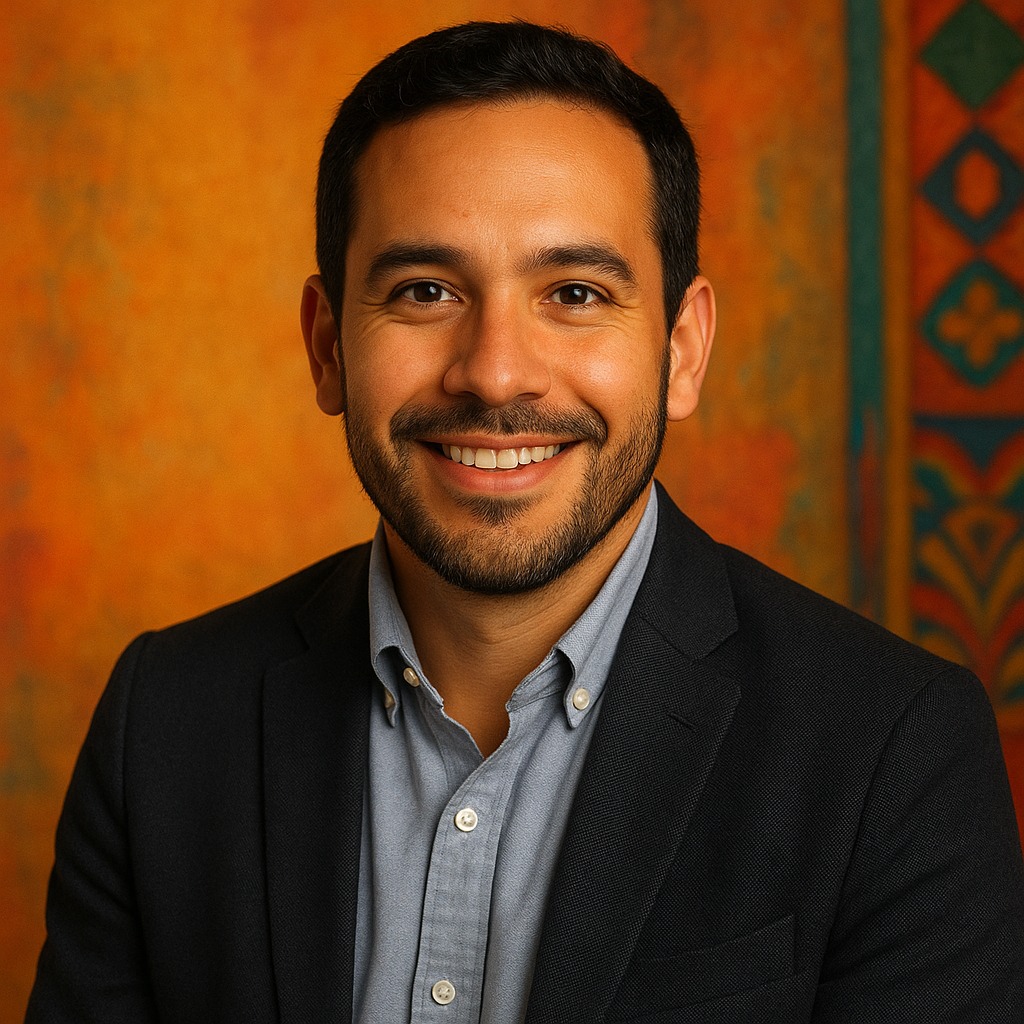

Photo by Valérie Vaillancourt on Unsplash
The landscape of Emprendimiento hispano 2026 Estados Unidos is taking shape as Latinos continue to drive growth in the U.S. economy. On March 27, 2025, the Stanford Latino Entrepreneurship Initiative released the 2024 State of Latino Entrepreneurship (SOLEI) report, signaling sustained momentum and a wave of tech adoption among Latino-owned firms. The data show that Latino-owned businesses rose 44% from 2018 to 2023, underscoring entrepreneurship as a durable engine of job creation and regional development. The report’s findings, drawn from more than 10,000 responses, point to a diversification of industries and a stronger tilt toward technology-enabled operations, sustainability practices, and scalable models. This milestone frames the broader narrative of Emprendimiento hispano 2026 Estados Unidos as both a data-rich opportunity for policymakers and a practical playbook for Latino entrepreneurs navigating a post-pandemic economy. The momentum is not just anecdotal; it’s anchored in a decade of quantitative insights that continue to shape how communities invest, upskill, and partner with financiers in a rapidly evolving market. The emphasis on AI tools, digital platforms, and sustainable business practices is increasingly visible across sectors from services to manufacturing, signaling a shift in how Latino business leaders scale operations and access capital. (news.stanford.edu)
Beyond the growth numbers, the census and federal data ecosystem offer a complementary lens on the scale and distribution of Hispanic entrepreneurship. The U.S. Census Bureau’s latest Annual Business Survey (ABS) data for 2022 show that Hispanic-owned employer firms reached 465,202, accounting for about 7.9% of all employer businesses in the United States. These firms generated an estimated $653.5 billion in receipts and employed roughly 3.55 million people, illustrating that Hispanic entrepreneurship is a sizable and economically consequential force across industries and geographies. California remains the state with the largest number of Hispanic-owned firms, reflecting concentrations of population and urban activity, but other states are emerging as hubs for immigrant entrepreneurship and small-business growth. The headline takeaway: Hispanic-owned firms are a cornerstone of the American small-business ecosystem, with substantial regional impact and a trajectory that policymakers and lenders are watching closely. (census.gov)
Policy and financing context adds another layer to the Emprendimiento hispano 2026 Estados Unidos narrative. The U.S. Small Business Administration’s 2024 data highlight Hispanics’ continued prominence among small-business owners, who represented a meaningful share of business activity in the private sector and benefited from a broader spectrum of financing options. The SBA’s advocacy-focused infographics show Hispanics accounted for a growing share of owned firms, reinforcing the demographic breadth of Latino entrepreneurship. Separately, reporting from mainstream outlets confirms that SBA-backed financing rose in fiscal year 2024, with a notable rise in smaller-dollar loans and a broad increase in overall lending to minority-owned businesses, including Latino-owned enterprises. Taken together, these data imply that access to capital—while still differentiated by income and geography—has improved enough to sustain expansion into 2026. (advocacy.sba.gov)
This article presents a data-driven, balanced view of a market in transition: Emprendimiento hispano 2026 Estados Unidos is not a single story but a mosaic of regional ecosystems, sectoral shifts, and policy environments that together shape outcomes for Latino entrepreneurs, workers, and communities.
What Happened
Announcement Highlights
The 2024 State of Latino Entrepreneurship (SOLEI) report, released publicly on March 27, 2025, confirms that Latino-owned businesses have grown dramatically over the past decade, with the total number of Latino-owned businesses rising by 44% from 2018 to 2023. The report draws on a national survey of more than 10,000 business owners and ties the growth to diversification across industries, greater adoption of digital tools, and a focus on scalable business models. The SOLEI findings place Latino entrepreneurship at a central point in the U.S. entrepreneurial ecosystem, both as a driver of employment and as a vector for technology-enabled competitiveness. The report also highlights a rising focus on AI adoption and sustainability initiatives as common themes among high-growth Latino firms. These patterns have implications for workforce development, venture funding, and regional economic planning as the country projects toward 2026. >“Latino entrepreneurs are an important contributor to the growth of the U.S. entrepreneurial ecosystem,” notes Stanford faculty director George Foster, reinforcing the view that this community remains a critical engine of innovation and job creation. (news.stanford.edu)
Meanwhile, the Census Bureau’s 2022 Annual Business Survey (ABS) results add a concrete baseline to the national picture: Hispanic-owned employer firms numbered 465,202, representing about 7.9% of all employer businesses in the United States. Hispanic firms generated $653.5 billion in receipts and employed roughly 3.55 million people. California has the highest count of Hispanic-owned employer firms, but the distribution is increasingly dispersed across states with dense immigrant populations. The ABS results also provide context about ownership structure (e.g., family- and joint-ownership patterns) and sectoral distribution, which inform both market prospects and policy needs as Emprendimiento hispano 2026 Estados Unidos unfolds. (census.gov)
The financing and policy backdrop shapes the announcement’s practical implications. SBA’s 2024 data illustrate a continuing policy-facing trend: Hispanic business ownership remains robust, and financing activity—especially smaller-dollar, community-lender, and minority-focused programs—has expanded. The SBA’s infographics show Hispanics accounted for a meaningful share of business owners in 2022, and broader financing data points indicate improved access to capital for minority-owned firms in 2024. This combination of ownership growth and better access to capital is a key driver behind the momentum in Emprendimiento hispano 2026 Estados Unidos, and it aligns with broader market signals about the readiness of Latino entrepreneurs to scale with technology-enabled solutions. (advocacy.sba.gov)
Additionally, market observers note a palpable shift in the industry mix and technology posture. The 2024 SOLEI findings and related analyses emphasize that Latino-owned businesses are expanding beyond traditional strongholds (food, mobile services, retail) into sectors with higher productivity and export potential, including technology services, turnkey health-tech, and digital platforms. Observers point to AI-enabled automation, data-driven marketing, and sustainable operations as common themes among high-growth Latino firms. This trend is consistent with broader economic patterns showing minority-owned businesses contributing to innovation and resilience in the post-pandemic era. These observations are corroborated by independent analyses that document a surge in Latino entrepreneurship across the U.S. in the late 2010s and early 2020s, with continued expansion through 2023 and into 2024. (gsb.stanford.edu)
Timeline and Key Facts
- 2018–2023: Latino-owned businesses grow 44% in number, according to the 2024 SOLEI report, reflecting sustained momentum and diversification across sectors. This period also saw a notable shift toward technology-enabled operations and scalable business models. (news.stanford.edu)
- 2021–2022: ABS data show Hispanic-owned employer firms at 406,086 in 2021; 2022 data show 465,202 Hispanic-owned employer firms, with ongoing workforce and revenue implications. The size and distribution of these firms underscore the centrality of Hispanic entrepreneurship to the broader small-business economy. (census.gov)
- 2022: Hispanics owned about 7.9% of all employer firms, generating $653.5B in receipts and employing approximately 3.55 million people. California hosted the largest share of Hispanic-owned firms but other states are expanding their role as entrepreneurial hubs. (census.gov)
- 2024: SBA’s Small Business Facts pull together the latest official data showing the growth in Hispanic ownership, with a continued emphasis on access to capital, including minority-focused loans and small-dollar financing. This year also marks ongoing momentum for Latino entrepreneurs in the context of a recovering economy and evolving digital ecosystems. (advocacy.sba.gov)
- 2025–2026: Early assessments of the 2024 SOLEI data and related coverage point to AI adoption, sustainability concerns, and geographic diversification as continuing themes that are likely to influence Emprendimiento hispano 2026 Estados Unidos. The Stanford and Brookings analyses emphasize that Latino entrepreneurship remains a critical driver of regional growth and innovation, with policy and private capital landscapes evolving to meet these needs. (news.stanford.edu)
Industry Shifts and Early Indicators
A key development highlighted by multiple researchers is the increasing integration of technology into Latino-owned businesses. The 2024 SOLEI findings identify a notable emphasis on AI-enabled operations, data-driven decision-making, and digital marketing—trends that are anticipated to accelerate into 2026 as Latino entrepreneurs leverage software-as-a-service platforms, automation tools, and cloud-based solutions to reach customers more efficiently and scale operations. The Brookings analysis likewise notes the growth in employer firms and revenue across Latino-owned businesses, with technology-enabled growth representing a core pathway to higher productivity and job creation. These indicators suggest that Emprendimiento hispano 2026 Estados Unidos will likely feature more tech-forward, scalable ventures that connect local communities to national and global markets. (news.stanford.edu)
“Latino entrepreneurs are an important contributor to the growth of the U.S. entrepreneurial ecosystem,” said George Foster, reflecting the integration of Latinx business leadership into mainstream economic development. The emphasis on AI and sustainability within Latino-owned firms signals a broader shift toward high-productivity models with measurable social impact. (news.stanford.edu)
Why It Matters
Economic Impact and Job Creation

Photo by Amit Ovadia on Unsplash
The economic footprint of Emprendimiento hispano 2026 Estados Unidos is substantial. The 2022 ABS data show 465,202 Hispanic-owned employer firms, a figure that translates into billions of dollars in annual receipts and millions of jobs across the economy. When multiplied across sectors—from construction and professional services to manufacturing and tech-enabled startups—these firms contribute to regional growth, tax receipts, and wage growth in urban and rural communities alike. The concentration of Hispanic-owned employer firms in California reflects both demographic realities and market opportunities, illustrating how population dynamics shape entrepreneurial activity and long-term regional resilience. These figures underscore Latinos’ role as a durable and expanding force within the U.S. small-business landscape. (census.gov)
The broader trend of Latino entrepreneurship aligns with national economic indicators showing a recovery and expansion in small business activity. Minority-owned firms, including Hispanic-owned businesses, have been central to the post-pandemic revival, with employment gains and revenue growth contributing to local GDP. The cumulative effect is a more inclusive and dynamic entrepreneurial ecosystem.” (brookings.edu)
Access to Capital and Policy Context
Access to capital remains a fundamental constraint and a major policy focal point for Emprendimiento hispano 2026 Estados Unidos. The 2024 SBA data and accompanying coverage point to improvements in financing channels for minority-owned businesses, including Latino-owned firms. These trends matter because capital access directly influences the speed at which Latino entrepreneurs can scale, invest in technology, hire more workers, and reach new markets. While the data show positive momentum—particularly in smaller-dollar loan activity—gaps persist when compared with non-Hispanic peers, underscoring the need for continued policy attention and targeted financing programs. For readers and policymakers, the message is clear: maintaining and expanding capital pathways is essential to sustaining the momentum documented by the SOLEI and Census analyses. (advocacy.sba.gov)
In addition to traditional bank lending, community development financial institutions, micro-lending networks, and targeted grants play a disproportionate role in supporting Latino-owned firms, particularly in immigrant-rich communities. This ecosystem—blending public programs, private lenders, and philanthropic support—helps bridge gaps in credit history, collateral access, and knowledge transfer, enabling more Latinos to launch, grow, and export. The policy implications are straightforward: data-driven assessment of credit access, scalable support for business education, and better integration with regional economic development plans can help maximize the impact of Emprendimiento hispano 2026 Estados Unidos. (advocacy.sba.gov)
Regional Distribution and Barriers
Regional dynamics matter in Latino entrepreneurship. While California still hosts the largest cluster of Hispanic-owned employer firms, other states—particularly those with growing immigrant populations—are becoming important growth nodes. Urban areas with dense populations, robust consumer markets, and ready-made logistics networks offer latent opportunities for Latino-owned firms to scale operations, adopt digital tools, and experiment with new business models. The Census ABS data illuminate these patterns, and Brookings’ analysis adds a broader lens on how policy, labor markets, and local entrepreneurship ecosystems are evolving. Understanding these regional nuances is essential for readers who want to anticipate 2026 trends and identify investment or policy opportunities. (census.gov)
What It Means for Workers and Communities
Latino entrepreneurship serves as a channel for wage growth, wealth accumulation, and intergenerational mobility in many communities. The employment numbers tied to Hispanic-owned firms—millions of jobs across diverse sectors—translate into improved household incomes, greater local purchasing power, and stronger community institutions. In practice, this means better access to services, increased local tax bases for schools and infrastructure, and more opportunities for youth in neighborhoods that have historically faced barriers to business ownership. The interplay between ownership, employment, and community impact is central to the public conversation about inclusive growth and the role of entrepreneurship in addressing economic inequities. (census.gov)
What's Next
2026 Outlook and Policy Watch
Looking ahead to 2026, the momentum described in the SOLEI report and Census data suggests continued growth for Emprendimiento hispano 2026 Estados Unidos, with several cross-cutting themes likely to shape outcomes:
- Technology acceleration and AI adoption as standard practice among Latino-owned firms, enabling faster onboarding of digital tools, improved customer analytics, and more scalable operations. The SOLEI 2024 findings underscore this trend, and experts anticipate continued expansion into tech-enabled sectors. (news.stanford.edu)
- Greater Geographic diversification as immigrant communities expand into new metro areas and secondary markets, supported by regional economic development programs and local incentives. Census data point to evolving distributions beyond traditional hubs, a trend policymakers should monitor as a predictor of future job creation. (census.gov)
- Financing reforms and targeted capital access programs to reduce credit frictions for minority-owned small businesses, including Latino-owned enterprises. SBA financing data and related coverage indicate a growing, but still uneven, access landscape, with downstream effects on growth and resilience. Stakeholders across business, banking, and government will likely prioritize innovations in loan products, guarantees, and micro-lending partnerships to sustain growth into 2026. (advocacy.sba.gov)
Next Steps for Entrepreneurs and Policymakers
For Latino entrepreneurs plotting a path through 2026, the practical takeaways are:
- Invest in digital capabilities and scalable processes early. Latinos are increasingly embracing AI and automation as tools to compete in crowded markets and to unlock productivity gains that were previously out of reach. Adoption of cloud-based platforms, data analytics, and customer engagement tools should be a core priority for growth-stage firms as they plan for 2026. (news.stanford.edu)
- Build regional networks and leverage government programs. Access to capital remains a central challenge, but active participation in SBA programs, minority-focused lending networks, and local economic development initiatives can improve financing outcomes and open doors to growth opportunities. Policymakers and practitioners should continue to refine outreach and education to connect Latino business owners with resources. (advocacy.sba.gov)
- Prioritize workforce development and inclusive hiring strategies. As Latino-owned firms scale, they play a critical role in job creation and skill development in communities with high concentrations of immigrant families. Training partnerships, apprenticeships, and mentorship networks can help bridge gaps in technical skills and leadership capacity, boosting the sustainable impact of Emprendimiento hispano 2026 Estados Unidos. (census.gov)
For policymakers and investors, the forward-looking takeaways include:
- Data-driven policy design that targets credit access, technical assistance, and venture-ready infrastructure in high-potential regions. The convergence of Census and SOLEI findings provides a robust evidence base for allocating resources toward Latino entrepreneurship ecosystems. (census.gov)
- Support for scalable Latino-led startups that integrate AI and sustainable practices. The policy lens should prioritize programs that help Latino founders access early-stage capital, pilot scalable technology projects, and partner with larger firms to accelerate growth and job creation. (news.stanford.edu)
- Emphasis on inclusive metrics and reporting. To sustain progress, it is essential to monitor disaggregated outcomes by region, industry, and firm size—building a more nuanced understanding of where gaps remain and which interventions yield the strongest returns. The Census ABS and SBA data provide a baseline for ongoing measurement. (census.gov)
Real-World Implications and Case Studies
Across the country, Latino-owned businesses are increasingly turning to technology to reach new markets, reduce operating costs, and create resilient supply chains. While public records do not provide a single “headline” case study that defines all, a collection of stories and research findings shows what a tech-forward, scalable Latino business can look like in practice. For example, firms in the health-tech and digital services sectors are leveraging AI-enhanced operations to deliver more efficient solutions and expand their customer bases, a pattern highlighted in the 2024 SOLEI data. At the same time, traditional sectors such as food service and personal care continue to serve as meaningful entry points for new entrepreneurs, underscoring the importance of combining tested business models with modern technology. These narratives, while diverse, reflect a common thread: Latino entrepreneurs are increasingly embracing the tools and partnerships needed to compete in a high-growth economy. (news.stanford.edu)
Timeline of Next Steps and Watch Points
- Mid-2025 to early-2026: Updates to ABS, SBA data, and industry reports will refine the understanding of regional dynamics, access to capital, and sectoral performance. Stakeholders should monitor state-by-state trends in Hispanic business growth, capital availability, and workforce outcomes. (census.gov)
- 2026: A continued emphasis on AI adoption, sustainable practices, and digital transformation across Latino-owned firms is expected to accelerate, with potential policy and financing innovations to support this shift. Researchers and practitioners will assess the impact of these changes on job creation and regional competitiveness. (news.stanford.edu)
Closing
The story of Emprendimiento hispano 2026 Estados Unidos is one of growth tempered by ongoing structural challenges. The latest data from the Census and the Stanford SOLEI program confirm that Latino-owned businesses are a driving force in the U.S. economy, contributing billions in receipts and millions of jobs across diverse sectors. At the same time, access to capital remains a critical bottleneck in many regions, and the pace of AI adoption and digital transformation will strongly influence 2026 outcomes. For readers and stakeholders of EE.UU. Hoy, the message is clear: continuing to invest in data-informed policy, targeted capital programs, and inclusive workforce development will be essential to maximizing the economic and social benefits of Emprendimiento hispano 2026 Estados Unidos.

Photo by KOBU Agency on Unsplash
As the year unfolds, stay tuned to this publication and to major data releases from the Census Bureau, the SBA, and leading research institutes. The evolving picture of Latino entrepreneurship will shape business strategy, public policy, and community development across the United States in 2026 and beyond. For ongoing coverage, we will monitor not only the headline numbers but the underlying lived experiences of Latino business owners—how they access capital, how they scale, and how their innovations reshape local and national markets. (census.gov)