Destinos Latinos 2026 Florida California Caribe

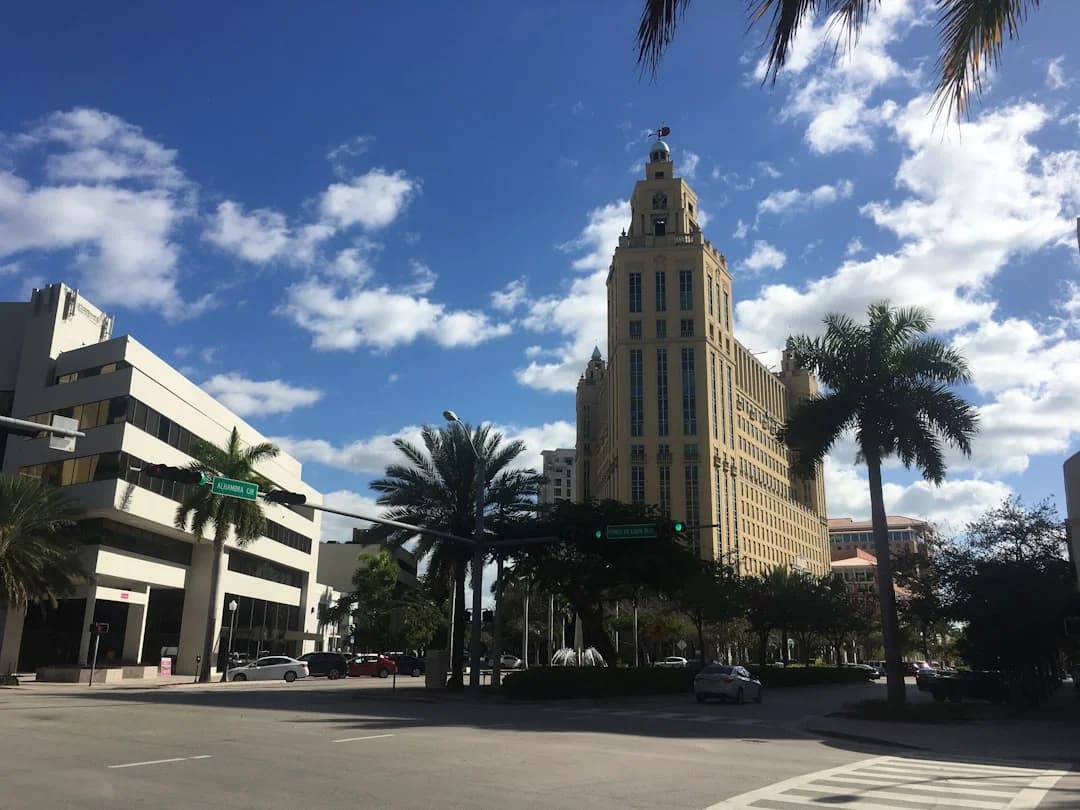
Photo by Armando Ching San on Unsplash
The travel industry is increasingly turning its attention to destinos latinos 2026 Florida California Caribe, as data-driven marketing and new connectivity unlock opportunities across Florida, California, and the Caribbean. In early 2026, industry analysts and tourism boards highlighted a clear pattern: Latino travelers remain a pivotal segment for growth in both U.S. destinations like Florida and California and in Caribbean markets. This report synthesizes recent data, corporate announcements, and policy developments to explain what happened, why it matters, and what’s next for destinos latinos 2026 Florida California Caribe. The goal is to provide a neutral, evidence-based view of market dynamics, technology-enabled marketing, and the economic implications for communities that depend on tourism.
From record-setting visitation numbers in Florida to expanding airline routes and hotel investments across CALA (Caribbean and Latin America) destinations, the momentum is tangible. Florida closed 2025 with a tourism milestone that underscores the state’s role as a global magnet for travelers, while Caribbean destinations report rising Latin American interest and stronger air connectivity. These trends are reshaping marketing strategies, product development, and infrastructure planning across the region. The convergence of demographic shifts, digital marketing capabilities, and investment in hospitality and experiences creates a unique moment for destinos latinos 2026 Florida California Caribe, one that could redefine how Latino travelers plan, book, and experience regional travel for years to come. (flgov.com)
What Happened
Latinos fueling growth across Florida, California, and the Caribbean
Recent metrics show that Latino travel continues to be a major driver of tourism demand in key destinations. Florida’s tourism agency reported a calendar-year 2025 tally of 143.3 million visitors, a record that reinforces Florida’s position as a premier travel draw for domestic and international travelers alike, including a growing share of Latin American and Caribbean-origin visitors. The fourth-quarter and full-year data indicate that international visitation remains a focus area, with Latin American markets contributing to inbound flows as the state recovers from the pandemic. The state’s leadership emphasized the sustained momentum into 2026, noting continued interest from Latin American travelers alongside traditional U.S. and European markets. This sets a baseline for destinos latinos 2026 Florida California Caribe in the broader regional context. (flgov.com)
In parallel, Orlando and other Central and Southern California hubs have seen renewed attention from Latino travelers, aided by marketing campaigns and improved air access. Visit Orlando’s 2024 results, released in 2025, show that international visitation to Orlando grew while domestic travel remained a major contributor to year-over-year gains. Although the data cover a broad market, the trend line aligns with a broader industry observation: Latino travelers are increasingly shaping demand in major U.S. destinations, with Florida and California at the forefront as launchpads for cultural, culinary, and experiential tourism. (visitorlando.org)
Airline connectivity and regional linkages expand
Connectivity remains a key enabler of destinos latinos 2026 Florida California Caribe. Caribbean destinations have benefited from expanding flight networks linking Latin American markets to regional hubs, increasing ease of access for travelers from Mexico, Colombia, Brazil, Argentina, and beyond. Jamaica’s tourism leadership highlighted record growth in Latin American visitors in 2025, driven by broader air-seat capacity and new routes from major LATAM markets. Officials noted that Latin American travel to Jamaica surged as connectivity improved, underscoring the importance of integrated air networks for regional travel. The data reflect a broader regional trend: stronger connectivity is translating into more efficient travel, shorter trip times, and greater frequency of visits from Latin America and the Caribbean’s own markets. (jtbonline.org)
In the wider landscape, major hotel groups and hospitality brands are accelerating expansion across CALA to meet Latino demand. A prominent example is Marriott International’s 2026 CALA expansion plan, which includes luxury, all-inclusive, and wellness-focused properties across Mexico, Costa Rica, Peru, Barbados, and Curaçao. The strategy underscores the market reality that travelers from Latin America and the Caribbean are seeking varied formats—from luxury to value—alongside immersive, locally rooted experiences. This corporate push signals that destinos latinos 2026 Florida California Caribe will not be a niche trend but a core component of regional growth strategies. (forbes.es)
Technology, data, and targeted marketing reshape campaigns
Tech-enabled marketing is becoming a central pillar for reaching Latino travelers. Industry coverage indicates a move toward data-driven segmentation, personalized itineraries, and culturally resonant experiences. While marketing teams often keep granular strategies private, sector analyses point to a rising emphasis on local partnerships, authentic experiences, and community engagement in travel products. In the Caribbean, a 2025 industry event highlighted growing interest from Latin American and Canadian markets, with exhibitors recognizing LATAM demand as a source of sustainable growth for the region. This signals that destinos latinos 2026 Florida California Caribe will increasingly rely on targeted, data-informed campaigns and cross-border collaboration to unlock demand. (abcmundial.com)
"Latin American travelers are a defining force in the Caribbean's rebound," cautioned regional tourism leaders at industry forums, while analysts emphasize that the growth is not just about volume but about the quality of experiences and the distribution of tourism across destinations and seasons. This sentiment aligns with broader global observations about how music, culture, and local narratives are shaping travel decisions in Latin American markets, a trend highlighted by industry coverage on Latin music’s influence on travel behavior. (cntraveler.com)
Notable events and industry milestones in early 2026
Several major industry milestones in 2026 intersect with destinos latinos 2026 Florida California Caribe. The IAAPA Summit on Latin America and the Caribbean, scheduled for April 20–24, 2026, positions the region at the center of entertainment and attraction development, signaling increased investment in experiences that appeal to Latino travelers. At roughly the same time, hospitality groups continue to unveil CALA projects that emphasize immersive design and locals-first experiences, underscoring a demand for culturally resonant offerings. These events and investments collectively signal that the market is moving toward scalable, data-informed, and experience-rich travel options across Florida, California, and the Caribbean. (iaapa.org)
Why It Matters
Economic impact and market resilience

Photo by Giorgio Trovato on Unsplash
The economic significance of destinos latinos 2026 Florida California Caribe is underscored by Florida’s sustained visitation growth. The state reported 143.3 million visitors for 2025, marking a record year and illustrating the resilience of a diversified tourism economy. With domestic visitation accounting for the vast majority of travelers and international markets playing a growing role, Florida’s tourism sector continues to be a critical driver of regional economic activity, job creation, and tax revenue. For policymakers and local businesses, this trend reinforces the value of targeted marketing, bilingual customer service capabilities, and data-driven forecasting to sustain momentum. (flgov.com)
In the Caribbean, the tourism outlook remains robust, with projections suggesting continued growth in 2026 and beyond. The Caribbean economy remains heavily dependent on travel and tourism, and Latin American markets are central to that story. The Caribbean Tourism Organization’s data signal that Latin American arrivals are a meaningful share of total inbound traffic, and regional forecasts anticipate a continued uptick in both stopover and cruise tourism, supported by improved air connectivity and coordinated marketing efforts. The combination of rising demand and strategic investments in hospitality and experiences positions destinos latinos 2026 Florida California Caribe as a focal point for regional growth. (hoperesearchgroup.com)
Social, cultural, and community implications
Beyond raw economics, destinos latinos 2026 Florida California Caribe touch local communities in profound ways. An expanded Latino traveler presence often brings heightened demand for bilingual services, culturally relevant programming, and inclusive guest experiences. Local businesses benefit from new customer segments but must balance growth with sustainability and cultural sensitivity. Industry observers emphasize the importance of sustainable tourism models that benefit host communities and protect cultural legacies. A broader discourse on Caribbean tourism, including calls for more community-led and sustainable approaches, provides a useful context for evaluating 2026 developments. (elpais.com)
Policy and infrastructure considerations
As Latin American and Caribbean travel flows expand, infrastructure and policy considerations become critical levers of success. For Florida and California, investments in airports, roads, and tourism infrastructure support smoother traveler experiences and longer average stays. In the Caribbean, cross-border coordination, visa policies, and sustainability standards influence market access and visitor satisfaction. Industry data suggest that when destinations align marketing with improvements in connectivity, safety, and local engagement, destinos latinos 2026 Florida California Caribe are more likely to deliver durable benefits for communities and visitors alike. (cbsnews.com)
Competitive dynamics and risk factors
As with any growth trend, there are potential risks to monitor. The travel landscape can shift due to macroeconomic changes, policy shifts, or shifts in consumer sentiment. For example, tourism markets have shown sensitivity to broader geopolitical developments and currency dynamics, which can alter discretionary travel budgets. Additionally, sustainable tourism pressures—if not managed effectively—can erode the appeal of destinations over time. Industry observers emphasize the need for balanced growth, inclusive community development, and cross-destination collaboration to ensure destinos latinos 2026 Florida California Caribe remain resilient in the face of uncertainty. (elpais.com)
What's Next
Near-term developments and milestones
In the near term, expect continued expansion in CALA—both in terms of hotel capacity and new experiences tailored to Latino travelers. Marriott International’s 2026 CALA agenda illustrates a broader push into luxury and all-inclusive formats while emphasizing local authenticity and wellness. The portfolio expansions across Mexico, Costa Rica, Peru, Barbados, and Curaçao demonstrate a commitment to diversified formats that appeal to Latino travelers seeking premium experiences and accessible price points. These openings are likely to catalyze further investments in related sectors, including transportation, dining, and cultural programming, reinforcing destinos latinos 2026 Florida California Caribe as a cohesive regional storyline. (forbes.es)
The IAAPA Latin America and Caribbean Summit, set for April 2026, will provide a leading indicator of how attractions, theme parks, and entertainment districts plan to capture Latino audiences. The event’s agenda and speaker lineups are expected to spotlight digital ticketing, multilingual guests services, and data-driven operations as core capabilities—an environment where destinations across Florida, California, and the Caribbean can align marketing and guest experiences around destinos latinos 2026 Florida California Caribe. (iaapa.org)
What to watch for in 2026 and beyond
- Airline networks and regional airlift: Expect more direct routes from Latin America to Florida and the Caribbean, with hubs in Florida and CALA enabling shorter itineraries and more frequent trips. Jamaica’s LATAM connectivity expansion exemplifies this trend and foreshadows broader regional linkages. Analysts will watch seat capacity, load factors, and seasonal patterns to gauge demand sustainability. (jtbonline.org)
- Hotel and experiences diversification: The CALA expansion wave from major brands will likely be complemented by boutique, locally inspired properties that emphasize culture, cuisine, and community partnerships. The growth in all-inclusive and wellness-centric formats aligns with traveler preferences observed across Latin American markets, and investors will monitor occupancy, guest satisfaction, and local economic spillovers. (forbes.es)
- Data-driven marketing and customer experience: Expect more sophisticated segmentation, multilingual content, and culturally resonant campaigns that leverage consumer insights to attract Latino travelers. Industry forums and market reports indicate a trend toward personalized itineraries, authentic experiences, and partnerships with local communities to deliver enhanced value. (abcmundial.com)
- Sustainability and community benefit: Caribbean destinations are increasingly emphasizing sustainable tourism models that prioritize local communities, environmental stewardship, and inclusive growth. Stakeholders will track metrics beyond visitation counts, including local employment, capacity-building, and cultural preservation indicators. (elpais.com)
Closing
As destinos latinos 2026 Florida California Caribe unfold, the intersection of data-driven marketing, expanded connectivity, and strategic investments in hospitality will shape how Latino travelers explore Florida, California, and the Caribbean in the years ahead. The latest data from Florida shows a record-breaking number of visitors in 2025, while Caribbean destinations point to sustained growth driven by Latin American demand and improved air links. Taken together, these trends suggest a period of accelerated activity, with a premium on authentic experiences, inclusive service delivery, and resilient infrastructure that can support growth while benefiting local communities. For travelers, the signals are clear: more destinations, more direct routes, and more culturally resonant programs tailored to Latino audiences are on the horizon.
Readers seeking timely updates on destinos latinos 2026 Florida California Caribe should watch for new flight announcements, hotel openings, and regional tourism reports released throughout 2026. Official tourism boards in Florida, California, and Caribbean destinations will continue to publish quarterly statistics and forward-looking projections, while industry events like the IAAPA summit will provide early indicators of how operators plan to attract Latino guests with immersive, technology-enabled experiences. In the meantime, travelers can begin exploring destinations through bilingual resources, curated experiences, and regional itineraries that showcase the best of Latin American and Caribbean hospitality, culture, and innovation.
For now, the data points tell a coherent story: Latino travelers are a central, growing segment for destinations across Florida, California, and the Caribbean, and the investments, routes, and experiences shaping destinos latinos 2026 Florida California Caribe will be a defining force in the travel economy over the next several years. Stay tuned to EE.UU. Hoy for ongoing coverage, including deeper dives into market trends, technology-enabled marketing, and on-the-ground developments across these dynamic destinations.