Destinos de viaje latinos 2026: Tech-Driven Travel Trends
Destinos de viaje latinos 2026 reveal data-driven growth in Latino travel, with Florida, Las Vegas and Latin America shaping the market.
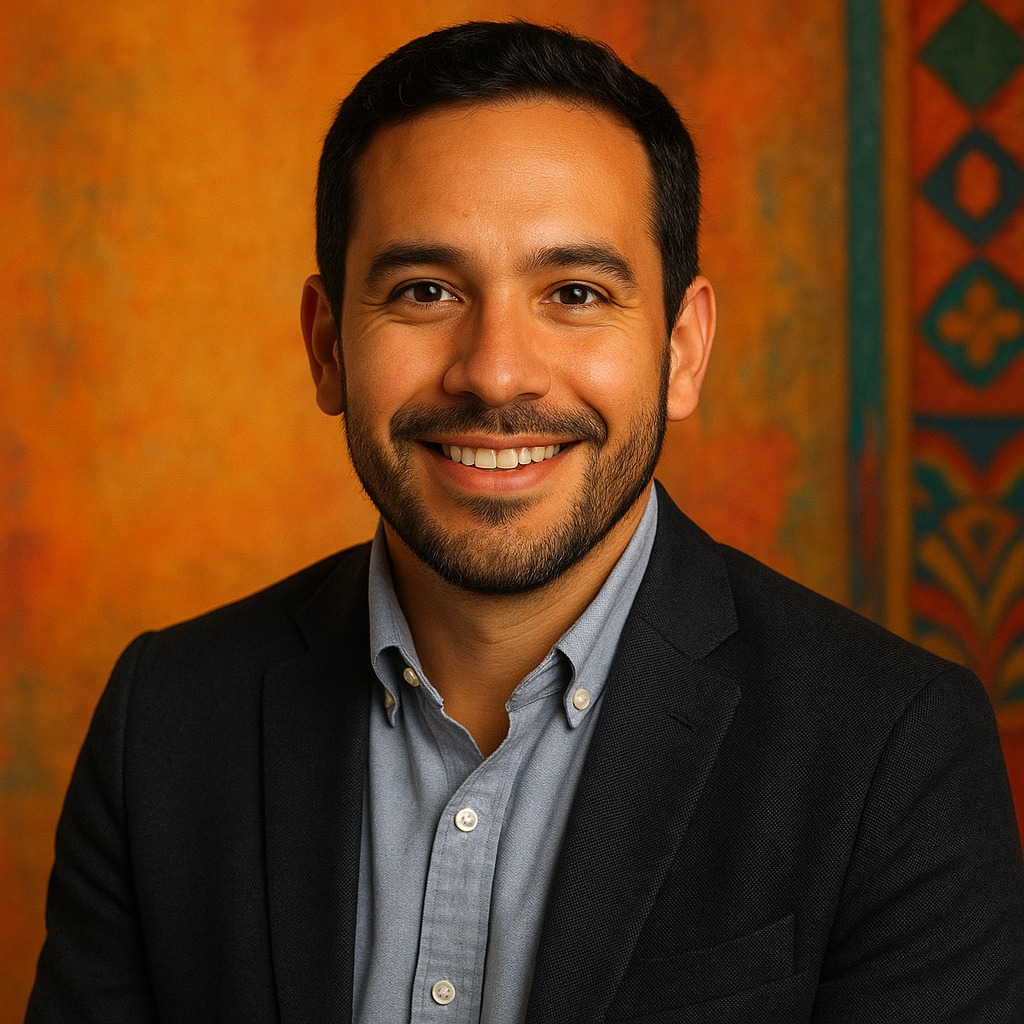
Sobre el autor
**Andrés Fonseca** es corresponsal de economía y negocios en *EE.UU. Hoy*, cubriendo el mercado laboral, emprendimiento latino y finanzas personales. Su escritura clara convierte temas complejos en información útil para la comunidad.

The travel landscape for Latino communities in the United States is evolving rapidly as Destinos de viaje latinos 2026 take shape. A comprehensive data-driven look at how U.S. Latinx and Hispanic travelers plan, book, and experience trips shows a shift toward domestic mobility, multigenerational travel, and technology-enabled planning. In 2025, Latino travelers were on track to contribute an estimated $165 billion to the U.S. travel economy, with annual leisure trips rising by about 10% and per-trip spend increasing by roughly $180 on average, according to Airbnb’s LatAm and Hispanic traveler insights. This signals not only volume growth but a fundamental change in how and where Latino families travel in 2026 and beyond. Florida and California have emerged as dominant domestic hubs for winter and year-round travel, while iconic destinations like Las Vegas are resonating strongly with extended families seeking sun, entertainment, and culture. These trends underscore a broader transformation in the U.S. travel market driven by multigenerational travel, flexible lodging options, and Spanish-language and culturally attuned platforms. (news.airbnb.com)
The implications of these shifts extend beyond the U.S. borders. In Latin America, luxury and experiential travel are converging with authentic, culture-forward experiences, creating a landscape where destinations are competing on depth of engagement as much as on scenery. A Forbes Life analysis of Latino destinations for 2026 highlights a region moving toward immersive, sustainable, and community-centered travel, with events such as the 2026 FIFA World Cup boosting interest in regional hubs. The report identifies places like Mexico City and Cartagena as focal points for 2026 travel, reflecting a broader appetite for culturally rich journeys and well-rounded experiences. These developments are shaping not only where Latino travelers go but how travel brands design products, curate experiences, and reach audiences in 2026. (forbes.co)
Section 1: What Happened
Announcement overview
The year 2026 is shaping up as a milestone for Destinos de viaje latinos 2026, with industry watchers underscoring the growing influence of Latino travelers on the broader travel economy. A leading data point comes from Airbnb’s U.S. Latin and Hispanic Traveler Report, which, in its September 2024 release, projected that Latino travel would contribute $165 billion to the U.S. economy in 2025 and would experience a 10% uptick in annual leisure trips, with Latino travelers spending an average of about $180 more per trip than in prior years. This data set also identified Las Vegas as the most desired destination, and highlighted the importance of family and multi-generational travel in shaping demand for accommodations that support group stays. (news.airbnb.com)
The same Airbnb research emphasized the central role of lodging choices, noting that 54% of U.S. Latin and Hispanic travelers consider Airbnb or other short-term rentals, and that nights booked for groups (including extended families) accounted for a meaningful share of travel activity. Taken together, these findings reveal a market that is not only large but also highly responsive to digital platforms, social and cultural cues, and the needs of multi-generational households. As the industry gears up for 2026, the data point about Las Vegas as the top destination for this traveler segment has already proven influential in shaping regional marketing and product development strategies. (news.airbnb.com)
In parallel, the travel industry is preparing for a more formalized ecosystem of Latino-focused travel opportunities in 2026. ITB Americas, a new regional trade show launched to connect North, Central, and South American markets, is scheduled for November 10–12, 2026 in Guadalajara, Mexico. The event signals a concerted push to align destinations, airlines, tour operators, and tech platforms across the Americas, reflecting a growing recognition of the economic significance of the U.S. Latino travel segment and its connections to Latin American markets. This development marks a tangible step in coordinating cross-border travel innovation and policy for 2026 and beyond. (itb.com)
Key destinations and growth areas
Within the United States, the Latino travel narrative in 2026 continues to be anchored by Florida and California as premier domestic gateways, driven in large part by family-focused travel and the availability of accommodations that support multi-generational groups. The Airbnb data release highlighted Las Vegas as the destination most desired by U.S. Latin and Hispanic travelers, with other growth centers including Myrtle Beach and Florianópolis, Brazil, signaling both intra-U.S. migration patterns and expanding international choices for Spanish-speaking travelers. This combined domestic-international dynamic underscores how Latino travelers are shaping multi-destination itineraries and influencing lodging demand across diverse geographies. (news.airbnb.com)
In Latin America, 2026 is shaping up as an era of experiential travel that blends natural beauty with cultural immersion and sustainable practices. Forbes Colombia’s December 2025 explainer on top Latin American destinations for 2026 highlights Patagonia (Chile), Cartagena (Colombia), Rio de Janeiro (Brazil), Papagayo (Costa Rica), and Mexico City among the region’s most compelling destinations for high-end travelers seeking authentic experiences aligned with wellbeing and sustainable travel practices. The piece also notes that events like the FIFA World Cup 2026 will drive visitation to Mexico and surrounding regions, reinforcing the link between major events and travel momentum in the Latin American context. (forbes.co)
The broader regional context is supported by UNWTO and NTTO data showing that international tourism continued to rebound through 2024 and into 2025, with the Americas posting solid growth while global travel volumes recover toward pre-pandemic levels. These macro-level signals provide a backdrop for Destinos de viaje latinos 2026, indicating that the Latino traveler segment will operate within a growing, increasingly interconnected global travel system. (en.unwto-ap.org)
Timeline and milestones
September 12, 2024: Airbnb releases a comprehensive report detailing LatAm and Hispanic traveler behavior in the U.S., including a 10% projected increase in trips for 2025, a $165 billion economic impact, and the centrality of extended-family travel in decision-making. The report also identifies Las Vegas as the top destination and notes strong growth in Myrtle Beach and Florianópolis for Spanish-language travelers. This date anchors the data-driven exploration of Destinos de viaje latinos 2026 and informs subsequent industry responses. (news.airbnb.com)
2025: Airbnb’s LatAm and Hispanic traveler data continues to influence marketing, platform development, and product design in the U.S. market, with 54% of travelers considering short-term rentals and a growing emphasis on group travel features. The continued emphasis on family, culture, and community-led experiences shapes the types of accommodations, experiences, and destinations that brands push to this audience. (news.airbnb.com)
November 10–12, 2026: ITB Americas debuts in Guadalajara, Mexico, as the premier travel trade show for the Americas. The event consolidates cross-border collaboration among airlines, destinations, and tech platforms and acts as a barometer for where Destinos de viaje latinos 2026 are likely to concentrate investment and marketing attention—especially given the region’s shared linguistic and cultural ties and the growth of Latin American origin markets in North America. (itb.com)
Section 2: Why It Matters
Impact analysis
Economic significance: The Latino travel segment remains a major driver of U.S. domestic tourism and cross-border travel flows. Airbnb’s 2024 LatAm/Hispanic traveler report estimated that Latino travelers would contribute about $165 billion to the U.S. economy in 2025, underscoring the scale of this demographic’s influence on lodging, experiences, and overall travel spend. The 10% year-over-year increase in trips and a higher per-trip spend amplify the impact on local hospitality markets, labor demand, and tourism infrastructure in key destinations such as Las Vegas, Orlando, and Miami. For destinations and brands, this translates into more sophisticated group-booking capabilities, multi-bedroom inventory, and culturally tailored marketing. (news.airbnb.com)
Marketing and product implications: The preference for short-term rentals and group lodging observed in the LatAm/Hispanic traveler data suggests that platforms, hotel brands, and local operators should invest in scalable, family-friendly accommodations and features that facilitate group planning (shared wishlists, invitations, and messaging). Airbnb’s data indicates a meaningful shift toward accommodations that support multi-generational gatherings, which presents opportunities for developers and property managers to optimize layouts, amenities, and pricing for larger groups. The social and cultural drivers—pop culture, events, and personal connections—also imply that partnerships with cultural institutions, concerts, and sports events can be powerful growth levers. The industry’s response to these drivers is visible in the 2026 World Cup and other major events shaping travel demand across the region. (news.airbnb.com)
Regional growth and cross-border dynamics: The ITB Americas launch and the Guadalajara venue signal a strategic emphasis on regional connectivity and cross-border travel within the Americas. This is particularly relevant for Latino travelers who maintain strong cultural ties across the U.S.-Mexico and broader Latin American corridors. The event’s focus on 35 countries and the presence of major industry players highlight a maturing ecosystem in which technology platforms (booking engines, turismo experiences, mobile payments) can scale to serve a multilingual, multicultural audience. (itb.com)
Tourism resilience and diversification: The UNWTO’s early-2025 barometer and related NTTO/trade data show that global tourism"remains resilient despite volatility," with the Americas posting solid gains relative to pre-pandemic levels. This resilience matters to Destinos de viaje latinos 2026 because it underpins a reliable market for Latino travel brands and destinations, even as pricing pressures and macroeconomic conditions influence trip frequency and size. Policymakers and industry players can use these signals to design targeted promotion, visa facilitation, and digital infrastructure that lowers friction for Latino travelers. (en.unwto-ap.org)
Who it affects
Travelers and families: Latino travelers and multi-generational households stand to benefit from better access to family-friendly destinations, larger lodging options, and culturally resonant experiences. The Airbnb data show that group travel represents a substantial share of nights booked by Spanish-speaking travelers, underlining the importance of family-centric planning tools, flexible cancellation policies, and community-based experiences that accommodate large groups. (news.airbnb.com)
Destinations and hospitality providers: The preference for destinations like Las Vegas, Myrtle Beach, and Florianópolis—along with a pipeline of Latin American destinations poised for growth—creates opportunities for destinations to broaden their appeal through targeted marketing, language-accessible services, and partnerships with Latino media, influencers, and community organizations. The Forbes list of top Latin American destinations for 2026 reinforces the momentum toward culturally immersive, high-value experiences that blend nature, heritage, and wellness. (news.airbnb.com)
Travel tech and platforms: The LatAm/Hispanic traveler segment’s reliance on digital planning tools—group planning features, multilingual support, and culturally relevant content—highlights a need for tech platforms to invest in inclusive design. The ITB Americas launch further signals an environment where tech-enabled travel services, payment solutions, and cross-border logistics will play a central role in enabling more seamless experiences for multi-destination itineraries. (itb.com)
Broader context
Global travel rebound context: The global travel market has been consolidating post-pandemic gains, with international arrivals rebounding across many regions. In the Americas, tourism growth has been robust, supported by a combination of favorable exchange rates, festival and sport-driven travel, and shifting consumer preferences toward experiential, authentic, and culturally connected travel. This broader trend helps explain why Destinos de viaje latinos 2026 emphasize authenticity, community, and accessibility as core value propositions for Latino travelers. (en.unwto-ap.org)
Cultural and economic drivers: The Latin American market’s growth dynamics—driven by events, cultural experiences, and a rising number of high-net-worth travelers seeking transformative experiences—are shaping the travel agenda in 2026. The Forbes analysis highlights the importance of the “luxury with purpose” trend, where travelers value experiences that connect with local culture, sustainability, and meaningful interactions more than opulent but passive travel. This aligns with the Latino travel consumer’s emphasis on family, culture, and shared experiences, as documented by Airbnb. (forbes.co)
Section 3: What’s Next
Timeline and next steps
2026 planning and marketing windows: As Destinos de viaje latinos 2026 take shape, industry players will likely intensify content localization, language support, and family-friendly product development. Brands should prepare for more Spanish-language programming, localized promotions in top destinations (Las Vegas, Orlando/Mt. Dora area, Florida; Southern California hubs; major Mexican and Caribbean destinations), and partnerships with Latino media outlets to reach audiences where they plan and book travel. Airbnb’s continued emphasis on the Latin/Hispanic traveler community suggests continuing product improvements for group planning and inclusive experiences. (news.airbnb.com)
Cross-border collaboration and events: The ITB Americas launch in Guadalajara signals a growing emphasis on cross-border collaboration and a regional approach to travel marketing. Expect more airline route announcements, joint promotions between U.S. and Latin American destinations, and digital payment innovations designed to simplify trips across borders for Latino travelers. Watch for airline-booking bundles, multi-city itineraries, and cross-border experiences that align with the multi-destination demands described in 2026 trend analyses. (itb.com)
Destination development in LatAm: The Forbes list for 2026 highlights places like Patagonia, Cartagena, Rio de Janeiro, Papagayo, and Mexico City as top luxury and experiential destinations. Expect continued investment in sustainable lodgings, cultural heritage projects, and wellness offerings, with a particular focus on authentic experiences and local storytelling. Destinations across the region may also leverage major events to attract international visitors, fuelling longer seasons and off-peak travel. (forbes.co)
What to watch for
Price and affordability dynamics: As Latino travel continues to grow, there is an ongoing need to balance demand with affordability. Inflation, fare costs, and accommodation pricing can influence trip frequency and length, particularly for multi-generational travel where budgets are stretched across households. Industry reporters and analysts will monitor household spending patterns and the share of travel budgets allocated to lodging, experiences, and dining. While sources show large overall spend potential, consumer sentiment varies by macroeconomic conditions. (news.airbnb.com)
Technology adoption and platform evolution: Expect continued innovation in group travel planning tools, language accessibility, and culturally tailored content on booking platforms. The LatAm/Hispanic traveler data underscore a preference for platforms that support family-centric travel and local experiences, which will drive product design, partnerships, and marketing approaches in 2026. (news.airbnb.com)
Destination mix and travel patterns: The 2026 landscape is likely to feature a mix of well-trodden urban hubs and emerging regional destinations. The Forbes list highlights a mix of natural, cultural, and urban experiences—an approach that resonates with Latino travelers' emphasis on authentic connections and meaningful engagement with places. Destinations that invest in community engagement and sustainable practices may gain ground as preferred options for discerning travelers. (forbes.co)
Closing Destinos de viaje latinos 2026 reflect a travel market that is both sizable and increasingly sophisticated in its use of technology, language, and cultural cues. The coming year will likely see a continuation of the domestic travel surge to places like Florida and Nevada, a sustained interest in cross-border itineraries linking the United States with Latin American destinations, and a broader focus on experiential, authentic travel experiences that deliver real connections with local cultures. As the industry mobilizes—through new events like ITB Americas in Guadalajara, ongoing platform innovations, and targeted destination marketing—Latino travelers are poised to remain a central force shaping the U.S. travel economy and the broader Americas’ tourism ecosystem in 2026 and beyond. For travelers, brands, and policymakers alike, the message is clear: listen closely to the needs of Latino travelers, invest in inclusive, culturally resonant offerings, and stay nimble as the Destinos de viaje latinos 2026 unfold. (news.airbnb.com)
As always, readers seeking the latest updates on Latino travel trends can monitor major industry publishers and platform dashboards, including the Airbnb Newsroom, ITB Americas announcements, and cross-reporting from travel analytics firms. These sources provide the data backbone for understanding where Destinos de viaje latinos 2026 are headed, how technology is enabling smarter travel, and which destinations are most likely to deliver value for Latino families and communities in the near term. The insights are dynamic, and continued reporting will be essential to understand the evolving patterns, opportunities, and challenges that accompany a rapidly changing travel landscape. (news.airbnb.com)