Deportes latinos en EE. UU.: Perspectivas y datos 2026

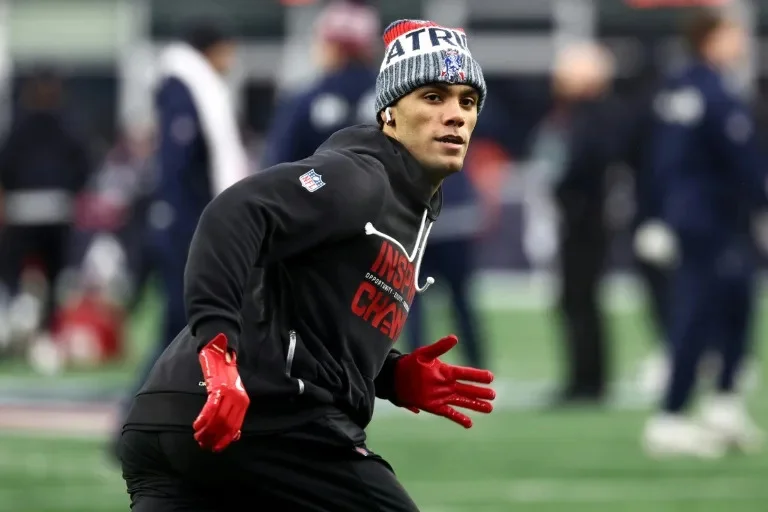
The landscape of deportes latinos en EE. UU. is more than a sports story; it is a data-rich lens on demographics, media consumption, and the evolving market for sports rights, sponsorships, and technology. Across the United States, Latino fans are shaping what Americans watch, how they watch it, and where brands invest. A growing body of rigorous research shows that Latino sports fans are not a niche audience but a powerful, multichannel force driving viewership, engagement, and spending across streaming, live events, and digital ecosystems. This interview-style exploration distills those insights into practical takeaways for publishers, leagues, teams, and sponsors who want to engage with this dynamic audience in a thoughtful, measurable way. We ground our discussion in recent, data-driven findings about Latino participation, streaming habits, and the economic footprint of this fan base. Sources and data points referenced throughout come from cross-industry analyses and market research published in 2024–2025.
The guest expert in this conversation is an industry analyst who has contributed to high-profile, data-driven studies on the Latino sports market, including collaborations with Telemundo and leading consulting firms. Their background spans two decades of research on sports economics, media consumption, and bilingual, bicultural audiences. While the interview frames these insights through a neutral, analytical lens, the emphasis remains on actionable patterns readers can apply to strategy, media planning, and community engagement. For context, the data referenced includes findings from McKinsey–Telemundo studies, Nielsen’s Hispanic audience reports, and Bain & Company’s market analyses, which collectively highlight Latino fans as a central engine of growth for the U.S. sports ecosystem. (mckinsey.com)
Background & Context
Q: Could you share a bit about your professional background and how you began focusing on deportes latinos en EE. UU. analysis?
A: I’ve spent more than two decades studying how sports, media, and culture intersect in the United States, with a strong emphasis on bilingual and bicultural audiences. My work has spanned market sizing, consumer behavior, and strategic guidance for leagues, teams, and brands seeking to engage Latino communities in authentic ways. A key throughline in my career has been translating demographic shifts into actionable insights—like how Latino participation in youth sports, streaming adoption, and digital engagement shape the economics of the sports ecosystem. In recent years, I’ve collaborated on studies that quantify Latino influence in areas such as streaming penetration, sponsorship ROI, and cross-platform consumption, which helps explain why deportes latinos en EE. UU. now drive meaningful growth across multiple verticals. This perspective aligns with the latest industry findings that Latinos represent a growing slice of the sports economy and are changing how content is produced and distributed. (mckinsey.com)
Q: What early signals did you notice about Latino engagement with sports in the United States?
A: Early signals often came from participation patterns and media consumption behavior. Youth sports participation among Latino communities has been rising, with growth outpacing non-Latino peers in several years, which signals a pipeline of future fandom and consumer activity. On the media side, streaming has become a dominant delivery channel for Latino viewers, with Latinos showing a strong propensity to adopt digital-first experiences and multi-channel engagement. This convergence—more youth participation, more streaming, and more engagement across social and digital platforms—translated into a broader shift in the sports economy, where Latinos are becoming a larger share of fans, viewers, and spend. (mckinsey.com)
Q: How would you describe the demographic profile of deportes latinos en EE. UU. and its implications for the market?
A: The Latino population in the United States is younger on average than the general population, with a large share under age 34. This generational tilt creates a durable, tech-savvy audience that engages across live events, streaming, social media, and mobile apps. From a market perspective, this means rights holders, sponsors, and platforms should think beyond traditional TV and consider multilingual, culturally resonant content, flexible distribution, and community-oriented engagement that spans live, broadcast, streaming, and social. As the population grows and participates in sports at higher rates, the opportunity to expand revenue pools—tickets, merchandise, streaming subscriptions, and digital sponsorships—becomes more compelling. (mckinsey.com)
Q: What does the current data say about Latino share of the US sports economy today, and where is it headed?
A: Recent analyses estimate Latinos currently account for roughly 19% of the U.S. sports ecosystem, with projections suggesting a rise toward a quarter of the market by the mid-2030s. The underlying drivers include population growth, youth participation, higher engagement with digital and streaming platforms, and stronger spending per fan in sports categories. This trajectory implies a gradual but persistent shift in market leadership toward Latino fans as the core consumer base for the sports economy. (mckinsey.com)
Q: What roles do media companies and brands play in shaping deportes latinos en EE. UU. today?
A: Media companies—especially those with cross-border and bilingual capabilities—have a critical role in shaping access, language options, and authentic storytelling. Brands that sponsor Latino sports fans tend to see higher engagement and loyalty, particularly when partnerships feel culturally resonant and contextually relevant. The research also highlights a two-way opportunity: brands can reach a growing audience more effectively by aligning with Latino values and experiences, while Latino fans reward authentic sponsorship with deeper engagement and advocacy. This dynamic is echoed in Nielsen’s work on Hispanic audiences and sponsorship impact. (nielsen.com)
Core Topic Deep Dive
Q: How important is streaming to Latino sports fans, and what does that mean for rights holders and platforms?

A: Streaming is a defining channel for Latino audiences. Latinos consume a larger share of TV content via streaming than non-Latinos, with streaming representing a majority of their viewing time. This shift emphasizes the importance of streaming-first strategies for live sports, on-demand highlights, and multi-language content. For rights holders, that means prioritizing flexible distribution, localized language options, and digital-native marketing that reaches fans where they already are. It also reinforces the value of platforms that support multilingual experiences and social integration, because Latino fans tend to engage across WhatsApp, TikTok, and Instagram in addition to traditional media. (nielsen.com)
Q: Which sports and leagues are most strongly associated with Latino fans, and how does heritage influence preferences?
A: Soccer has strong resonance within Latino communities in the U.S., with high representation among MLS audiences and a clear path to mainstream relevance through leagues and events with global appeal. Beyond soccer, Latino fans show meaningful engagement with basketball, baseball, and football, though preferences can vary by heritage and generation. Market research indicates that Latino fans are highly diverse—originating from many countries—so a one-size-fits-all approach can miss important nuances. In practice, teams and leagues succeed when they tailor content and experiences to reflect local community identities and language preferences. (nielsen.com)
Q: How do Latinos engage with sports content across platforms, and what does that imply for sponsorships?
A: Latinos are omnichannel and digitally fluent, engaging across streaming, social media, messaging apps, and live events. They are more likely to participate in fantasy sports, follow highlights, and interact with content via mobile and social platforms. Sponsorships that feel authentic—rooted in community experience, language access, and culturally relevant storytelling—tend to generate higher brand affinity and advocacy. Nielsen’s findings show significant differences in engagement and sponsorship effectiveness among Hispanic audiences, underscoring the ROI of language- and culture-aware partnerships. (mckinsey.com)
Q: What is the current state of representation of Latinos in sports leadership and media roles, and why does it matter?
A: Across major sports, Latinos remain underrepresented in leadership and decision-making roles relative to their share of the fan base. This leadership gap matters because it can influence product strategy, content direction, and community engagement approaches. Addressing this imbalance is critical not only for equity but for driving market growth; diverse leadership can better anticipate and respond to the needs and preferences of Latino fans, which in turn strengthens fan relationships and sponsorship outcomes. (bain.com)
Q: How do language and content availability affect Latino sports fans’ access and loyalty?
A: Language accessibility is a central design choice for reaching Latino fans. While many Latinos are bilingual, a meaningful portion still prefers Spanish-language content, particularly among first- and second-generation audiences. Nielsen and McKinsey data suggest that while Spanish-language programming currently accounts for a minority of total viewing hours, demand remains strong, and the streaming era offers opportunities to provide bilingual or Spanish-language content more broadly. The takeaway is that a bilingual or language-flexible distribution approach helps capture both heritage and bilingual fans. (nielsen.com)
Q: What role does youth sports participation play in shaping long-term Latino sports engagement?
A: Youth sports participation is a leading indicator of future fandom and long-term consumer behavior. If Latino youth participation continues to grow, it lays the groundwork for a larger base of engaged fans who are early adopters of digital media, streaming, and mobile platforms. The sports ecosystem benefits from this pipeline through higher attendance, more merchandise demand, and robust streaming subscriptions as these youths age into the core fan segments. SFIA and other youth participation data have shown accelerations in Latino youth engagement over recent years, reinforcing the “watch and participate” cycle that sustains interest over time. (mckinsey.com)
Q: How are rights holders and leagues adapting to the realities of a Latino-centric growth trajectory?
A: Rights holders and leagues are exploring multilingual content strategies, targeted marketing in Latino communities, and partnerships that reflect diverse cultural experiences. The McKinsey–Telemundo findings emphasize the importance of authentic engagement that goes beyond Spanish-language programming to inclusive, culturally resonant experiences. Yields include higher fan retention, stronger attendance, and improved sponsorship performance, particularly as Latino consumers become a primary growth engine for the sports economy. (mckinsey.com)
Q: What are the most effective data-informed practices for engaging deportes latinos en EE. UU. today?
A: The most effective practices combine audience insight, platform strategy, and language inclusion. Specifically:
- Use streaming-first distribution with Spanish and bilingual options, plus engaging highlights and clips for social.
- Invest in culturally relevant storytelling that reflects Latino communities and local identities.
- Measure sponsorship ROI not only by reach but by engagement quality and brand affinity within Latino segments.
- Expand cross-platform strategies that leverage WhatsApp, TikTok, Instagram, and other social channels to meet fans where they already are.
- Ensure leadership and staff representation reflects the audience to better understand needs and opportunities. These practices are aligned with Nielsen and Bain findings on streaming dominance, sponsorship impact, and leadership representation in sports. (nielsen.com)
Q: Can you quantify the growth trajectory for deportes latinos en EE. UU. in the next decade and a half?
A: Projections from leading analytics indicate that the Latino share of the United States population—and its influence on the sports economy—will continue to rise through the 2030s. The Latino segment is expected to contribute to a notable portion of growth in the sports ecosystem, with Latinos projected to account for a meaningful share of incremental sports spending as the market expands toward $300 billion-plus by 2035. Importantly, this growth is tied not only to fan numbers but also to higher per-fan spending and greater engagement across streaming and digital channels. (mckinsey.com)
Q: What about the risks or challenges in capitalizing on this growth?
A: The primary challenges involve representation, language access, and content alignment with diverse Latino communities. Underrepresentation in leadership, potential gaps in Spanish-language content availability, and the need to tailor experiences to different heritage groups are all critical considerations. Brands and leagues must avoid treating Latinos as a monolith and instead invest in inclusive experiences, tuned to local dialects, cultural nuances, and family-centric engagement patterns. This is a recurring theme across Bain’s and Nielsen’s analyses, underscoring the need for deliberate, culturally informed strategies. (bain.com)
Q: How should media distributors think about the balance between live sports, streaming, and on-demand content for Latino audiences?
A: A balanced approach recognizes streaming as a centerpiece of Latino viewing, while preserving the excitement and immediacy of live sports. Live events remain essential for reach and engagement, but streaming and on-demand access—especially with multilingual options—unlock broader participation and loyalty. The data show streaming’s share of Latino viewing is growing, and platforms that offer flexible, culturally resonant access are more likely to capture and sustain Latino audiences over time. (mckinsey.com)
Q: What practical steps would you recommend to a publisher or sponsor aiming to serve deportes latinos en EE. UU. more effectively?
A: Practical steps include:
- Develop a bilingual content strategy that respects language preferences across generations and communities.
- Create localized, culturally aware programming and sponsorships that reflect the realities of Latino fans in different regions (e.g., strong soccer markets in California and Florida, vibrant basketball scenes in Texas and New York).
- Invest in data-driven measurement to track engagement, brand lift, and spending across streaming, tickets, and merchandise, with a focus on incremental growth rather than only audience size.
- Partner with Latino creators, athletes, and influencers who authentically connect with fans and can translate data insights into compelling experiences.
- Build internal capability and diverse leadership to ensure strategy is aligned with audience needs and market dynamics. These approaches are consistent with the broader research on Latino consumer power and sponsorship effectiveness. (bain.com)
Practical Insights
Q: What actionable takeaways should readers take away about engaging deportes latinos en EE. UU. today?
A: Four core takeaways emerge from the latest data:
- Streaming-first is not optional: Latinos lean into streaming, so focus on multilingual, accessible content, with a strong emphasis on mobile experiences and social integration. This aligns with the growing streaming share in Latino viewing and the increasing importance of platforms like ESPN+ and other streaming services. (mckinsey.com)
- Authentic sponsorship matters: Sponsors should aim for culturally resonant partnerships that reflect community values and experiences, not generic messaging. The data show higher brand affinity and willingness to engage when sponsorship aligns with Latino fans’ realities. (nielsen.com)
- Language matters, but diversity within Latinos matters more: While Spanish-language content is valuable, the Latino market is not monolithic. Effective strategies recognize language preferences, heritage differences, and regional nuances to avoid stereotyping. (mckinsey.com)
- Diversity in leadership is a growth lever: Representation in management and media decision-making correlates with better audience understanding and better market results. Investing in diverse leadership helps organizations design more effective engagement strategies for Latino fans. (bain.com)
Looking Ahead
Q: What future predictions stand out for deportes latinos en EE. UU.?
A: The near-term trajectory points to continued growth in Latino share of the sports economy, driven by population dynamics, youth engagement, and digital-native media behavior. By 2035, Latinos could contribute a substantial portion of incremental growth in the U.S. sports market, with streaming and cross-platform experiences playing a central role. As platforms evolve, the emphasis will likely shift toward personalized content, community-building experiences, and measurable sponsorship impact that reflects the unique ways Latino fans interact with sports across media channels. (mckinsey.com)
Q: What final thoughts would you offer to editors, publishers, and brands covering deportes latinos en EE. UU.?
A: The data suggest a move from “niche” to “core” in the Latino sports narrative. Editorial and sponsorship strategies that combine rigorous data, authentic storytelling, and inclusive platform design will be more likely to succeed. Readers should expect continued growth in streaming penetration, cross-platform engagement, and the emergence of Latino fans as pivotal drivers of both audience growth and revenue in the U.S. sports economy. Staying grounded in robust market research and collaborating with bilingual, culturally competent partners will be essential as the landscape evolves toward 2035 and beyond. (mckinsey.com)
Closing
There is robust, data-backed momentum behind deportes latinos en EE. UU., with Latino fans helping to redefine the scale, channels, and commercial potential of sports in America. The path forward for media, leagues, and brands is clear: meet Latino fans where they are—with language-adaptive content, authentic partnerships, and leadership that reflects the communities being served. As the market grows, the opportunities to deliver value to fans and investors alike will expand in tandem, underpinned by ongoing research and a commitment to inclusive, data-informed decision-making. For readers who want to learn more, following McKinsey–Telemundo, Nielsen’s Hispanic audience reports, and Bain’s market analyses will provide ongoing, rigorous perspectives on how deportes latinos en EE. UU. are shaping the broader sports economy and technology-enabled fan experiences.
If you’d like, I can tailor this interview for a specific region (e.g., California, Florida, Texas) or a particular sport (soccer, basketball, or football) and add regional data points and local case studies to deepen the analysis.