Deporte Comunitario Hispano 2026 Ligas Juveniles
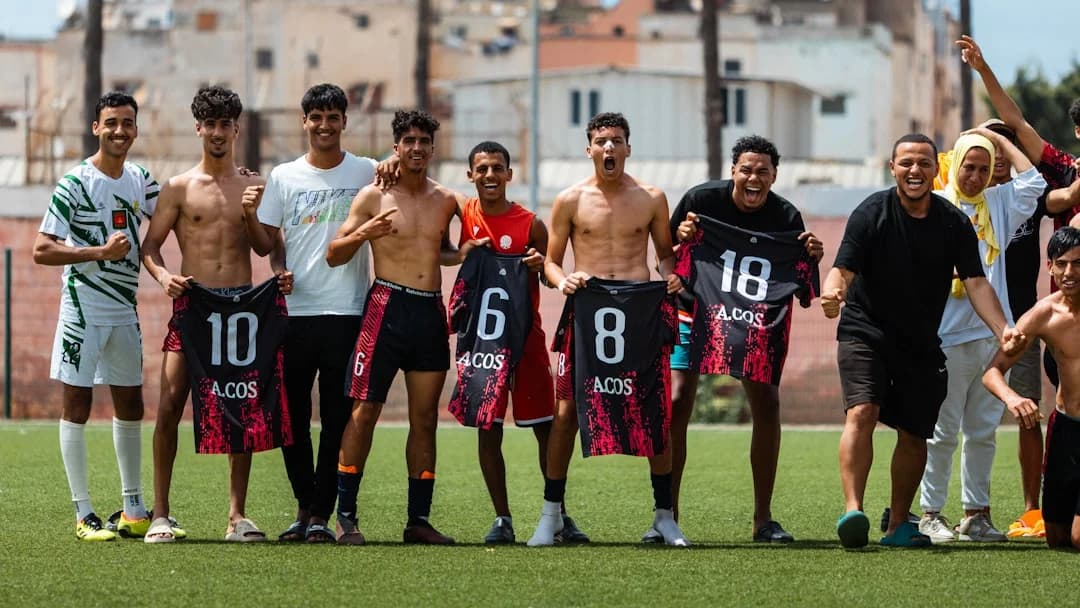
Photo by Salah Regouane on Unsplash
In a move set to reshape youth sports access in urban Latino communities, the Los Angeles World Cup 2026 Host Committee and the LA84 Foundation’s Play Equity Fund announced on June 11, 2025 the selection of 26 Community Champions. These nonprofits will receive $26,000 grants each, plus a professionally produced marketing video and public recognition as part of a broader World Cup legacy effort designed to elevate participation in youth soccer and baseball across Southern California and beyond. This initiative—codenamed the 26 Community Champions—signals a deliberate push to expand Deporte comunitario hispano 2026 ligas juveniles de fútbol y béisbol en comunidades latinas urbanas by connecting sport with opportunity through targeted funding and brand amplification. The announcement underscores a broader strategy to transform access to sport for underserved families, while aligning with the World Cup’s regional legacy strategy and the Play Equity Fund’s long-running mission to close play equity gaps. (cppp.usc.edu)
The rollout includes a multi-year plan to grow youth participation through a mix of grassroots clinics, coach development, and community-based programming. Beginning in 2025, the Grow the Game of Soccer initiative will kick off a series of youth clinics designed to train players, coaches, and referees, aiming to create a sustainable pipeline that feeds into local clubs and school programs. The program is explicitly designed to leverage local partnerships and to translate the exposure generated by FIFA World Cup 26™ into durable community benefits, with a focus on urban Latinos who historically have faced barriers to regular participation. This effort aligns with Play Equity Fund priorities, which emphasize expanding access, inclusivity, and belonging in sports. (cppp.usc.edu)
Telemundo’s community impact initiatives, including the public-facing Tu Momento. Tu Jugada. campaign, have highlighted Los Angeles–area organizations that are expanding access to youth athletics as part of a national effort tied to FIFA World Cup 2026. The program spotlights a range of nonprofits that are leveraging soccer to empower youth, build leadership, and strengthen community ties, and the organizations cited are among the 26 Community Champions. The collaboration underscores a media-driven approach to raising awareness and attracting cross-sector support for youth sport in Hispanic communities. (telemundo.com)
This framework sits within a broader national context in which urban youth sport programs are increasingly seen as essential for social mobility and community resilience. Local nonprofits across New York, Los Angeles, and other major markets report rising demand for accessible, affordable, and well-structured youth sports opportunities, particularly for immigrant and first-generation families. In Harlem, for example, a nonprofit has emphasized how funding and partnerships sustain programs that keep youth sports within reach for families balancing work, transportation, and cost constraints. These real-world stories echo the LA84/Play Equity narrative and provide a concrete backdrop for the 26 Community Champions program in 2025–2026. (amsterdamnews.com)
As cities gear up for FIFA World Cup 26, marketplace and policy dynamics around youth sports are evolving quickly. The 26 Community Champions program is paired with a broader economic and cultural strategy that aims to maximize local impact—through grant investments, targeted youth programming, and public-facing media campaigns. The funded nonprofits will also gain visibility through a marketing video series and official recognition, enabling them to attract volunteers, donors, and school partnerships in the coming years. This combination of funding, media amplification, and programmatic support reflects a broader trend toward predictable, measurable investment in youth sports as a lever for community development. (cppp.usc.edu)
Section 1: What Happened
Announcement Details
The pivotal event occurred on June 11, 2025, when the Los Angeles World Cup 2026 Host Committee and the Play Equity Fund formally announced the 26 Community Champions—a World Cup legacy initiative designed to lift up local nonprofits using soccer to empower youth and their families. Each selected organization will receive a grant of $26,000, a professionally produced marketing video, and public recognition as part of a broader effort to grow the game in urban Latino communities. The plan is to leverage this funding to build sustained programming that extends beyond a single season and feeds into school and neighborhood leagues for youth in soccer and, importantly, baseball as well. The official announcement and the program’s framing materials appear in the host committee’s compiled report, which details the grant structure and the intended community impact. (cppp.usc.edu)
Timeline and Programmatic Milestones
The 26 Community Champions program is anchored by a multi-year roadmap that includes an initial wave of youth soccer clinics launched in 2025, designed to increase participation, improve coaching quality, and seed leadership development among young players. The Grow the Game of Soccer initiative is described as a core pillar of this push, emphasizing hands-on training, mentorship, and a path to long-term engagement within local leagues. Over time, the initiative is expected to cascade into cross-sport opportunities, including baseball, reflecting the broader Deporte comunitario hispano 2026 theme of integrating fútbol and béisbol within urban Latino communities. The plan also maps to the FIFA World Cup 26 schedule and legacy objectives, with community activities scheduled to align with World Cup milestones and related cultural programming. (cppp.usc.edu)
The One Year To Go Celebration and Media Outreach
A key milestone within the host committee’s communications plan is the One Year To Go Celebration, which was set to be hosted on June 11, 2026, at the Fox Studio Lot. This event is highlighted in the program documentation as a centerpiece for projecting momentum and reinforcing the connection between the World Cup, youth sports access, and local community development. The communications plan details a multi-city outreach approach, with community clinics, fan experiences, and volunteer opportunities designed to engage Latino families and other stakeholders across the Los Angeles metropolitan region and beyond. The plan emphasizes that the World Cup’s legacy will be built through sustained community engagement, not a single event. (cppp.usc.edu)
Key Facts and Participants
The 26 Community Champions program recognizes a diverse set of local nonprofit organizations across the greater Los Angeles region, each selected for its demonstrated commitment to expanding access to soccer and other youth sport opportunities among urban Latino communities. The program’s materials note that the selected groups will receive a $26,000 grant, a marketing video, and recognition—a combination intended to catalyze fundraising, volunteer recruitment, and long-term program expansion. The Appendix of the host committee’s document lists the participating organizations in detail, underscoring a collaborative approach that includes schools, community centers, and faith-based affiliates already embedded within local youth sport ecosystems. (cppp.usc.edu)
The Role of Technology and Marketing in the Launch
Although the core of the 26 Community Champions is about grants and capacity building, the program explicitly includes a communications and marketing component to magnify impact. The professional videos and public recognition are designed to raise visibility, attract volunteers, and facilitate partnerships with corporate sponsors and philanthropic funders. This mirrors broader market trends in youth sports where digital platforms, social media storytelling, and data-driven outreach are increasingly used to broaden access and encourage sustained participation among underrepresented groups. In parallel, national and regional sports organizations have been expanding their own tech-enabled tools for registration, scheduling, and program measurement, which helps rural and urban programs alike scale effectively. (cppp.usc.edu)
Section 2: Why It Matters
Equity and Access in Urban Latino Youth Sports
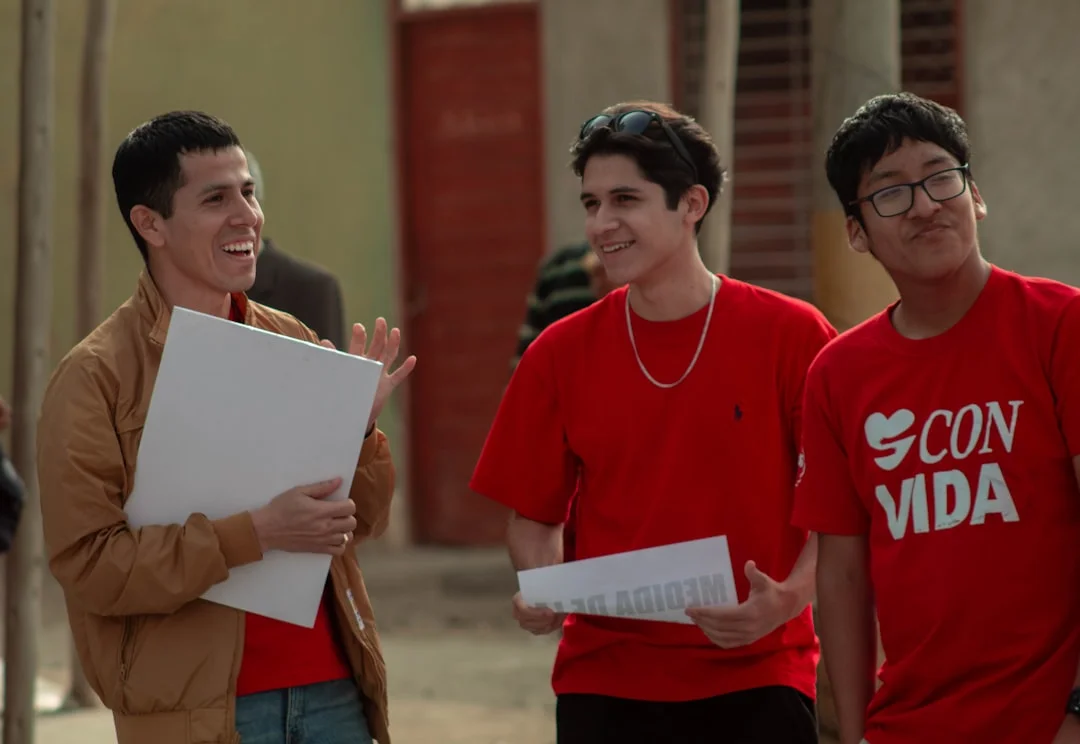
The Play Equity Fund’s mission centers on breaking down barriers to sport for children and families in underserved neighborhoods. By channeling targeted grants into youth soccer and baseball programs, the initiative addresses long-standing inequities in access to facilities, equipment, and coaching. The California Play Equity Report, published in 2026, reinforces the critical role of sport in mental health, belonging, and social development for youth and notes persistent gaps in opportunities for play among disadvantaged communities. The report’s data underscore that equitable access to sport is linked to a wide range of positive outcomes, including social belonging and long-term health benefits. The 2026 California Play Equity Report sits within a broader body of LA84 research showing the transformative potential of well-supported youth programs. (digital.la84.org)
Impact on Latino Families and Local Economies
Urban Latino families often navigate multiple barriers to sustained sports participation, including costs for registration, equipment, travel, and time away from work. Community-based programs that secure funding, provide low- or no-cost access, and offer integrated supports (academic mentoring, language access, transportation) can reduce those frictions and keep kids engaged year-round. A Harlem nonprofit case study highlighted in 2026 underscores how resource constraints can push families toward pay-to-play models; initiatives that reduce financial and logistical burdens can help reverse such trends and keep kids in sport. The Los Angeles World Cup 2026 legacy program, anchored by the 26 Community Champions, represents a concerted effort to mirror that approach on a bigger regional stage, recognizing that sport can be a reliable entry point for youth development and family stability in urban Latino communities. (amsterdamnews.com)
Technology and Market Trends Shaping Deporte comunitario hispano 2026
A growing set of technology-enabled tools is transforming how youth leagues are organized, coached, and funded. Modern league management platforms and digital registration systems streamline enrollment, scheduling, and communication for families who may speak Spanish as a primary language and navigate complex work schedules. While not a single program’s centerpiece, these tools are increasingly seen as essential to expanding reach and ensuring reliability in urban community leagues that are serving Hispanic and Latino populations. Market signals—from TeamSnap and other league-management providers to AI-powered play management tools—show that the next wave of youth sports infrastructure will be software-enabled, inclusive, and scalable. This trend aligns with the Play Equity Fund’s emphasis on accessible play and with the broader goals of the 26 Community Champions to build durable, community-rooted programs that endure beyond a single grant cycle. (teamsnap.com)
Case Studies: What Works in Urban Latino Sports Ecosystems
South Bronx United presents a compelling case study in urban youth soccer as a driver of community resilience. The organization operates a robust Recreational Soccer program with annual participation numbers reaching into the hundreds, and it maintains a strong focus on safety, development, and inclusion. The program’s 2024–2026 activity, including a Spring 2026 registration, illustrates how a well-organized urban club can scale up participation while maintaining a focus on equity and mentorship. The organization also runs girls-only divisions and leadership programs, expanding access to soccer for girls and nonbinary youth in addition to boys. Such models—embedded in city neighborhoods with high immigrant populations—mirror the aims of the 26 Community Champions to diversify and grow sport participation among Latino families in urban settings. (southbronxunited.org)
Public Perception and Media Framing
Media campaigns that spotlight community sports initiatives help convert grants into real-world participation gains. Telemundo’s Tu Momento. Tu Jugada. campaign has publicized how local organizations use soccer to empower youth, strengthen families, and foster leadership. This kind of media framing can influence donor behavior, volunteer engagement, and school partnerships, reinforcing the idea that Deporte comunitario hispano 2026 ligas juveniles de fútbol y béisbol en comunidades latinas urbanas are not only about games but also about opportunity, identity, and belonging. The broader NBCUniversal Play Makers program and related efforts around World Cup-related community events reinforce the value of media-backed community outreach in advancing these aims. (telemundo.com)
Baseball in Latinx Urban Contexts
While soccer has dominated many public conversations about youth sports in urban Hispanic communities, baseball also plays a vital role. In the Americas and the United States, youth baseball programs—especially those tied to Little League and local community leagues—offer structured pathways for skill development and college aspirations. The Little League organization continues to emphasize community engagement and access through urban initiatives and adaptive programs, which dovetail with the 2026 World Cup-driven emphasis on equity and inclusion. As urban leagues expand into multi-sport offerings, baseball remains a critical complement to soccer in many Latino communities, offering seasonal opportunities that align with school calendars and family routines. This cross-sport approach is precisely the kind of integrated strategy that the 26 Community Champions framework is designed to catalyze in Los Angeles and beyond. (littleleague.org)
Section 3: What’s Next
Upcoming Milestones and Program Rollout
Looking ahead, the most immediate milestones center on the implementation of the Grow the Game of Soccer clinics and the expansion of cross-sport programs into baseball. The LA host committee’s governance documents outline a staged rollout that includes ongoing clinics, coach development, and parent engagement activities designed to complement the grants. As clinics scale up, the participating nonprofits will be monitored for participation growth, coach retention, and community feedback, providing a data-driven view into how effectively the program translates grant funding into sustainable participation. The 2026 FIFA World Cup host city framework reinforces a cadence of events, milestones, and public engagement campaigns intended to keep momentum high through 2026 and into 2027 as post-World Cup programming matures. (cppp.usc.edu)
Longer-Term Implications for Markets and Stakeholders
From a market perspective, the 26 Community Champions program signals a growing alignment between public events, philanthropic funding, and grassroots sports ecosystems. For local nonprofits, the program offers not only financial support but also visibility that can drive fundraising and volunteer recruitment. For families, the initiative promises more predictable access to structured youth sports activities, with potential spillovers into academic achievement, health, and social cohesion. And for policymakers and funders, the approach provides a test case for how to combine large-scale event legacies with community-level outcomes—an approach widely discussed by LA84 Foundation and its partners as a model for sustained impact beyond a single sports season or tournament. (la84.org)
What to Watch for in 2026 and Beyond
Observers should watch for several indicators to assess the program’s effectiveness. First, participation trends in the funded leagues and clinics—especially among girls and nonbinary youth—will reveal whether access gaps are narrowing. Second, the quality and reach of the program’s marketing videos and public recognition will indicate whether the communications strategy is translating into broader community engagement and donor interest. Third, the collaboration with school districts, community centers, and faith-based organizations will show how well cross-sector partnerships can scale youth sport initiatives, particularly in densely populated urban areas with diverse Latino populations. Finally, the broader World Cup legacy plan could provide a template for how to connect a global sports event to local youth development pipelines through coordinated funding, programmatic investments, and media amplification. (cppp.usc.edu)
Closing
The 26 Community Champions program marks a meaningful inflection point for Deporte comunitario hispano 2026 ligas juveniles de fútbol y béisbol en comunidades latinas urbanas. By combining targeted grants, media-backed visibility, and a structured development pathway for soccer and baseball, the initiative aims to create durable opportunities for urban Latino youth to participate, learn, and grow through sport. As the World Cup 26 narrative unfolds across Los Angeles and neighboring markets, educators, coaches, families, and community leaders will be watching closely to see how these investments translate into lasting impact on participation rates, skill development, and the everyday lives of young athletes and their communities. For readers seeking ongoing updates, public-facing reports, clinic schedules, and program testimonials are expected to be released as part of the ongoing legacy rollout, with a continued emphasis on transparency and data-driven evaluation.
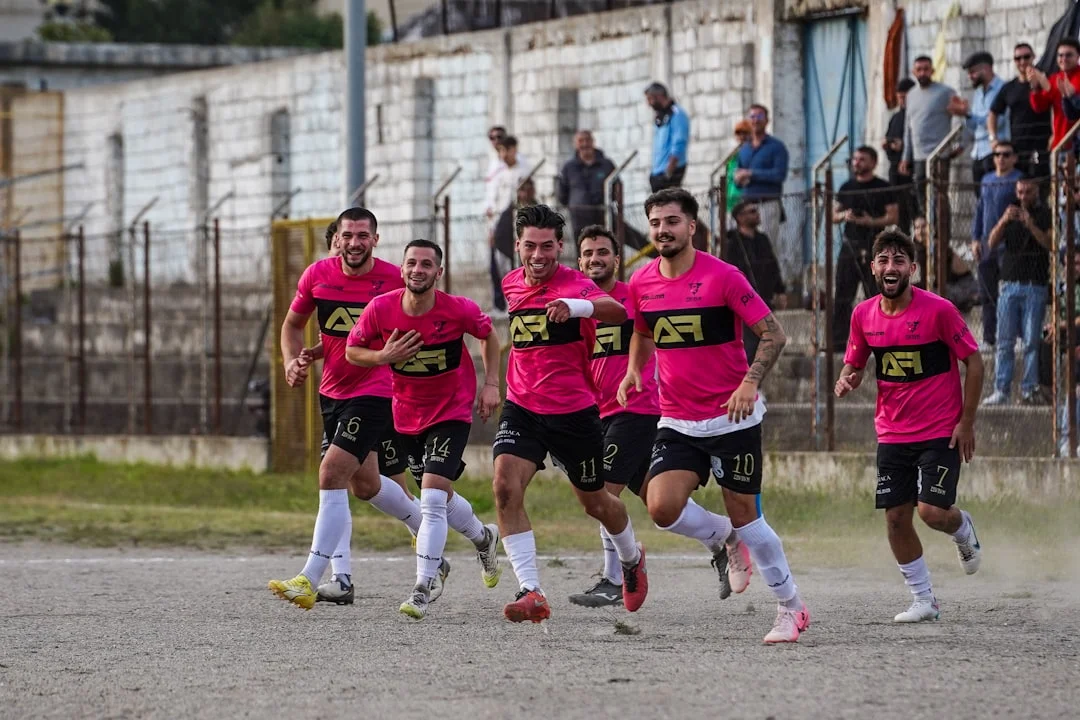
EE.UU. Hoy will continue to monitor the evolution of Deporte comunitario hispano 2026 ligas juveniles de fútbol y béisbol en comunidades latinas urbanas, with particular attention to how technology, funding, and local partnerships intersect to shape access, quality, and participation in urban Latino youth sports. As the landscape evolves, the story remains clear: when communities come together around sport, the benefits extend far beyond the field, into schools, families, and the broader social fabric of urban America. In short, this is not just a sports story; it is a community development story in one of the country’s most diverse urban ecosystems.