Cocinas e Incubadoras Para Emprendedores Latinos 2026
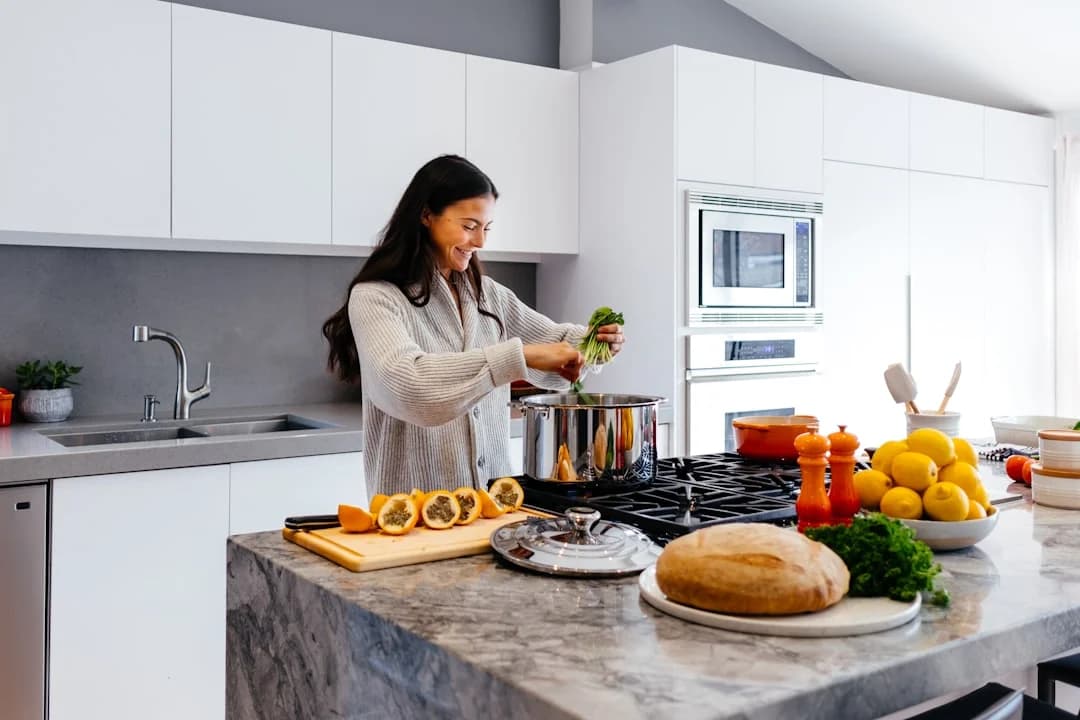
Photo by Jason Briscoe on Unsplash
In 2026, a new wave of Cocinas comunitarias latinas e incubadoras culinarias para emprendedores latinos en Estados Unidos 2026 is reshaping how Latino entrepreneurs approach food business in the United States. Across major metro areas and smaller regions, shared-kitchen spaces and structured incubator programs are expanding access to licensed facilities, coaching, and market channels. Policymakers, nonprofit leaders, and private partners are watching closely as these initiatives aim to transform a traditionally informal, often undocumented sector into a more formal, scalable, and inclusive segment of the food economy. This report provides a data-driven view of the what's happening, why it matters, and what to expect next as these ecosystems mature in 2026 and beyond.
As of early 2026, the most visible clusters include well-established kitchen incubators like La Cocina in San Francisco and newer community kitchen projects in cities such as Nashville and the Bronx. These efforts underscore a broader trend: Latino and immigrant food founders increasingly rely on formal infrastructure—shared kitchens, licensing support, access to distributors, and mentorship—to convert beloved family recipes into viable, legally compliant businesses. The trend is not limited to large coastal markets; it spans inland regions where state and local policymakers have begun to recognize the economic potential of home-based or small-scale food operations transitioning toward formal venues. The momentum is visible in California, where Riverside County’s MEHKO program has played a pivotal role, and in other states where community-based incubators are multiplying, often supported by nonprofit partners and local universities. (latimes.com)
What Happened
Key milestones and current examples illuminate the scope and pace of this movement. In Riverside County, California, a landmark policy change first enacted in 2019 has created a pathway for home-based food businesses to operate legally under Micro Enterprise Home Kitchen Operations (MEHKO) permits. By 2025, Riverside County had approved 343 MEHKO permits over six years, with 41 new permits issued in 2025 alone, signaling a significant shift from informal backyard operations to regulated, inspectable kitchens. The program’s impact extends beyond regulatory compliance; MEHKOs provide access to health inspections, potential financing opportunities, and business training, enabling immigrant and Latino entrepreneurs to scale responsibly. Yet the regional landscape remains uneven: about 40% of Californians still live in areas where MEHKOs are not yet legal, a gap that leaves many aspiring operators outside formal channels. The Riverside County example has inspired neighboring jurisdictions to consider similar models. (latimes.com)
Conexión Américas’ Mesa Komal represents a complementary model that blends cultural abundance with practical industry readiness. Located at the Casa Azafrán Community Center in Nashville, Mesa Komal is described as a culinary incubator that provides access to a licensed commercial kitchen and structured guidance for developing food businesses. The program’s emphasis on community, flexible access (including 24/7 scheduling in some cases), and certification-ready facilities reflects a growing preference for scalable, compliant infrastructure that reduces the upfront cost barriers for small food ventures. In addition to kitchen access, Mesa Komal actively promotes partnerships—such as an extension restaurant operation with Belmont University and Sodexo—to help participants test concepts in real markets. This model demonstrates how regional incubators can anchor immigrant entrepreneurship within local ecosystems while offering pathways to revenue and jobs. (conexionamericas.org)
Bronx CookSpace in New York offers another lens on the 2026 landscape. WHEDco’s shared kitchen in the South Bronx hosts more than 25 member businesses, spanning caterers, bakers, packaged-food producers, and early-stage restaurateurs—many founded by Caribbean immigrants or first-generation Americans. The facility provides 24/7 kitchen access, storage, sanitation, and business consulting on licensing, marketing, product development, and insurance. The story highlights how incubators grounded in community-serving nonprofits can accelerate business formation, help families formalize their culinary work, and diversify local economies through immigrant entrepreneurship. (caribbeanlife.com)
La Cocina SF remains a touchstone for understanding how kitchen incubators can empower immigrant and women-owned food businesses in a way that scales beyond a single city. A January 2026 profile in The Story Exchange notes that La Cocina, operating for more than two decades, has helped launch and sustain more than 150 businesses, with over 90 continuing to operate, even amid broader immigration and economic headwinds. The organization’s leadership emphasizes entrepreneurship as a vehicle for community and city-building, while acknowledging ongoing policy and funding challenges. The piece also underscores that La Cocina’s curriculum and mentorship models have begun to inform online delivery and broader dissemination of best practices to aspiring incubator participants across the country. (thestoryexchange.org)
Momentum Chicago’s Build Momentum Food Incubator offers a parallel but regionally distinct example of a city-led collaboration between a coffee company and a city incubator program. Returning for 2026, the initiative aims to provide licensing guidance, mentorship, and retail pathways for early-stage food ventures within a structured cohort. The program illustrates how cross-sector partnerships can amplify impact by coupling culinary training with access to retail channels and investor networks. While Momentum Coffee’s model is centered in Chicago, its emphasis on licensing support and mentorship mirrors the broader shift toward more professionalized, scalable kitchen entrepreneurship that geographies across the United States are pursuing. (momentumcoffee.org)
Timeline and notable details
- 2017–2019: California’s MEHKO framework begins to formalize home-kitchen operations, with Riverside County among the earliest adopters. This foundational policy set the stage for later expansion and replication in other counties. (latimes.com)
- 2019–2021: Counties and cities begin to experiment with MEHKO programs and other forms of small-business kitchens, driven by community advocates and local health departments seeking safer, compliant operations for home-based food businesses. Riverside County’s early success provides a template for others to follow. (latimes.com)
- 2025: California’s MEHKOs appear in more counties, and the COOK Alliance releases a state-wide report showing that a large share of MEHKOs are immigrant-owned and operate with minimal formal complaints, highlighting both safety and economic benefits. Riverside County reports 343 MEHKO permits issued in six years, including 41 in 2025. (latimes.com)
- January 2026: La Cocina’s leadership emphasizes ongoing growth, online program expansion, and continued focus on immigrant women and communities of color as core to the incubator’s mission. The recognition from the Basque Culinary World Prize in 2025 is cited as a milestone that reinforces La Cocina’s national profile. (thestoryexchange.org)
- February 2026: Bronx CookSpace formally expands the narrative of culinary incubators by bringing formal infrastructure to the South Bronx, with 24/7 access and a mission to grow members’ businesses while supporting cultural representation in the local food economy. (caribbeanlife.com)
- April 2026: Mesa Komal’s program in Nashville demonstrates the spread of incubator models to the Southeast, highlighting how community centers can host incubators that offer licensure-ready kitchens and business development support in a city with a growing immigrant population. (conexionamericas.org)
- 2026: National momentum continues as other cities announce new incubator programs and funding streams aimed at food entrepreneurship among Latinos and immigrant communities, with increased interest forms and partnerships reported by program operators. (momentumcoffee.org)
Why It Matters
Economic empowerment and community resilience
- Shared-kitchen and incubator programs lower barriers to entry for Latino and immigrant food entrepreneurs by providing access to licensed commercial spaces, equipment, and logistics that would be prohibitively expensive to acquire individually. In Riverside County, the MEHKO model demonstrates how formal regulation can coexist with entrepreneurship, enabling operators to balance family responsibilities while growing a legitimate business. The county’s six-year track record—343 MEHKO permits and counting—illustrates tangible progress in formalizing a once-shadow economy. This has implications for job creation, tax revenue, and neighborhood vitality. However, the LA Times notes a persistent regional gap: about 40% of Californians remain in areas where MEHKOs are not yet legal, signaling uneven access that policymakers will need to address. (latimes.com)
- Programs like Mesa Komal in Nashville and Bronx CookSpace in New York demonstrate how incubator ecosystems can be deeply localized while still connecting to broader supply chains. In Nashville, Mesa Komal’s model emphasizes continuous access to permitted facilities and partnerships that enable entry into restaurant operations or packaged-food production, while in the Bronx, CookSpace provides the kind of business coaching and compliance support that helps immigrant entrepreneurs transform their craft into scalable enterprises. The local impact extends beyond food: successful culinary businesses contribute to tax base growth, consumer choice, and skill development in neighborhoods that historically faced barriers to formal enterprise. (conexionamericas.org)
Diversity, entrepreneurship, and inclusion
- La Cocina SF’s long-running program is highlighted as a benchmark for inclusive entrepreneurship, focusing on immigrants and women of color who historically faced access barriers in the food industry. The organization’s recognition in 2025 through the Basque Culinary World Prize underscores the global relevance of local incubators that prioritize equity and opportunity. The Story Exchange profile emphasizes the social value of making entrepreneurship accessible and how a strong support network can sustain businesses through regulatory and economic shocks. (thestoryexchange.org)
- The rise of Latino-led incubators and kitchen spaces reflects broader demographic shifts in the U.S. Latino entrepreneurship remains a key growth vector for the economy, with communities leveraging culturally resonant foods to build brands, create jobs, and contribute to regional economic diversification. The 2026 reporting from EE.UU. Hoy-style coverage of these incubators points to a technology- and data-driven approach: access to licensing, training, and market opportunities is increasingly mediated by digital platforms, compliance frameworks, and partnerships with universities and private-sector sponsors. (latimes.com)
Food safety, regulation, and legitimacy
- A central theme across these developments is alignment with health and safety standards. MEHKO programs are anchored in county health regulations, with formal inspections and permit structures that justify expansion and investment by entrepreneurs and lenders. The Riverside County experience shows how a well-designed regulatory path can unlock business potential without compromising public health, while the LA Times article documents ongoing disparities in geographic coverage that represent policy opportunities. This tension—between enabling entrepreneurship and ensuring consumer protection—will shape regulatory reform and funding discussions in many states during 2026. (latimes.com)
- In addition to MEHKOs, incubators often partner with universities, nonprofit organizations, and private companies to deliver curricula on food safety, labeling, packaging, and distribution. Momentum Coffee’s program in Chicago, for example, frames its incubator as a bridge to licensing and retail pathways, illustrating how education and pathways-to-market are increasingly integrated with kitchen access. As more cities adopt similar models, standards-setting and best-practice sharing will likely accelerate, benefiting aspiring operators who need reliable guidance on compliance and scale. (momentumcoffee.org)
Community impact and cultural representation
- The growth of Latino culinary incubators also has a cultural dimension: by supporting Latino and immigrant chefs to formalize and scale their operations, these programs preserve regional flavors, diversify menus, and help communities sustain cultural heritage through entrepreneurship. The Bronx CookSpace article highlights how immigrant founders view food as a language that communicates culture and identity while creating economic opportunities for their families. Similarly, Mesa Komal emphasizes the inclusive ethos of “everyone is welcome at the table,” signaling how cultural pride and professional development can co-exist in formal business settings. (caribbeanlife.com)
What’s Next
Near-term developments to watch
- Expansion of incubator networks beyond traditional gateways. The Momentum Coffee program and other incubators are signaling continued growth, with 2026 applications and interest forms active in multiple markets. This suggests that more cities—especially those with growing immigrant populations—will pilot or expand culinary incubators that pair shared-kitchen access with business development services. Expect more cross-city learnings as operators share curricula, safety checklists, and licensing roadmaps. (momentumcoffee.org)
- Policy diffusion and local adoption. The Riverside County MEHKO model serves as a blueprint that policymakers in other counties are studying for replication. If current trends hold, more California counties and other states may introduce or expand micro-kitchen permitting programs, enabling a larger share of Latino and immigrant cooks to scale legally. This could also drive the growth of related sectors, including packaging, distribution, and minority-owned food brands seeking regional or national shelf space. (latimes.com)
What to watch in the longer term
- National data on outcomes for incubator participants. As more programs emerge, there will be increasing interest in measuring outcomes such as job creation, revenue growth, product diversification, and access to capital among incubator graduates. The 2025 Basque Prize recognition for La Cocina hints at the potential for external validation to attract funding. Tracking these outcomes will help policymakers and funders decide where to invest next. (thestoryexchange.org)
- Geographic equity and access. The LA Times reporting underscores uneven access to MEHKOs across California, a pattern likely to appear in other states as well. The coming years will reveal whether policymakers and nonprofit partners can close these gaps through targeted investments, mobile kitchens, or satellite hubs that bring compliant infrastructure to underserved communities. (latimes.com)
- The role of technology and data in scaling. The growing use of online platforms for training, application processes, and licensing support is likely to accelerate in 2026. Incubator programs increasingly emphasize digital coaching, remote consultations, and data-driven performance metrics to guide entrepreneurs from concept to market. This will be a key differentiator among programs vying for participants and funding. (momentumcoffee.org)
Closing the loop: how readers can stay informed EE.UU. Hoy will continue to monitor the evolution of cocinas comunitarias latinas e incubadoras culinarias para emprendedores latinos en Estados Unidos 2026, tracking new openings, policy changes, and the performance of key programs in major markets and smaller communities alike. For readers who want a snapshot of where this trend is heading, focus on city-by-city incubator announcements, regulatory updates on micro-kitchen programs, and the fiscal impact of Latino culinary entrepreneurship in local economies. The space is moving quickly, and every new kitchen, grant, or mentorship program has the potential to unlock dozens of new businesses and hundreds of new jobs in the Latino food economy.
As this ecosystem expands, communities across the United States are learning to balance tradition with scale, culture with compliance, and family recipes with modern business discipline. The coming years will reveal not only how many new Latino culinary brands enter the market, but how many households—supported by fair access to facilities and training—find economic stability and opportunity through food.
The overarching message is clear: cocinas latinas in shared spaces and incubator programs are not only a business convenience; they are a pathway to economic resilience and cultural expression for Latino communities across the United States. This is a trend rooted in real people, real kitchens, and real outcomes that can reshape neighborhood economies and the national food landscape in the years ahead.