Blockchain Trazabilidad Agroalimentaria Hispana EE.UU. 2026
Explore a neutral, data-driven look at Blockchain for supply chain traceability in Hispanic agro-food communities in the U.S. by 2026 and its impact.

Sobre el autor
**Lucía Robles** es la editora principal de *EE.UU. Hoy*, especializada en política estadounidense e inmigración. Su periodismo riguroso y accesible conecta a la comunidad hispana con las decisiones que afectan su vida diaria.
Today, EE.UU. Hoy reports on Blockchain para trazabilidad en cadenas de suministro agroalimentarias de comunidades hispanas en Estados Unidos 2026, a pivotal development in how farmers, processors, distributors and retailers collaborate across the United States. As digital transformation accelerates in agriculture, blockchain-enabled traceability is moving from pilot projects to broader adoption, with implications for Hispanic farming communities, food safety, and consumer trust. The central question for readers is not merely technology trivia but what this shift means for smallholders who grow produce under varying conditions across the Southwest, the Southeast and into the Midwest, and for urban markets that increasingly demand transparent provenance. By 2026, industry watchers expect a sharper focus on how traceability data is collected, validated and shared among diverse stakeholders, including Hispanic farmers who constitute a meaningful share of U.S. agricultural producers and who face distinct access-to-market challenges that blockchain could help address. The topic sits at the intersection of technology, policy and market dynamics, making it a critical lens through which to assess the current state and near-term trajectory of the U.S. food system. (food-packaging-summit.com)
What Happened
Announcement Details
In recent months, several major retail and technology players have advanced blockchain-driven traceability initiatives in the United States, signaling a shift from experimental pilots to scalable implementations. The most visible momentum has come from Walmart, which has historically positioned itself as a catalyst for end-to-end farm-to-store traceability through the IBM Food Trust network. Industry coverage and corporate disclosures indicate that Walmart’s push was designed to compel suppliers, including leafy greens producers, to participate in a shared, permissioned ledger that records representative events along the chain—from harvest date and lot numbers to temperature conditions during transit. This evolution is part of a broader industry-wide trend toward faster recall capabilities, improved freshness estimates and more targeted product recalls. In 2018, IBM announced the general availability of IBM Food Trust as Carrefour joined the network, a milestone that helped establish a scalable model for cross-brand collaboration and data interoperability. While the original announcements date back several years, the underlying architecture and governance models—based on Hyperledger Fabric and GS1 standards—remain central to how today’s networks operate at scale. (prnewswire.com)
In August 2025, Albertsons Companies announced its entry into the IBM Food Trust ecosystem, beginning a farm-to-shelf tracing pilot for romaine lettuce that aimed to improve supply chain transparency and recall precision across its stores and suppliers. The reporting on that development highlighted a broader trend of traditional retailers expanding their use of blockchain-enabled data sharing to manage risk, improve efficiency and bolster consumer confidence. While Albertsons’ specific pilot focused on romaine tracing, the implications extend to other produce categories and to a wider set of participating partners across the U.S. food system. (wmmkf.com)
By early 2026, trade and industry outlets were consistently describing blockchain adoption in food as moving toward “operational tool” status rather than a novelty. A February 2026 article from a food packaging and supply-chain publication noted that Walmart’s push has accelerated blockchain use across fresh categories and forced suppliers to digitize data faster, with platforms like IBM Food Trust playing a central role in this transition. The piece framed the development as a turning point in how the industry handles recalls, traceability and consumer trust. (food-packaging-summit.com)
Timeline of Key Milestones and Players
- 2016–2018: Walmart’s early collaboration with IBM Food Trust begins, aiming to capture end-to-end traceability data for leafy greens and other staples; the ecosystem begins to take shape with a handful of pilot partners and a governance framework that prioritizes data ownership and conditional data sharing. (computerworld.com)
- October 8, 2018: IBM announces the general availability of IBM Food Trust and highlights Carrefour, Topco Associates, Wakefern and other participants, signaling a growing, multi-actor network that supports farm-to-fork visibility. The release outlines governance, data ownership, and how the platform can reduce recall times and improve consumer confidence. (prnewswire.com)
- August 2025: Albertsons announces joining IBM Food Trust to pilot romaine tracing, expanding the network’s reach across producers, distributors and retailers. The move is framed as part of a broader industry push toward safer, more transparent food systems. (wmmkf.com)
- February 2026: Industry observers describe the blockchain-driven traceability trend as moving from pilot projects to scalable, routine operations, with Walmart and its peers pushing suppliers to digitize data to meet new risk-management and customer-experience requirements. (food-packaging-summit.com)
- 2026 regulatory context: The U.S. Food and Drug Administration (FDA) has continued to expand engagement around the FDA Food Traceability rule and related activities, highlighting ongoing policy work and stakeholder consultations that could influence how blockchain data is used in compliance programs. This establishes a regulatory backdrop in which traceability technologies operate. (fda.gov)
What Is Being Tracked and How It Works
Across established networks like IBM Food Trust, participating entities share essential data points that provide trust, auditability and rapid verification of product provenance. The data typically include harvest date, place of origin, lot numbers, processing steps, transport temperatures, storage conditions, and certifications where applicable. The blockchain’s permissioned structure ensures that data owners maintain control over who can view sensitive information while enabling broader transparency for stakeholders who need to verify product provenance quickly. The governance framework—designed to balance data sharing with competitive considerations—helps ensure consistency and interoperability across multiple partners and ecosystems. (prnewswire.com)
Within this landscape, the phrase Blockchain para trazabilidad en cadenas de suministro agroalimentarias de comunidades hispanas en Estados Unidos 2026 serves as a lens for understanding how these technologies could specifically affect Hispanic farmers and food businesses in the United States. The practical implications for smallholders and family farms depend on access to digital infrastructure, data standards, seed-to-sale interoperability, and the ability to engage with processors and retailers that mandate data sharing as a condition of market access. While larger, established players often drive these standards, the next phase of adoption will hinge on whether blockchain-enabled traceability can be scaled down to support smaller, culturally diverse farming communities that historically face barriers to inclusion in value chains. (ers.usda.gov)
Why It Matters
Economic and Market Impacts for Hispanic Farmers

Photo by no one cares on Unsplash
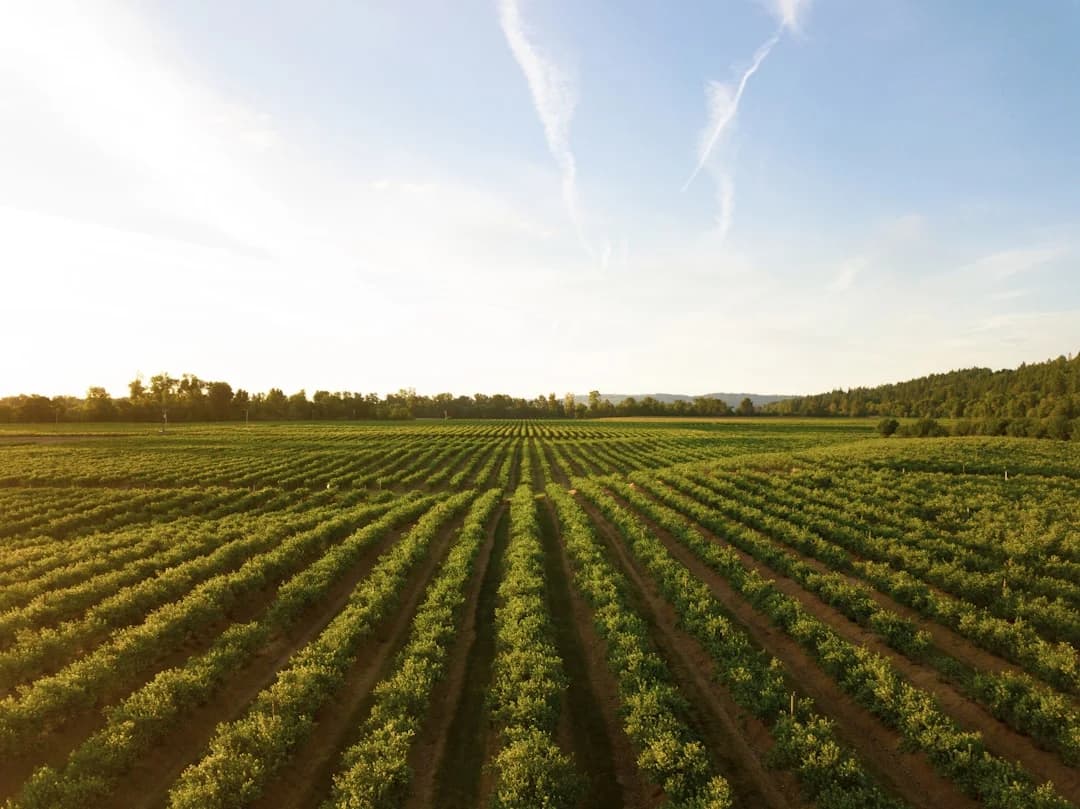
Hispanic farm operators constitute a meaningful portion of the U.S. agricultural landscape, including a high share of small and mid-sized operations. The Agricultural Resource Management Survey (ARMS) data indicate that Hispanic farms often operate with smaller average farm sizes compared with the national average, and that livestock and other activities are a prominent component of many Hispanic farming portfolios. These structural realities influence how blockchain-based traceability could affect them: if platforms reduce friction in getting products to market, lower recall costs, and enable price premiums for provenance-verified crops, some smallholders could realize tangible earnings gains. However, access to the necessary digital tools, training and capital remains a central challenge. As of 2025, U.S. farm counts stood near 1.865 million with variable average farm sizes around 469 acres, reflecting ongoing diversification across producers, including a notable Hispanic share. The success of blockchain adoption will depend on the availability of affordable, user-friendly interfaces and partner networks that support inclusive participation. (esmis.nal.usda.gov)
In practice, the potential benefits for Hispanic farming communities include:
- Improved market access through trusted provenance data that can command price premiums or improve contract terms with processors and retailers.
- Reduced vulnerability to recalls and offline losses by enabling rapid trace-back and faster corrective actions.
- Better access to export markets and compliance evidence, including certifications and sustainable farming practices that are increasingly valued by international buyers.
- Opportunities to leverage data-driven insights for optimizing harvest timing, storage, and transport, which can reduce waste and increase farm income. As one industry analyst noted in early 2026, the push to digitize traceability data across major retailers is reshaping vendor requirements and forcing smaller suppliers to adapt quickly to maintain eligibility for preferred shelves and contracts. (food-packaging-summit.com)
Consumer Confidence, Food Safety and Regulatory Context
From a consumer perspective, blockchain-enabled traceability promises clearer visibility into product origin and handling, potentially reducing the time required to identify contamination sources and limiting the scope of recalls. Industry observers emphasize that effective deployment hinges on robust governance, interoperability across platforms, and clear data-sharing rules that maintain privacy and protect competitive interests while enabling essential verification by retailers, regulators and consumers. FDA-related activity around FSMA 204 and traceability rule implementation continues to shape how these technologies align with regulatory expectations and enforcement. Stakeholder engagements and comment processes in 2026 illustrate a prudent, data-driven approach to implementing new traceability requirements that do not disrupt supply chains but improve safety and accountability. (fda.gov)
The Broader Market Context
Beyond the United States, blockchain-enabled traceability is accelerating in global food networks, with major players like Carrefour and Nestlé participating in IBM Food Trust and related ecosystems. The expansion of the network beyond initial pilots demonstrates that the technology is transitioning toward enterprise-scale operations rather than isolated experiments. A 2026 industry digest noted that platforms like IBM Food Trust are maturing from test beds into essential components of food safety, freshness management and recall optimization. While the majority of public reporting centers on large retailers, the downstream effects—better recall containment, improved product quality and enhanced consumer trust—have the potential to positively influence small and mid-sized Hispanic producers who traditionally face higher market entry barriers. (prnewswire.com)
Real-World Implications for Hispanic Communities in the United States
The Hispanic farming sector in the United States is characterized by diversity in crop types, scales of operation and access to capital and technology. The ARMS data underscore the presence of sizeable Hispanic participation across livestock and crop production, but also highlight the structural challenges these farmers face in scaling up digital capabilities. A successful blockchain-based tracing regime could unlock more equitable access to high-value markets, especially if bundled with supportive services like affordable software-as-a-service (SaaS) access, training programs and partnerships that translate technologic capability into measurable income gains. However, achieving this will require targeted outreach, public-private collaboration and policies that lower the barriers to entry for smaller producers. The data-driven reality is that the path to inclusive adoption is not guaranteed; it depends on the alignment of market incentives, technical assistance and careful design of governance models that protect smallholders’ interests. (ers.usda.gov)
Comparative Perspectives and Alternative Approaches
Not all observers view blockchain as a silver bullet for agricultural traceability. Some researchers and practitioners argue that the value of distributed ledgers hinges on end-to-end data quality, standardization and the willingness of supply-chain actors to share data. A 2021 systematic review of blockchain adoption in food supply chains highlights implementation frameworks that emphasize governance, interoperability, data standards and business model considerations. Critics also remind that technology alone cannot solve issues like farmer income disparities or access to credit; these require complementary policy and market interventions. In the U.S. context, this means coupling blockchain-enabled traceability with programs that support Hispanic farmers’ digital literacy, access to devices and affordable connectivity, as well as investment in local supply-network infrastructures that reduce the costs of joining large-scale traceability ecosystems. (tandfonline.com)
What's Next
Upcoming Milestones and Timelines
- 2026: Expanded adoption across major retailers and suppliers, with continued emphasis on reducing recall times and improving product safety records. Industry reports point to increasingly standardized data schemas and interoperable interfaces that can be used by smaller suppliers who want to participate in national or regional programs. Walmart’s ongoing push is expected to continue shaping supplier readiness and network expansion in the year. (food-packaging-summit.com)
- 2027–2028: Anticipated refinement of regulatory guidance related to the FDA Food Traceability Rule, FSMA 204, and other compliance measures that may require more granular lot-level data and more frequent data-sharing events. Public health and regulatory authorities are likely to publish additional guidance and update reporting expectations as more networks achieve scalable operation. (fda.gov)
Next Steps for Stakeholders
- For Hispanic farmers and farming cooperatives: Engage with extension services, regional agricultural associations and community organizations to understand how blockchain traceability can fit into current supply arrangements. Seek pilot partnerships with processors or distributors that are actively exploring blockchain-enabled procurement, and request access to training and low-cost tools designed for smallholders.
- For retailers and processors: Develop supplier onboarding programs specifically designed for small and diverse producers, with clear value propositions: reduced recall costs, enhanced product quality signals, and guaranteed provenance for high-value crops. Build governance arrangements that protect smaller participants while preserving data integrity.
- For policymakers and regulators: Balance safety and transparency goals with inclusivity by supporting digital literacy initiatives, subsidized access to software platforms, and standardized data formats that lower barriers for smaller producers to participate in traceability networks. (fda.gov)
Competitive Landscape and Technology Outlook
The broader technology landscape for agricultural traceability includes not only blockchain but also complementary approaches such as IoT-enabled sensing, cloud-based data fusion, and standardized data exchanges (GS1, EPCIS, etc.). In practice, many networks are combining these components to deliver real-time or near-real-time visibility across the supply chain. The continued collaboration between retailers, farmers and technology providers is likely to yield hybrid architectures that leverage the strengths of distributed ledgers for trust and immutability, while relying on centralized analytics for decision support and operational optimization. In this milieu, the specific role of Blockchain para trazabilidad en cadenas de suministro agroalimentarias de comunidades hispanas en Estados Unidos 2026 is to provide a governance-driven scaffold that enables more inclusive participation and a verifiable record of origin, handling and compliance across a diverse, multi-actor ecosystem. (prnewswire.com)
Case Studies and Lessons from the Field
- Large retailers partnering with IBM Food Trust illustrate the practicality of end-to-end traceability for fresh produce and other perishable categories. The Albertsons romaine pilot demonstrates how data visibility can support recall containment, consumer trust and supply-chain efficiency across an extended network that includes farms, distributors and stores. While the initial focus is on high-profile products, the underlying lessons are transferable to a broad range of crops and regions, including those with substantial Hispanic farming activity. (wmmkf.com)
- Retail-driven traceability programs often emphasize data ownership and governance as much as the technology itself. The IBM Food Trust model, with its emphasis on data privacy, access controls and a permissioned ledger, is designed to encourage participation while protecting competitive information. The governance premise is critical for enabling plants, processors and smallholders to share data without exposing sensitive business details. (prnewswire.com)
Closing the loop on the 2026 horizon, Blockchain para trazabilidad en cadenas de suministro agroalimentarias de comunidades hispanas en Estados Unidos 2026 represents more than a tech trend; it signals a structural shift in how produce moves from field to fork in a diverse nation. For Hispanic farmers and food businesses, the trajectory hinges on ensuring that digital-enabled traceability translates into tangible market access, fair compensation and improved safety outcomes. The next 12 to 24 months will be telling as retailers, regulators and technology partners align around scalable, inclusive models that unlock the value of provenance for all producers, large and small alike. The data-driven reality is that progress will come through collaboration, practical onboarding and a shared commitment to transparent, trustworthy food systems that benefit communities across the United States. (food-packaging-summit.com)
As-ever, readers can stay informed by tracking FDA updates on Food Traceability rules, ongoing retailer-onboarding announcements and new pilot partnerships announced by major grocery chains and technology providers. For communities seeking to participate, the signal is clear: if the ecosystem lowers barriers to entry and demonstrates a clear return on investment for small producers, blockchain-enabled traceability could become a practical, durable part of everyday farming and food distribution in the United States. This development is not just about technology; it’s about creating a more inclusive, resilient and trustworthy food system that reflects the diversity of American agriculture.