Bad Bunny Super Bowl LX 2026 Halftime Milestone
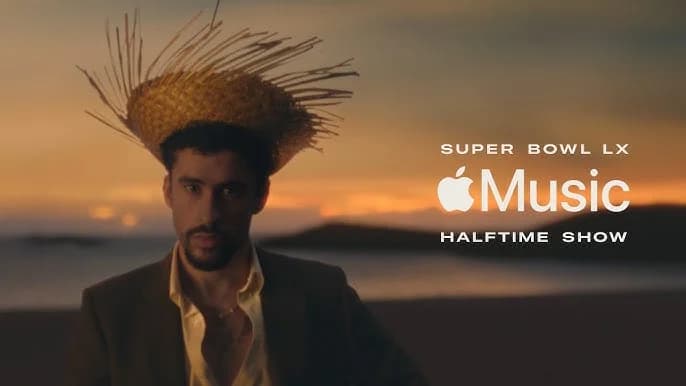
The news hit with precision and scale: Bad Bunny headlined the Apple Music Super Bowl LX Halftime Show at Levi's Stadium in Santa Clara, California, on February 8, 2026. The performance, broadcast across NBC, Peacock, Telemundo, Universo, NFL+, and related platforms, marked a watershed moment for Latin music visibility on one of the world’s biggest stages. The official announcement came in September 2025, as part of a collaboration between the NFL, Apple Music, Roc Nation, and Bad Bunny’s team, signaling not only a high-profile musical act but a data-driven, cross-platform push designed to reach diverse U.S. audiences during a year when streaming, sponsorships, and social engagement drive event economics. This event arrived amid growing attention to Hispanic and Spanish-language representation in mainstream American media, and it immediately positioned the halftime show as a strategic convergence of culture, technology, and market dynamics. (nfl.com)
The anticipation around Bad Bunny Super Bowl LX 2026 extended beyond the moment of kickoff. The lead-up included a formal announcement on September 28, 2025, describing the collaboration as part of Apple Music’s sponsorship and Roc Nation’s production leadership, with Hamish Hamilton directing and Jesse Collins co-producing. The NFL highlighted Bad Bunny not only as a global music icon but as a representative voice for Puerto Rico and Latin American communities within the United States. The event was framed as a signal that the Super Bowl halftime slot can serve as a platform for language diversification, cross-genre collaboration, and broader sponsorship storytelling. This framing is consistent with industry commentary that positions major cultural moments around the Super Bowl as catalysts for music catalog monetization, streaming spikes, and brand engagement across Spanish- and English-speaking audiences. (nfl.com)
In the lead-up to the game, organizers emphasized the scale and reach of the event. Super Bowl LX took place at Levi’s Stadium in Santa Clara, with the date set for Sunday, February 8, 2026. The show was billed as the Apple Music Halftime Show, reflecting Apple Music’s ongoing role as sponsor since 2022 and its broader strategy to associate with live events that showcase global artists who bridge languages and genres. The halftime production was framed as a collaborative effort among Apple Music, Roc Nation, and the NFL, with directing and production teams designed to deliver a multi-sensory experience across traditional TV and digital platforms. The official event information confirmed the venue, date, and cross-platform distribution, underscoring the scale of the undertaking and the behind-the-scenes coordination required for a show of this magnitude. (nfl.com)
What Happened: Announcement and Confirmation On September 28, 2025, the NFL, Apple Music, and Roc Nation announced that Bad Bunny would headline the Apple Music Super Bowl LX Halftime Show at Levi’s Stadium in Santa Clara, California, on February 8, 2026. The press materials highlighted Bad Bunny’s status as a global icon and his role in expanding Latin music’s footprint in the U.S. and beyond. The announcement also positioned the show as a cultural milestone, given Bad Bunny’s cross-cultural appeal and the technology-forward approach of the Apple Music sponsorship, which has become a marquee element of the halftime experience. The News Office and official team communications framed the moment as part of a broader strategy to engage diverse audiences with music, language, and storytelling that align with contemporary consumer behavior around live events. (nfl.com)
Event Details and Production: Where, When, and How The Super Bowl LX halftime show took place at Levi’s Stadium on Sunday, February 8, 2026, with Bad Bunny as the headlining artist. The broadcast was delivered across NBC and its associated platforms—Peacock, Telemundo, and Universo—along with streaming on NFL+, ensuring a multi-channel reach that reflects the NFL’s commitment to accessibility and global viewership. The production team was led by Roc Nation with executive producers including Jesse Collins and director Hamish Hamilton, underscoring a blend of music industry experience and large-scale live-event production excellence. Apple Music served as the sponsor for the halftime show, reinforcing the ongoing partnership between the NFL and Apple Music that has helped shape the look, sound, and distribution of the performance. This combination of sponsors, production leadership, and cross-platform distribution is consistent with the league’s approach to delivering high-quality, data-informed event experiences that maximize reach and engagement. (nfl.com)
Guest Appearances and Setpieces: Who Joined Bad Bunny on Stage Media reports from the days and hours after the show highlighted multiple high-profile guest appearances and a set built to tell a story of Latin culture and community. Notable guests included Lady Gaga and Ricky Martin, with additional cameos widely reported by various outlets. Gaga joined Bad Bunny for a salsa-inflected rendition of “Die with a Smile,” while Martin performed an excerpt of “Lo que le pasó a Hawaii” as part of a sequence that drew on Puerto Rican and broader Latin music heritage. Other outlets pointed to additional celebrities and Latin music artists in attendance and on stage, including Karol G, Cardi B, Jessica Alba, Pedro Pascal, and Young Miko, among others, with some performances tied to on-stage weddings and other theatrics that echoed Bad Bunny’s broader artistic persona. The reporting cited a range of sources, illustrating how the show blended musical stars with cross-industry appearances to extend cultural resonance beyond the stadium. (people.com)
Why It Matters: Cultural, Economic, and Technological Impacts Milestone for Latin Representation in Mainstream America The Bad Bunny Super Bowl LX 2026 performance is widely characterized as a landmark moment for Latin music in the United States. Coverage from People and Pitchfork emphasized the show’s near-complete Spanish-language presentation and its symbolic significance for Latino artists achieving global mainstream visibility on the NFL’s most-watched stage. Such reporting positions the event as more than a concert; it is a cultural milestone that could influence future programming decisions, music industry partnerships, and the development of bilingual and Spanish-language content for broad audiences. The milestone status is reinforced by journalists who note the show’s linguistic focus as a deliberate and enduring cultural statement, rather than a one-off. (people.com)
Economic and Market Signals: Viewership, Sponsorship, and Content Economics From a market perspective, the Super Bowl LX halftime show contributed to the broader calculus of event-based content monetization in the United States. Nielsen’s data confirmed that Super Bowl LX delivered about 125.6 million viewers across NBC, Peacock, Telemundo, NBC Sports Digital, and NFL+, with the halftime segment averaging around 128.2 million viewers in its peak window. These figures placed the event among the most-watched television broadcasts in U.S. history and underscored the value of cross-platform distribution for live entertainment. The halftime show’s audience size, particularly when measured with Nielsen’s Big Data + Panel methodology, underscores the potential return on sponsorship investments and the commercial pull of Latin-language content within a predominantly English-speaking market. (nielsen.com)
In addition to audience metrics, the Apple Music sponsorship and the NFL-Roc Nation collaboration have implications for music-rights monetization, data-driven marketing, and the cross-pollination of streaming with live events. Industry observers have noted that the halftime show’s sponsorship model—paired with a major brand’s commitment to cross-platform availability—can elevate streaming platforms’ role in event-driven content, expand the reach of Latin artists to non-traditional audiences, and drive streaming spikes for catalog and new releases associated with the artist. This is consistent with broader industry patterns where platform-driven live events serve as catalysts for engagement, merchandise sales, and international exposure for artists whose primary markets span multiple languages and cultures. (nfl.com)
Broader Context: Historical Trends in Halftime Shows and Latin Music Growth Contextualizing Bad Bunny Super Bowl LX 2026 within the history of Super Bowl halftime performances highlights several important trends. The NFL has increasingly featured artists with global reach and a focus on cross-cultural storytelling, from Kendrick Lamar and Usher to Rihanna and beyond, with recent shows demonstrating the power of social-media-driven momentum and cross-genre collaborations. The 2026 show, with its Spanish-language emphasis and high-profile Latin guests, is widely seen as aligning with broader market dynamics—namely, the growth of Latin music as a mainstream influence in the U.S. and the increasing importance of bilingual content in national media narratives. Market analysts and press coverage alike point to the event as evidence of a maturing Latin music ecosystem that can leverage large-scale platforms to reach both established fans and new listeners. (nfl.com)
What It Means for Brands, Artists, and Tech Partners For brands, Bad Bunny Super Bowl LX 2026 demonstrates the value of aligning sponsorship with culturally resonant content that has multi-language appeal. Apple Music’s continued sponsorship and the NFL’s commitment to diverse, broader-audience programming suggest a model in which technology platforms play a central role in expanding the reach of live entertainment. For artists, the headline slot can drive long-tail benefits in streaming, live-tour interest, and cross-border collaborations, while for the tech and media ecosystem, the event highlights the importance of robust cross-platform distribution, data-driven measurement, and multilingual content strategies to maximize audience engagement. The event’s reported guests and set-piece storytelling reinforce the idea that the halftime stage now operates as a dynamic, multi-genre canvas for cultural expression, corporate partnership, and data-informed marketing. (nfl.com)
What’s Next: Roadmap and Next Steps Following Bad Bunny Super Bowl LX 2026, several immediate and longer-term developments are worth watching. First, Bad Bunny’s touring and release strategy in the wake of the performance is a key area of interest. News coverage noted that Bad Bunny had signaled limited U.S. appearances and a focus on international markets, with implications for how his new material is promoted and consumed in the United States. Industry observers will be watching whether the Super Bowl halftime moment catalyzes renewed activity on the Debí Tirar Más Fotos project and any accompanying residencies or pop-up experiences in key markets. This is a space where the integration of live performances, streaming data, and consumer behavior will be closely monitored by music executives and advertisers alike. (newsweek.com)
Second, the post-event data and metrics will shape expectations for future halftime shows. Nielsen’s reporting on the final viewership and the use of Big Data + Panel methodology represent a shift in how audiences are measured for live events, and the industry will likely track how this new measurement approach affects sponsorship valuations, cross-platform advertising, and the overall economics of the Super Bowl’s music component. The updated numbers showing the final audience at 125.6 million viewers, and the halftime segment’s peak viewership, will be referenced in negotiations and planning for next year’s show, informing discussions about platform diversification, audience targeting, and content strategy. (nielsen.com)
Third, the broader cultural impact will influence how brands and media think about Spanish-language programming and cross-cultural storytelling in high-profile U.S. events. The perception of Bad Bunny as a global ambassador for Latin music, and the show’s emphasis on Latin culture, can influence future talent pipelines, sponsorship strategies, and cross-border collaborations that extend beyond the Super Bowl to other marquee events, streaming campaigns, and international markets. Analysts and industry commentators have already highlighted the potential for longer-term growth in bilingual or Spanish-language content to capture a larger slice of the U.S. audience, particularly within younger demographics that consume media across multiple platforms and languages. (people.com)
Closing: Staying Informed in a Dynamic Market As the dust settles from Bad Bunny Super Bowl LX 2026, readers will want to observe how the event shapes music industry dynamics, streaming behavior, and brand partnerships in the weeks and months ahead. The show’s cross-platform reach, the prominence of Latin-language content, and the involvement of major brands signal a data-informed, market-aware approach to large-scale cultural events. For ongoing coverage, keep an eye on official NFL communications, Apple Music statements, and Roc Nation updates, along with independent analyses from major outlets that track audience metrics, sponsorship valuations, and cultural impact. The conversation around Bad Bunny Super Bowl LX 2026 is likely to influence how the industry plans future halftime shows, how artists plan cross-border campaigns, and how brands calibrate their investments in live, digital, and streaming formats. (nfl.com)
As always, operators and readers should verify numbers as they’re released and interpreted. The final Nielsen data and related industry analyses provide the most complete picture of the audience, engagement, and economic reach of Bad Bunny Super Bowl LX 2026, and they will shape planning and expectations for Super Bowl presentations in the years ahead. For up-to-the-minute developments, consult NFL.com event briefs, Nielsen press releases, and trusted entertainment outlets that track live-event metrics and cultural impact.