Alfabetización Mediática para Hispanos en EE.UU. 2026

Photo by Norbu GYACHUNG on Unsplash
A wave of new efforts in 2026 is reshaping how Alfabetización mediática para comunidades hispanas en Estados Unidos 2026 is understood, taught, and practiced across the United States. In the span of months, Hispanic households, libraries, schools, and newsroom workplaces have been targeted by a set of coordinated actions designed to boost media literacy, digital skills, and civic participation. The push comes as multiple institutions launch programs aimed at closing language and usability gaps, improving information sourcing and evaluation, and preparing communities for an increasingly AI-enabled information ecosystem. These developments matter not only for individual empowerment but for the quality and trustworthiness of public discourse in a diverse nation. The coverage below consolidates what has happened, who is involved, and why it matters for readers across the country. This is a data-driven snapshot of a larger movement toward inclusive media literacy in 2026. As one early milestone, the National Association of Hispanic Journalists (NAHJ) announced a new Cultural Competence Training Program to help newsrooms report more accurately and fairly about Latino communities, reflecting broader concerns about representation and trust in media. (nahj.org)
The broader context includes a sizable Hispanic population and ongoing concerns about access to reliable information. The U.S. Hispanic community numbers more than 68 million people, representing about 20 percent of the nation’s population. This demographic reality underscores why efforts to improve media literacy and information discernment among Hispanics are being treated as both an equity and a democracy issue. Public-facing arguments emphasize the need for culturally competent reporting and accessible digital-literacy programs that meet people where they are—mobile devices, community centers, and bilingual classrooms. (nahj.org)
Beyond newsroom training, 2026 has seen a wave of library- and community-driven literacy initiatives. The American Library Association (ALA) and its partners announced a national Mobile Literacy in Action grant program, designed to move digital literacy from desktop to mobile in five public libraries. The grants, of $8,000 per library, are intended to fund mobile-first modules that cover practical tasks like mobile banking, telehealth, privacy, and digital safety. The five grant recipients are Inglewood Public Library (CA), Aurora Public Library (IL), Free Library of Philadelphia (PA), Providence Public Library (RI), and Los Angeles Public Library (CA). The program aims to reach at least 750 community members in the first year, illustrating a scalable model for nationwide adoption. (ala.org)
Package this with a growing emphasis on AI literacy in education. ISTE+ASCD, in partnership with Google, announced a three-year plan to provide AI literacy training to six million U.S. K-12 teachers and higher-education faculty, starting in early 2026 and rolling out nationwide in the coming months. The program emphasizes pedagogy, ethics, bias awareness, and student agency, with hands-on exploration of AI tools and credentials upon completion. This initiative signals a broader push to prepare educators to guide students through an AI-enabled learning landscape, a critical backdrop for media literacy as students learn to evaluate, create, and contextualize information generated by AI systems. (iste.org)
Closing the year with a key industry pulse check, the Public Library Association (PLA) and PressReader released a report on media literacy and news access in public libraries in July 2026. Based on responses from more than 900 North American library professionals, the study highlights that libraries remain on the front lines of media literacy, helping patrons evaluate sources, navigate digital content, and access trustworthy information. The report notes that a substantial share of patrons struggle to use digital resources, underscoring the ongoing need for staff training and capacity-building in libraries. The findings reinforce the crucial role libraries play in sustaining equitable access to information in a rapidly evolving media environment. (ala.org)
Opening with the news: who is leading, what is being announced, and when it began
- The NAHJ Cultural Competence Training Program debuted on June 5, 2026, representing a national initiative to enhance newsroom reporting on Latino communities. The program draws on a dedicated Cultural Competence Handbook and offers both half-day and full-day workshops for journalists, editors, and newsroom leaders. The organization underscores that more accurate, context-rich reporting strengthens public trust in a time when trust in media is under pressure. The NAHJ announcement also highlights that the Latino population exceeds 68 million, accounting for about one-fifth of the U.S. population, underscoring the scale and urgency of improved coverage. Key quotes from NAHJ leadership emphasize the goal of culturally competent reporting and stronger relationships with communities. (nahj.org)
- In parallel, NHMC’s 2026 Priorities outline a multi-pillar approach to “Reclaiming Our Democracy through Human Dignity,” with a stated focus on protecting human rights, preventing AI-driven harm, and continuing information-education efforts to counter misinformation and support media literacy in Latino communities. The pillars stress that the AI-driven information landscape demands guardrails, responsible practice, and ongoing education, especially for marginalized communities. The emphasis on digital equity and broadband access aligns with concerns from broader surveys about how Latinos engage with digital tools. (nhmc.org)
- Library systems are also advancing with practical grants and programs. The ALA’s February 25, 2026 announcement of the Connected Communities: Mobile Literacy in Action grant identifies five urban libraries receiving $8,000 each to pilot mobile-first digital-literacy modules. The program aims to scale nationwide and uses GSMA’s Mobile Internet Skills Training Toolkit as a standardized framework. The stated objective is to reach at least 750 community members in the first year, with ongoing evaluation to measure outcomes. (ala.org)
- Education and AI literacy are a major theme in 2026. ISTE+ASCD and Google announced a three-year collaboration to bring AI literacy training to six million educators, signaling a systemic effort to build capacity for AI-enabled learning and to foster critical thinking, ethics, and bias awareness in classrooms. The rollout is described as nationwide and designed to fit into teachers’ busy schedules while offering certifications. This robust initiative demonstrates a national commitment to equipping educators with the skills to guide students through AI-enabled content, including news and media literacy contexts. (iste.org)
- Public libraries, reporters, and educators are also contributing to a broader understanding of media literacy’s role in civic life. The July 2026 ALA release on evolving roles of public libraries in media literacy and news access shows ongoing needs for patron support, resource access, and staff training, reflecting a landscape where libraries serve as trusted gateways to reliable information in a time of rising information complexity. More than 900 library professionals contributed to the study, illustrating the scale and urgency of equipping libraries to support informed communities. (ala.org)
Section 1: What Happened
Launches and newsroom initiatives
NAHJ’s Cultural Competence Training Program
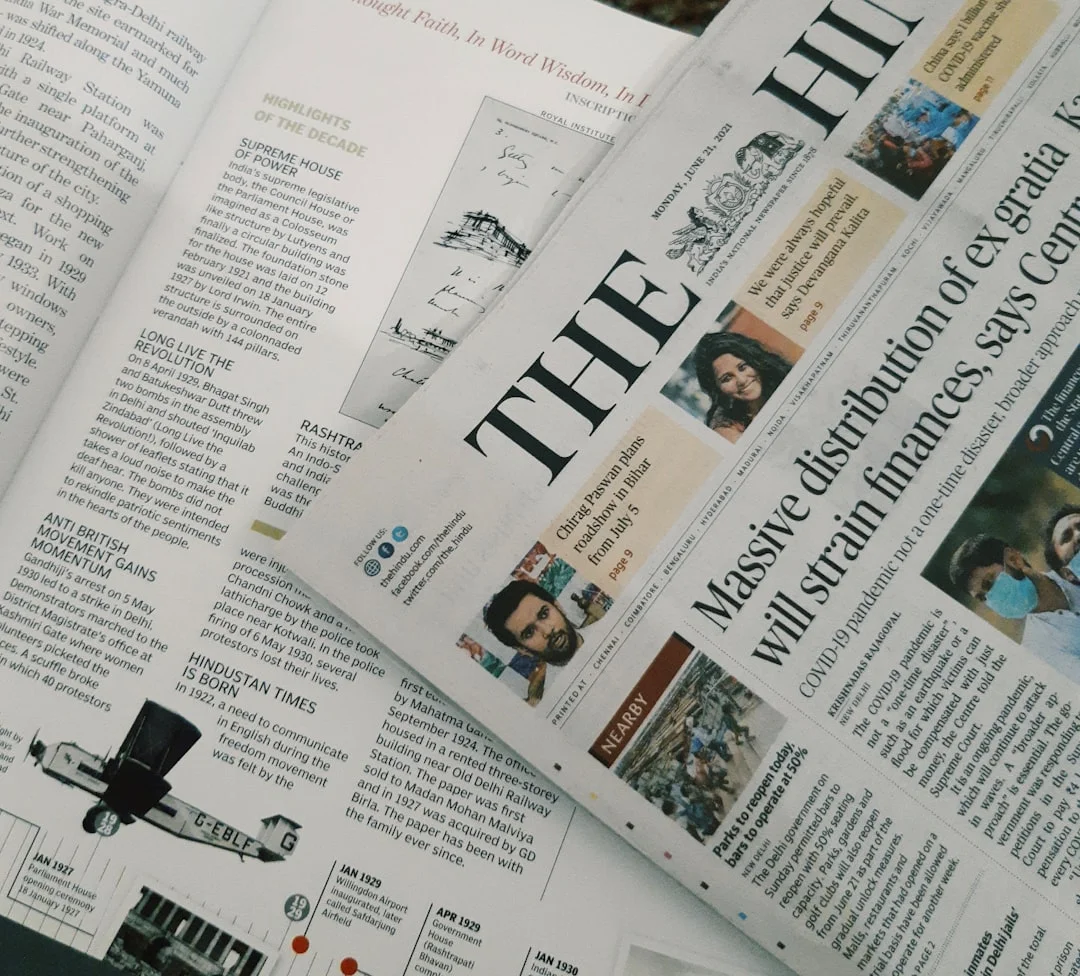
- Date and scope: June 5, 2026. The National Association of Hispanic Journalists (NAHJ) announced the launch of a National Cultural Competence Training Program designed to improve reporting quality, accuracy, fairness, and inclusivity in coverage of Latino communities. The program draws on a dedicated Cultural Competence Handbook and offers customized, newsroom-specific workshops for journalists, editors, and leaders. The objective is to strengthen trust with diverse audiences through reporting that reflects communities’ realities, identities, and concerns. The program is pitched as a practical, newsroom-driven approach rather than a generic diversity program. The organization notes that Latinos number more than 68 million, representing roughly 20% of the U.S. population, underscoring the size of the audience and the urgency of improvement in coverage. The press release emphasizes that “strong journalism begins with understanding the people and communities we serve.” (nahj.org)
- What it means in practice: The NAHJ program centers on practical tools for sourcing, cultural understanding, editorial decision-making, and relationship-building with communities. Topics include migration coverage, health reporting, terminology, and strategies to avoid stereotypes and harmful framing. The launch signals a push to embed cultural competence into the day-to-day newsroom workflow, a step that many newsrooms see as essential to rebuild public trust in a climate of mis- and disinformation. The newsroom-anchored approach aligns with a broader push for more representative, context-aware coverage that serves as a foundation for informed civic engagement. (nahj.org)
NHMC’s 2026 priorities and pillars
- NHMC presents a multi-pillar framework for 2026 that anchors advocacy around democratic participation, civil rights, and the responsible use of AI in media. The pillars include Protecting Human Rights, Preventing AI-Driven Harm, and Continuing Our Information Education Movement. The emphasis on guarding democratic processes, combating disinformation, and expanding broadband and digital-literacy access for Latino communities illustrates a holistic approach that links media literacy to civic participation and empowerment. The platform highlights the role of AI policy and governance as part of the literacy conversation, signaling a broader view that media literacy must include digital safety, data privacy, and critical thinking about AI-generated content. (nhmc.org)
The library system’s mobile literacy push
- The ALA’s mobile-literacy grant winners demonstrate a concrete, on-the-ground effort to equip communities with practical digital skills via mobile devices. The program’s focus on everyday tasks—mobile banking, telehealth, privacy, and family communication—reflects a recognition that smartphones are the primary gateway to the digital world for many Americans. The five libraries chosen illustrate a deliberate emphasis on urban centers with diverse populations and high-lidelity community engagement. The program’s goal of reaching 750 participants in the first year and the plan to scale nationwide through a standardized toolkit signal a scalable infrastructure for digital-literacy outreach that can be localized for Spanish-language and bilingual audiences. (ala.org)
The AI-literacy push in education
- The ISTE+ASCD and Google partnership to deliver AI literacy training to six million educators marks a systemic investment in how teachers prepare students to navigate AI-rich information environments. The three-year initiative is designed to provide hands-on experience with AI tools, plus ethics, bias awareness, and instructional alignment, with a goal of certification upon completion. The nationwide rollout and the emphasis on a foundational ability to reason about AI outputs indicate a recognition that media literacy in 2026 must be embedded in general education, not treated as a separate or niche subject. (iste.org)
A public-library perspective on media literacy
- The PLA-PressReader report published July 2026 highlights that libraries are central to media literacy efforts, combining formal programs with everyday patron interactions. The survey’s finding that more than 65% of respondents said patrons struggle to use digital resources points to the ongoing need for staff training and resource investments. The report’s emphasis on access, source evaluation, and trustworthy information aligns with the broader effort to ensure that communities—especially those with language and access barriers—can participate meaningfully in the information ecosystem. (ala.org)
Section 2: Why It Matters
Impact on Hispanic communities and the information landscape
- The scale of the Latino population in the United States makes media literacy efforts particularly consequential. With more than 68 million Latinos representing about 20% of the population, improvements in how news is produced, interpreted, and consumed can affect a substantial portion of the citizenry. The NAHJ’s announcement emphasizes that Latino communities have historically been underrepresented or misrepresented in coverage, and the new cultural-competence approach aims to correct that dynamic by providing journalists with practical tools to avoid stereotypes and stereotypes-laden framing. This is not just a newsroom concern; it’s a democratic issue tied to trust, participation, and informed decision-making in a diverse society. (nahj.org)
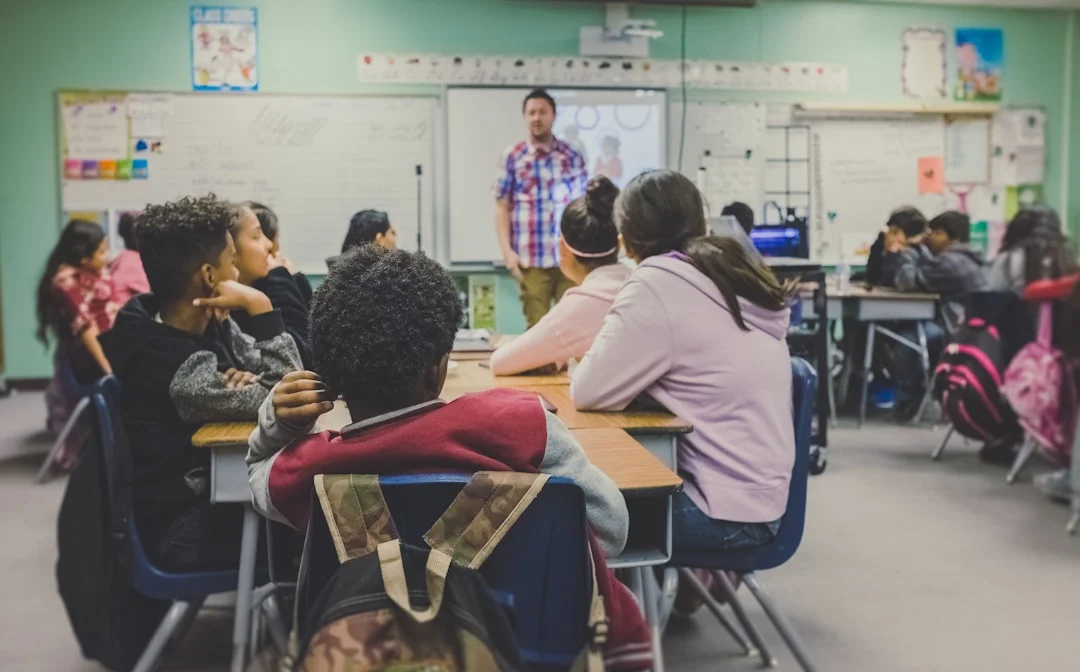
- The public-library lens reinforces the idea that access to reliable information is a shared public good. The PLA/PressReader study shows that libraries serve as essential mediators for media literacy, especially for patrons who may lack digital confidence or access. When libraries invest in staff training and bilingual resources, they help ensure that Spanish-speaking and bilingual communities can access credible news and learn to evaluate information critically. The finding that staff investments are the top need highlights the importance of sustained funding and capacity-building to support community literacy goals. (ala.org)
The AI and digital-literacy nexus
- The Pew Research Center’s 2026 analysis on racial and ethnic differences in how adults use and view AI provides a critical context for 2026 literacy initiatives. The data show that AI adoption, awareness, and usage vary by demographic group, with Hispanics reporting lower daily chatbot usage relative to some other groups, and varying levels of familiarity with AI concepts. This underscores why education and literacy programs cannot take a one-size-fits-all approach; rather, they must account for linguistic, cultural, and access considerations to be effective. For Hispanic communities, this means bilingual and culturally responsive curricula, as well as outreach that acknowledges the realities of broadband access, smartphone usage, and digital health literacy. (pewresearch.org)
- The Axios assessment of “post-literate” challenges in the AI era adds a cautionary note: as AI tools become more capable, a significant portion of the workforce may rely on automation without fully understanding the underlying tasks. This dynamic makes robust media literacy even more essential, because people must evaluate information, sources, and outputs produced or amplified by AI systems. While the Axios piece is not Hispanic-specific, its emphasis on cognitive checks, verification, and the risk of overreliance on AI tools is highly relevant to any literacy strategy that includes Spanish-language communities or multilingual resources. (axios.com)
What this implies for civic participation and trust
- NHMC’s framing of 2026 as a year of defending democracy and empowering Latinos through human dignity suggests that media literacy is not only an information-skills issue but a civic one. When communities are better equipped to discern credible information, evaluate sources, and understand how media shapes public opinion, they can participate more effectively in elections, public discourse, and community governance. The pillars—protecting rights, preventing AI-driven harm, and expanding information education—are aligned with efforts to strengthen civic participation and trust in democratic institutions. The integration of digital equity with democratic engagement is a core theme across the 2026 initiatives. (nhmc.org)
Language access and usability as core design principles
- The 2026 programs emphasize bilingual materials and accessibility, which are essential for reaching Spanish-speaking audiences. The NCOA-AT&T collaboration described in the EE.UU. Hoy coverage illustrates a model in which digital-literacy curricula are designed for multilingual contexts and include safety components. The emphasis on language access, culturally responsive design, and learner-centered approaches reflects a broader consensus that technology-enabled literacy must be usable by people with varying levels of formal education and language proficiency. This perspective is echoed in Pew’s data on language and digital engagement, which reinforces the call for inclusive design in both content and delivery. (eeuuhoy.com)
Section 3: What’s Next
Timelines, next steps, and indicators to watch
- The ISTE+ASCD–Google AI-literacy initiative is a three-year commitment with rollout beginning in 2026 and continued activity through 2028. The program’s scale—six million educators—means that a large share of U.S. classrooms will be touched by AI-literacy training, potentially shaping how students encounter and judge media content, including news and social media. Expect phased launches across states, with regional adaptations and certifications for educators. The emphasis on ethics, bias awareness, and student agency suggests that this program will influence classroom practices around evaluating information and teaching students to question AI-generated outputs as part of media literacy. (iste.org)

- Public libraries will likely continue expanding media-literacy services and interventions. The PLA/PressReader report from July 2026 indicates that media-literacy support is deeply embedded in library services, with staff development identified as a major area for investment. In the months ahead, expect new library partnerships, expanded bilingual resources, and additional program metrics as libraries scale literacy offerings to meet local needs. The evolving role of libraries as trusted information brokers will be a key trend to watch for 2027. (ala.org)
- The newsroom ecosystem will likely incorporate cultural-competence training into ongoing professional development, with potential expansions to newsroom partnerships and cross-industry coalitions. The NAHJ launch is a signal of a broader industry shift toward newsroom practices that reflect community realities. Expect subsequent milestones such as integration of cultural-competence metrics into newsroom performance dashboards, more robust sourcing protocols for underrepresented communities, and continued partnerships with civil-rights and journalism organizations. (nahj.org)
- Policy and funding developments will influence the pace and scope of literacy initiatives. Pew’s AI-research findings and NHMC’s policy-oriented priorities suggest that federal, state, and philanthropic funding streams could be adjusted in response to evolving literacy needs, broadband access, and digital equity concerns. Observers should monitor the policy environment for updates on AI governance, broadband affordability, and educational funding that could accelerate or reorient literacy programs across communities, including Hispanics. (pewresearch.org)
What readers should watch for in 2026–2027
- Expanded bilingual and culturally tailored curricula: Expect more programs like the NAHJ Cultural Competence Training, with tailored materials for Spanish-speaking audiences and multilingual newsroom accessibility.
- Accelerated library-led literacy outreach: Additional libraries may join the ALA/GSMA-based mobile-literacy model, adapting it to local languages and community needs.
- Classroom-level AI literacy integration: Schools and districts will pilot AI-literacy modules within language- and social-studies curricula, with assessments that cross-reference media literacy objectives.
- Continued emphasis on digital equity metrics: Expect more reporting on broadband access, device ownership, and language-access gaps, with targeted interventions to close identified divide points.
Closing
As 2026 unfolds, the convergence of newsroom training, library-based outreach, and education-sector AI literacy signals a durable industry-wide shift toward Alfabetización mediática para comunidades hispanas en Estados Unidos 2026 as a central priority in the United States. The initiatives underscore a simple but powerful idea: empowering Hispanic communities with the skills to find, evaluate, and act on information is essential to sustaining an informed citizenry in a diverse, digital public square. For readers who want to stay updated, follow the organizations at the center of these efforts—NAHJ for newsroom training, NHMC for civil-rights and policy developments, ALA and PLA for library-led literacy programs, and ISTE+ASCD with Google for educator-focused AI literacy—plus independent outlets that continue to report on media literacy in the United States. The landscape is still evolving, but the trajectory is clear: practical, multilingual literacy that equips individuals to navigate a complex information environment and participate more fully in civic life. In a time when information is abundant but not always reliable, a concerted, data-informed approach to literacy offers a tangible path to greater trust, inclusion, and democratic engagement for Hispanic communities across the country. (nahj.org)