Agroturismo Hispano En Estados Unidos 2026: Tendencias
Análisis neutral y basado en datos sobre agroturismo hispano en Estados Unidos 2026: mercados, tecnología y oportunidades.

Sobre el autor
**Andrés Fonseca** es corresponsal de economía y negocios en *EE.UU. Hoy*, cubriendo el mercado laboral, emprendimiento latino y finanzas personales. Su escritura clara convierte temas complejos en información útil para la comunidad.

The news surrounding agroturismo hispano en Estados Unidos 2026 arrives as a cross‑section of federal support, market expansion, and shifting traveler demographics. On April 21, 2026, the U.S. Department of Agriculture’s Agricultural Marketing Service announced a total of $32.4 million in grant funding available through the Local Agriculture Market Program (LAMP) to bolster local and regional food enterprises. This umbrella program covers direct producer‑to‑consumer marketing, local and regional food markets, and value‑added products, with a portion specifically earmarked for agritourism activities. Applications are open until June 5, 2026, underscoring a near‑term push to expand farm‑driven experiences, including on‑farm tours, tastings, agricultural lodging, and related visitor experiences. The initiative reflects a broader federal strategy to strengthen rural economies by linking production with consumer access and tourism. (ams.usda.gov)
Industry analysts point to a sustained growth trajectory for agritourism in the United States, a trend that provides context for the 2026 LAMP push. Market research shows the U.S. agritourism market generating billions in revenue in recent years and projected to grow at a double‑digit pace through the end of the decade. For example, Grand View Research estimates that the U.S. agritourism market reached roughly USD 3.28 billion in 2024 and is forecast to approach USD 6.20 billion by 2030, signaling a durable demand for farm‑based experiences and related services. This momentum helps explain why federal programs aim to accelerate direct marketing and tourism‑related activities tied to agriculture. (grandviewresearch.com)
In the background, a growing body of research highlights the importance of agritourism as a rural development tool and a market opportunity for diverse operators, including Hispanic‑led and Hispanic‑serving ventures. The National Agritourism Producer Survey (2024) from the Northeast Regional Center for Rural Development documents a landscape where producers are expanding educational tours, farm stays, and farm‑to‑table experiences while navigating marketing, infrastructure, and regulatory challenges. The data suggest a robust growth path but also underline the need for targeted support—such as digital marketing, extension services, and local‑markets integration—to unlock full potential. These dynamics intersect with the 2026 LAMP funding, which explicitly seeks to strengthen local and regional food systems and associated enterprises, including agritourism. (nercrd.psu.edu)
Beyond the policy and market data, consumer travel dynamics among Hispanic communities in the United States continue to evolve in 2026, with industry coverage noting the continued importance of Hispanic travelers in shaping destination demand and experience design. Reports and trend analyses emphasize the value of cross‑regional and cross‑border itineraries that weave Hispanic heritage, language, and regional cuisines into travel experiences, an ecosystem in which agroturismo can play a meaningful role as a locally sourced, culturally resonant product. For readers focused on agroturismo hispano en Estados Unidos 2026, these trends suggest growing opportunities for authentic, community‑driven farm experiences that appeal to Latino travelers and allies seeking immersion in agricultural life, foodways, and rural hospitality. (eeuuhoy.com)
What Happened
Federal funding signals a sustained push for agritourism and direct‑to‑consumer markets
The 2026 round of LAMP funding represents a concrete continuation of a federal program aimed at expanding producer‑to‑consumer channels, including agritourism activities. The April 21, 2026 USDA press release confirms a national pool of $32.4 million, with roughly $27.68 million available through FMPP and LFPP components and the remainder allocated to RFSP, all designed to support farm‑level experiences, markets, and related infrastructure. Importantly, the program emphasizes direct engagement with consumers—whether through on‑farm experiences, farmers markets, roadside stands, or online platforms—and it invites a wide array of eligible organizations, from nonprofits to local governments, to participate. The deadline for applications is June 5, 2026, creating a tight but real window for operators looking to scale agritourism activities in 2026 and beyond. (ams.usda.gov)
On‑the‑ground examples show rapid uptake in 2026
Independent reporting from state and regional channels highlights immediate activity tied to the LAMP framework. For instance, California’s agriculture department reported early 2026 grant allocations under the LAMP umbrella, with multiple projects awarded funding in March 2026 to advance local food systems, including agritourism‑related components. While the specifics vary by project, these awards illustrate a tangible deployment of LAMP’s agritourism scope at the state level, signaling how grant funds translate into direct farm experiences, educational programming, and visitor‑oriented amenities. (blogs.cdfa.ca.gov)
Market context: agritourism as a growing economic slice
Industry research underscores the scale of the opportunity. The U.S. agritourism market has grown substantially over the past decade and is projected to continue expanding through the 2030s, with 2024 figures indicating billions in revenue and a robust growth trajectory into the next decade. This backdrop matters for agroturismo hispano en Estados Unidos 2026 because it helps explain why federal incentives are aligning with market demand: more travelers seek authentic rural experiences, and more operators are looking to diversify revenue streams through education, lodging, tastings, and farm‑to‑table programming. (grandviewresearch.com)
The broader policy ecosystem supports agritourism as part of local food systems
Beyond the LAMP grants, USDA’s broader portfolio—encompassing the Farmers Market Promotion Program (FMPP) and Local Food Promotion Program (LFPP), among others—maps directly onto agritourism activities as a path to strengthen local and regional food systems. The agency highlights that these programs are designed to help agritourism ventures alongside farmers markets, CSA networks, and online direct sales, recognizing tourism as a key channel for connecting producers with consumers. The official program pages and related infographics confirm this integrated approach, which is central to how agroturismo operates within the U.S. agriculture and tourism ecosystems. (ams.usda.gov)
Why this matters for agroturismo hispano en Estados Unidos 2026
While the LAMP call itself is broad across direct marketing and agritourism, the implications for agroturismo hispano en Estados Unidos 2026 are pronounced. The Hispanic population is a major and growing segment of the U.S. travel and experiential tourism market, and many Hispanic travelers place a premium on cultural authenticity, family‑friendly experiences, and accessible language. Publications tracking Hispanic travel patterns in 2026 highlight ongoing demand for cross‑regional experiences and culturally resonant itineraries, creating a fertile environment for agritourism operators who can offer language accessibility, cultural programming, and locally sourced products. In this context, LAMP funding can help Hispanic‑owned or Hispanic‑serving agritourism ventures invest in marketing, cross‑promotion, and visitor amenities that make farm stays, tours, and culinary experiences more scalable and sustainable. (eeuuhoy.com)
Why It Matters
Economic implications for rural communities and Hispanic entrepreneurs
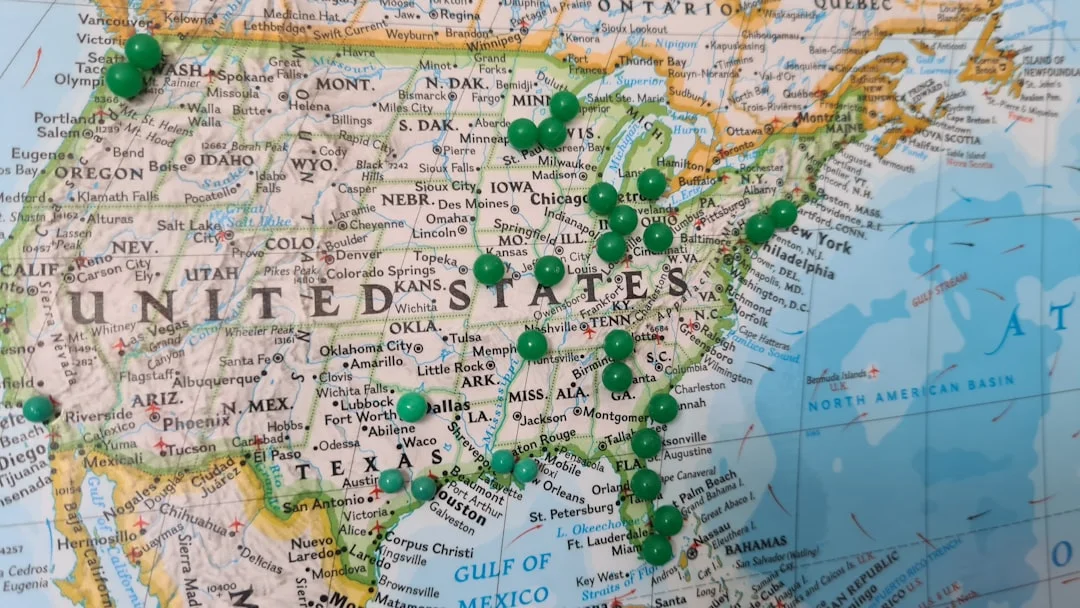
Photo by Nico Smit on Unsplash
The agricultural tourism sector contributes significantly to rural livelihoods by diversifying income streams for farms and rural businesses. As the agritourism market expands, rural communities—whether in California’s Central Valley, the Carolinas, or Texas Hill Country—stand to benefit from more diversified tourism offerings, job creation through hospitality and service roles, and increased demand for local products. For Hispanic entrepreneurs, agritourism can be a pathway to business resilience that aligns with family‑run farm businesses and culturally anchored foodways. Market analyses project continued growth in U.S. agritourism revenue and related services, reinforcing the strategic importance of targeted program funding and capacity building. (grandviewresearch.com)
Technology and marketing as enablers of scale
A recurring theme in agritourism is the role of technology in enabling small operators to reach broader audiences. The USDA’s LAMP framework explicitly supports marketing and online channels, while the LAMP Navigator and related directories help operators identify opportunities, track outcomes, and connect with customers. Industry examples like booking platforms and membership networks demonstrate how technology lowers the barriers to entry for visitors seeking authentic rural experiences and for farm operators seeking efficient customer acquisition. For agroturismo hispano en Estados Unidos 2026, digital marketing and bilingual or Spanish‑language experiences can be particularly impactful in reaching Latino travelers who value culturally relevant and linguistically accessible offerings. (ams.usda.gov)
The policy and market convergence creates a multi‑stakeholder opportunity
The convergence of federal funding, growing consumer demand for authentic farm experiences, and the use of technology to broaden reach creates a multi‑stakeholder opportunity. Local governments, farm co‑ops, Hispanic‑owned agritourism ventures, universities, and nonprofits can collaborate to design multi‑facility experiences that highlight regional crops, seasonal celebrations, and agricultural education. The 2024–2025 National Agritourism Producer Survey data emphasize the value of partnerships, capacity building, and infrastructure improvements as essential to sustaining growth, particularly where producers face challenges related to marketing and operations. As a result, the 2026 LAMP funding cycle can accelerate these collaborative efforts, enabling more robust agroturismo offerings that reflect the diverse cultural fabric of the United States. (nercrd.psu.edu)
Competitive positioning for Hispanic brands and experiences
From a brand perspective, agroturismo offers a unique platform for Hispanic brands and experiences to differentiate themselves in a crowded tourism marketplace. By emphasizing family‑centered hospitality, bilingual communication, and farm‑to‑table storytelling, operators can create distinctive experiences that resonate with both Hispanic visitors and non‑Hispanic travelers seeking authentic Latin American and Mexican culinary and agricultural traditions. The growing market context—coupled with targeted funding for marketing and direct‑to‑consumer channels—suggests stronger capacity for scale when operators align their offerings with digital marketing best practices, cross‑border and cross‑regional itineraries, and community partnerships. This alignment is precisely the kind of market signal that policymakers and investors watch when evaluating the long‑term viability of agritourism ventures in the United States. (grandviewresearch.com)
What’s Next
Timeline and next steps for 2026 LAMP funding
Key dates to watch include the June 5, 2026 deadline for LAMP grant applications, with potential awards announced in late summer or early fall 2026 depending on the review cycle. Applicants should prepare comprehensive project proposals that clearly connect agritourism activities to local market development, visitor experiences, and workforce training, while also detailing bilingual outreach and inclusive programming where appropriate. The USDA’s press materials and grant solicitations emphasize a structured process for applying, reporting, and measuring outcomes, which can help operators—especially Hispanic‑led ventures—demonstrate impact and secure support for ongoing expansion. (ams.usda.gov)
What to watch for: program implementation and market response
In 2026, expect to see a growing number of agritourism experiments tied to LAMP projects, including farm stays, educational farms weekends, harvest festivals, and cross‑promotional experiences with nearby attractions. State agencies, universities, and non‑profits are likely to participate as co‑implementers, providing technical assistance in marketing, safety, and accessibility. The California award activity in March 2026 demonstrates how funds translate into concrete programs, while national reporting will help track how these investments affect visitor numbers, revenue, and local food ecosystems. Observers should monitor grant announcements, funded project lists, and recipient dashboards via the LAMP Navigator and AMS resources for real‑time updates. (blogs.cdfa.ca.gov)
Technological and market watch: digital platforms, bilingual experiences, and data
As agritourism operators scale, technology will remain a critical enabler. Booking platforms that cater to rural experiences, bilingual marketing campaigns, and digital “farm experiences” (virtual tours, online classes, or hybrid events) can help expand reach to Hispanic travelers while maintaining authenticity. The broader agritourism market context supports a growing role for online channels, with market analyses highlighting continued demand for farm‑level tourism experiences. Operators should invest in multilingual websites, social media marketing, and partnerships with travel platforms that cater to Latino audiences. Industry benchmarks and policy programs alike point to a future where technology is not a luxury but a core capability for sustainable agroturismo growth. (grandviewresearch.com)
The regional and cultural dimension: Hispanic communities and cross‑regional experiences
The Hispanic travel segment’s importance in the United States remains pronounced, and the 2026 period is likely to bring more cross‑regional itineraries that weave together agricultural experiences with cultural and culinary elements tied to Hispanic heritage. Destinations across the country may capitalize on shared cultural narratives, while operators leverage bilingual communications and culturally resonant programming to attract visitors seeking meaningful, locally grounded experiences. Analysts emphasize that the growth of agroturismo in the United States will be most successful where operators collaborate with local communities and align offerings with cultural authenticity and accessible, inclusive guest experiences. (eeuuhoy.com)
Closing
The convergence of policy, market dynamics, and technology in 2026 positions agroturismo for meaningful expansion across the United States, with particular relevance for Hispanic‑led and Hispanic‑serving ventures seeking to translate farm life into engaging travel experiences. As LAMP funding opens a robust pathway for grantfunded projects, operators across the country will closely watch application outcomes, program implementations, and the evolving role of agritourism within local food systems. For readers seeking to understand agroturismo hispano en Estados Unidos 2026, the current moment reflects both opportunity and responsibility: to craft experiences that are authentic, inclusive, and economically sustainable while leveraging digital tools and partnerships to reach new audiences and strengthen rural economies. The year ahead will reveal how these investments translate into new farm stays, educational experiences, and culturally resonant journeys that deepen visitors’ connections to the land and to Latino communities across the United States. (ams.usda.gov)
Photo by Morgan Lane on Unsplash