Hispanic Rural Tourism in the US: a Sustainability Focus
Data-driven exploration of Hispanic rural tourism in the US, focusing on community development and sustainability for a neutral perspective.

Sobre el autor
Lucía Robles es la editora principal de EE.UU. Hoy, especializada en política estadounidense e inmigración. Su periodismo riguroso y accesible conecta a la comunidad hispana con las decisiones que afectan su vida diaria.
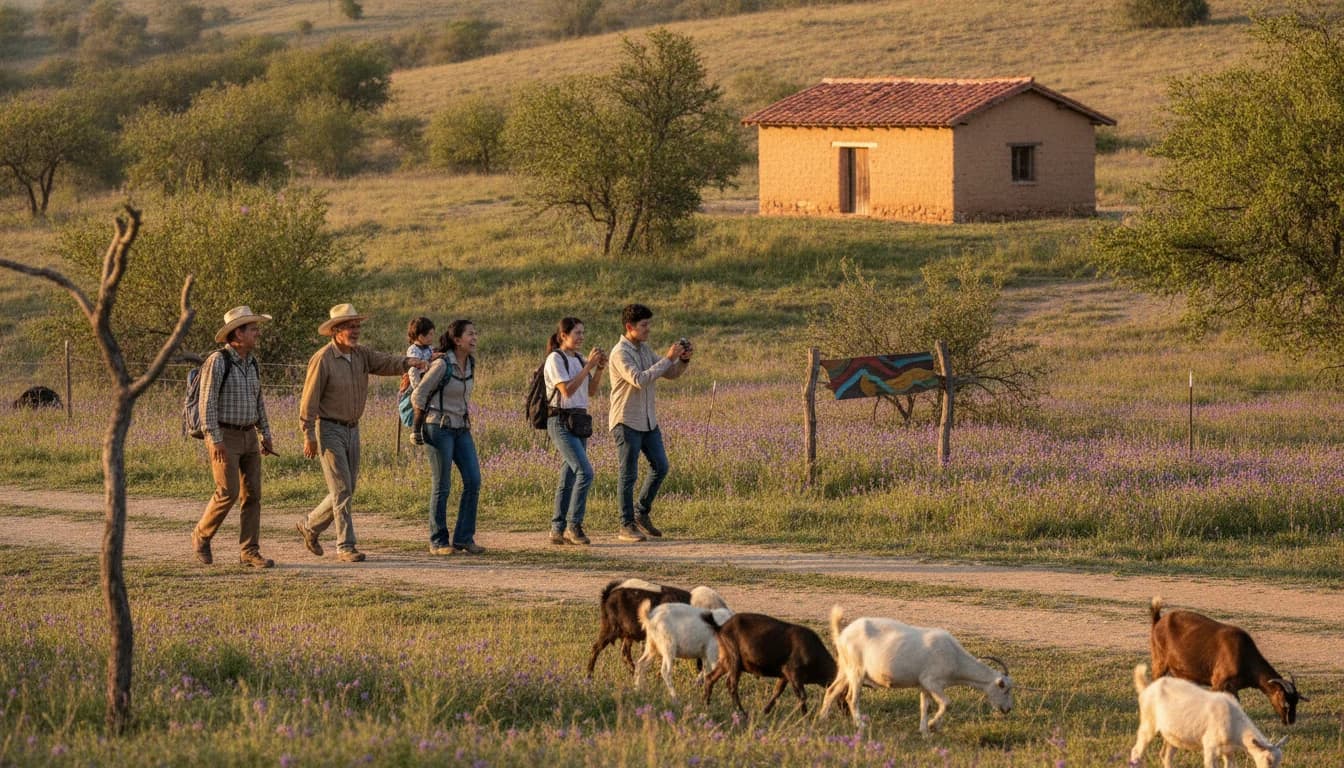
The news is shaping a new approach to measuring and guiding the benefits of tourism in rural, Hispanic-led communities across the United States. In late spring 2026, researchers unveiled a data-driven framework intended to quantify not just visitor nights and revenue, but the broader social, cultural, and environmental returns of tourism in rural settings. On May 27, 2026, the Northeast Regional Center for Rural Development released findings that introduce a composite Sustainable Tourism Index designed to capture local resilience, community engagement, and long-run sustainability across diverse rural counties. This index aims to provide communities, policymakers, and industry partners with a consistent way to assess how tourism investments translate into tangible, lasting benefits for residents, especially in Hispanic-led and culturally vibrant locales. The development matters because it offers a common language for comparing programs, targeting improvements, and ensuring that growth does not outpace the social and ecological fabric of small towns and agricultural regions. ForEE.UU. Hoy, the move signals a shift toward data-informed decisions that consider equity, employment, culture, and environment as interconnected pillars of rural tourism strategy. (nercrd.psu.edu)
The context for this moment is grounded in broader demographic and policy dynamics. Demographic shifts continue to reshape rural America, with Hispanic populations playing a growing role in nonmetropolitan areas, a trend long documented by the U.S. Department of Agriculture’s Economic Research Service and echoed by demographic analyses from Pew Research Center. The ERS has historically highlighted the rapid growth of the nonmetro Hispanic population and its implications for rural labor markets and community life, while Pew notes that Hispanic and Latino communities remain a central demographic subset in discussions of employment, entrepreneurship, and regional development. These data back up why a sustainability metric focused on local, culturally rooted tourism could be particularly meaningful in places where Hispanic heritage, language, and small-business activity intersect with agriculture, crafts, and rural hospitality. (ers.usda.gov)
Globally, the momentum around community-based and rural tourism continues to expand. The United Nations and related bodies have emphasized recognizing and supporting rural, community-led destinations as a core element of sustainable development in travel. UNWTO’s ongoing Best Tourism Villages program and related regional initiatives underscore a policy and practice trend toward preserving cultural heritage, strengthening local governance, and aligning tourism with sustainable outcomes. That broader international framework helps contextualize why U.S. analysts are increasingly linking tourism growth to community development and environmental stewardship in rural settings. (tourism-villages.unwto.org)
Section 1: What Happened
Announcement details
In May 2026, a research consortium within the Northeast Regional Center for Rural Development announced the introduction of a composite Sustainable Tourism Index. The index is designed to measure the sustainability and community benefits of rural tourism beyond conventional metrics like lodging occupancy or visitor spending. The methodology, described in the May 27, 2026 release, relies on existing data streams—census information, environmental monitoring, crime statistics, and health indicators—to build an integrated measure of local tourism sustainability and community well-being. The intention is to enable counties and small towns to benchmark progress, identify gaps, and tailor programs to maximize inclusive benefits for residents, businesses, and the environment. While the study emphasizes the United States, its framework resonates with broader CB- or community-based tourism approaches seen in other regions and disciplines. (nercrd.psu.edu)
Timeline
Key milestones surrounding this moment include:
May 27, 2026: Release of the Sustainable Tourism Index by the Northeast Regional Center for Rural Development, presenting the composite measure and its potential applications for rural counties across the United States. The index emphasizes long-run sustainability, resident well-being, and governance indicators in addition to traditional tourism metrics. (nercrd.psu.edu)
June 29, 2026: The U.S. Department of the Interior’s Bureau of Indian Affairs (BIA) announced a call for applications for Tribal Tourism Grants, signaling a federal affirmation of place-based tourism development as a lever for economic diversification and community empowerment in tribal areas. The announcement highlighted the aim of strengthening destination positioning, attracting visitors, and expanding benefits for tribal communities, framed within a broader push for sustainable growth. (bia.gov)
Late 2026: Global and national policy signals continue to align around rural, community-based tourism as a sustainable development pathway. The United Nations and other international bodies have ongoing programs recognizing rural villages and communities that demonstrate cultural heritage preservation, environmental stewardship, and governance that supports local livelihoods as strong tourism destinations. (tourism-villages.unwto.org)
2025–2026: Foundational research and policy discussions continue to mature. Notably, the USDA’s Rural America at a Glance: 2025 Edition offers context on nonmetro conditions and the role of rural sectors in the broader economy, while scholarly and policy-oriented outlets have explored how rural tourism contributes to revitalization, cultural preservation, and sustainability. (ers.usda.gov)
Key facts
Several core observations emerge from the period surrounding this announcement:
There is a growing scholarly and policy interest in measuring the sustainability of rural tourism beyond economic impact, incorporating social equity, environmental health, governance quality, and cultural resilience. This aligns with recent contributions in sustainability-focused journals and regional centers that emphasize standardized metrics and cross-site comparability. (mdpi.com)
Demographic realities—particularly the growth of Hispanic populations in rural areas—shape the potential and design of tourism development strategies. The convergence of demographic trends with tourism planning suggests a need for culturally informed, community-led models to maximize benefits and minimize risks. (pewresearch.org)
The policy landscape is increasingly oriented toward supporting community-based and culturally rooted approaches to tourism, including targeted funding mechanisms for tribes and other rural communities, and international recognition programs that highlight sustainable, inclusive rural destinations. (bia.gov)
Why It Matters
Economic opportunities for rural Hispanic communities A central implication of the new index and the surrounding policy conversations is the potential to rebalance tourism’s economic benefits in ways that reach traditionally underserved rural Hispanic communities. Some research frames rural tourism as a driver of local employment, entrepreneurial activity, and diversified income streams that complement agriculture, crafts, and local services. In the United States, the sustainability lens invites decisions that consider job quality, skill development, and long-term capacity building for residents rather than short-term spikes in visitor traffic. Scholarly work on rural tourism’s role in local development emphasizes the importance of including community voices in decision-making, which increases the likelihood that programs align with residents’ needs and values. While much of this literature uses non-U.S. case studies, the underlying principles—participatory governance, inclusive investment, and sustainable resource use—translate meaningfully to U.S. rural contexts. (mdpi.com)
Demographic context and labor dynamics
Hispanic populations have been a defining factor in rural labor markets and community life for decades. The USDA’s ERS has documented patterns of Hispanic settlement in rural America and the implications for local economies, including labor force participation and the interplay between agriculture, service sectors, and tourism as alternative income sources. In parallel, mainstream labor analyses from the BLS show ongoing changes in Hispanic employment dynamics, with shifts in participation and sectoral distribution that affect both opportunity and vulnerability. Taken together, these data underscore why a robust, standardized measure of tourism’s social and economic impacts is valuable for communities seeking inclusive growth. (ers.usda.gov)
Social and cultural impacts
Beyond dollars and jobs, tourism that centers local culture and community well-being can reinforce social cohesion, preserve cultural practices, and empower residents—if designed with local leadership and governance. International and regional studies consistently underscore that community-based tourism, when democratically governed and environmentally mindful, supports cultural exchange, gender equity, and local ownership of enterprises. The International Labour Organization’s perspectives on rural community-based tourism highlight how such initiatives can elevate living standards while respecting local heritage, illustrating the social dimension that the new Sustainable Tourism Index seeks to quantify. (ilo.org)
Policy and funding landscape
A broader funding and policy environment supports place-based tourism development, including Tribal Tourism Grants and international recognition programs that incentivize sustainable practices and community empowerment. Federal funding streams for tribal tourism, as well as international platforms that recognize best practices in rural tourism, create a framework within which communities can pursue sustainable growth and shared benefits. In this context, the index provides a mechanism for assessing whether investments translate into durable improvements in governance, cultural continuity, and environmental stewardship. (bia.gov)
Section 2: Why It Matters — The Bigger Picture
Cultural heritage, environmental stewardship, and inclusive growth The sustainable tourism discourse increasingly positions cultural preservation and environmental ethics alongside economic metrics. In practical terms, communities that integrate traditional knowledge, local crafts, and regional foodways into tourism experiences can differentiate themselves while preserving ecological and cultural assets. Scholarly discussions and policy-oriented literature point to the importance of resident empowerment and equitable value capture, ensuring that benefits flow through local cooperatives, small businesses, and family enterprises rather than external operators. The Sustainable Tourism Index is designed to help communities monitor these multidimensional outcomes over time, making it easier to adjust programs as social and environmental indicators evolve. (mdpi.com)
Community empowerment and governance
A recurring theme across CB- tourism literatures is governance that respects resident agency, provides transparent reporting, and includes mechanisms for community oversight. The ILO’s work emphasizes that rural tourism networks can empower residents by linking resource stewardship with livelihoods, and the UN’s village-recognition initiatives reinforce the idea that durable success comes from stable governance structures and inclusive decision-making. As U.S. communities explore the sustainability index, these governance principles provide a practical blueprint for how metrics translate into real-world improvements for households and local enterprises. (ilo.org)
Longer-term resilience in rural economies
Indices that combine environmental data, health indicators, crime statistics, and demographic trends aim to reflect resilience—not just short-term gains. The idea is to capture how tourism, when managed with equity and sustainability in mind, can contribute to diversified revenue streams, improved infrastructure, and enhanced quality of life for residents. This approach aligns with broader sustainability research showing that successful rural tourism strategies require ongoing adaptation, continuous learning, and collaboration among community organizations, local governments, and private sector partners. (nercrd.psu.edu)
Section 3: What’s Next
Upcoming milestones and next steps for communities and researchers
The immediate next steps involve applying the Sustainable Tourism Index across pilot counties and refining the data inputs with local partners. Researchers anticipate testing the index in a mix of rural counties with sizable Hispanic populations and diverse ecological contexts to evaluate how well the measure tracks community benefits over time. Expect detailed reports that link tourism activities to indicators such as local employment, small business formation, cultural programming, and environmental stewardship. As communities adopt the index, policymakers and practitioners will gain a clearer view of what works, what needs adjustment, and how to scale successful practices. (nercrd.psu.edu)
Policy signals and funding opportunities to watch
In addition to ongoing discussions at the federal and international levels, funding opportunities specific to tribal tourism and rural development are likely to expand in the near term. The June 2026 Tribal Tourism Grants process signals federal support for community-led tourism ventures that can contribute to diversified economies, workforce development, and cultural preservation. As the sustainability index matures, grants and technical assistance programs may increasingly use the index as a criteria for evaluating impact and sustainability. Observers should monitor announcements from federal agencies and regional development centers for new solicitations and guidance. (bia.gov)
What to watch for in the coming months
- Pilot deployments of the Sustainable Tourism Index across selected rural counties, with publishable findings on reliability, validity, and practical applications for community decision-making. (nercrd.psu.edu)
- Additional federal and international policy signals that reinforce community-based tourism as a development tool, including programs that reward sustainability metrics and inclusive governance. (tourism-villages.unwto.org)
- More granular analyses of Hispanic rural communities’ tourism potential, including sector-specific opportunities in hospitality, crafts, agritourism, and cultural events, informed by demographic and employment trends. (pewresearch.org)
Closing
As EE.UU. Hoy continues to track technology-enabled market trends and their social implications, the convergence of data-driven measurement, community governance, and culturally attuned development offers a clearer path for Turismo rural hispano en Estados Unidos: desarrollo comunitario y sostenibilidad. The period ahead will reveal whether a standardized sustainability index can harmonize disparate local efforts into a coherent national narrative—one in which Hispanic rural communities harness tourism not just for growth, but for resilient, inclusive, and enduring benefits.
Readers should stay tuned to updates from regional universities, federal agencies, and international organizations that are actively refining metrics, sharing best practices, and funding pilot programs. For communities and practitioners, the message is practical: invest in governance, collaboration, and culturally grounded offerings; then measure progress with rigorous, shared indicators that can guide scalable, sustainable outcomes.