Mundial De Fútbol Miami Latinos: Tech & Market Trends
In-depth tech-driven analysis of the Mundial de Fútbol Miami Latinos, exploring the latest market trends and insights in the industry.
Sobre el autor
Marisol Delgado es periodista de cultura y estilo de vida en EE.UU. Hoy, explorando la rica diversidad de la experiencia latina en Estados Unidos. Sus crónicas celebran las tradiciones, el arte y las voces que enriquecen la vida americana.
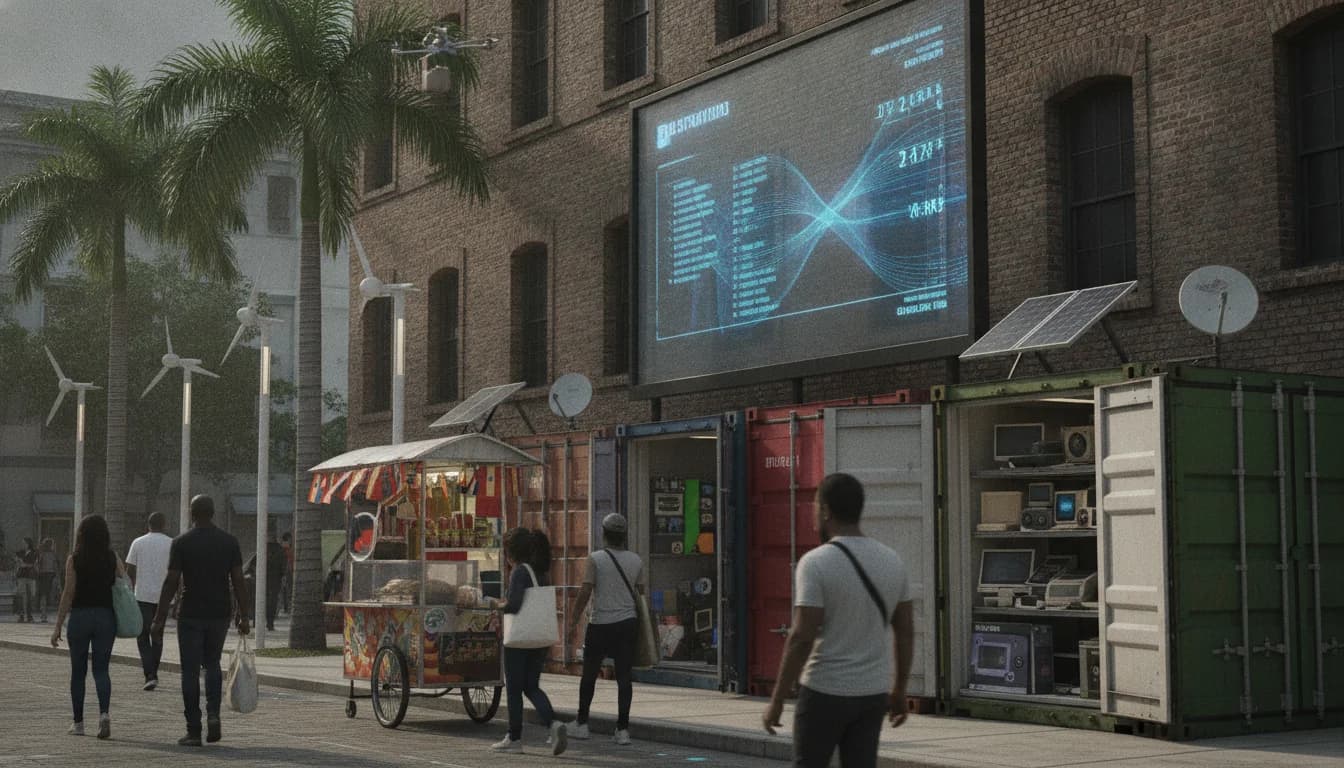
FIFA Fan Festival Miami draws up to 30,000 daily fans
The Mundial de Fútbol Miami latinos phenomenon is intensifying as the FIFA World Cup 2026 fanscape arrives in Greater Miami, with official fan experiences anchored in Bayfront Park and other neighborhood hubs. The opening day and the full festival slate mark a unique convergence of sport, culture, and technology tailored to Miami’s large Latino communities, including Cuban, Colombian, Brazilian, Argentine, and other heritage groups that call South Florida home. According to Timeout, the FIFA Fan Festival in Miami will run June 13 through July 5, 2026 at Bayfront Park and is expected to draw up to 30,000 fans daily. (timeout.com) This influx of fans and families underscores a broader trend: live football spectacles in the United States are increasingly embedded in urban ecosystems with a data-driven, service-focused approach designed to optimize turnout, safety, and cross-cultural engagement. The event’s arrival in Miami—one of the city’s defining international narratives—also spotlights the region’s growing tech-enabled marketing and digital engagement opportunities around global sport. The festival’s setup, including free entry and a mix of live broadcasts, music, food, and immersive activations, is designed to serve both stadium-goers and local communities watching from public viewing zones. The Miami Host Committee describes the festival as a centerpiece of the World Cup experience for residents and visitors alike, with an emphasis on accessibility, family-friendly programming, and culturally resonant activities. (miamifwc26.com)
This reporting comes at a moment when Latinos in Miami are central to the city’s cultural and economic identity. Local coverage and mainstream outlets have consistently framed the World Cup presence as a Latino cultural moment, not only a sports event. For example, El País US emphasizes that the Bayfront Park activation will be a 23-day hub of activity from June 13 to July 6, featuring a festival footprint designed to serve diverse Latin American communities and tourists alike. The piece notes that the festival’s programming will reach beyond the stadium experience to neighborhoods across the county, reflecting a broader strategy to catalyze Latino cultural exchange, tourism, and small-business engagement during the World Cup period. “La afición latina se hará sentir como nunca,” the report suggests, highlighting the emotional and community-driven dimension of the World Cup run in Miami. (elpais.com)
Section 1: What Happened
Announcement Details
- The FIFA Fan Festival™ Miami is the official, city-hosted fan destination for the World Cup 2026™, and it will be housed at Bayfront Park in Downtown Miami. The festival is designed to broadcast live matches on giant screens, host concerts and cultural performances, and offer interactive fan experiences and food and beverage options that reflect Miami’s diverse culinary landscape. This setup makes the festival accessible to everyone, regardless of ticket ownership for stadium games. The Miami Host Committee outlines the festival’s purpose as a central, free-to-enter celebration that combines sport with culture and community. (miamifwc26.com)
- In addition to the main festival site, the host city program includes related experiences such as Reefline, an immersive art installation on Miami Beach’s Lummus Park, which runs from June 14–June 28, 2026. This complements the football experience with a cross-disciplinary celebration of creativity, sustainability, and community tied to the World Cup calendar. (miamifwc26.com)
Timeline and Key Facts
- Opening Day and Festival Run: The FIFA Fan Festival Miami opens on June 13, 2026, and operates for 24 consecutive days through July 6, 2026, offering daytime-and-evening programming with free admission. The schedule emphasizes family-friendly entertainment, live match broadcasts, and a curated slate of local performances. Bayfront Park will host the main festival footprint, with a systematic approach to operations, security, and guest services. (miamifwc26.com)
- Location and Access: Bayfront Park is described as the central hub, deliberately placed to maximize access via multiple transit options, including nearby Metromover, Metrorail, Brightline connections, and proximity to downtown restaurants and cultural venues. The festival map and opening-hours details indicate structured entry windows and safety protocols, underscoring a technology-enabled, visitor-centric experience that prioritizes accessibility. (miamifwc26.com)
- Ancillary Events and Watch Parties: The Miami Host Committee’s event schedule also notes official watch parties and public viewing opportunities at several venues across South Florida, extending the World Cup celebration beyond Bayfront Park and into community spaces. This reflects a broader market strategy to engage Latino communities across the region and to support local businesses during the tournament window. (miamifwc26.com)
- The Reefline installation in Lummus Park adds a cultural-layered experience aligned with the World Cup calendar, signaling a deliberate integration of the arts and football to attract both locals and visitors. The Reefline activation runs June 14–28, 2026, offering an immersive beachfront art experience that connects sport, design, and sustainability in a way that resonates with multicultural audiences. (miamifwc26.com)
Tech & Vendor Landscape
- Live broadcasting and digital experiences are central to the Fan Festival design. The festival program includes live broadcasts of matches on large-format screens, alongside immersive activations and interactive experiences that leverage social media prompts, real-time translation services, and mobile engagement tools to enhance accessibility for Spanish- and English-speaking audiences. The official host-committee materials emphasize a blended programming mix of sports, music, and cultural performances, with a focus on family-oriented experiences and community engagement. (miamifwc26.com)
- The REEFLINE art installation and other creative activations present an opportunity for cross-market sponsorships, digital storytelling, and experiential marketing tailored to Latino audiences, showcasing how art and football can intersect to amplify engagement, tourism, and local business participation during World Cup events. (miamifwc26.com)
Section 2: Why It Matters
Cultural and Community Impact
- Miami’s Latino communities are a defining economic and cultural force in the region. The World Cup presence in Miami is positioned as a celebration of these communities, with official programming designed to be inclusive and accessible, while neighborhood activations extend the festival’s reach into Little Havana, Hialeah, Wynwood, and beyond. Local and international media coverage reinforces the city’s identity as a global hub for Latin American culture and sport, and observers note that the World Cup in Miami serves as a bridge connecting diaspora communities with local residents and visitors. EL País US frames the event as a host city initiative that will bring together Argentines, Brazilians, Colombians, Mexicans, and others who maintain robust cultural ties to the region. The article describes a Miami that “lives the World Cup fever” across neighborhoods and bars, amplified by a wide array of social and cultural activities designed to accompany the matches. (elpais.com)
- A moment’s glance at U.S. Latinx communities shows that Miami’s Latino footprint is a major driver of consumer behavior, media consumption, and local entrepreneurship. University and media reporting point to a city where Latin American fans are deeply embedded in the social fabric, and where sport is a social connector across languages, backgrounds, and generations. While the World Cup in Miami is a global event, its local dimension is deeply rooted in the daily rhythms of South Florida’s Latino districts, which feature robust small-business ecosystems in hospitality, entertainment, retail, and digital services. This dynamic creates a powerful platform for technology-enabled marketing, data-driven engagement strategies, and targeted community programming that can serve as a model for other multicultural markets. (univision.com)
Economic and Market Implications
- The World Cup presence in Miami brings anticipated foot traffic to local businesses during a historically high-visitor period. While exact economic figures for the event are not published in the sources reviewed, the mix of free festival programming, official watch parties, and cross-neighborhood activations creates a broad-based opportunity for hospitality, retail, and entertainment sectors to capitalize on tournament-driven tourism. The festival’s inclusive, cost-free access design lowers barriers for families and first-time international travelers, potentially expanding the footprint of World Cup-related commerce in the region. This aligns with broader trends in which major sporting events catalyze local marketing ecosystems that blend live experiences, digital engagement, and consumer spending. (miamifwc26.com)
- Tech-enabled engagement, from large-scale broadcasting to immersive art installations, signals a rising role for data-driven marketing and customer experience design in sports-related events. The festival’s digital components, multilingual content, and cross-channel activations provide a real-world test bed for brands seeking to connect with Latino audiences across Miami and the broader South Florida region. Partnerships with local creators, venues, and cultural organizations—evident in the Reefline activation and in the festival’s diverse lineup—represent a blueprint for inclusive, community-first event experiences that can drive longer-term loyalty and tourism growth beyond the World Cup window. (miamifwc26.com)
How Latinos in Miami Shape the Market Narrative
- The Latino angle remains central to the World Cup’s market narrative in Miami. A broad spectrum of media outlets have emphasized the Latino cultural resonance of the event in the city, highlighting how football becomes a shared language across generations and national origins. Coverage from El País US and other outlets notes that neighborhoods like Little Havana, Hialeah, and Doral anticipate vibrant celebrations, street gatherings, and restaurant-driven watch parties that reflect a mosaic of Latin American cultures. This underscores a broader market opportunity for brands to tailor experiences and content to diverse Latino subgroups, rather than treating the community as a monolith. (elpais.com)
Section 3: What’s Next
Timeline and Milestones
- June 13–July 6, 2026: FIFA Fan Festival™ Miami at Bayfront Park runs for 24 days, featuring live match broadcasts, cultural performances, and immersive fan activations designed to engage both local residents and visitors. The schedule includes opening-day activities, daily programming blocks, and a range of cross-cultural experiences meant to maximize accessibility and participation. Official documentation from the Miami Host Committee confirms this window and venue. (miamifwc26.com)
- June 14–28, 2026: Reefline, an immersive beachfront art installation along Miami Beach’s Lummus Park, complements the football experience and demonstrates how the City of Miami is integrating art, culture, and sport into a unified World Cup experience. This timeline aligns with the festival’s broader schedule and the city’s strategy to attract diverse audiences through multi-disciplinary programming. (miamifwc26.com)
- Official watch parties across South Florida: As the World Cup progresses toward its climax, official viewing events are planned in multiple public spaces, offering free opportunities for fans to gather, celebrate, and participate in the World Cup narrative even if they do not hold match tickets. This extended approach ensures ongoing engagement with Latino communities and the broader public throughout the tournament. (miamifwc26.com)
What to Watch For
- Data-driven audience engagement: Expect organizers and participating brands to deploy multilingual digital content, location-based alerts, and social-media-first experiences designed to reach Miami’s diverse Latino populations. The festival’s emphasis on immersive activations and culturally resonant performances creates a rich environment for measuring engagement metrics, sentiment, foot traffic, and local business impact. Observers will be looking for indicators such as attendance trends at Bayfront Park, cross-neighborhood participation, and the effectiveness of official watch parties in driving extended tourism and hospitality revenue during the World Cup window. (miamifwc26.com)
- Legacy and community impact: If the World Cup experience in Miami yields durable, positive effects for local Latino communities, the event could catalyze further investments in bilingual media, cross-cultural programming, and Latino-owned businesses. Analysts will watch for partnerships announced with local cultural organizations, universities, and community groups that could extend the festival’s footprint beyond the 2026 World Cup year. The El País US coverage indicates the potential for a long-lasting cultural and economic ripple effect, especially in neighborhoods with dense Latino populations. (elpais.com)
Closing
As the Mundial de Fútbol Miami latinos unfolds, the convergence of sport, culture, and technology in Miami offers a real-time lens on how multicultural markets are shaping modern event strategies. The World Cup’s Miami footprint—anchored by free public access, cross-neighborhood activations, and immersive experiences—serves as a noteworthy model for how to translate a global sports event into local economic momentum, community engagement, and tech-enabled marketing opportunities. Fans, local businesses, and international visitors will watch closely to see how the city’s Latino communities amplify the World Cup narrative and influence future megasporting events in the United States.
In the weeks ahead, EE.UU. Hoy will continue to monitor crowd dynamics, technology deployments, and community feedback as the festival ecosystem evolves. For readers following the Mundial de Fútbol Miami latinos story, expect ongoing coverage that connects the dots between match days, cultural celebrations, and the evolving tech and market strategies that are shaping this landmark moment for South Florida and the Latino diaspora.