Julián Castro Plans $250M Endowment for Latino Groups
Julián Castro plans to build a $250 million endowment for Latino-led organizations across the US Southwest.
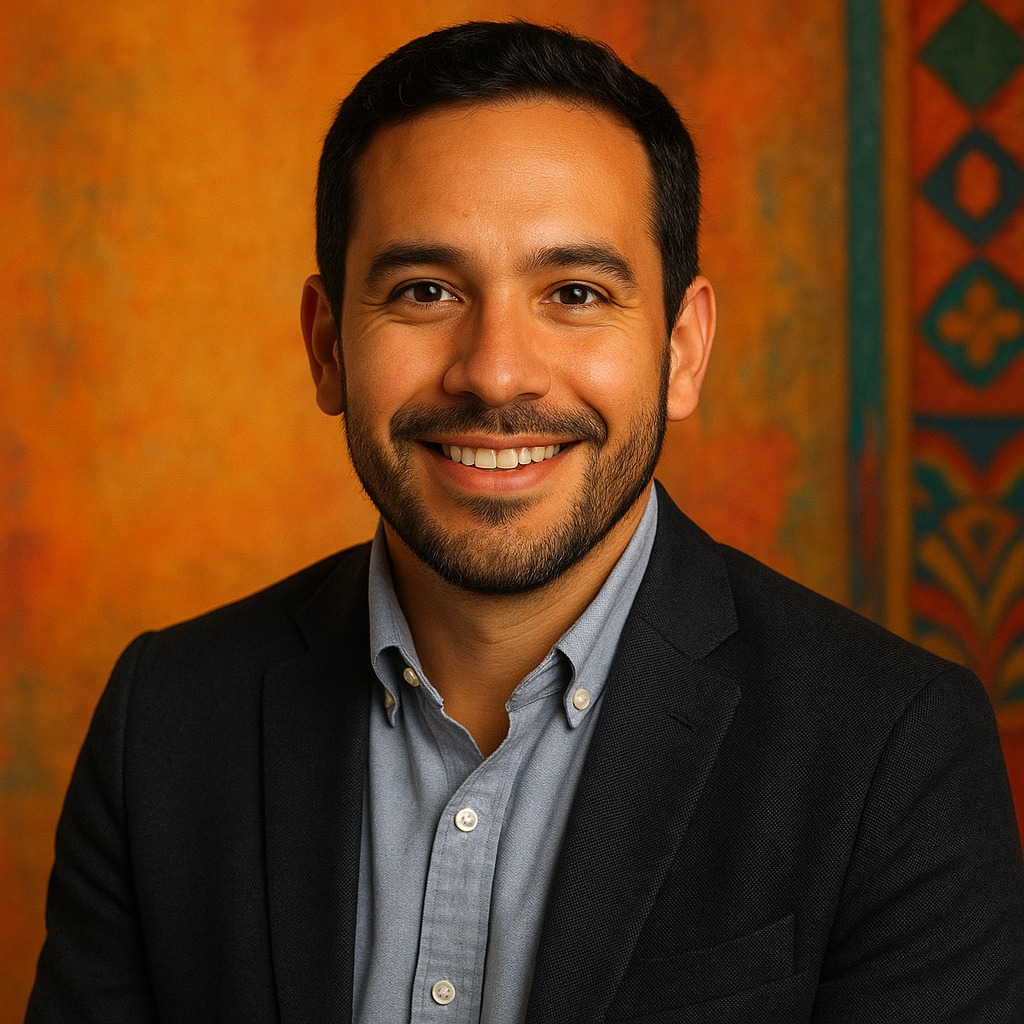
Sobre el autor
Andrés Fonseca es corresponsal de economía y negocios en EE.UU. Hoy, cubriendo el mercado laboral, emprendimiento latino y finanzas personales. Su escritura clara convierte temas complejos en información útil para la comunidad.

New York, March 3, 2026 — Julián Castro on Wednesday unveiled plans to build a $250 million endowment to support Latino community groups across the U.S. Southwest, a move designed to bolster education, entrepreneurship, and access to technology in a region undergoing rapid demographic and economic shifts. The announcement, delivered in New York, marks a deliberate expansion of philanthropic activity aimed at sustaining Latino-led initiatives in areas including workforce development, digital literacy, and small-business finance. Castro, a former San Antonio mayor and U.S. housing secretary, frames the initiative as a long-term investment in inclusive growth for a region where Latino communities are a rising priority for policymakers, educators, and business leaders alike. The plan places the Latino endowment Southwest at the center of a broader strategy by the Latino Community Foundation to mobilize significant philanthropic capital to Latino-led organizations in the Southwest and beyond. (apnews.com)
The announcement signals the formation of a dedicated vehicle intended to provide durable funding for Latino-serving organizations across the Southwest, with the stated aim of expanding grantmaking and sustaining capacity-building efforts. In a field where grant cycles can be irregular and program budgets fragile, the estimated $250 million endowment would function as a predictable source of philanthropic capital designed to outlive short-term funding cycles. The Latino Community Foundation, which will oversee the initiative, has described its role as stewarding assets, ensuring governance transparency, and directing resources toward programs that build economic opportunity and educational access in Latino communities throughout the Southwest. Castro’s team conveyed that the endowment would operate with a long-time horizon, emphasizing stability and impact over ad-hoc funding. The foundation’s leadership has indicated a commitment to rigorous grantmaking standards, performance tracking, and measurable outcomes to ensure that the capital translates into durable improvements in opportunity for Latino residents. AP News confirmed these core elements of the plan, including the endowment size, governance intentions, and the geographic focus on the Southwest. (apnews.com)
In addition to the headline figure, the plan outlines a concrete annual grantmaking target intended to sustain ongoing programs. Castro and LCF have said the endowment would provide at least tens of millions of dollars in annual grants over time, with the explicit goal of delivering a steady stream of resources to Latino-led nonprofits and community groups that historically have received a smaller share of philanthropic dollars compared with national funding trends. While the precise annual grant target was framed as a function of the endowment’s investment performance and prudent spending rules, the public briefing underscored a clear ambition: to deliver meaningful, recurring support that can underwrite education access, workforce development, technology training, and small business acceleration in the region. The AP report quotes Castro highlighting the need for reliable funding streams to empower local organizations, and the broader context shaping this strategy. (apnews.com)
The timing of the announcement—March 3, 2026, in New York—comes after earlier philanthropic activity by the Latino Community Foundation, including Spring 2024 grant initiatives in Arizona and Nevada that sought to engage Latino communities in civic and economic life. Those earlier efforts are positioned as precursors to a larger, more durable funding framework, according to the AP dispatch. The plan’s leadership argues that building a lasting endowment will help communities weather policy and economic shifts that can constrain access to education, entrepreneurship, and opportunity. The AP article frames this as part of a broader historical pattern in which Latino-led organizations often rely on a less steady stream of philanthropic support, a context Castro says the initiative aims to alter. The connection between past grantmaking patterns and the envisioned endowment underscores the strategic intent to convert episodic funding into long-term capacity. (apnews.com)
What Happened
Announcement Details
- Who: Julián Castro announced plans to build a $250 million endowment for Latino community groups across the U.S. Southwest; the endowment would be managed to sustain grantmaking through the Latino Community Foundation (LCF). The foundation will oversee asset management, governance, and grant allocation to Latino-led programs in the Southwest.
- What: The creation of a dedicated endowment intended to provide ongoing support for Latino-serving organizations, with the goal of expanding grantmaking and capacity-building across the region.
- When: The formal announcement occurred on March 3, 2026, in New York City. This event followed prior related activity in Spring 2024 that planted the seeds for ongoing engagement in the Southwest. (apnews.com)
Funding Structure and Scope
- Endowment size: $250 million, earmarked to support Latino community organizations across the Southwest. The endowment is described as a permanent capital base designed to sustain grantmaking and program support over the long term.
- Governance and management: The Latino Community Foundation will steward the endowment, with an emphasis on transparent governance, clear spending rules, and accountability for results. The architecture is positioned to balance fund preservation with meaningful annual grant disbursements.
- Geographic focus: The Southwest region, encompassing multiple states with large and growing Latino populations, where the foundation intends to deepen its presence and extend the reach of its funding programs.
- Grantmaking target (short- to mid-term): The plan references a commitment to substantial annual grantmaking, with a stated aim of translating the endowment into recurring support for Latino-led organizations. The exact annual dollar target will depend on investment performance and governance decisions, but the emphasis is on a reliable, ongoing flow of resources rather than one-time gifts. AP reporting emphasizes the ambition to deliver consistent, scalable impact through sustained grants. (apnews.com)
Timeline and Milestones
- Spring 2024 groundwork: The initiative traces back to Spring 2024, when the foundation conducted get-out-the-vote grants in Arizona and Nevada as part of a broader effort to engage Latino communities and test grantmaking approaches in the region. That earlier activity is presented as a precursor to the larger endowment plan, illustrating a continuum of philanthropic experimentation and learning that informs the current approach. (apnews.com)
- 2026 rollout: The March 3, 2026 announcement signals the transition from experimental funding to a formal, long-term endowment strategy. While the immediate deployment schedule is not fully disclosed, the plan is framed as a multi-year effort requiring coordinated fundraising, governance setup, and program design. The AP report situates this as the kickoff for a period of sustained growth in the foundation’s regional impact. (apnews.com)
Annex: Background on the Leadership
- Julián Castro’s background: Castro previously served as the U.S. secretary of housing and urban development under the Obama administration and as mayor of San Antonio. His leadership roles are cited as part of the rationale for undertaking a large-scale endowment in the Southwest, reflecting a track record in housing, urban development, and policy advocacy. The AP summary notes Castro’s public service history and his current leadership role with the Latino Community Foundation, which will oversee the new endowment. This context helps readers understand the initiative’s emphasis on stability, governance, and long-term regional impact. (apnews.com)
Key Facts and Context
- Endowment scale and ambition: A $250 million endowment positioned to support Latino community groups across the Southwest, with the aim of expanding grantmaking and capacity-building. The figure and geographic scope are central to understanding the scale of the initiative and its potential implications for the regional philanthropy landscape.
- Governance model: The plan emphasizes professional stewardship by the Latino Community Foundation, with an emphasis on accountability, governance, and disciplined grantmaking. The narrative underlines the importance of a trusted, transparent approach to managing a sizable endowment intended to serve decades of programs.
- Economic and social rationale: The announcement frames the endowment as a mechanism to address gaps in mainstream philanthropy, particularly for Latino-led or Latino-serving organizations. The rationale is that larger, durable funding can help community groups weather policy shifts and economic fluctuations while pursuing programs that build opportunity in education, entrepreneurship, and technology access. The AP reporting quotes Castro on the broader goal of strengthening the Latino community as a driver of regional and national prosperity. (apnews.com)
Why It Matters
Implications for Latino Communities in the Southwest
- Sustained funding for education and workforce development: If fully realized, the endowment could shift the funding dynamic for Latino-led organizations by providing a predictable, long-term pool of capital. This would enable grantees to plan multi-year initiatives in areas such as digital literacy, STEM education, and workforce preparation, which have historically required flexibility and long planning horizons to achieve durable outcomes.
- Support for entrepreneurship and small business: A stable endowment can back programs that help Latino entrepreneurs access capital, mentorship, and market opportunities. In a regional economy where Latino-owned businesses are a growing share of the market, durable philanthropic support can help bridge gaps in seed funding, scale-up capital, and business assistance services.
- Technology access and digital inclusion: The Southwest has unique technology adoption patterns and broadband access dynamics. A well-structured endowment could fund local initiatives that expand broadband connectivity, device access, and digital-skills training, contributing to more inclusive tech adoption across communities. The emphasis on technology aligns with broader market trends toward digital transformation in the region’s industries.
Broad Context: Philanthropy, Latino-Led Organizations, and the Southwest
- Addressing funding gaps: The initiative responds to a widely discussed concern in philanthropic circles—that mainstream funding has not always matched the scale of need within Latino-led organizations. By creating a large, durable endowment, the plan seeks to shift power dynamics in grantmaking and expand the pool of resources available to Latino-serving groups in the Southwest.
- Governance and accountability: The move toward a formal endowment under the Latino Community Foundation signals a push toward professionalized governance and rigorous impact measurement. Stakeholders will be watching how the foundation structures investment policy, grantmaking criteria, and performance reporting to ensure transparency and accountability.
- Regional and national implications: Should the model prove scalable and replicable, similar approaches could emerge in other high-growth regions with large Latino populations. The initiative’s focus on the Southwest places emphasis on states such as Arizona, New Mexico, Texas, Nevada, and California, where demographic shifts intersect with technology and economic development agendas.
Balanced Perspectives and Potential Questions
- What counts as success? Observers will want clear metrics for success beyond capital deployed. In a data-driven environment, indicators such as grant leverages, program reach, educational attainment, startup formation, and job placement rates will be scrutinized.
- Governance and influence: Debates often accompany large endowments around governance structures, the balance of local leadership versus centralized oversight, and the risk of mission drift—especially when an endowment aims to fund a broad array of Latino-serving activities.
- Long-term sustainability: While the endowment’s size is notable, questions will arise about investment strategy, payout rates, and the ability to maintain grantmaking momentum during economic downturns. The foundation’s investment policy and governance documents, once made public, will be critical to assessing resilience.
The Broader Philanthropy Landscape
- Philanthropy and regional growth: The Southwest’s growing Latino population presents both opportunities and responsibilities for philanthropic actors. A durable endowment can frame a long-term strategy for aligning philanthropic capital with community needs, including education access, workforce development, healthcare access, and digital inclusion.
- Public-sector and private-sector synergies: Large endowments of this kind can stimulate collaborations with universities, community colleges, workforce boards, and technology nonprofits. Partnerships with local institutions could amplify the endowment’s impact by embedding programs within regional ecosystems and ensuring alignment with local priorities.
What’s Next
Near-Term Actions and Milestones
- Asset mobilization and governance setup: The immediate steps will likely involve finalizing the legal and governance structures, appointing board seats, establishing investment policies, and setting payout rules that govern annual grant distributions. The foundation will need to design a transparent grantmaking framework, including application processes, reporting requirements, and outcomes measurements.
- Stakeholder engagement in the Southwest: Expect targeted outreach to Latino-led organizations, community colleges, and regional nonprofits operating in education, entrepreneurship, and digital inclusion. Engagement efforts may include listening sessions, request-for-proposal (RFP) processes, and capacity-building initiatives designed to prepare organizations to access endowment resources.
- Public accountability and reporting: As a new permanent endowment, the initiative will come under scrutiny by funders, community leaders, and policymakers. Public-facing reporting, annual impact briefs, and independent audits are likely components of the accountability framework.
Longer-Term Outlook
- Regional impact and scale: If successful, the endowment could set a precedent for durable, mission-driven funding in the Southwest, with the potential to influence regional policy discussions about equity, access to technology, and the role of philanthropy in economic development.
- Replicability and model adaptation: The endowment’s governance and investment approach may become a reference for other philanthropic organizations seeking to deploy large, long-term capital to Latino-led initiatives in other regions of the country. The balance between local leadership and professional fund management will be central to any replication considerations.
Closing
This development represents a landmark moment for philanthropic capital devoted to Latino-led initiatives in the Southwest. The $250 million endowment, designed to sustain grantmaking across a diverse and dynamic region, signals a shift toward enduring support for education, entrepreneurship, and digital inclusion in Latino communities. As stakeholders watch the foundation’s progress, the coming years will reveal how effectively a carefully governed endowment can translate bold ambitions into tangible opportunities for families, students, workers, and entrepreneurs across the Southwest.
Readers looking to stay updated on the Latino endowment Southwest and related technology and market trends in U.S. philanthropy can monitor announcements from the Latino Community Foundation, as well as coverage from national and regional media outlets. The story is ongoing, and developments in governance, investment strategy, and grantmaking will shape how this initiative influences the broader landscape of Latino-led philanthropy and regional tech-enabled growth.
Notes for readers: The information above synthesizes details reported by AP News regarding Julián Castro’s March 3, 2026, announcement and the Latino Community Foundation’s stated aims for the Latino endowment Southwest. For full context, consult AP’s coverage and related outlets documenting early grantmaking activity in Spring 2024 and subsequent expansion plans. (apnews.com)