La Columna Vertebral Maps LA County's Latino Economy
LAEDC's La Columna Vertebral report measures Latino workers, entrepreneurs and businesses across Los Angeles County.
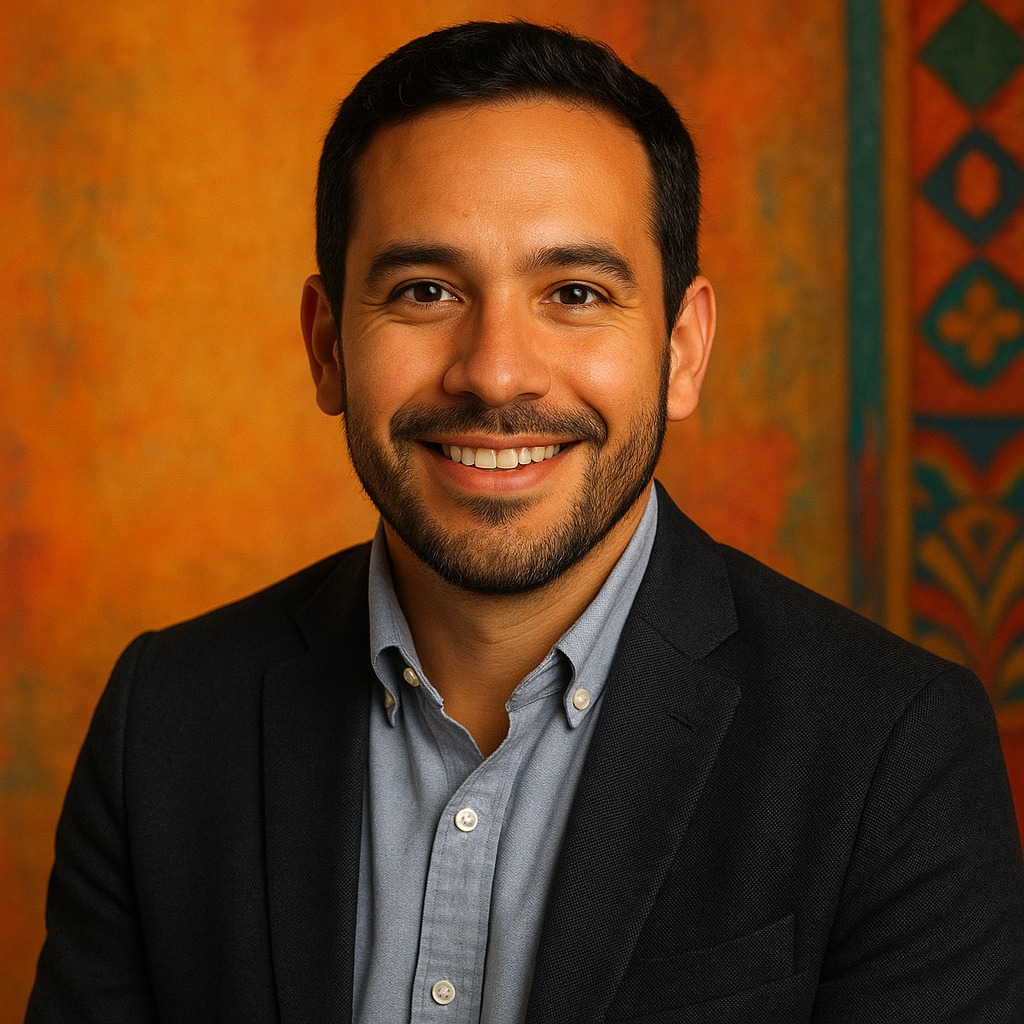
Sobre el autor
Andrés Fonseca es corresponsal de economía y negocios en EE.UU. Hoy, cubriendo el mercado laboral, emprendimiento latino y finanzas personales. Su escritura clara convierte temas complejos en información útil para la comunidad.

EE.UU. Hoy is breaking news on May 11, 2026, with the release of La Columna Vertebral Latino Economy Report LA County. The Los Angeles County Economic Development Corporation (LAEDC) today unveiled a comprehensive, data-driven analysis of Latino contributions to Los Angeles County’s economy, underscoring how Latino workers, entrepreneurs, and communities are catalysts for regional growth across technology, manufacturing, services, and the digital economy. The report, prepared with the Institute for Applied Economics at LAEDC, positions Latino participation as a central engine of economic activity, moving beyond traditional workforce metrics to illuminate ownership, investment, and market dynamics in a rapidly evolving tech and business landscape. This is a pivotal moment for policymakers, investors, and business leaders seeking to align capital, talent, and opportunity with the region’s diverse population. The release comes amid a moment of heightened attention to the intersection of technology, equity, and regional competitiveness, and EE.UU. Hoy will track how the findings reshape conversations about investment, innovation, and inclusive growth in L.A. County. La Columna Vertebral Latino Economy Report LA County is notably the most integrated portrait to date of Latino contributions to the regional economy, according to the press materials issued today. (laedc.org)
The report’s scope spans workforce participation, business ownership, healthcare access, foreign direct investment, trade and logistics, and the creative economy, with a particular emphasis on how technology-enabled markets, fintech, and digital entrepreneurship intersect with traditional sectors. Key data points highlighted in the release include the presence of 173 Latin American corporate establishments now operating in LA County, collectively employing more than 4,100 workers and paying about $435 million in annual wages. The document also reframes remittances as bidirectional capital flows—more than $160 billion annually to Latin America—shedding new light on how Latino families and entrepreneurs fuel regional and cross-border investment. In addition, the report features a digital roundtable with three generations of Latino business owners—Silvia Olmos of Sylvia’s Pupuseria, Juan Sanjuan III of Gloria’s Restaurant, and Beatriz D Porto of Porto’s Bakery—who discuss gaps in capital access, language, and institutional outreach as persistent barriers to scale. (laedc.org)
The timing of the release is notable. LAEDC notes that the region is preparing for major upcoming events with global visibility, and the report argues that any honest accounting of Latino economic power must also acknowledge the conditions under which it operates. The release aligns with the California Jobs First – LA County Collaborative drive, a regional economic development effort that totals more than 800 cross-sector partners, including more than 100 Latino-serving organizations. This context matters for technology and market trends because it signals a concerted effort to channel resources toward inclusive growth and to address structural barriers that shape innovation and capital access. The public release today includes a call to action for stakeholders to engage with the full report and participate in ongoing discussions about Latino economic power in the region. Read the full report and accompanying materials through the official LAEDC channels. (laedc.org)
Section 1: What Happened
Announcement Details
LAEDC publicly released La Columna Vertebral Latino Economy Report LA County on May 11, 2026, in Los Angeles, California. The formal release highlighted that the analysis draws on data and economic modeling from LAEDC’s Institute for Applied Economics to map Latino contributions across the county’s economy. The announcement emphasized that the report represents the most integrated portrait to date of Latino influence on the region’s economic performance, including workforce participation, business formation, investment patterns, and sectoral presence. The press materials also flagged a digital roundtable featuring three generations of Latino business owners, weaving practical, on-the-ground experiences into the quantitative findings. (laedc.org)
Release Timeline and Access
In conjunction with the May 11, 2026 release, LAEDC’s Latino Economic Report page offers ongoing access to the publication, including version histories and downloadable files. The May 6, 2026 release date for the underlying Latino Economic Report (and subsequent May 13, 2026 last update) provide the publishing cadence and data refresh schedule for readers and stakeholders seeking the latest numbers and context. This timeline underscores the project’s commitment to transparent, data-driven updates as technology trends and market dynamics evolve in LA County. For readers, the official blog and reports portal serve as primary points of entry for new data and interpretations drawn from the study. (laedc.org)
Key Findings and Highlights
The report identifies several structural and market-facing insights that tie into technology and broader market trends in LA County. Among the most highlighted findings are:
- 173 Latin American corporate establishments operating in LA County, collectively employing more than 4,100 workers and paying approximately $435 million in annual wages. This statistic underscores a substantial footprint for Latino-led or Latin American–connected firms within the county’s business network, with direct implications for regional labor markets, supply chains, and technology adoption within small and medium-sized enterprises. (laedc.org)
- A reframing of foreign direct investment through the lens of remittances, noting that more than $160 billion in annual U.S. remittances to Latin America can be viewed as bidirectional capital that shapes cross-border investment and market access. This finding invites policymakers and investors to rethink capital flows and the role of Latino households and entrepreneurs as capital generators and market participants in both directions. (laedc.org)
- The inclusion of a digital roundtable with three generations of Latino business owners, which surfaces practical, real-world perspectives on barriers to scaling—especially around access to capital, language, and institutional outreach. The experiential insights complement the quantitative data, offering a more complete view of how technology and market trends interact with the Latino business ecosystem. (laedc.org)
- The broader context of regional strategy, including the California Jobs First – LA County Collaborative, which brings together more than 800 cross-sector partners, with a substantial share focused on Latino-serving organizations. This collaboration signals a coordinated approach to workforce development, startup support, and inclusive economic growth as technology and market trends reshape the county’s economy. (laedc.org)
The report was published in a moment when technology and market forces intersect with demographic powerhouse dynamics in Los Angeles County. LAEDC’s materials frame Latino communities not merely as beneficiaries of economic activity, but as active architects of growth, innovation, and resilience within the county’s digital and physical economies. This framing has practical implications for technology policy, capital allocation, and the design of market interventions that seek to amplify Latino leadership in tech-enabled industries. (laedc.org)
Section 2: Why It Matters
Economic Significance of Latino Communities in LA County
The La Columna Vertebral Latino Economy Report LA County situates Latino workers and entrepreneurs at the core of the county’s economic momentum. The data showing 173 Latin American corporate establishments employing thousands of workers and contributing hundreds of millions in annual wages demonstrate a sizable economic engine that touches multiple sectors, including technology-adjacent services, creative industries, and tradable sectors like logistics and manufacturing. These findings align with broader regional analyses that emphasize Latino leadership as a driver of economic inclusion and innovation. The report’s emphasis on the structural conditions that shape full participation highlights the need for targeted access to capital, mentorship, and bilingual outreach to unlock latent growth in Latino-founded or Latino-led enterprises. For readers and policymakers, these numbers translate into a clear signal: supporting Latino entrepreneurship and workforce development yields measurable, local economic returns and strengthens the county’s overall competitiveness in technology-driven markets. (laedc.org)
Implications for Technology and Market Trends
Technology and market trends in LA County are increasingly intertwined with Latino economic power. The report’s focus on workforce participation and business formation among Latino communities intersects with digital adoption, tech-enabled services, and the growth of a more diverse startup ecosystem. By identifying gaps in capital access, language, and outreach, the study points to concrete areas where technology-enabled solutions can reduce friction for Latino entrepreneurs—ranging from fintech-enabled fundraising and micro-lending platforms to multilingual onboarding tools and government-facing interfaces designed for non-English-speaking business owners. The broader implication for tech and market trends is that inclusive design and targeted ecosystem building can accelerate the adoption of digital tools, enhance productivity, and expand the market reach of Latino-owned firms. This is consistent with independent analyses that highlight the value of inclusive growth as a multiplier for regional innovation and resilience. (laedc.org)
Moreover, the bidirectional view of remittances as a capital flow expands the spectrum of what counts as investment in a tech-enabled economy. When households transfer funds across borders, those funds can fuel entrepreneurial activity, cross-border collaboration, and demand for services that support entrepreneurship—digital marketing, supply chain tech, accounting software, and access to global networks. Recognizing remittances as part of the investment fabric reframes risk and opportunity for financial institutions and venture capital actors considering Latino-led ventures in L.A. County and beyond. The report’s treatment of these monetary flows invites market participants to rethink risk models, product design, and cross-border partnerships in ways that bolster tech-driven growth while supporting immigrant and immigrant-origin communities. (laedc.org)
Policy and Community Implications
The release occurs alongside a broader regional strategy—the California Jobs First – LA County Collaborative—a coalition of more than 800 cross-sector partners, including over 100 Latino-serving organizations. This level of coordination signals a policy environment that values data-informed decision-making and targeted interventions to close gaps in access to capital, language assistance, and institutional support. For technology and market trends, such collaboration can accelerate the deployment of digital literacy programs, expand access to broadband and devices for small businesses, and catalyze public-private partnerships that accelerate software adoption in Latino-owned enterprises. In practical terms, the collaboration could translate into pilot programs that test fintech solutions for small-business lending, bilingual UX improvements for permitting and licensing portals, and data-sharing initiatives that help lenders and investors identify viable Latino-led growth opportunities. The report’s resonance with policy and community efforts underpins a more actionable path from data to impact, charting a course for sustained, tech-enabled economic inclusion in LA County. (laedc.org)
Real-World Context and Comparisons
Beyond the LAEDC framing, broader research and local analyses reinforce the centrality of Latino leadership in the regional economy. For example, studies and policy-focused work from local and academic organizations have documented Latino business ownership, workforce contributions, and resilience in the face of structural barriers across Los Angeles County. These independent analyses provide a complementary backdrop to the LAEDC findings, underscoring that the Latino economy in LA County is not a niche segment but a core component of the region’s growth trajectory. While not all data points align perfectly across sources, the converging narrative—from independent policy institutes to LAEDC’s data-driven work—highlights a shared recognition: to sustain economic momentum in a technology-forward era, the region must invest in Latino-led entrepreneurship, inclusive access to capital, and multilingual, accessible market infrastructure. (latino.ucla.edu)
Section 3: What’s Next
Next Steps for Investors and Policymakers
In the wake of the La Columna Vertebral Latino Economy Report LA County release, LAEDC has signaled a continuing cadence of data updates, stakeholder engagement, and policy-oriented actions designed to translate findings into concrete opportunities. Investors and policymakers can expect ongoing briefings, data refreshes, and joint initiatives that build on the report’s framework. The collaboration framework established by the California Jobs First – LA County Collaborative will serve as a conduit for aligning capital, workforce development, and technology enablement with Latino-led growth paths. For readers, this means more frequent publications, regional forums, and hands-on pilots that test fintech-enabled lending, bilingual business services, and digital infrastructure investments tailored to Latino entrepreneurs in LA County. The report’s emphasis on structural gaps—capital access, language, and institutional outreach—also sets the stage for targeted interventions, including accelerator programs, micro-grant initiatives, and supplier-diversification efforts that can leverage technology to reduce friction and expand opportunity. (laedc.org)
Data Updates and Future Publications
The Latino Economic Report, including its May 2026 edition, is part of a broader affinity-report series examining leadership and economic participation across demographic groups in Los Angeles County. The May 6, 2026 publication date and the May 13, 2026 update indicate an ongoing effort to refine metrics, incorporate new data sources, and contextualize Latino contributions within evolving market conditions. Readers should anticipate future updates that may reflect shifts in technology adoption, supply-chain resilience, and digital service delivery—all with the same data-driven lens that characterizes La Columna Vertebral Latino Economy Report LA County. For organizations tracking market trends, these updates provide a moving benchmark for assessing progress toward more inclusive growth and for calibrating technology investments to boost productivity and job creation in Latino-led enterprises. (laedc.org)
Closing
As EE.UU. Hoy continues to monitor the long arc of technology and market trends, the La Columna Vertebral Latino Economy Report LA County stands as a milestone in data-informed storytelling about Los Angeles County’s economy. The report’s blend of quantitative findings and qualitative reflections from three generations of Latino business owners offers a nuanced view of how the region’s diverse communities underpin growth, innovation, and resilience in a rapidly changing market landscape. For readers seeking reliable, actionable insights into where technology and market dynamics intersect with Latino leadership, this release provides a clear, evidence-based map of the present and a thoughtful guide to what comes next. To stay updated, follow LAEDC’s official communications and EE.UU. Hoy’s ongoing coverage of regional economic developments, including forthcoming updates to the Latino Economic Report and related policy and market analyses. (laedc.org)