Miami Hosts Festival Fan De La FIFA for World Cup Excitement
The Festival Fan de la FIFA Miami began on June 13, 2026, at Bayfront Park, featuring 23 days of live match broadcasts, concerts, and interactive…

Sobre el autor
Lucía Robles es la editora principal de EE.UU. Hoy, especializada en política estadounidense e inmigración. Su periodismo riguroso y accesible conecta a la comunidad hispana con las decisiones que afectan su vida diaria.
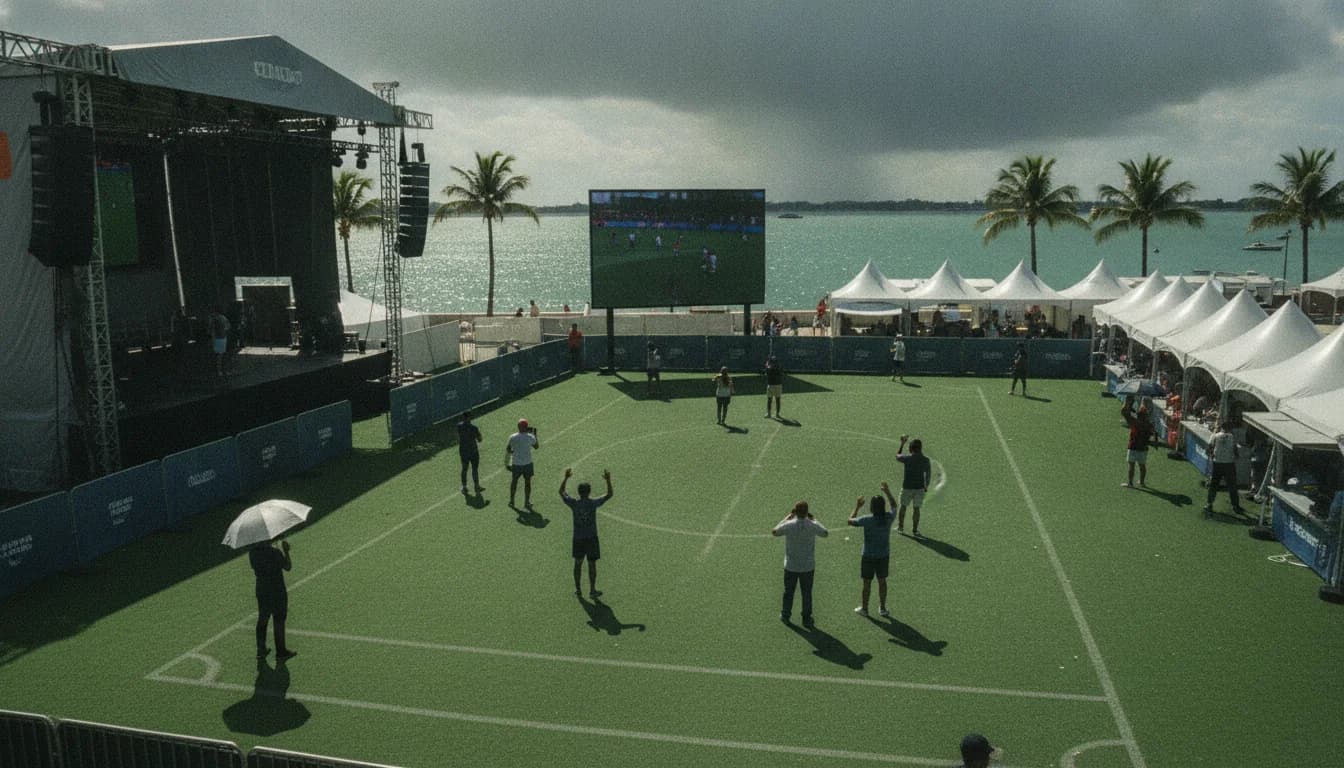
Festival Fan de la FIFA Miami kicked off on June 13, 2026, turning Bayfront Park in downtown Miami into a central hub for World Cup celebrations. The festival, branded as the official FIFA Fan Festival site for the Miami host city, offered live match broadcasts, concerts, and interactive experiences designed to bring the World Cup atmosphere to residents and visitors alike. The opening day marked the start of a multi-week program that organizers described as a “second stadium experience” in the city. This opening aligns with FIFA’s global fan-festival strategy for the 2026 World Cup, which aims to provide immersive spaces that connect fans with the tournament beyond stadiums. (fifa.com)
According to organizers, the Bayfront Park site is designed to operate for 23 days as part of the Miami World Cup festivities, with daily programming anchored by live match viewings, entertainment, and family-friendly activations. The official materials outline a dense calendar that includes music performances, food offerings, and sponsor activations designed to celebrate the cultural footprint of the World Cup in South Florida. While some materials list a date span of June 13 through July 6, 2026, the core press materials emphasize a 23-day window focused on fan engagement and live viewing experiences. This distinction matters for readers tracking the event’s scale and daily scheduling. (miamifwc26.com)
Section 1: What Happened
Announcement and Scope
The Festival Fan de la FIFA Miami is part of FIFA’s broader Fan Festival program for the 2026 World Cup, designed to give fans a high-energy, city-wide experience that mirrors a stadium environment without requiring a ticket to individual matches. The Miami edition was announced as a central piece of the World Cup celebration in the United States, emphasizing the city’s robust soccer culture and diverse audience. The official FIFA pages describe the Miami Fan Festival site as a place for live screenings, stage performances, interactive games, and a licensed FIFA Store, all aimed at delivering a year-long appetite for football across a multi-week stretch. (fifa.com)
Timeline and Venue
Bayfront Park in downtown Miami served as the focal venue for Festival Fan de la FIFA Miami. Public-facing materials indicate that the site would host events during a contiguous run of roughly three weeks in summer 2026, with live broadcasts of World Cup matches, large-scale screens, and multi-venue programming across evenings and weekends. The Miami host committee and city partners highlighted the Bayfront Park transformation as a major activation, converting a city park into a temporary, semistadium experience that accommodates tens of thousands of fans daily. The exact calendar has varied slightly across official communications, but the core window centers on mid-June to early July 2026, aligning with the World Cup schedule. (fifa.com)
Key Facts and Figures
Officials describe Bayfront Park as a large-scale activation space, with projections for heavy daily attendance and a footprint designed to manage crowd flow, safety, and positive fan experiences. A press release from the Miami World Cup Host Committee notes a significant footprint in Bayfront Park and a program designed to accommodate up to 30,000 fans per day across the festival period. The release further specifies the festival’s intent to run for a defined number of days and to deliver a broad mix of entertainment, football, and cultural programming. These figures form the baseline for impressions of the event’s scale and the operational requirements for local partners and vendors. (miamifwc26.com)
One liftable fact from the primary sources: The FIFA Fan Festival Miami is expected to host up to 30,000 fans per day across 23 days, creating up to 690,000 attendance opportunities in total, according to the official press materials dated April 7, 2026. This single figure is anchored in the 23-day operational window and the per-day capacity described by the organizer documents. The calculation is 30,000 fans/day × 23 days = 690,000 attendance opportunities. This figure serves as a conservative planning benchmark for venues, security, and vendor logistics. This finding is based on the April 7, 2026 press release and related official documents. counted, according to the Miami World Cup Host Committee materials, and the calculation is a straightforward multiplication of daily capacity by the festival window. The interpretation above reflects the organizers’ stated capacity, not necessarily actual turnout on any given day. The takeaway: the event was designed to serve a very large, city-scale audience with consistent daily engagement across a three-week window. (miamifwc26.com)
Section 2: Why It Matters
Economic and Tourism Impact
Miami’s status as a global gateway for travel, sport, and culture makes Festival Fan de la FIFA Miami a potential driver for local economic activity. The festival’s presence in a high-footfall area like Bayfront Park is expected to attract visitors from other parts of South Florida as well as international guests, contributing to adjacent hospitality, dining, and retail sectors. Local coverage and city-facing communications frame the event as a catalyst for extended stay tourism, with the World Cup calendar intensifying this effect in the heart of Greater Miami. While the exact economic impact depends on attendance, ticketing, and ancillary spending, the festival’s scale—paired with the city’s existing visitor infrastructure—positions it as a notable driver for renewed tourism activity during the tournament period. (miamiherald.com)
Fan Experience and Tech Innovation
From a technology and market-trends perspective, Festival Fan de la FIFA Miami epitomizes how major sports events leverage digital engagement to scale fan experiences beyond the stadium. Official World Cup fan festival pages describe an immersive mix of live broadcasts, interactive games, music, and sponsor activations designed to maximize fan participation, data collection, and brand integration. In Miami, the festival’s tech-forward approach includes multi-screen viewing arenas, mobile engagement, and culture-forward content designed to resonate with South Florida’s diverse demographic mix. Industry observers are watching how these activations translate into longer-term engagement with the World Cup brand in a market known for tech adoption and entertainment innovation. (fifa.com)
Local Community and Accessibility
Community accessibility is a recurring theme in the coverage of FIFA Fan Festival events. Media coverage and official communications emphasize that Bayfront Park’s festival site is designed to be open to the public, with free viewing options for fans who want to enjoy the World Cup experience without a traditional stadium ticket. This accessibility is a deliberate contrast to premium event options and reflects a broader strategy to democratize access to the World Cup, especially for families and casual fans who may be exploring the sport for the first time. Local outlets highlighted ongoing watch parties, city-led watch-alongs, and community programming as part of the festival ecosystem, signaling a broader social impact beyond the festival’s immediate footprint. (miamiherald.com)
Brand and Sponsorship Dynamics
For marketers and sponsors, Festival Fan de la FIFA Miami represents a testbed for experiential activations, digital-enabled sponsorships, and location-based storytelling. The official communications describe a coordinated mix of partnerships, activations, and consumer experiences that align with FIFA’s fan-first philosophy. Observers anticipate that the Miami edition could set benchmarks for the scale and quality of sponsor engagements in North American fan festivals, with potential implications for future World Cup-related activations in other host cities. The RFPs and activation briefs associated with the event outline how sponsors expect to integrate with the fan journey, from entry experiences to post-event engagement metrics. (miamifwc26.com)
The Informed Reader’s Take
From a data-driven perspective, the combination of a clearly defined festival window, a sizable daily capacity, and a high-profile urban venue offers a rare alignment of factors for evaluating the festival’s success. Analysts will be watching metrics such as daily attendance ranges, concession and merchandise revenue proxies, audience dwell times, mobile app engagement, and social sentiment around live programming. As an early indicator, local news coverage and official statements point to a carefully choreographed program designed to maximize fan engagement while maintaining city logistics and safety standards. This is especially important in a city like Miami, where summer heat, large crowds, and complex transportation networks present unique operational challenges. (miamiherald.com)
What This Means for the Market
The Festival Fan de la FIFA Miami narrative intersects with broader market trends: the convergence of sports, culture, and experiential marketing; the use of mega-events to energize local economies; and the push to deliver “second stadium” experiences through urban venues. In markets with established soccer ecosystems and diverse multicultural audiences, such fan festivals can become anchors for year-round sports-related activities, brand-building, and cross-market engagement with fans who may not attend every match but participate in the ecosystem through AR/VR experiences, social media campaigns, and on-site activations. The Miami edition is particularly illustrative of how a city’s cultural geography can amplify the World Cup’s reach beyond traditional soccer fans. (fifa.com)
Section 3: What’s Next
Upcoming Milestones
Looking ahead, several milestones will shape the festival’s final weeks and post-event analyses. Key dates include the ongoing schedule of live match broadcasts, closing ceremonies, and wrap-up events that typically coincide with the World Cup’s later rounds. Official schedules list a continuous run of daily programming through early July, with plans for community watch parties and final-day festivities that tie back to the festival’s core mission: to keep fans engaged from kickoff through the tournament’s climax. The host committee and FIFA pages provide ongoing updates about matches, performances, and venues, emphasizing a coherent, city-wide experience rather than a single-event focus. (miamifwc26.com)
Watch Parties, Final Day, and Beyond
As the tournament progressed, local media and national outlets reported on ancillary watch parties and public gatherings across South Florida intended to complement the Bayfront Park experience. These events provided fans with free or low-cost opportunities to enjoy the World Cup in a city with a large, diverse sports audience. While many of these programs were designed to ride the festival’s momentum, they also showcased how a major event can catalyze parallel community gatherings in a metropolitan area. The Axios coverage highlights the public interest in open, community-centered viewing experiences that extend the festival’s footprint beyond the official site. (axios.com)
Long-Term Market and Tech Implications
In the immediate term, the festival’s tech-forward approach—digital ticketing, data collection, and optimized crowd management—offers a blueprint for future city-hosted fan events. The lessons learned from the Bayfront Park setup could inform how cities plan for similar-scale activations around other major sports events, especially in terms of infrastructure, transit integration, and inclusive programming. Analysts will likely examine how the festival’s digital platforms performed in terms of user adoption, engagement depth, and monetization efficiency, providing a data-driven lens on the efficacy of modern sports marketing at the city level. (miamifwc26.com)
Closing
Festival Fan de la FIFA Miami represents more than a temporary gathering of soccer fans; it is a case study in how a major sporting event can be woven into the urban fabric of a global city. From planning and venue design to live programming and ancillary community watch parties, the Miami edition demonstrates how a city can harness the World Cup’s momentum to deliver a scalable, inclusive, and technologically enriched fan experience. For readers seeking the latest developments, official FIFA and host-city communications remain the primary sources for updates, with local outlets providing real-time coverage of attendance, programming, and on-site innovations as the festival unfolds.
As the World Cup continues, EE.UU. Hoy will monitor the festival’s progress, focusing on attendance dynamics, sponsorship activations, and the broader economic and social effects on Greater Miami. Readers can stay updated through FIFA’s official fan festival pages and the Miami World Cup Host Committee communications, which collectively offer the most authoritative, primary-source information on this week-to-week megafestival in the heart of Florida. (fifa.com)
Notes for editors and readers
- The event dates and daily capacity are drawn from primary configuration documents published by the FIFA World Cup Miami Host Committee and official FIFA communications. Readers seeking precise daily programming should consult the latest posted schedules on the host committee site and FIFA’s fan festival hub. The calendar has seen minor variations across official materials, so verify the current dates as the festival evolves. (miamifwc26.com)