Factchequeado AI Conversations Latinos: U.S. Update
Factchequeado AI Conversations Latinos provides a news update with insightful, data-driven analysis tailored for U.S. Latino communities.

Sobre el autor
Lucía Robles es la editora principal de EE.UU. Hoy, especializada en política estadounidense e inmigración. Su periodismo riguroso y accesible conecta a la comunidad hispana con las decisiones que afectan su vida diaria.
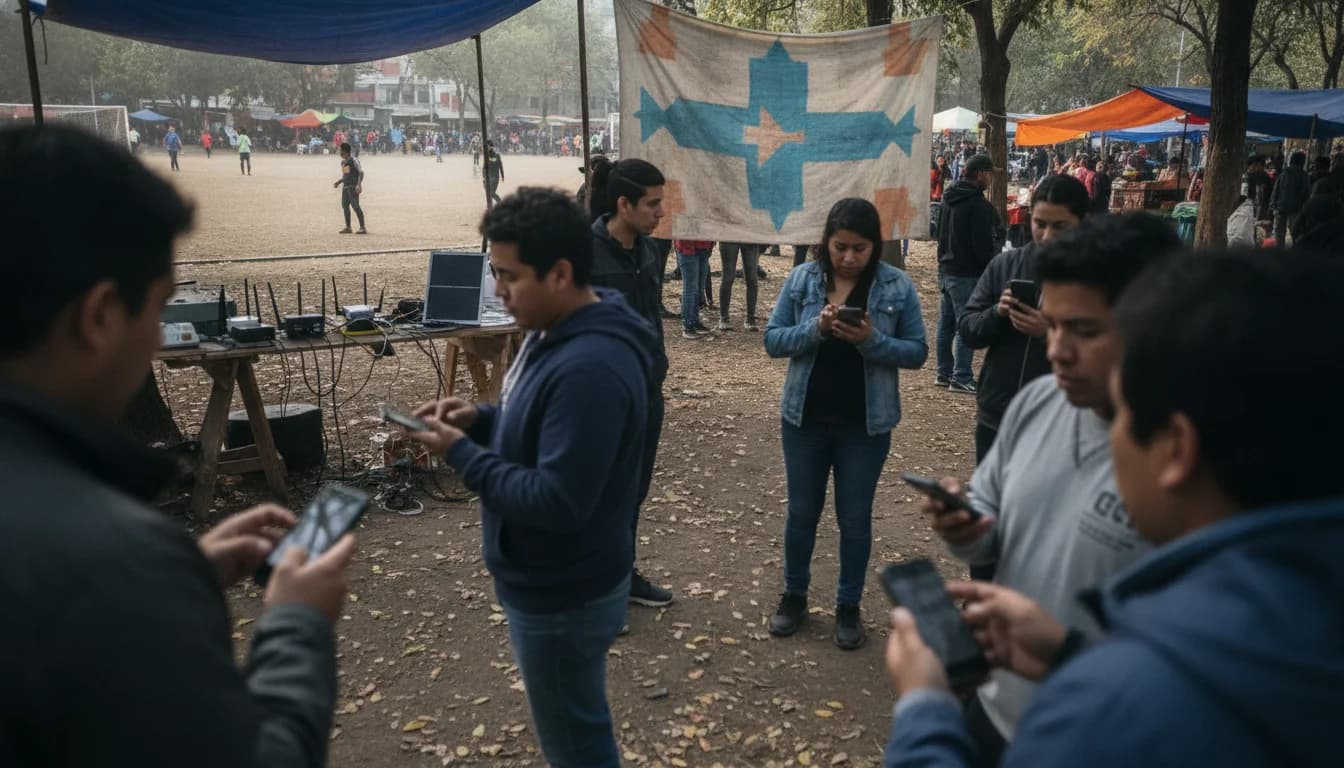
Factchequeado selects 12 orgs for AI talks with Latinos
Factchequeado, a Latino-led fact-checking initiative operating in the United States, announced a new phase of its AI-focused outreach to Latino communities on September 16, 2025. The move comes as part of a broader effort to illuminate how artificial intelligence interacts with everyday information needs in Spanish across American households. This development matters because it signals a structured push to bring verified, accessible information into conversations where mis- and disinformation have previously thrived, particularly in digital spaces frequented by Latino audiences. The announcement underscores Factchequeado’s commitment to data-driven journalism and community engagement at a moment when AI-enabled content is increasingly shaping how people learn, decide, and participate in civic life. For readers following technology and market trends, the step also highlights a growing model of nonprofit-led collaboration with academic and industry partners to curate AI-informed information in multilingual contexts. Factchequeado Institutional page, Sept 16, 2025 (factchequeado.com)
Factchequeado selected 12 organizations to bring in-person conversations about AI to Latino communities in the United States, according to Factchequeado's Institutional page published September 16, 2025. This singular, verifiable fact anchors the current narrative and provides a concrete entry point into a broader program designed to anchor AI literacy in trusted community channels. The 12 organizations represent a cross-section of community groups, media partners, and higher-education affiliates that will host discussions and workshops aimed at demystifying AI, clarifying how content is produced and shared, and improving media literacy among Spanish-speaking residents. The announcement also clarifies that these conversations are intended to complement ongoing journalistic work and to create spaces where feedback from Latino communities can shape future Factchequeado projects. (Factchequeado Institutional page, Sept 16, 2025) (factchequeado.com)
In conjunction with the broader release, the article emphasizes that the collaboration builds on a documented study series titled Conversations with Latinos: What Makes Content Stick?, produced in partnership with the Digital Democracy Institute of the Americas (DDIA) and supported by Castillo & Associates and HIT Strategies. The project is described as a qualitative, in-depth exploration of how Latinos in the United States navigate online information ecosystems, what kinds of content resonate, and where AI intersects with trust, credibility, and civic engagement. Roberta Braga, founder and director of the DDIA, described the central challenge as distinguishing signal from noise in today’s digital landscape. “Una de las preguntas más importantes de nuestro tiempo es qué se destaca entre el ruido de los ecosistemas digitales actuales. Los latinos, como todos los demás, están abrumados por la información y la desinformación en línea,” Braga said, highlighting the demand for reliable, verifiable content. “Los latinos con quien hablamos compartieron su deseo de contenido más alegre, confiable y creíble.” The remarks reflect a common thread across participant feedback that authenticity and evidence-backed narratives translate into greater trust. Laura Zommer, cofounder and CEO of Factchequeado, added that the study’s findings offer valuable guidance for content creators, media organizations, and literacy advocates seeking to serve Latino communities more effectively. “Este estudio presenta información valiosa sobre lo que hacemos los latinos en línea y qué preferimos a la hora de informarnos. Es muy rico y útil para creadores de contenido, medios y organizaciones que buscamos servir mejor a las comunidades latinas,” Zommer said. These quotes, captured in the institution-focused release, illustrate the project’s emphasis on voices from the community and the practical implications for how information is discovered, evaluated, and shared in real time. (Source: Factchequeado’s Institutional release, Sept 16, 2025) (factchequeado.com)
What Happened
The Announcement
- On September 16, 2025, Factchequeado, in collaboration with the Digital Democracy Institute of the Americas (DDIA), Castillo & Associates, and HIT Strategies, released the findings of Conversations with Latinos: What Makes Content Stick?, while also outlining an expansion of its outreach through a formal program inviting community organizations to participate in AI-focused conversations. The release highlights a dual track: sharing evidence-based insights and enabling direct, on-the-ground dialogue with Latino communities across the United States. The announcement frames AI literacy as a civic-technology issue, not merely a gadget or product concern. This is a data-driven effort to align technology education with community needs, alongside ongoing Factchequeado efforts to curb misinformation in Spanish-language media ecosystems. (Source: Factchequeado Institutional page, Sept 16, 2025) (factchequeado.com)
Timeline and Key Facts
- July–August 2025: The Conversations with Latinos program conducted online qualitative boards and in-depth interviews with Latino participants across the United States to assess digital habits, content consumption, and trust signals in the era of AI. This phase laid the groundwork for the broader dissemination and engagement plan. (Source: Factchequeado release) (factchequeado.com)
- September 16, 2025: Official release of the study results, including executive summaries, key takeaways, and a formal call-to-action for partner organizations to host AI-focused conversations in Latino communities. The release also identifies core themes around how Latinos perceive AI-generated content and its implications for democracy and media literacy. (Source: Factchequeado Institutional page) (factchequeado.com)
- September 30, 2025 (English session): A launch session designed for journalists, media partners, and policymakers to discuss the study’s findings in English, with remote participation via Zoom. (Source: DDIA-provided event schedule on the release page) (factchequeado.com)
- October 1, 2025 (Spanish session): A parallel session in Spanish to engage Spanish-speaking communities, educators, and media professionals in a dialogue about AI’s role in online content and how to translate research insights into practical literacy tools. (Source: DDIA-provided event schedule on the release page) (factchequeado.com)
Stakeholders Involved
- Factchequeado: Co-founder and CEO Laura Zommer emphasized the value of the study for informing content strategy and community outreach. The organization also outlined a plan to leverage AI-assisted verification and bilingual literacy tools to reach Latino audiences. (Source: Factchequeado release) (factchequeado.com)
- Digital Democracy Institute of the Americas (DDIA): Provided qualitative research expertise and facilitated community engagement through partner-led events. Bragging rights aside, the study highlights how Latinos in the U.S. interact with AI-enabled information and how platforms can better serve this demographic. (Source: Factchequeado release) (factchequeado.com)
- Castillo & Associates and HIT Strategies: Contributed methodological support and strategic communications insight to shape the study’s design and dissemination plan. (Source: Factchequeado release) (factchequeado.com)
Key Facts and Takeaways
- The study confirms that Latinos in the United States increasingly rely on AI-assisted tools for information seeking, while simultaneously expressing concern about AI-generated content in their feeds. The participants highlighted a preference for content that is concise, evidenced, and culturally resonant, delivered by trusted voices close to their communities. (Source: Factchequeado release) (factchequeado.com)
- A consistent theme across participants is the call for transparency in labeling AI-generated content and for greater accountability from platforms that curate information for Latino users. The study’s implications point to practical steps for media organizations and technology platforms to improve reliability, accessibility, and trust. (Source: Factchequeado release) (factchequeado.com)
Quotations and Context
- Roberta Braga, founder and director of the Digital Democracy Institute of the Americas, underscored the need to cut through the online noise and deliver content that is trustworthy and meaningful for Latinos. “Una de las preguntas más importantes de nuestro tiempo es qué se destaca entre el ruido de los ecosistemas digitales actuales,” Braga said, noting that participants want content that is “alegre, confiable y creíble.” (Source: Factchequeado release) (factchequeado.com)
- Laura Zommer, Factchequeado cofounder, described the study as rich in insights that will help creators, media, and organizations improve service to Latino communities. “Este estudio presenta información valiosa sobre lo que hacemos los latinos en línea y qué preferimos a la hora de informarnos,” Zommer stated. (Source: Factchequeado release) (factchequeado.com)
Why It Matters
Impact on Latino Communities
- The program’s emphasis on authentic voices, local relevance, and evidence-backed content aligns with broader media-literacy goals that have gained momentum across the United States. By connecting researchers with community organizations, the effort seeks to translate research findings into practical tools—such as bilingual literacy resources and AI-aware content practices—that can improve residents’ ability to navigate online information. The emphasis on platforms like Instagram and TikTok as daily-use channels reflects a shift toward delivering reliable information where communities already spend time. (Source: Factchequeado release) (factchequeado.com)
“Los latinos buscan contenidos positivos y autenticidad en las redes sociales. Contenidos alegres, informativos y con perspectiva comunitaria… son muy apreciados.” (Factchequeado release) (factchequeado.com)
Industry Implications
- The program spotlights a growing intersection between AI technologies and credible information literacy within multilingual communities. As Latinos increasingly encounter AI-generated content in their feeds, there is a clear demand for transparent labeling, credible sourcing, and culturally attuned messaging. This has implications for technology platforms, AI researchers, and publishers who seek to serve diverse audiences responsibly. The emphasis on verification workflows and community-centered design could influence how media organizations partner with tech vendors to build trust with Spanish-speaking audiences. (Source: Factchequeado release; broader coverage of AI and misinformation context) (factchequeado.com)
Policy and Media Literacy Context
- Factchequeado’s work sits within a wider ecosystem of Latinx-focused fact-checking and digital literacy initiatives. The organization has historically partnered with media outlets and civic groups to provide Spanish-language verification resources and training, including bilingual journalist toolkits and media-literacy programs. These efforts are part of a broader trend toward multilingual, community-grounded approaches to misinformation, which has attracted attention from national and international outlets and research teams. (Related context: Factchequeado and industry coverage) (factchequeado.com)
What This Means for Market Trends
- For technology and media businesses, the Conversations with Latinos findings underscore a growing market for trusted AI-enabled content that respects linguistic and cultural nuance. Companies that can demonstrate transparent AI usage, credible sourcing, and authentic community engagement may be better positioned to earn trust and engagement in Spanish-speaking digital spaces. The collaboration model—academic partners, a nonprofit fact-checking organization, and communications firms—offers a blueprint for how to scale literacy initiatives without sacrificing accuracy or independence. (Source: Factchequeado release; related industry analyses) (factchequeado.com)
What’s Next
Upcoming Milestones
- The program’s schedule includes a launch series of events designed to disseminate findings and gather feedback from diverse Latino communities and media partners. The English-language session on September 30, 2025 and the Spanish-language session on October 1, 2025 will serve as critical forums for refining outreach materials, validating the study’s takeaways, and collecting input on content formats that resonate best with different subgroups within the Latino community. (Source: Factchequeado release) (factchequeado.com)
Next Steps and Observations
- Organizers anticipate continuing partnerships with local community organizations, universities, and media outlets to translate study insights into concrete literacy tools, like bilingual guides, simple prompts for fact-checking AI-generated content, and case studies illustrating best practices for responsible AI use in Spanish-language information ecosystems. As these efforts roll out, expect related updates from Factchequeado and its collaborators, including the DDIA and its network. (Source: Factchequeado release) (factchequeado.com)
Closing
The Factchequeado-led initiative to expand Conversations with Latinos through AI-focused community conversations reflects a timely, data-driven approach to addressing misinformation and information access in the United States. By pairing rigorous research with on-the-ground engagement, the program aims to turn insights into practical tools that can help Latino communities navigate AI-enabled information with greater confidence and clarity. Readers can expect ongoing coverage as the partner events unfold and as the study’s lessons are translated into actionable resources for journalists, educators, platform operators, and everyday information consumers. To stay updated, follow Factchequeado’s Institutional page and DDIA’s event announcements, which will provide real-time details on sessions, resources, and outcomes. (Source: Factchequeado release) (factchequeado.com)
The work described here represents a collaborative model that could influence how technology companies, media outlets, and civic institutions approach AI literacy in multilingual contexts. As AI-generated content becomes more prevalent in daily life, the need for accessible verification and credible, community-centered messaging grows more acute. Factchequeado’s transparency about its process and its willingness to share findings publicly will be a critical test of how effectively data-driven journalism can translate into tangible improvements in digital literacy for Latino communities across the United States. Readers who want deeper context or to participate in upcoming sessions should consult the primary source and related materials linked above.